What the U.S. AI showdown reveals about competing governance models
As the Pentagon seeks sovereign authority, the U.N. advances redistribution, dialogue and shared technical baselines.
The Independent International Scientific Panel on AI is a U.N. body established to serve as a crucial bridge between cutting-edge AI research and policymaking. The panel, composed of leading experts, provides rigorous, independent, and science-based assessments to guide policymakers on the risks and opportunities of AI systems, helping to inform global governance and ensure the technology serves the common good.

Already have an account? Log in
As the Pentagon seeks sovereign authority, the U.N. advances redistribution, dialogue and shared technical baselines.
Science authority, political dialogue and capacity funding assembled in parallel as an alternative to formal rule-making.
Forty proposed panel members submitted for approval would serve in their personal capacities for a three-year term.
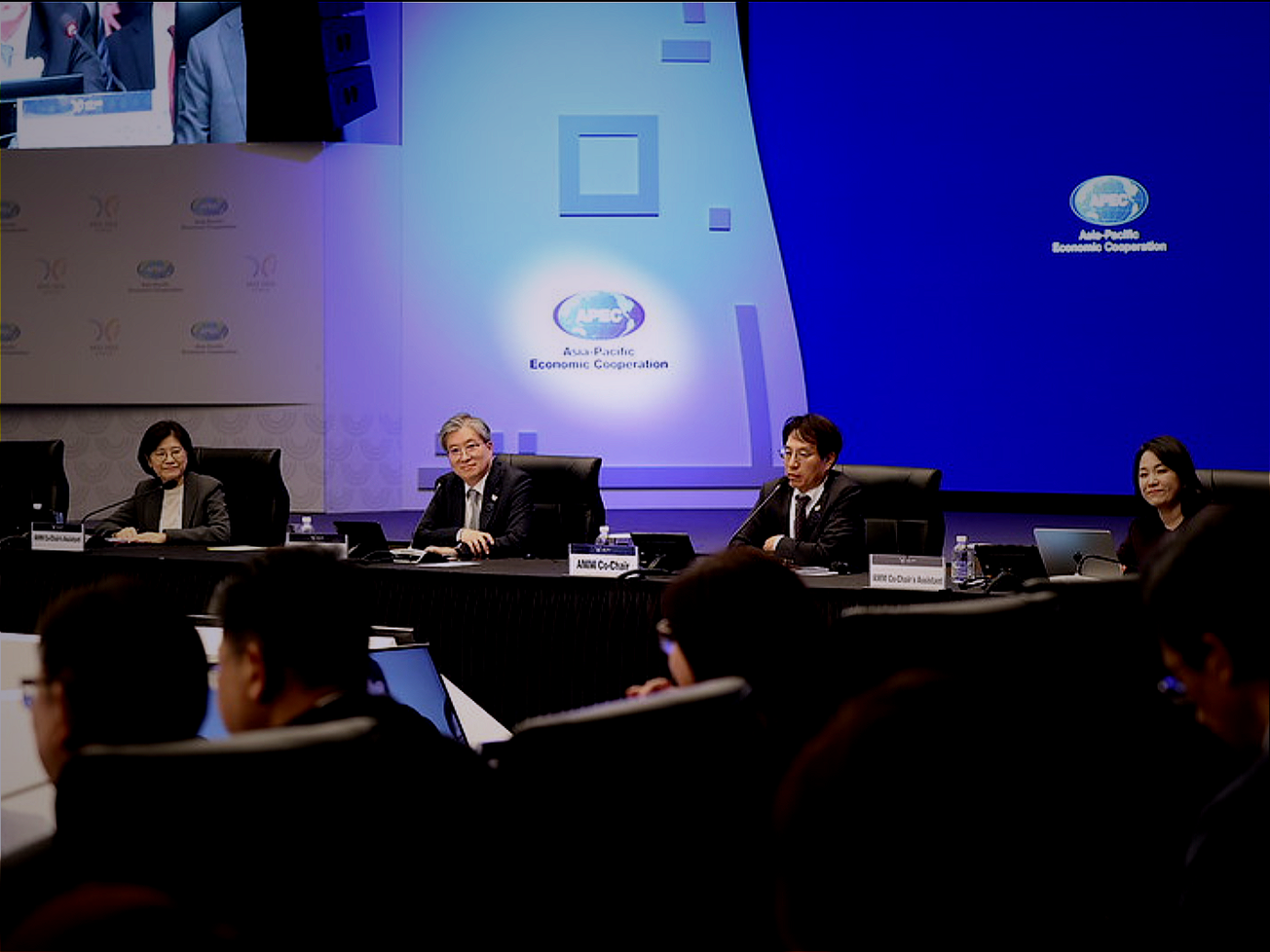
At APEC, China pushed to create a new rules-based global organization on AI, possibly headquarted in Shanghai.
The U.N. General Assembly's formal launch of new AI governance bodies is poised to reshape the technology sector.
Top experts increasingly agree voluntary commitments from AI companies are not enough to deal with threats.
The twin moves reflect an attempt to navigate intense competition between the U.S., China, and the E.U.