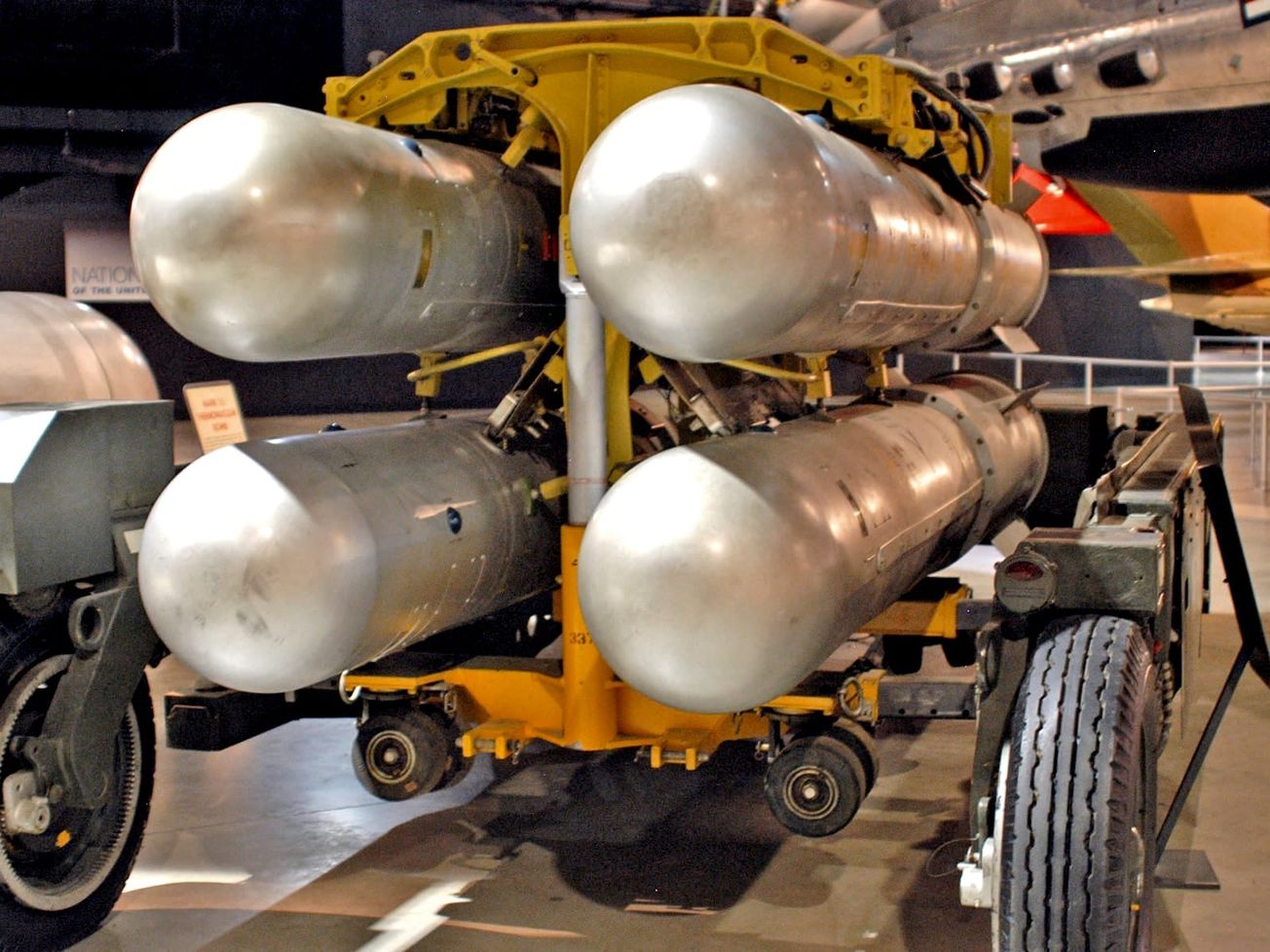
The New Strategic Arms Reduction Treaty, the last remaining agreement limiting the strategic nuclear forces of the United States and Russia, has expired, ending legally binding caps on the world’s two largest nuclear arsenals for the first time in more than half a century.
Signed in 2010 and extended once in 2021, New START expired at midnight on Wednesday, having limited each side to 1,550 deployed strategic nuclear warheads and capped deployed intercontinental ballistic missiles, submarine-launched ballistic missiles and heavy bombers. The treaty also established verification measures, including data exchanges and on-site inspections, intended to reduce uncertainty and the risk of miscalculation.