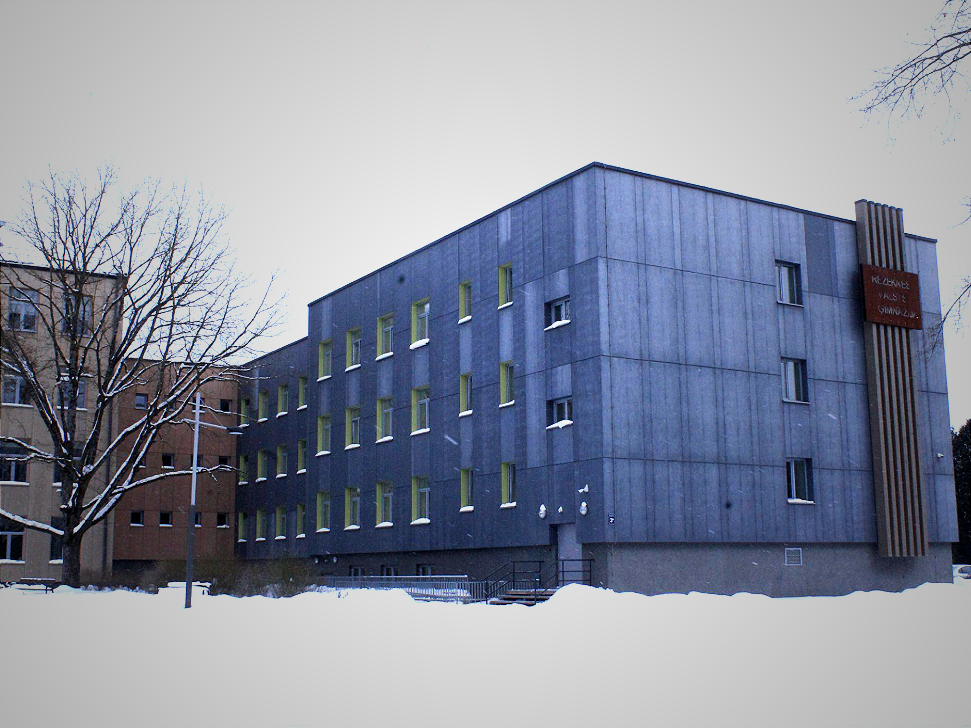
RĒZEKNE, Latvia (AN) – In a classroom at Rēzekne State Gymnasium No. 1, Maksimilian Savickis switches between two versions of himself.
He struggles to speak and write in Latvian as quickly and precisely as required, sometimes reverting to Russian. Inwardly, the 18-year-old senior says, the Russian he speaks with his family at home carries the most emotional weight. He went to a Russian-language school until seventh grade, and his studies have suffered since the language was banned.
Latvia completed its transition to Latvian-only instruction in public schools in September 2025, a requirement its Parliament adopted months after Russia's full-scale invasion of Ukraine in February 2022.
A Baltic country on NATO’s eastern flank, Latvia shares a 284-kilometer border with Russia that it is fortifying with fences and anti-tank ditches. Along with growing tensions on the border, a recent government survey shows Russian speakers still make up 37.7% of Latvia’s adult population, highlighting the scale of the linguistic divide.
A teacher lets Savickis use a dictionary during tests because sometimes he cannot find the right Latvian words quickly enough, especially in abstract writing. The accommodation helps – and shows the extent to which he and some others struggle to translate their thoughts.
Another senior at the school, Emma Ruļuka, says many Russian-speaking students still express themselves in Russian after class, despite a push by teachers and the principal to enforce Latvian among informal spaces. Even casual conversation can be punished if Russian is heard anywhere.
"Those students are used to learning in Russian their whole life. They went to a Russian kindergarten and continued their education in Russian, and now they have to switch," she says. "They have a negative attitude because it’s hard to make this switch all of a sudden, especially with their family."
The school in Rēzekne, a small industrial city about 60 kilometers west of Latvia’s border with Russia, offers some ways to cope with the shift, but not in structured ways. Ruļuka says students can ask teachers for Latvian tutoring, and classmates help one another, but no formal language-learning group or organized extracurricular support is available.
Many students call the policy’s impact in public schools uneven; some younger classmates seem to slide into Latvian more easily, especially those in Latvian tracks since early grades. Rozmarija Šastakoviča, a college student at Riga Technical School of Tourism and Creative Industry, says teachers have been cautious since the law took effect.
"In school, a lot of teachers were even scared to talk in a language other than Latvian," she says.
Šastakoviča worries her home country is silencing her native tongue by banning the Russian language in schools. "We hold each other’s languages alive by interacting with each other,” she adds. "Now, unfortunately, the Russian language is dying among young people in Latvia."
'Widespread calls' on human rights brushed aside
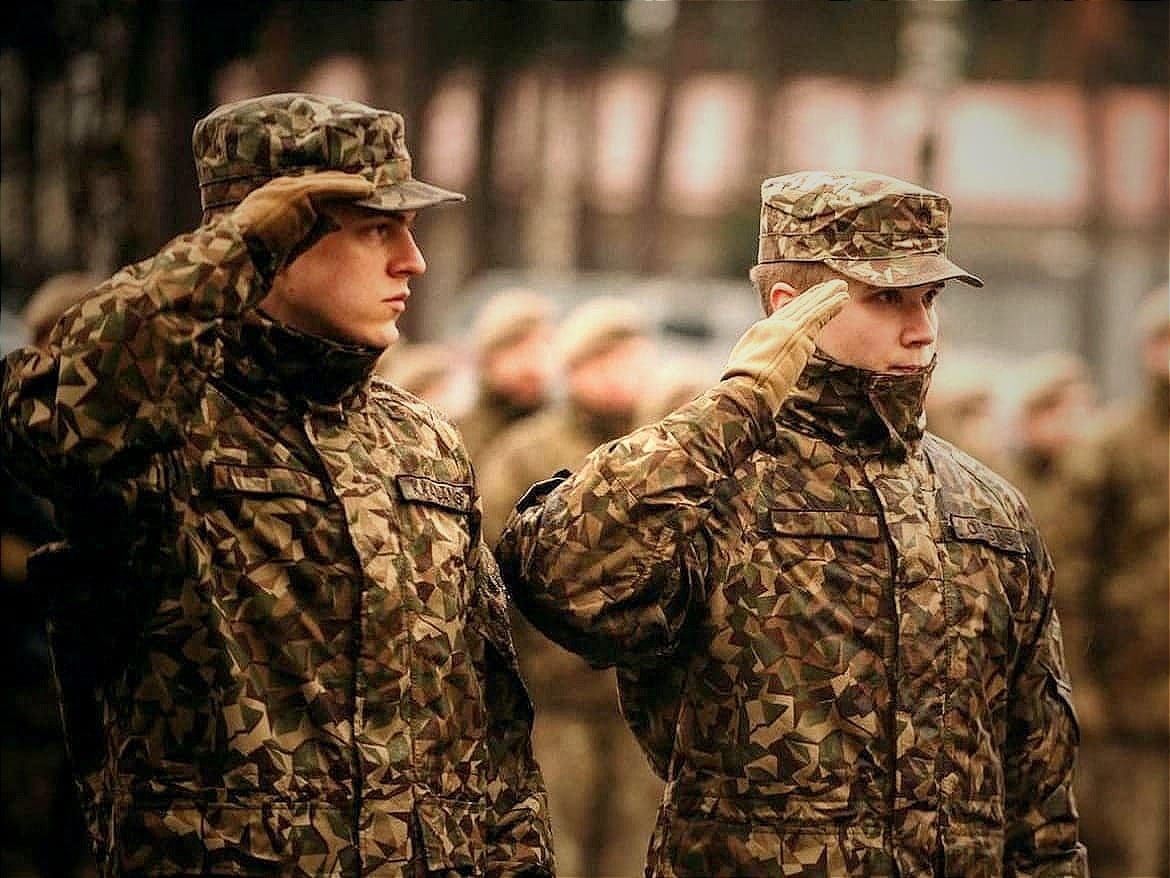
The uneasy tension over the war in Ukraine is reflected in other ways. Latvia was the first nation to scale up its NATO forward presence in the eastern part of the alliance, but it was the last among Baltic and Nordic nations to restore compulsory military service, which it abolished in 2007.
In Latgale, a region that includes Rēzekne, about 25% of primary and secondary school students are ethnic Russians, according to government figures. A multilingual life is normal across regions of Latvia, and, for many students, Russian remains their primary language outside class.
In Rēzekne, the policy's ripple effects extend far beyond the classroom. Marina Trashkova, a 58-year-old Russian-speaking citizen, says she saw a passenger on a city bus scold a woman for speaking Russian – and that older Russians now feel they have fewer job options.
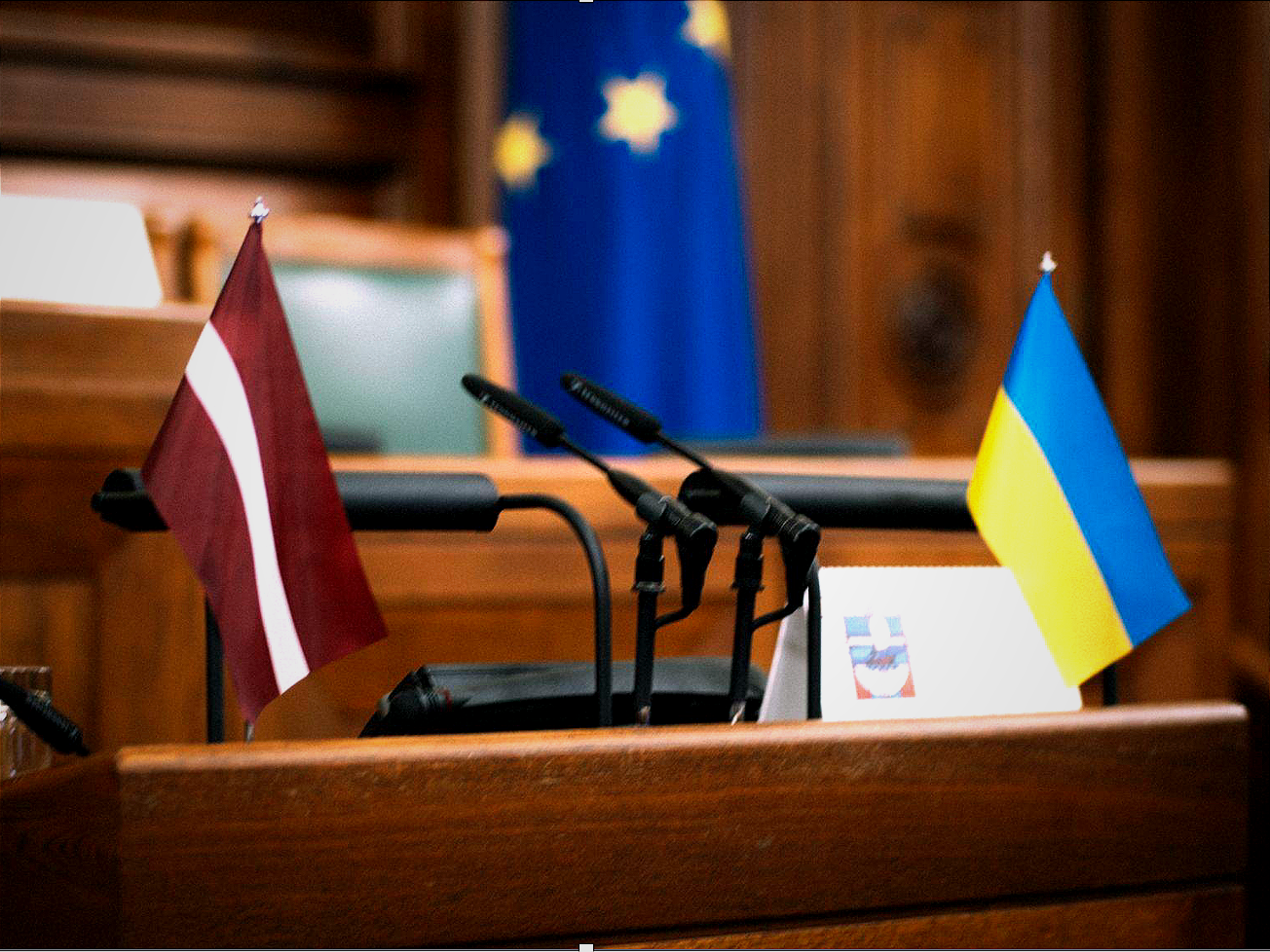
In 2023, three independent U.N. human rights experts on minority populations, education and culture reported their concerns about Latvia's "severe curtailment of minority language education" to the United Nations.
The three experts, Fernand de Varennes, Farida Shaheed, and Alexandra Xanthaki, jointly say Latvia acted "in contradiction with international human rights standards, including the prohibition of discrimination on grounds of language and the U.N. Convention on the Rights of the Child."
Lawmakers adopted the bill using a process "contrary to international human rights standards," they say, and "despite widespread calls for the bill to be withdrawn from consideration" until the European Court of Human Rights and U.N. Human Rights Committee could hear complaints.
“Latvian authorities," they conclude, "must clarify the harsh restrictions on minority language education amounting to its virtual elimination, and the consultation process with the minority communities concerned."
Single language aim 'sped up drastically since 2022'
When the Saeima, or Latvia's Parliament, adopted the measure, the authors of the law estimated the transition to Latvian-only instruction would affect 17% of teachers and 24% of students enrolled in minority pre-school and basic education programs, according to the Saeima Press Service.
For parents like Alex Karins, it would be preferable if his three young children could still grow up to become fluent in three languages — Latvian, Russian and English — particularly because they entered school before the policy was in full effect.
"I can see that younger kids can speak three languages. And it’s not bad," he says, adding that children feel less pressure "if you start early."
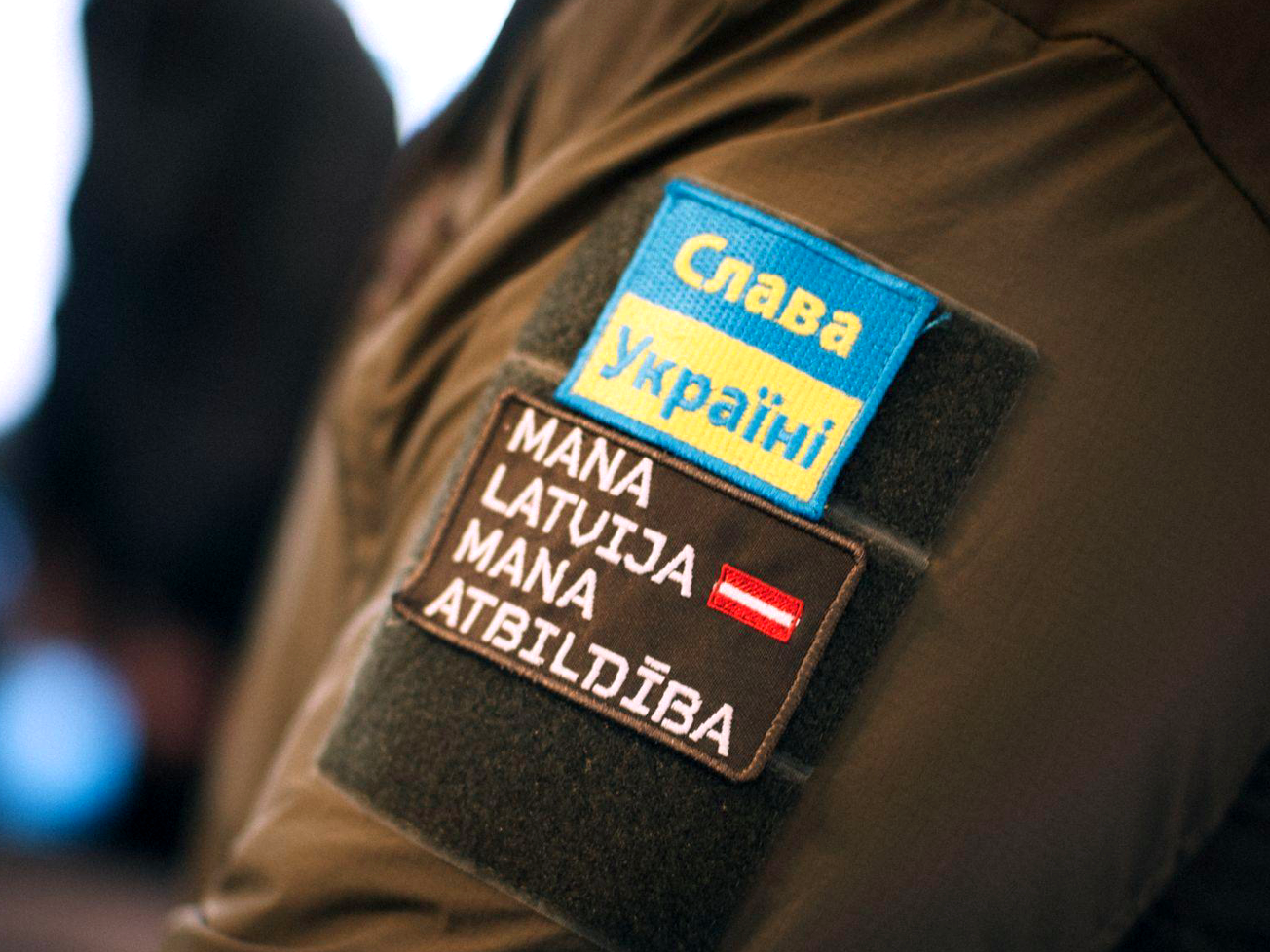
As concern grows among security officials about a potential Russian invasion, Latvian authorities defend the language shift as a matter of national security and defense. However, Evija Djatkovica, deputy director of the Center for Geopolitical Studies Riga, notes the goal of uniting the country with Latvian-only education isn't new.
"Since the '90s, Latvia has set an ambition for the future of education in one language as part of the integration policy," she says. "It’s inevitable, but it has sped up drastically since 2022."
Defense concerns collide with societal 'realities'
When policy moves faster than people can absorb it, confusion and resentment can fester within communities whose identities are already unsettled, Jānis Kažociņš, a distinguished fellow at the Riga think tank, notes in an analysis of public reactions to the policy.
Kažociņš, a former presidential national security advisor who once chaired NATO's civil intelligence committee, thinks the language policy shift is a mistake. "We've gone one step too far that Russian is no longer being offered as a second foreign language in most schools," he says. "That is a colossal mistake for many reasons. The key one is that there have been times when we've been on very friendly terms with Russia. I think it will come back."
In a country that has been occupied for much of its history, Latvia’s reform of language in education is meant to build cohesion under threat. Gints Apals, head of the Museum of the Occupation of Latvia's public history department, says many of the students at the Russian-speaking schools that the department worked with had never visited the museum.
What's needed is a deliberate effort to "show our history from this angle," he suggests, and to reduce the suspicion and parallel realities that persist across language communities rather than assign collective guilt. "The history of Russia played a huge role previously in our classrooms. We still have the Russian language," he says. "We can still learn Russian history to understand our own history."

Speed of transition draws concern
In Riga, Leila Rasima, a progressive member of Parliament, frames the broader strategy as ensuring everyone can function in Latvian without banning Russian in private life.
"We are not prohibiting Russian," she says, noting that people still speak their family language on the streets. "What we are trying to achieve as a country is that everyone can speak Latvian in Latvia."
Sabīne Sīle founded Media Hub in Riga to protect Russian exile journalists. She says integration of Russian speakers into Latvian society was "really badly managed for a long time." Since the war, the state has tried to rush what should have been gradual.
"Whenever someone is trying to force it, people become defensive," she says, mentioning that the policy might result in more minority language media channels being shut down. "You will have a community that’s alienated, doesn't trust you and feels like they are being put in the guilty box, although they were never part of the decision."
At the school in Rēzekne, the speed of the transition bothers even those who support the policy. Anna Ulņicane, a senior at the school, says she worries that "Latvian is dying" among young people who consume more English and Russian media. She saw the push as a way to keep the language alive, but the deadline for fluency as problematic.
"It was a great idea to implement this policy but it was implemented too fast," she says. "They are just expected to know it suddenly."
Editor's Note: Interviews in Russian were interpreted by Anna Ulņicane of Rēzekne State Gymnasium No. 1 and R. Taylor Robinson of Medill Reports.