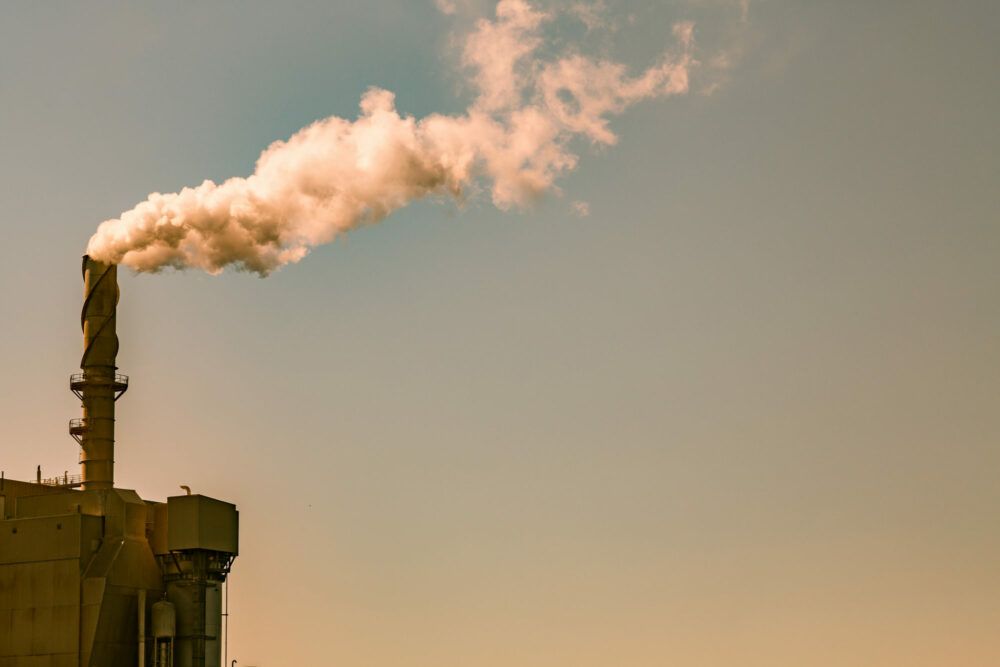
Nations' plans for cutting carbon emissions are dangerously off-track
Global greenhouse gas emissions, rather than fall, rose in 2017 by 0.7 gigatons to 53.5 gigatons, after three years of decreases.
Melting glaciers. Rising sea levels. Wildfires. Food shortages. Widespread species extinctions. Global pandemics. Every other issue is secondary. The climate crisis is a health crisis — a reality highlighted by WHO chief Tedros Adhanom Ghebreyesus, who points to the links between extreme weather, disease, and noncommunicable diseases. Science, politics, and economics are all at the heart of this urgent global issue.
Already have an account? Log in
Global greenhouse gas emissions, rather than fall, rose in 2017 by 0.7 gigatons to 53.5 gigatons, after three years of decreases.
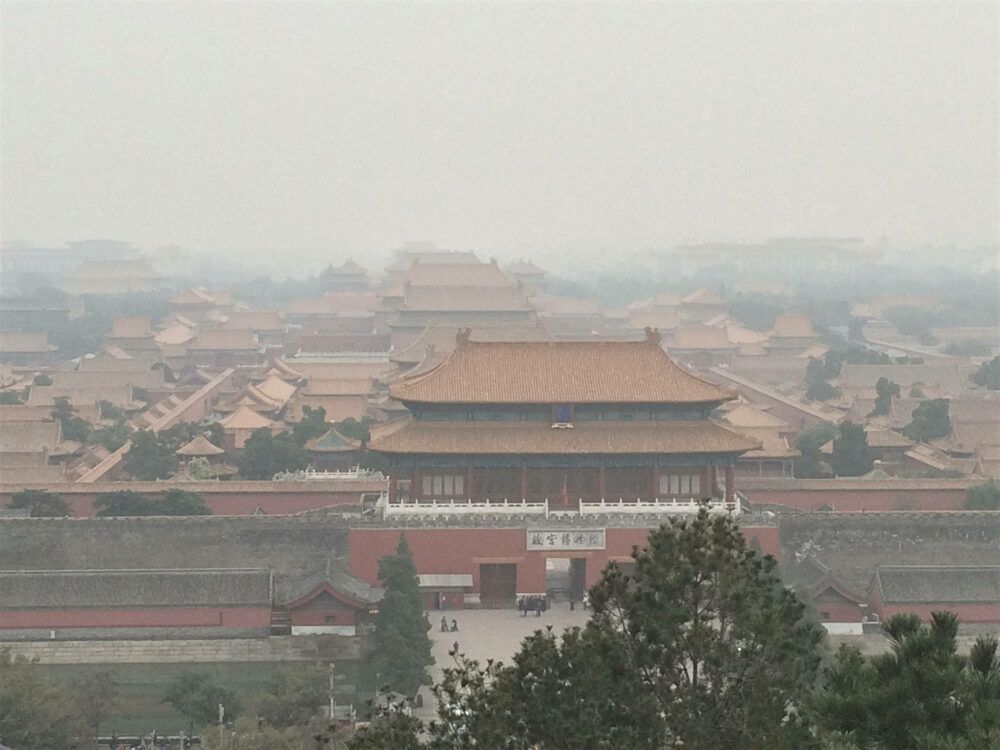
As much as 91% of the world's population breathes unhealthy air, which is why it's the focus of a global health conference.
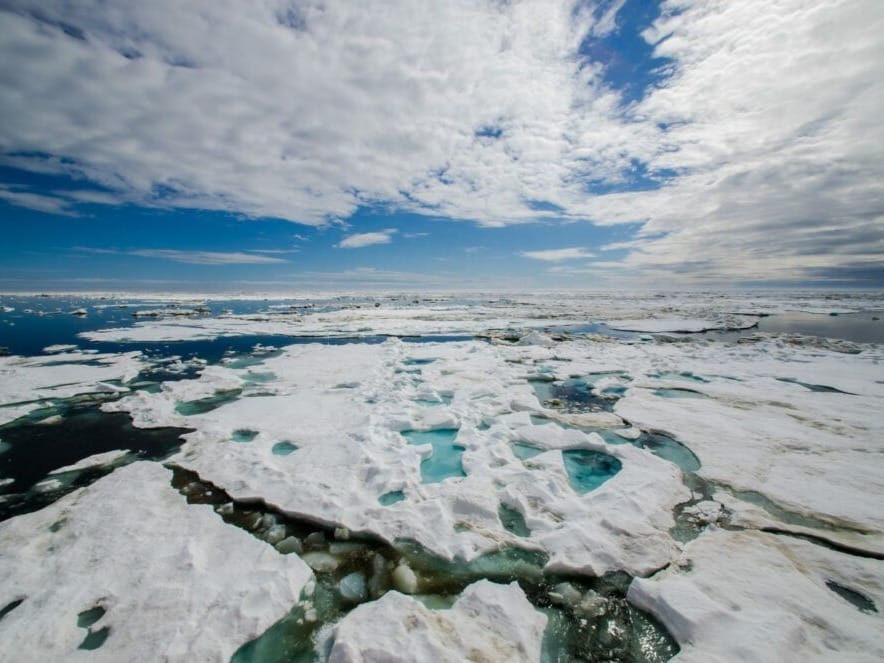
The Nobel Prize-winning U.N. panel on climate change said it's life or death for much of the planet as soon as 2040.
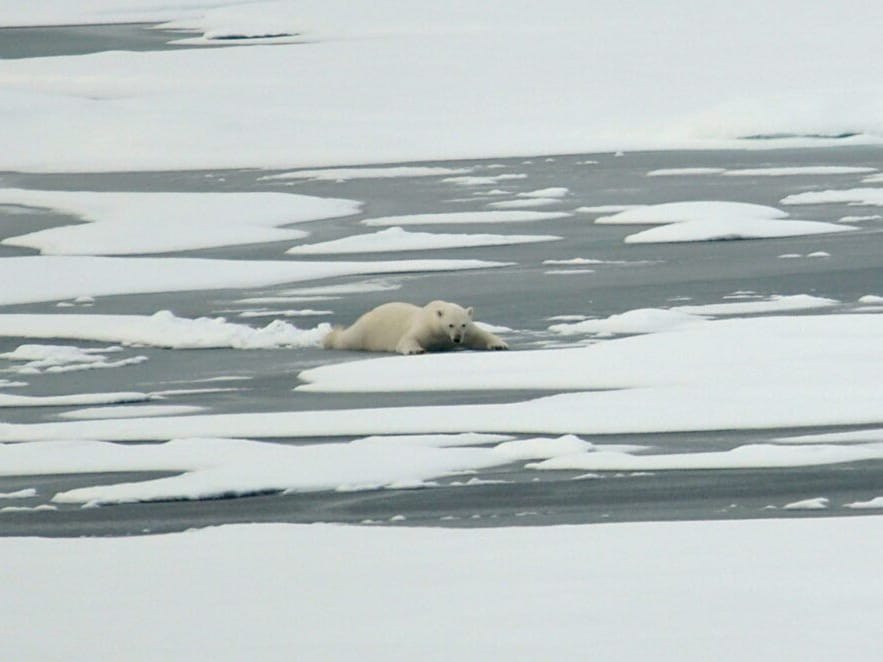
Concerns about climate change's rapid rate of advance in the far north drove three years of talks on commercial fishing.
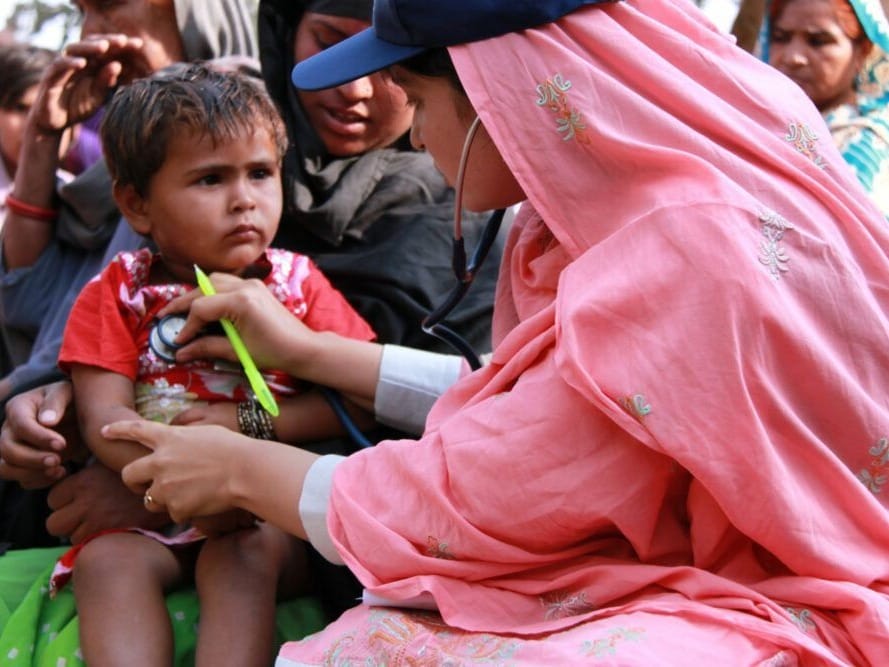
Low- and middle-income countries and the poorest and most vulnerable populations worldwide are the hardest hit.
The losses from 1970 to 2015 threaten the 'world's most valuable ecosystem' with a huge amount of biodiversity.
The picture is complicated by safety and environmental concerns and IAEA's dual roles as watchdog and promoter.
A new treaty is being negotiated aimed at protecting the rich biodiversity of the open ocean against commercial pressures.
The U.N. secretary-general demanded that nations act far faster and more decisively to combat the climate crisis.
One of the themes of a polar conference focuses on the need for more scientific research into the Southern Ocean.
The report from the U.N.'s Nobel Prize-winning climate panel aims to strenghten nations' actions under the Paris treaty.
High shares of renewables are being integrated in the power sector, but not fast enough to fight climate change.
A World Health Organization commission ratcheted up the pressure in a fight against neglected chronic diseases.
IRENA says 200 companies reported more than half the electricity they consumed came from renewables.
A global fund or organization could speed innovation so the energy sector can fulfill the Paris climate treaty.