Pandemic sets back childhood vaccinations for first time in 30 years
The report blames misinformation, conflicts and wars, lockdowns, supply chain disruptions and diverted resources.
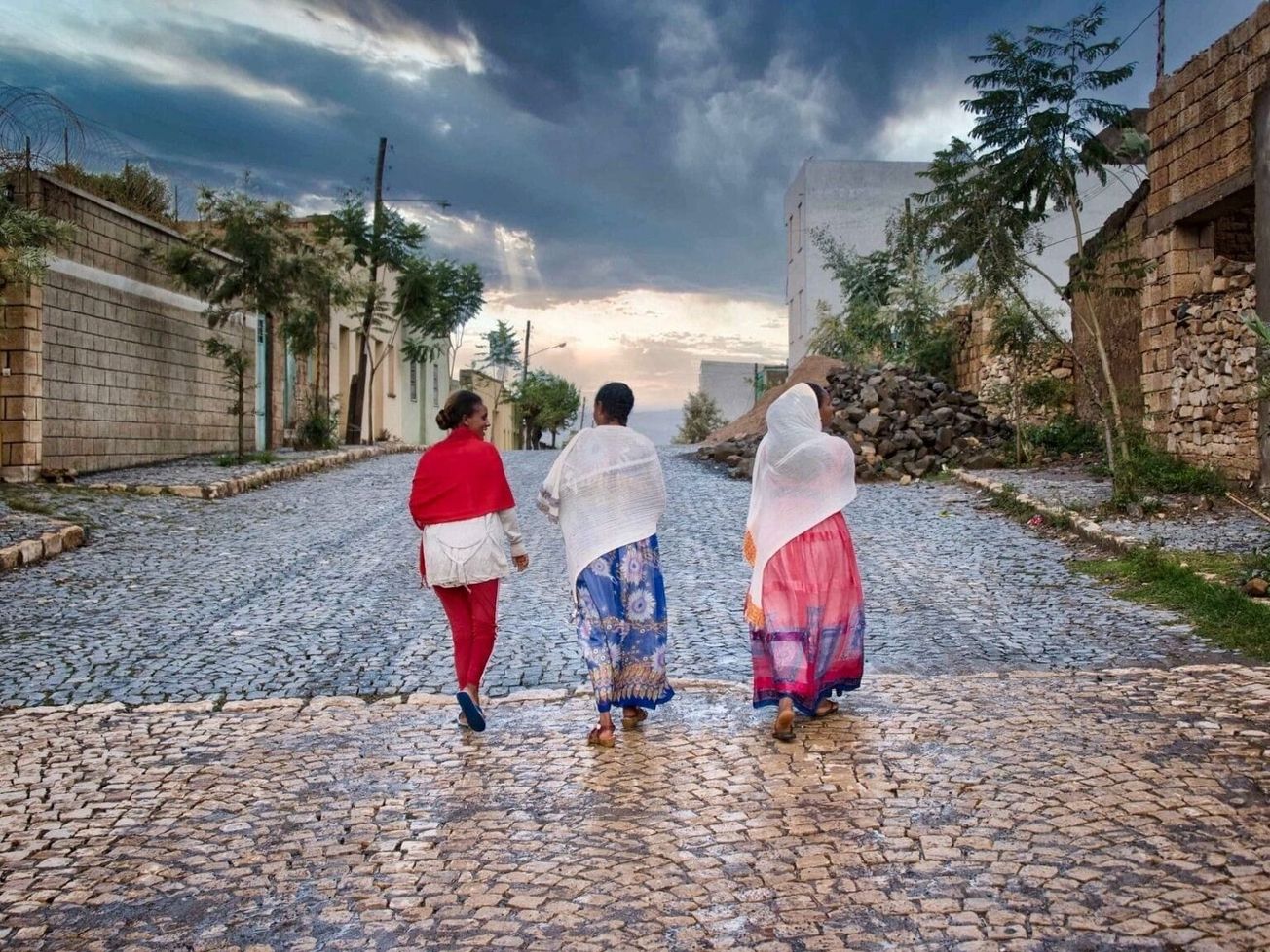
Ethiopia is a landlocked nation in the Horn of Africa with a historically unique past, as it successfully defended itself against formal European colonization. Its capital, Addis Ababa, is a major diplomatic hub, hosting the headquarters of both the A.U. and a U.N. economic commission.

Already have an account? Log in
The report blames misinformation, conflicts and wars, lockdowns, supply chain disruptions and diverted resources.
The U.N. Human Rights Council created an international commission of experts to investigate the war in Ethiopia.
Some 274 million people will need emergency humanitarian aid in 2022 due to war, conflicts, hunger, climate change and the pandemic, the U.N. said.
The U.N. took up a proposal calling for cease-fires in conflict zones to allow deliveries of coronavirus vaccines.
After warning of 'a full-scale humanitarian crisis' in Ethiopia, officials said 32,000 people fled and 200,000 more may follow.
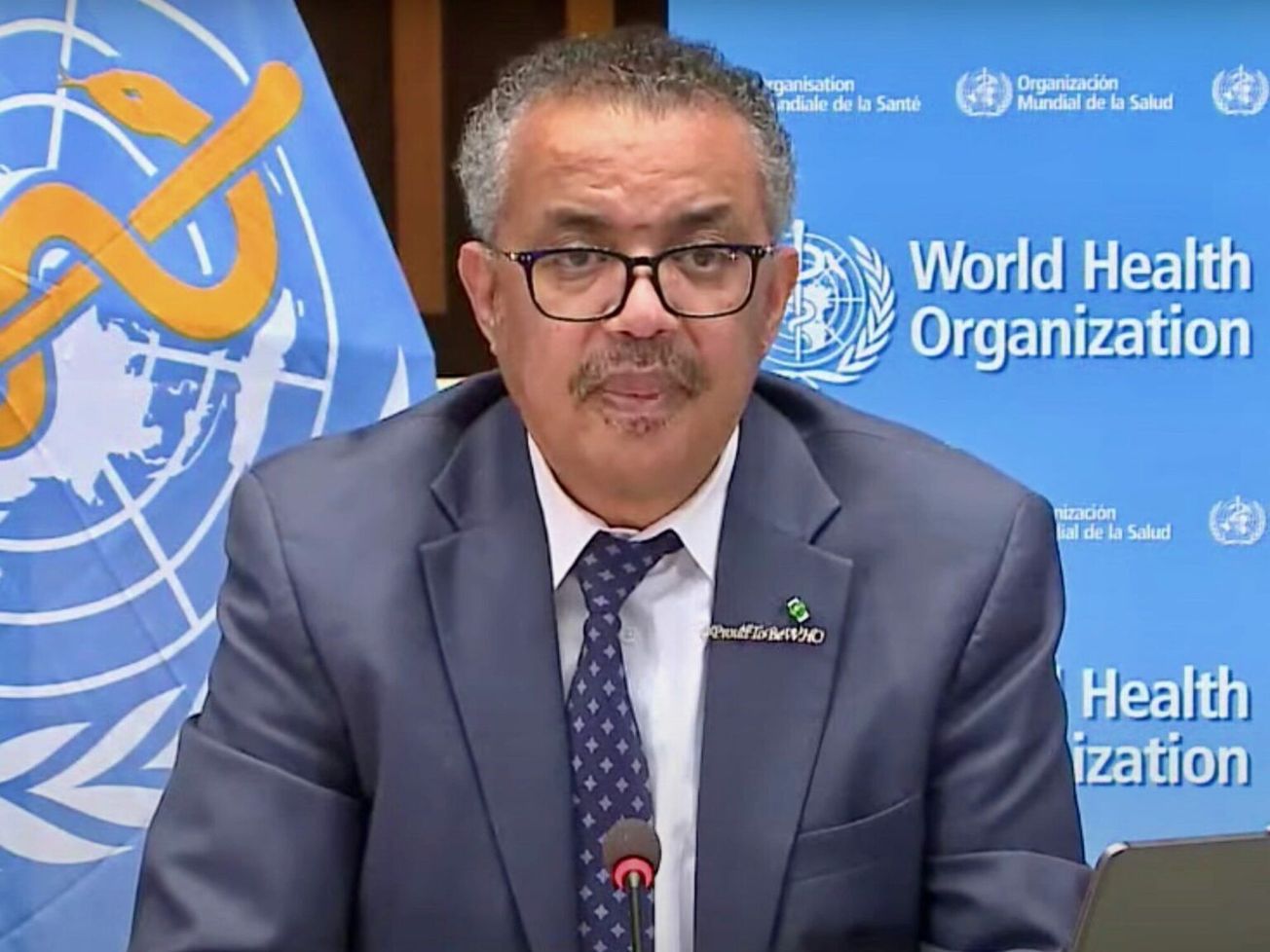
WHO’s chief said reports of Moderna's experimental coronavirus vaccine were "encouraging news," but cautioned more will be needed to end the pandemic.
WHO's chief said he will self-quarantine because he was identified as a contact of someone who tested positive for COVID-19, as a second wave hits Europe.
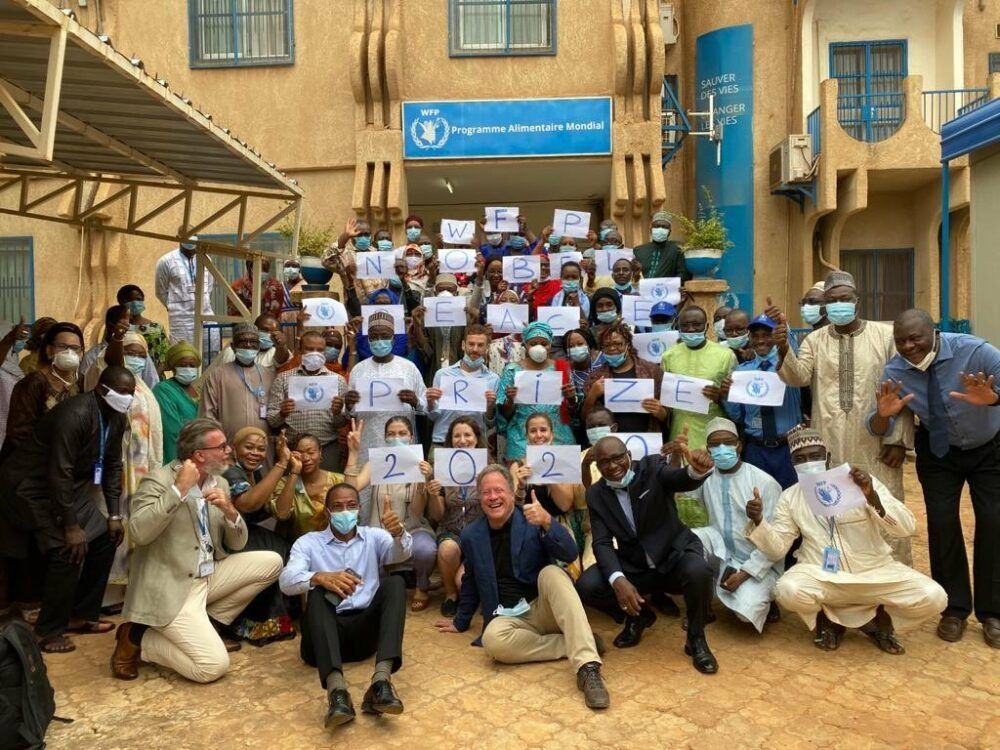
The Nobel Peace Prize went to the World Food Program for its efforts to alleviate hunger amid the pandemic and to urge more international cooperation.
WHO's chief offered a tentative timetable for subduing the pandemic in less than two years if nations can pull together in fighting it.
WHO's chief denounced U.S. allegations he is subservient to the Chinese government and helped cover up Beijing's handling of the coronavirus pandemic.
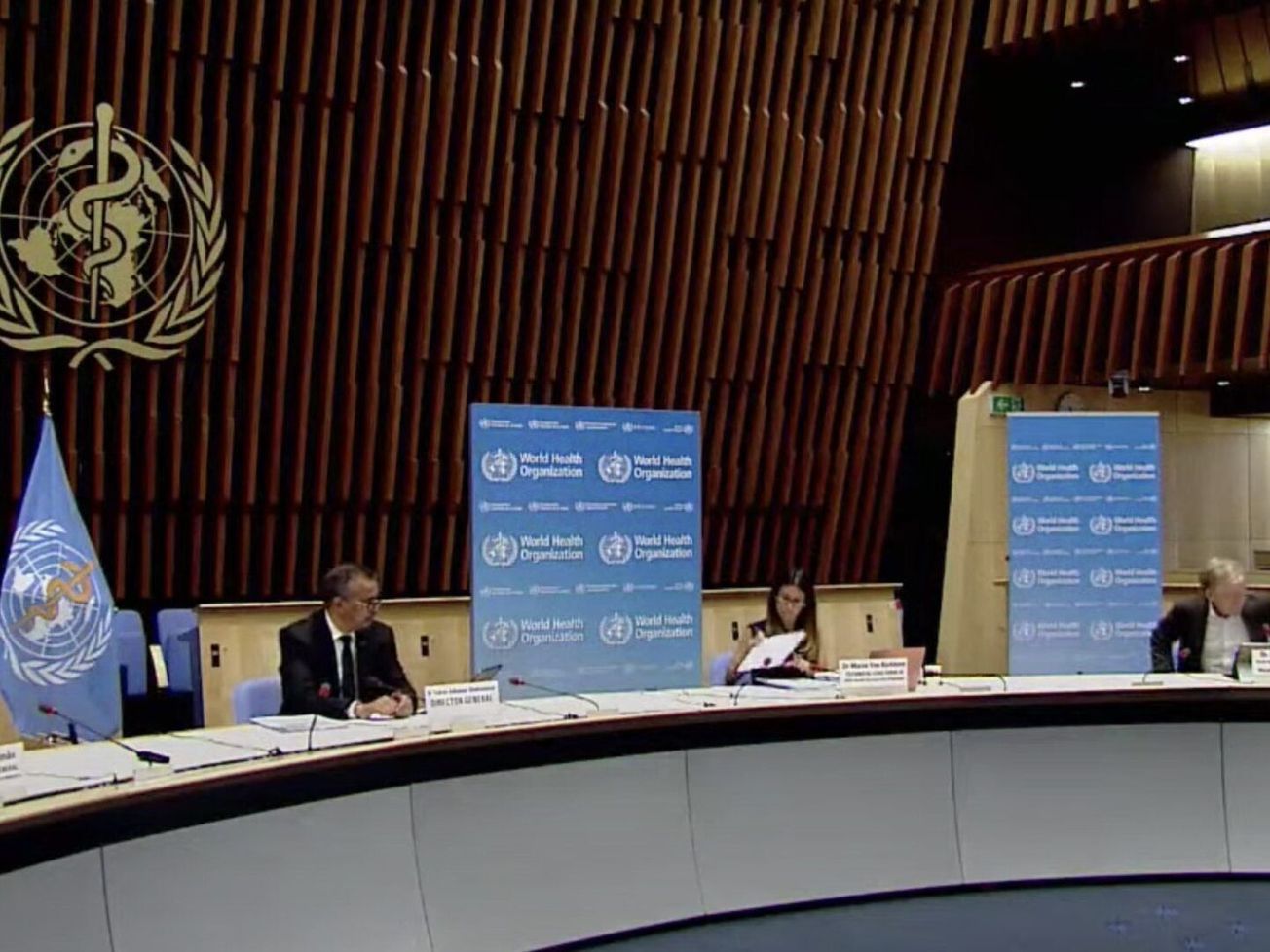
As WHO gears up for an investigation into its handling of the pandemic, its new COVID-19 timeline raises more questions.
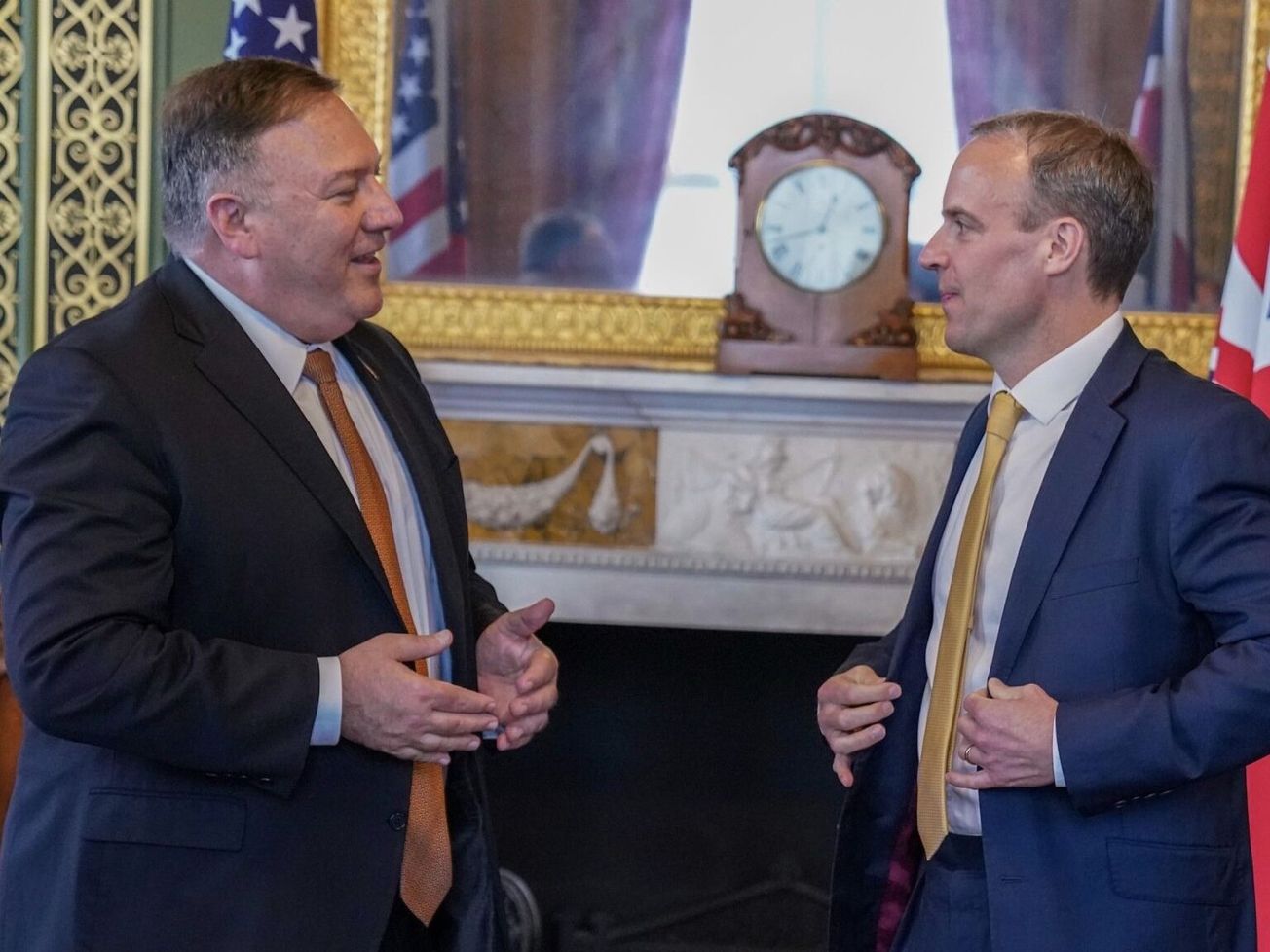
U.S. President Donald Trump announced he will withdraw the United States from the World Health Organization, attempting to deflect blame for U.S. crises.
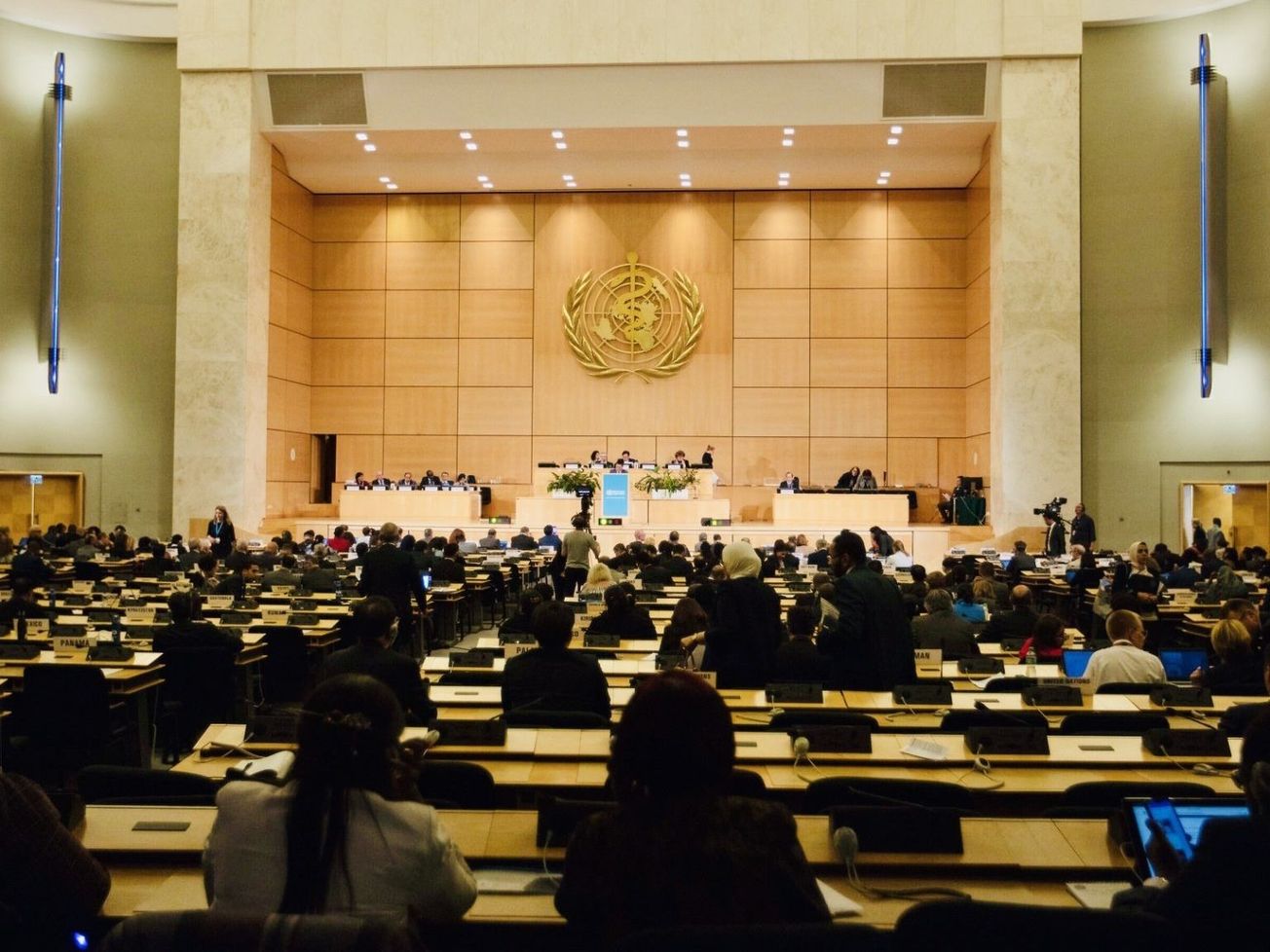
Under U.S. pressure, the World Health Assembly unanimously approved a resolution calling for a review of WHO's pandemic response.
Global confirmed cases of COVID-19 passed 3 million as New Zealand, several European nations and a few U.S. states took steps to ease lockdowns.
WHO declared the coronavirus outbreak a pandemic — the global spread of a new disease — marking the first time a coronavirus has gained that distinction.
WHO raised its global risk assessment for the coronavirus to “very high” as some nations struggled with containment and economic fears lashed markets.