War on Iran tests foundation of international law as conflict widens
Organizations warn the U.S. and Israeli strikes raise questions over the use of force, civilian protections, nuclear safety.
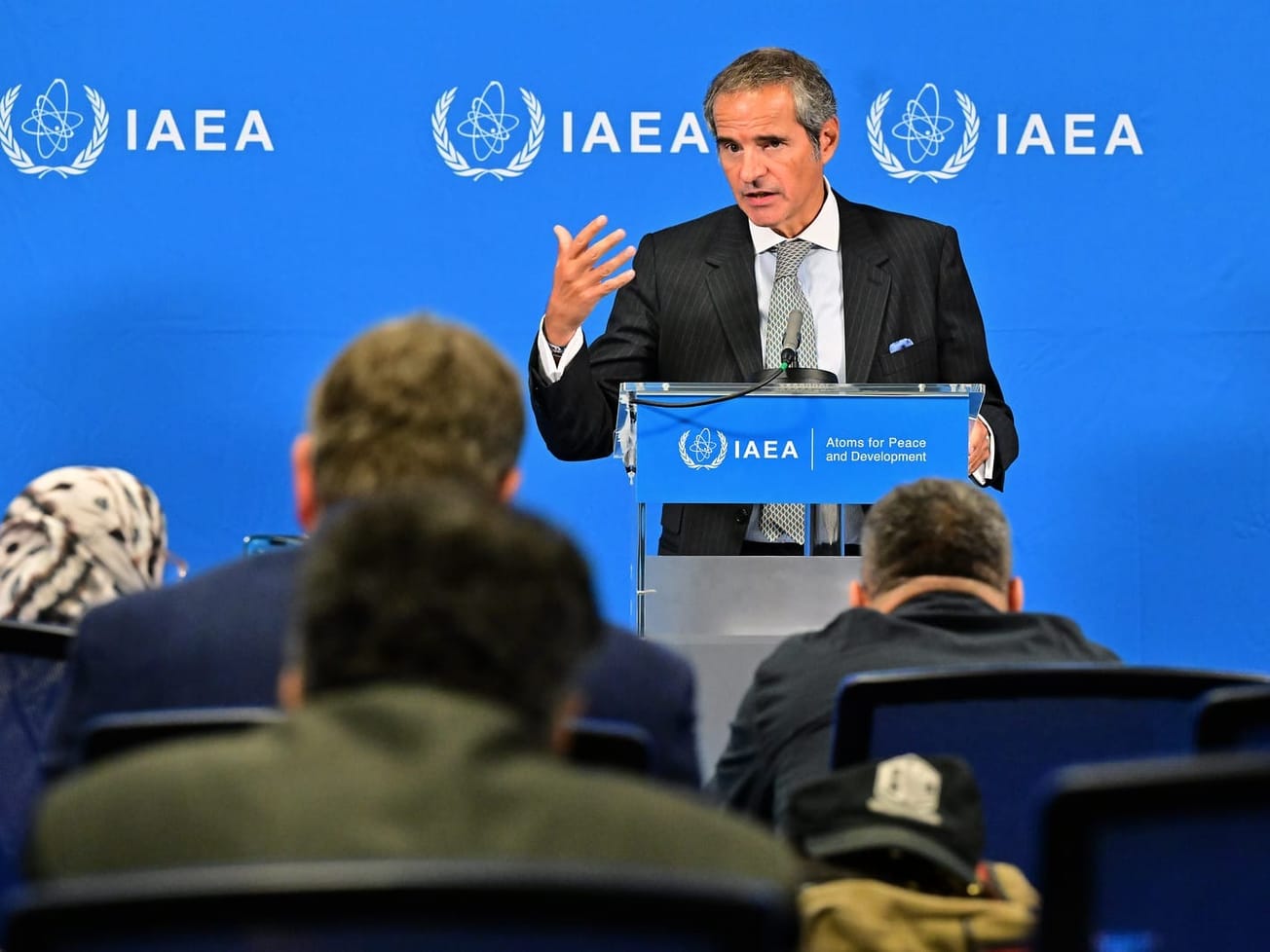
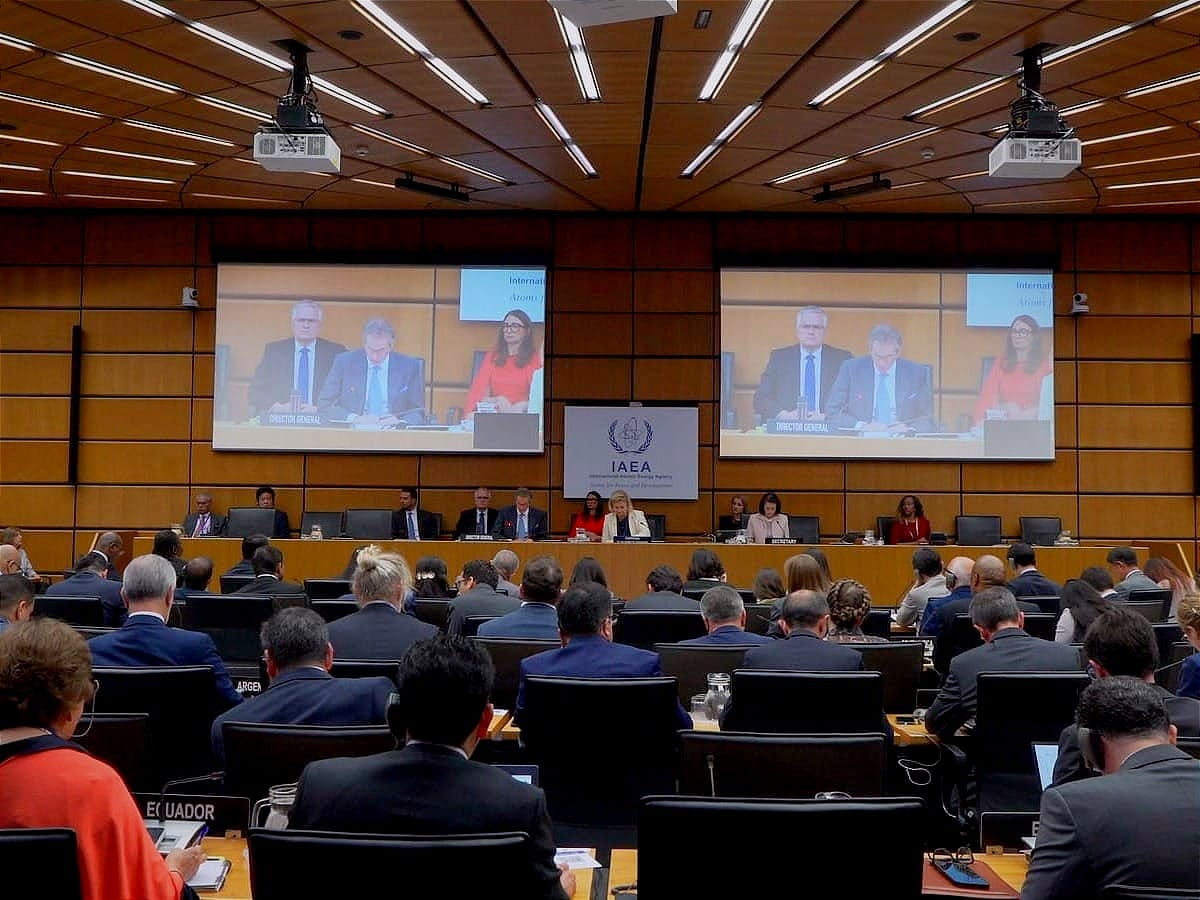
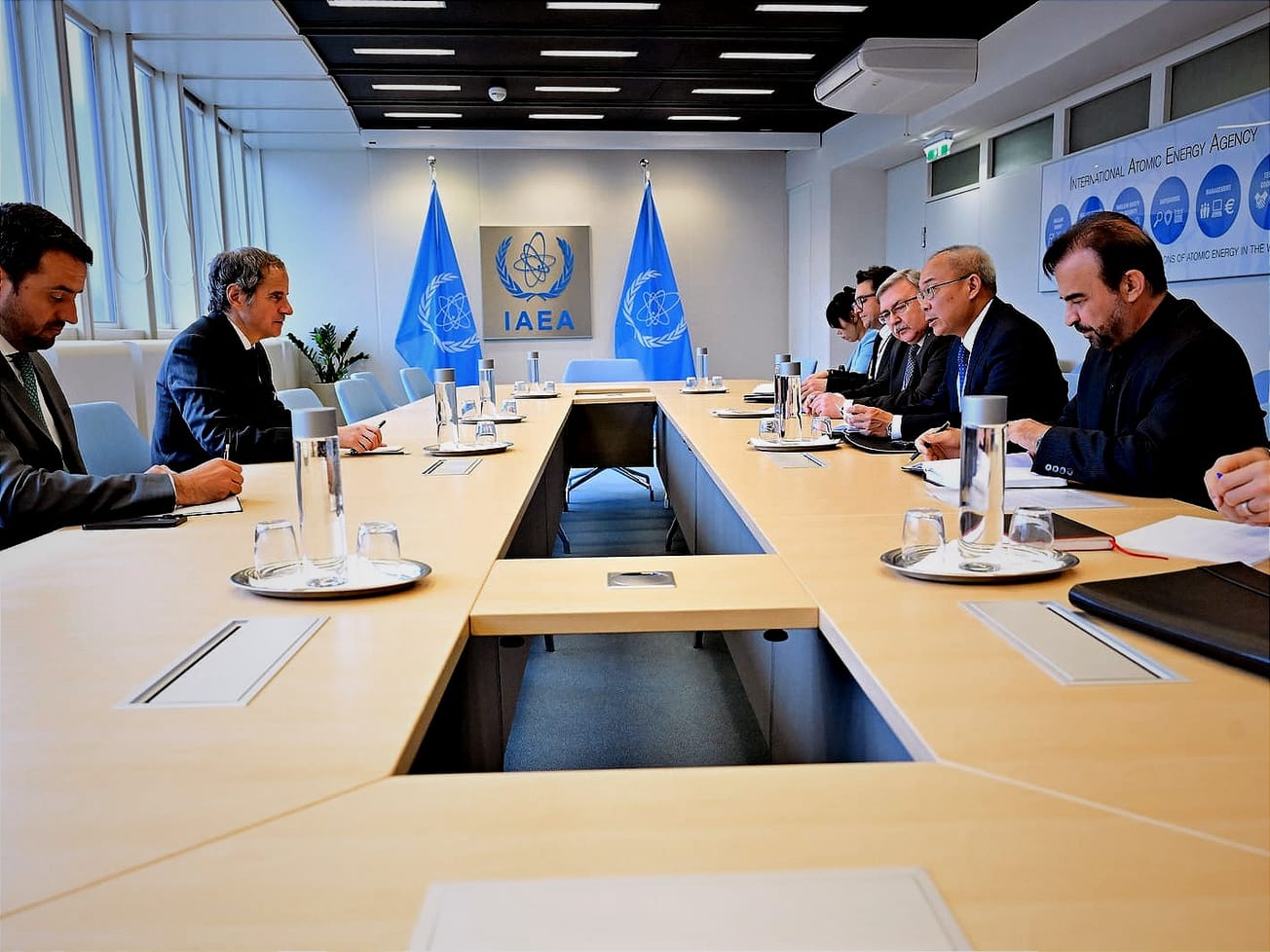
The International Atomic Energy Agency (IAEA) is an autonomous U.N. organization that promotes the peaceful use of nuclear energy and prevents its use for military purposes. Through its safeguards system, it verifies that nations' nuclear programs are exclusively for peaceful uses. The IAEA also works on nuclear safety, security, and the application of nuclear science to help solve global challenges.
Already have an account? Log in
Organizations warn the U.S. and Israeli strikes raise questions over the use of force, civilian protections, nuclear safety.
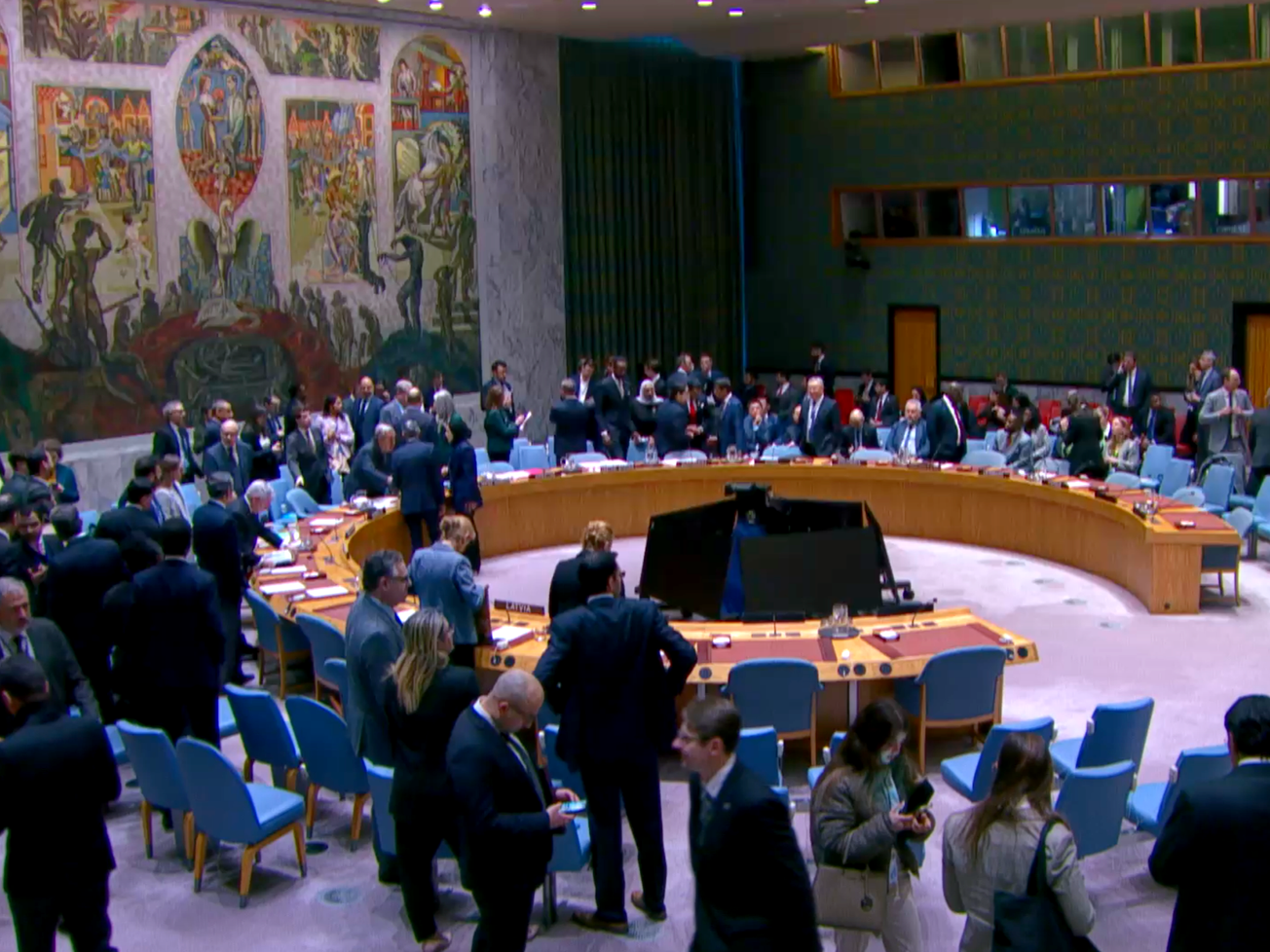
'We are witnessing a grave threat to international peace and security,' the U.N. chief told the U.N. Security Council.
Oman-mediated talks pointed toward technical talks in Vienna days before the U.S. assumes the Security Council presidency.
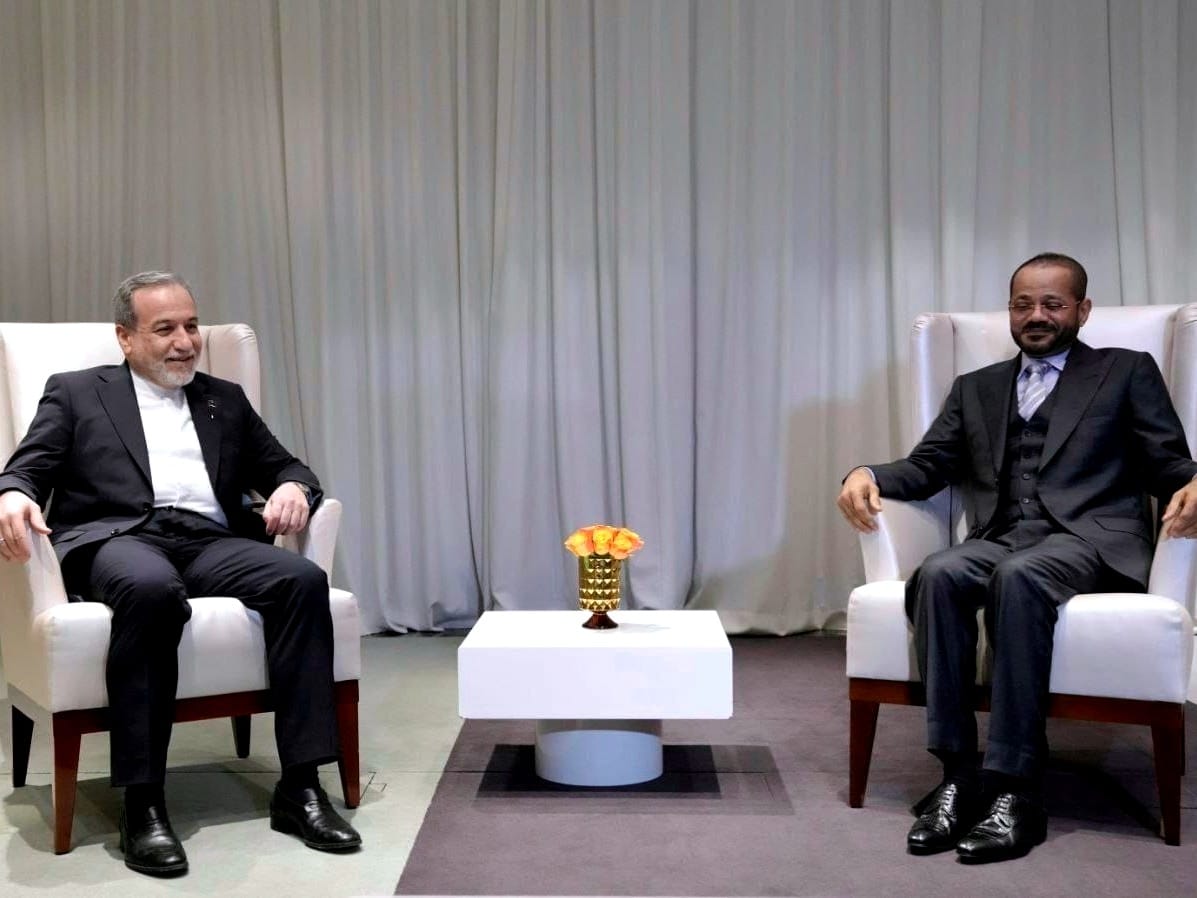
Oman’s foreign minister, who was mediating the urgent talks, said the sides were 'exchanging creative and positive ideas.'
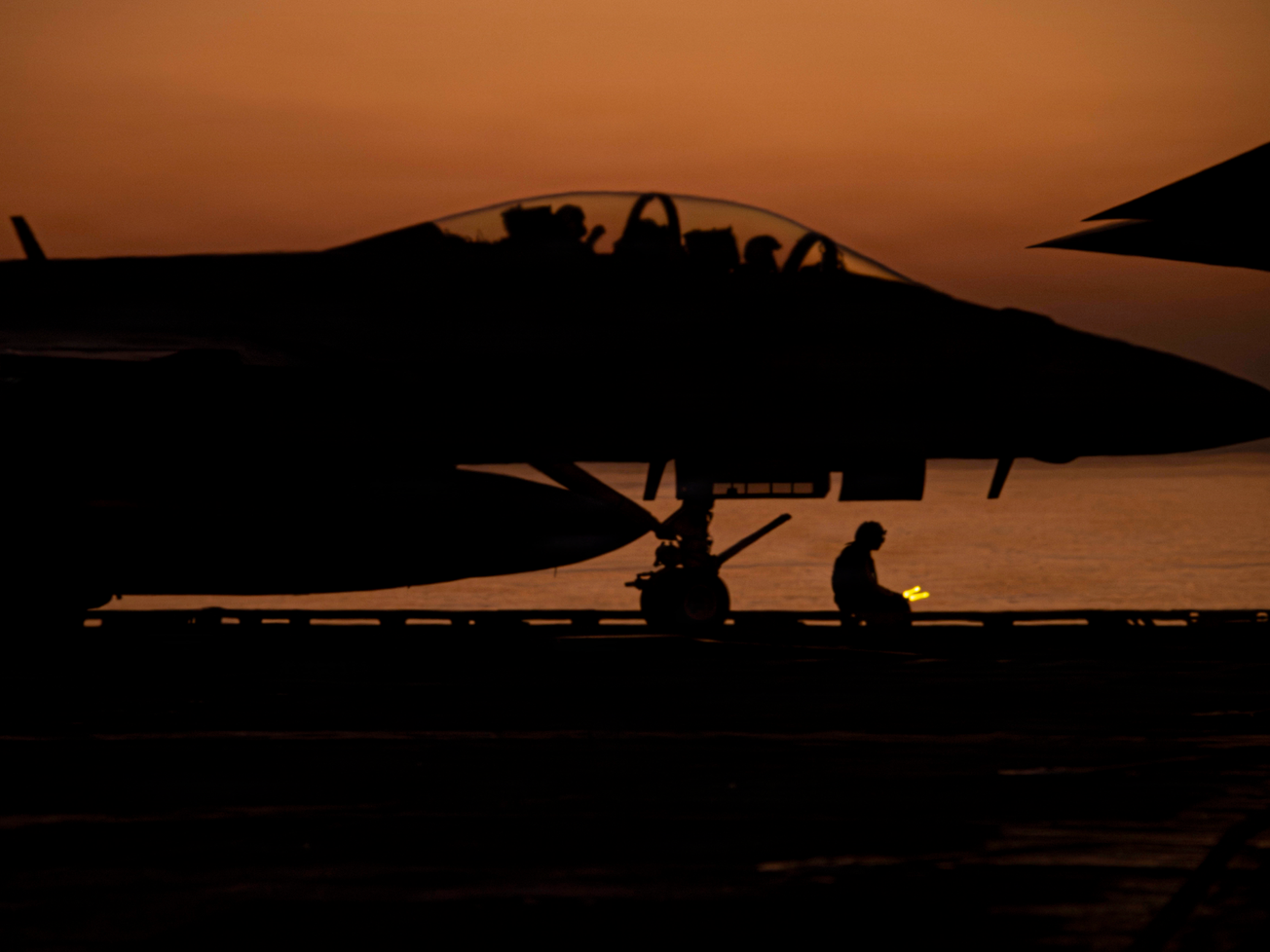
Indirect negotiations mediated by Oman advance despite military signaling and unresolved enrichment dispute.
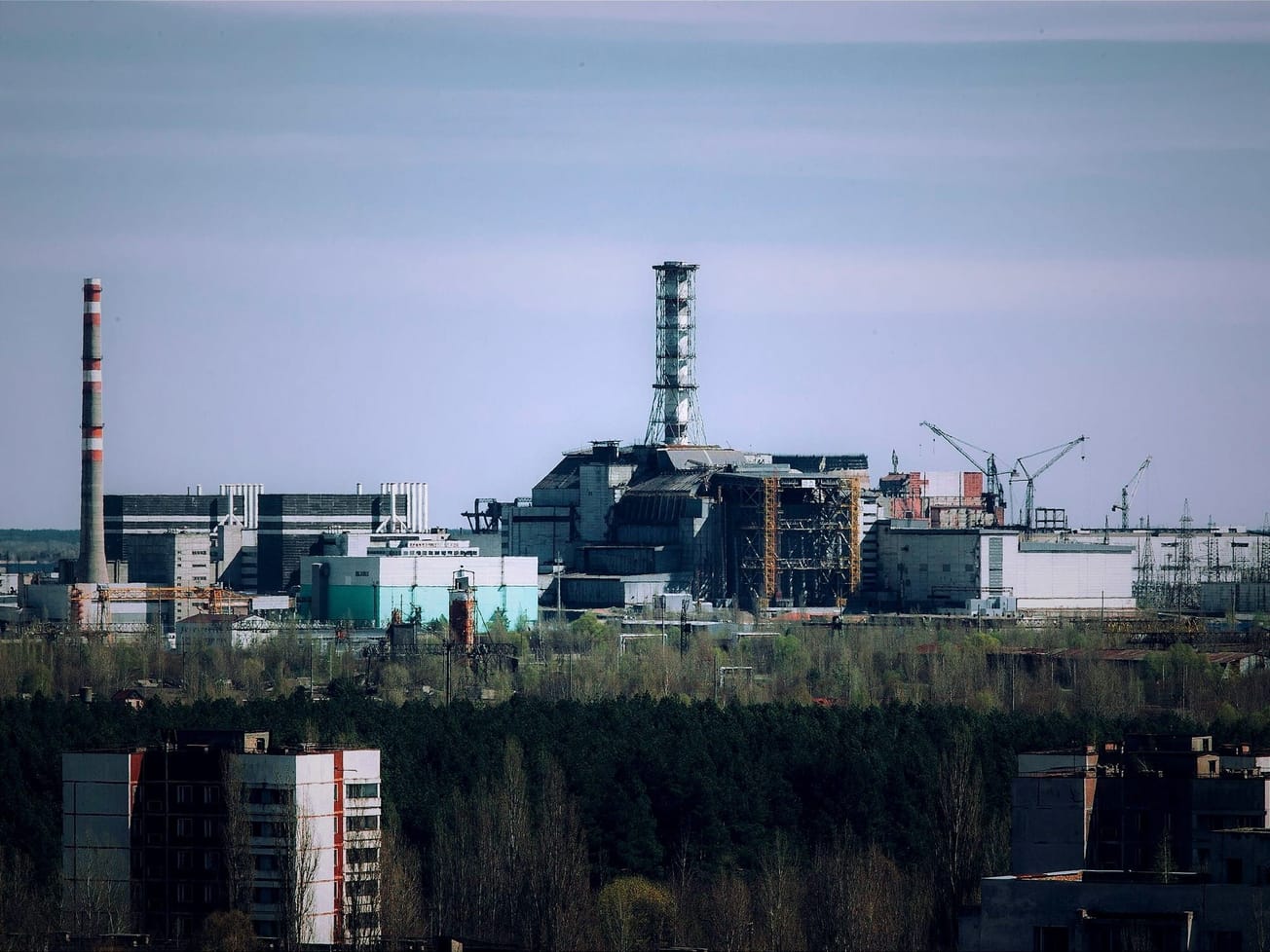
The U.N. nuclear watchdog also sent inspectors to urgently check at least 10 electrical substations in the national grid.
The agreement, a technical document signed in Cairo a day earlier, was initially presented as a crucial breakthrough.
Discussions on broader access for IAEA inspectors are underway, but an agreement has not yet been reached.
Critics say the digital transformation is happening faster than governance can keep up, putting sensitive aid data at risk.
Talks between the E3 and Iran marked their first formal round since the 12-day conflict with Israel and the U.S. in June.
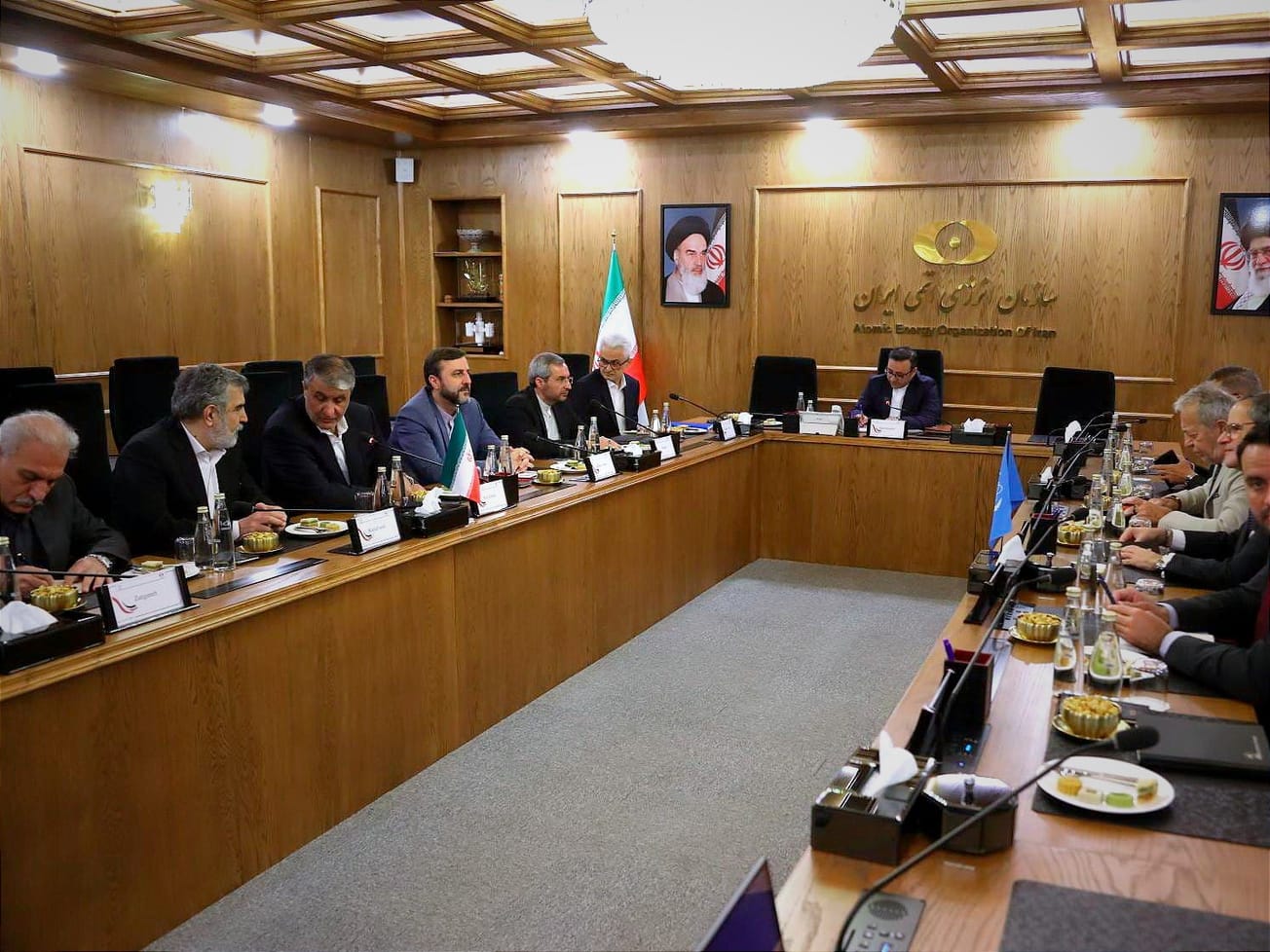
Despite blocking IAEA inspectors from tracking uranium enrichment, Tehran says diplomatic channels remain open.
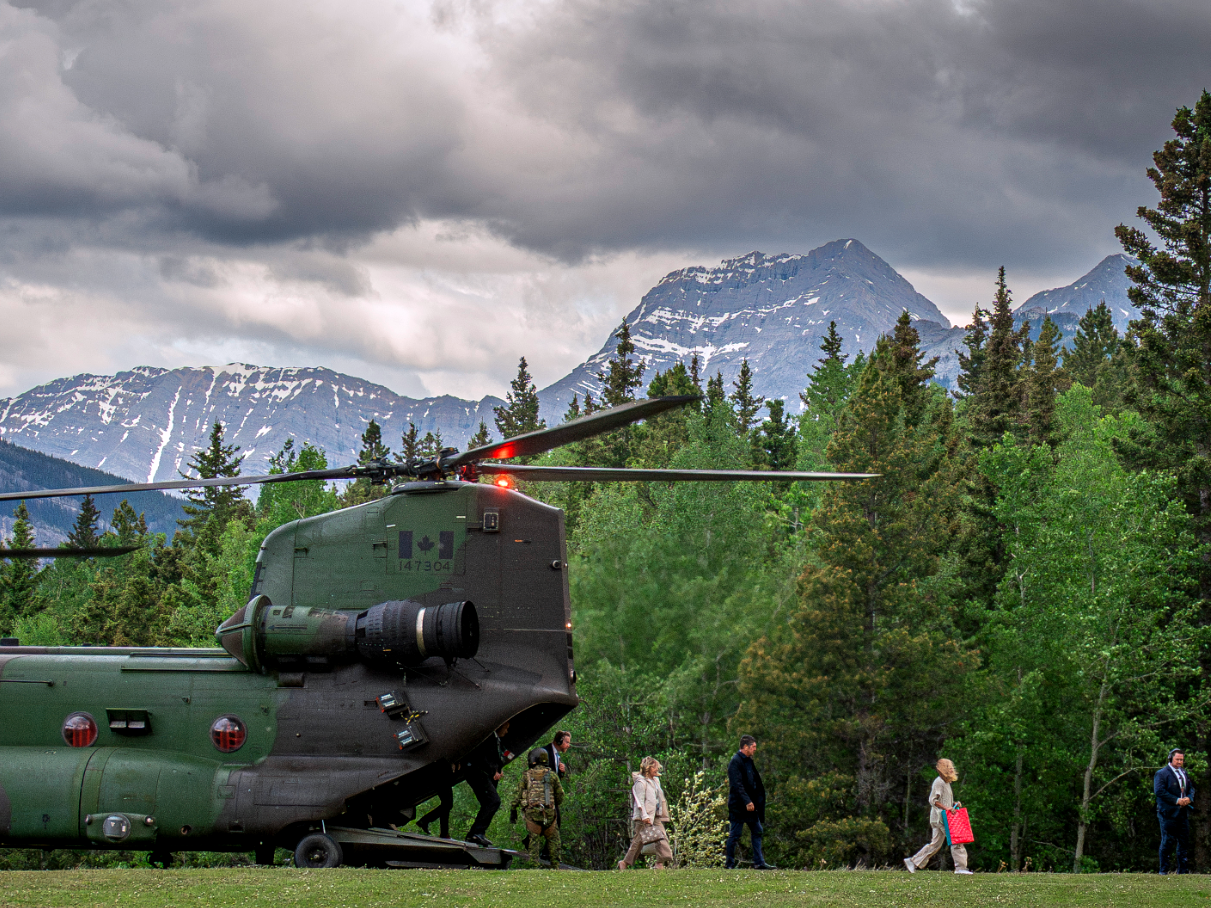
Trump left the summit in Canada early after signing onto a Group of Seven statement on the Middle East he resisted.
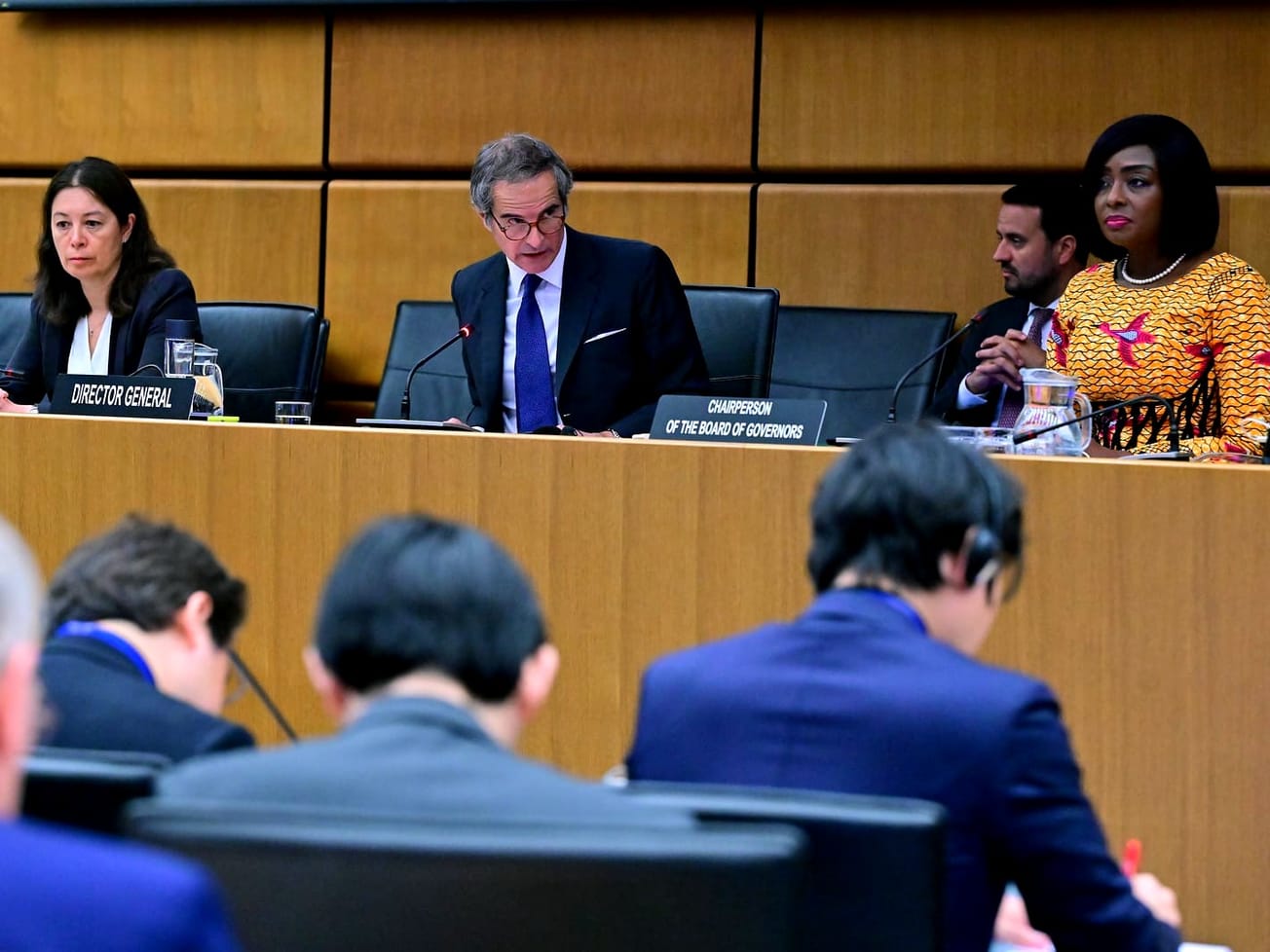
Iran retaliated - and Israel and Iran risked all-out war - after IAEA board's found Tehran breached nonproliferation duties.
Washington and Tehran held a second round of negotiations. The U.N. watchdog said an Iranian atomic bomb is 'not far off.'
From Africa to the Americas, leaders spoke of the need to ensure that policy decisions are more scientifically informed.
The secretive meetings reflect worries about Iran's nuclear program, its military aid to Russia, and Middle East tensions.