The Global South is rethinking AI but not yet controlling it
As governments reframe AI around justice and sovereignty, control over infrastructure and governance is elsewhere.
The strategic use of science and technology in diplomacy is increasingly shaping our lives and helping nations navigate geopolitical tensions and address global challenges. Its modern framework, adopted by leading nations, focuses on using scientific evidence to inform diplomacy and using diplomacy to manage international cooperation and research security as a tool for geopolitical influence.

Already have an account? Log in
As governments reframe AI around justice and sovereignty, control over infrastructure and governance is elsewhere.
Quebec’s network of research chairs turns last year’s UNESCO science diplomacy agenda into funded partnerships.
Direct agreements with developers reflect a shift toward operational oversight as regulatory systems lag behind.
CERN senior scientist Archana Sharma argues for negotiation, credibility and coordination to underpin shared systems.
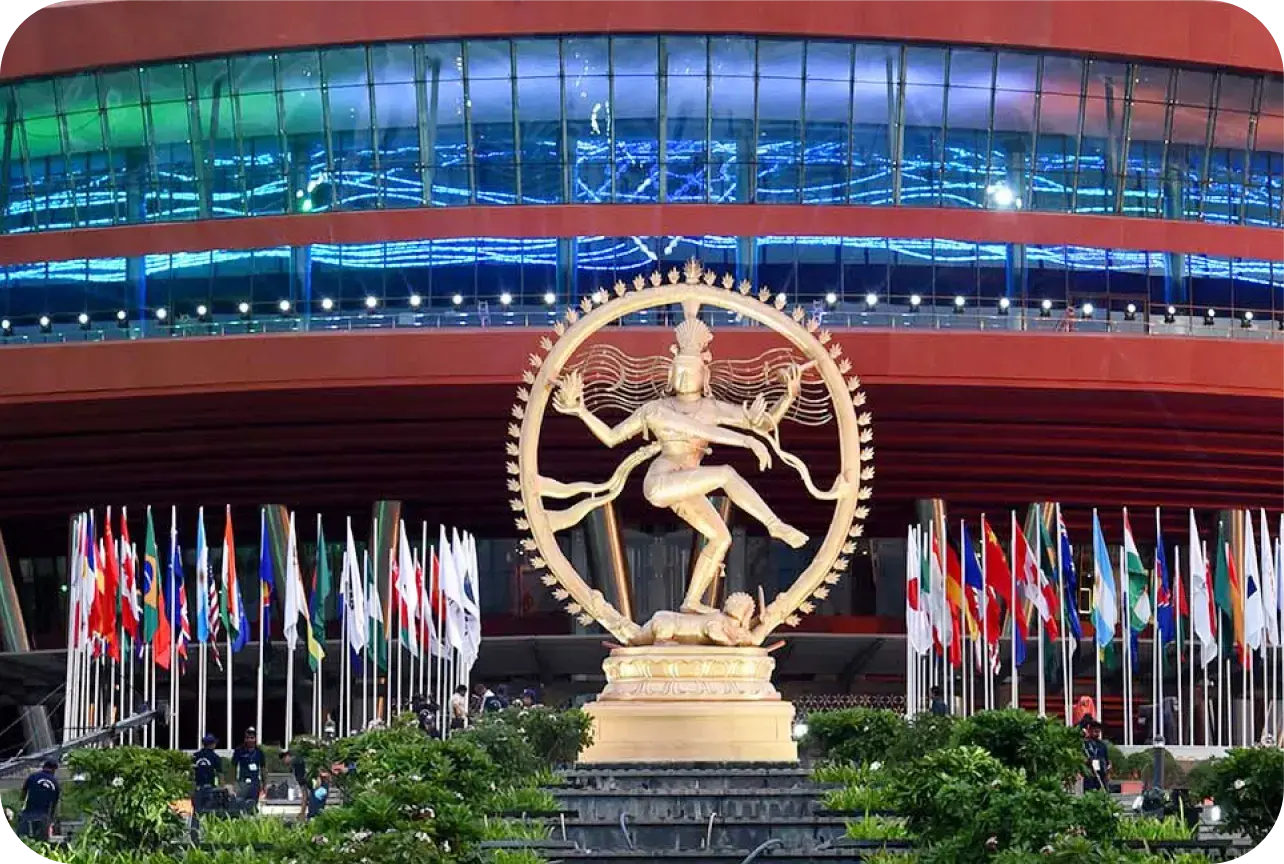
Leaders, multilateral initiatives and defense conflicts all point to the widening gap between capability and governance.
The successful transport of antimatter may mark the beginning of a more distributed model of scientific research.
The International Science Council president says the gap between scientific and political cultures is a major challenge.
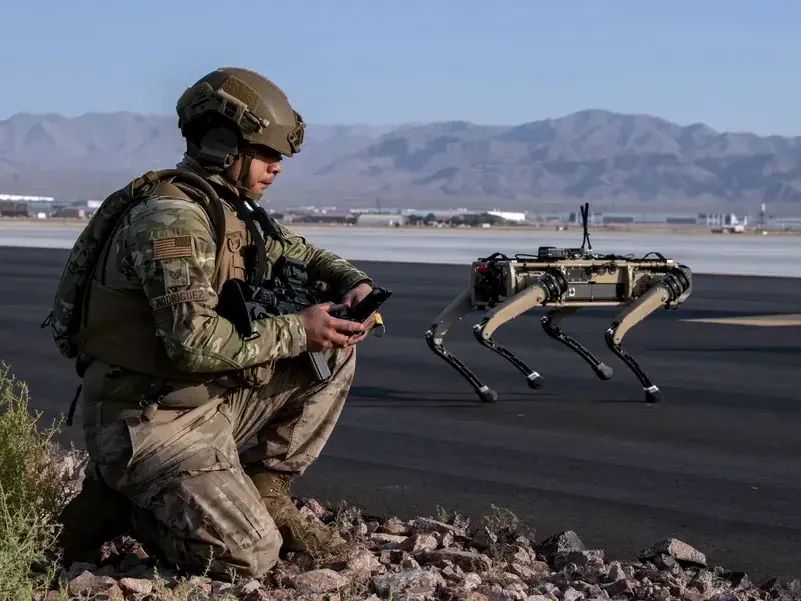
As the Pentagon seeks sovereign authority, the U.N. advances redistribution, dialogue and shared technical baselines.
New European Commission proposal would establish an E.U. framework linking research to diplomatic and other priorities.
Science authority, political dialogue and capacity funding assembled in parallel as an alternative to formal rule-making.
Forty proposed panel members submitted for approval would serve in their personal capacities for a three-year term.
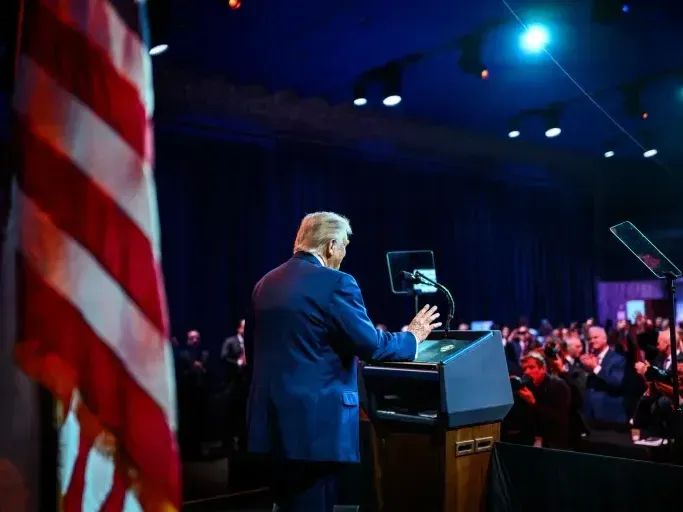
Trump's order signals further retreat from global cooperation and a dismantling of science diplomacy infrastructure.
The rapid, unchecked proliferation of AI is set to trigger new inequities based on vast discrepancies in national readiness.
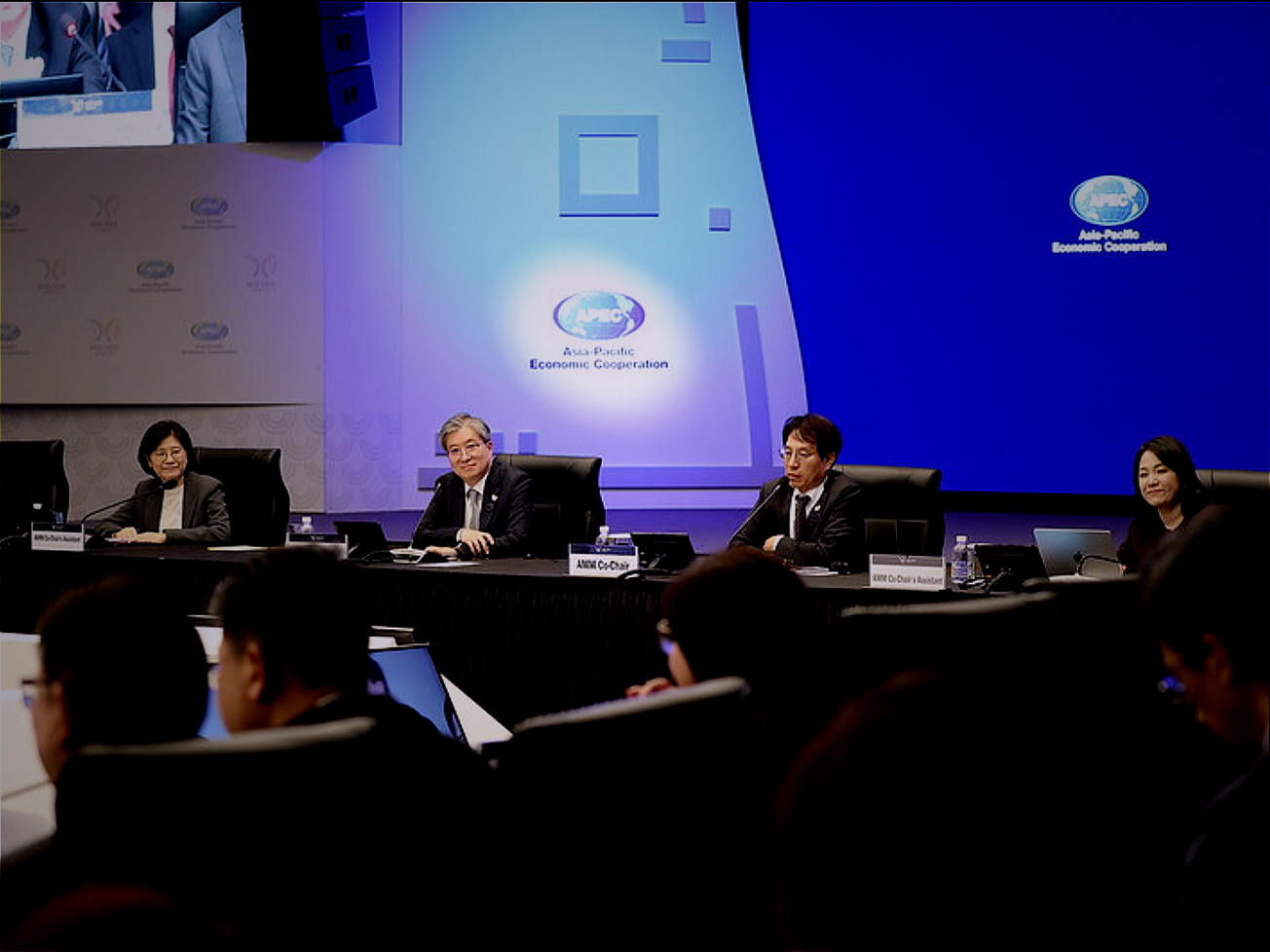
At APEC, China pushed to create a new rules-based global organization on AI, possibly headquarted in Shanghai.
The agreement establishes the first universal legal framework for international cooperation against digital offenses.
The U.N. General Assembly's formal launch of new AI governance bodies is poised to reshape the technology sector.