Skip to content

Security disputes and U.N. efforts raise pressure for global AI rules

Leaders, multilateral initiatives and defense conflicts all point to the widening gap between capability and governance.

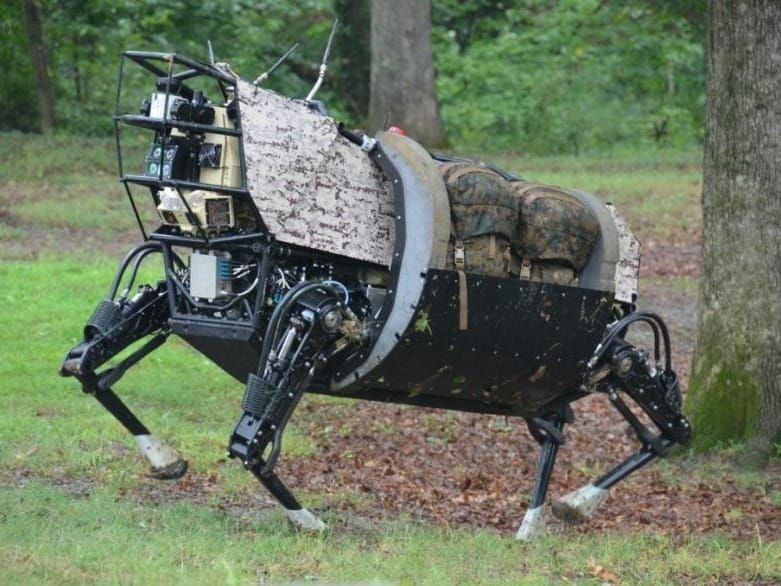
The U.S. military's mobile robot LS3 was designed to be saddled with a load. It was abandoned in 2015 after field trials found it to be too noisy.
The U.S. military's mobile robot LS3, or Legged Squad Support System, was designed to be saddled with a load and integrated with a squad of Marines or soldiers. It was abandoned in 2015 after field trials found it to be too noisy. (DARPA)

GENEVA (AN) — Pressure is building across diplomatic, political and security arenas to establish guardrails for artificial intelligence, as competing approaches to governance emerge and the gap between technological capability and oversight widens.

A group of former heads of government, Nobel laureates and leading scientists, convened by The Elders, called on governments "to manage artificial intelligence with an urgency that reflects both scientific evidence and public concern," warning that current governance frameworks are falling behind rapid advances in the technology.
This article is for paying subscribers only

Join now

Already have an account? Log in

Latest