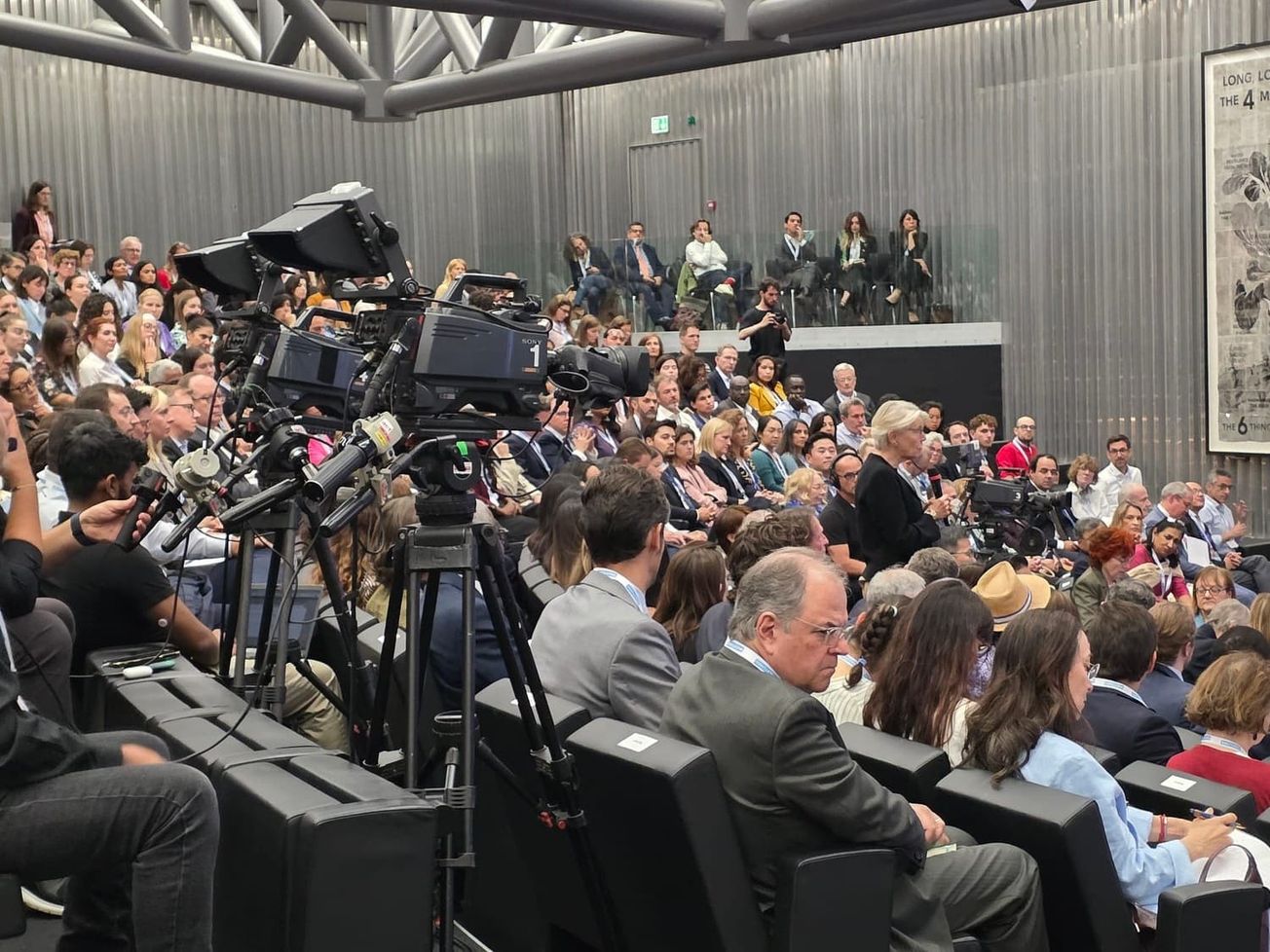

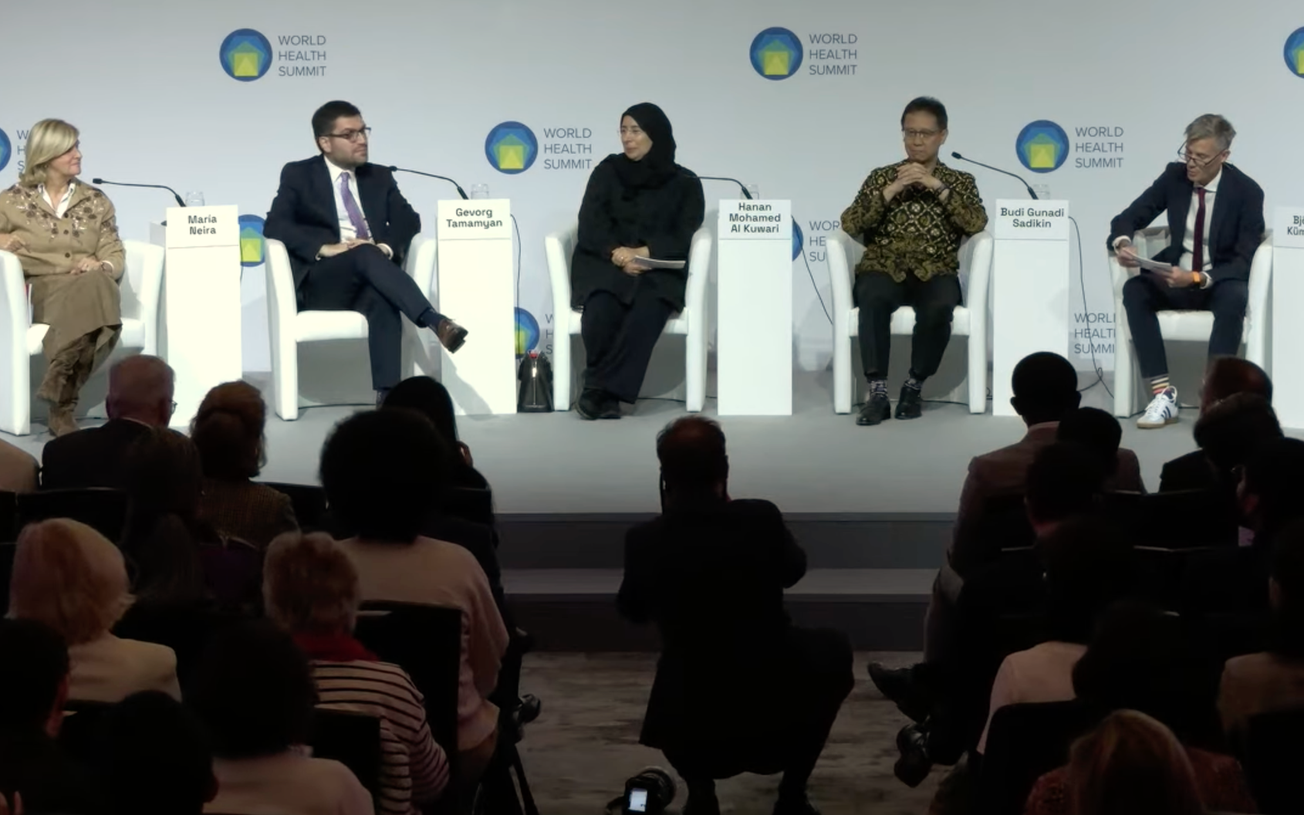
WHO leadership contenders urge major reform as fiscal crisis deepens
Four candidates outline plans to reshape the U.N. health agency, reduce duplication and rebuild global cooperation.
Our team of editors, writers and contributors from around the world, including some of the major hubs for international organizations.
Four candidates outline plans to reshape the U.N. health agency, reduce duplication and rebuild global cooperation.
New report finds U.S. customs changes reduce international shipments and concentrate traffic among fewer countries.
Trade in goods is expected to grow 3.9% in 2026 even as conflict-related disruptions weaken trade in services.
Beijing nominates public health official Song Li to succeed Tedros, joining a seven-way contest at the U.N. health agency.
WWF says conservation successes offer hope but nations must accelerate changes to food, energy and financing.
Costa Rican falls to nine positive votes in fifth straw poll as support declines across the leading candidates.
Budget shortfall puts 8.3 million at risk as registration, child protection and programs for survivors of violence are cut.
UNCTAD calls for mandatory reporting after OpenAI notified the agency of activity targeting its system over 16,000 times.
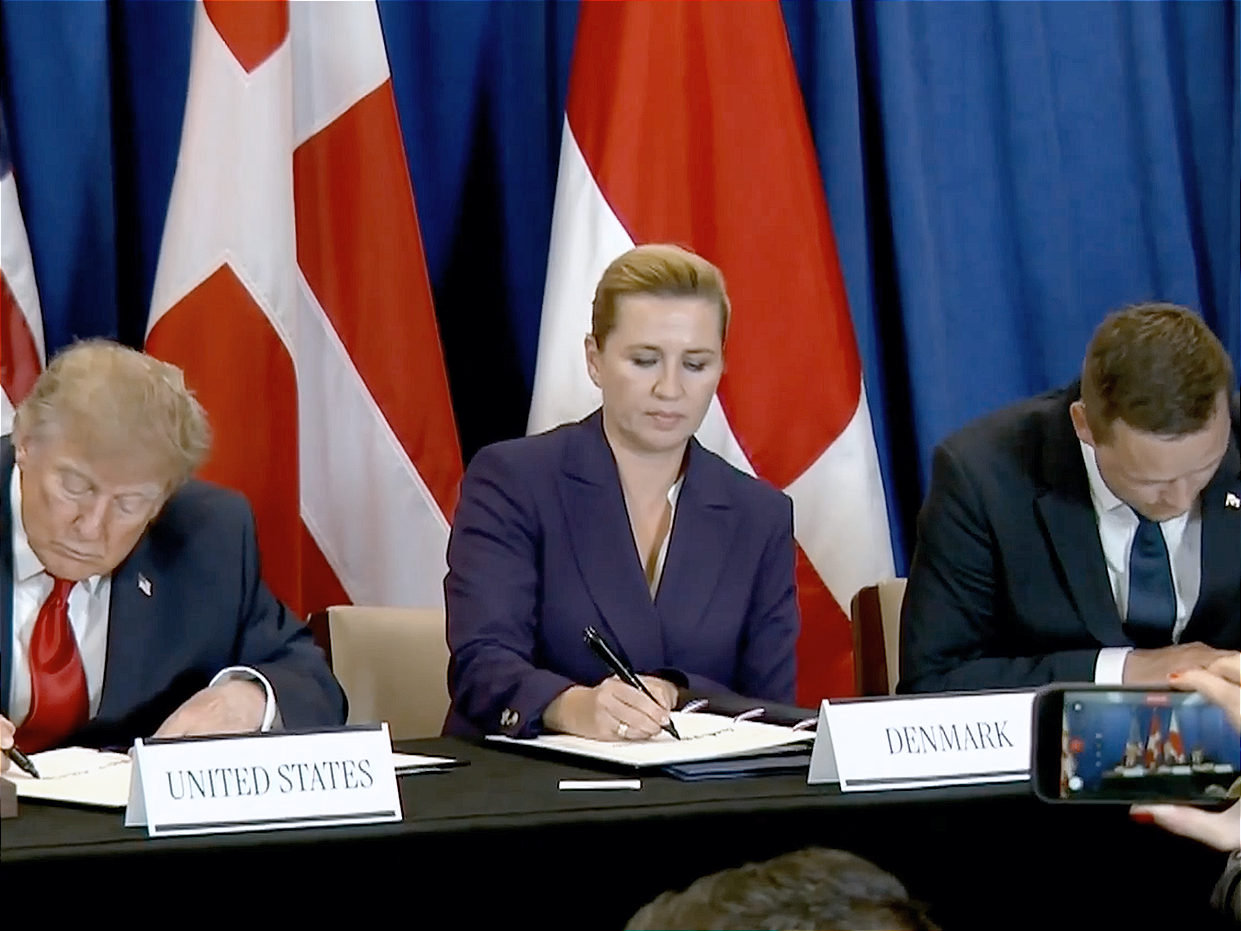
Accord expands American military access and locks out non-NATO forces but stops short of Trump's claim of U.S. ‘control.’
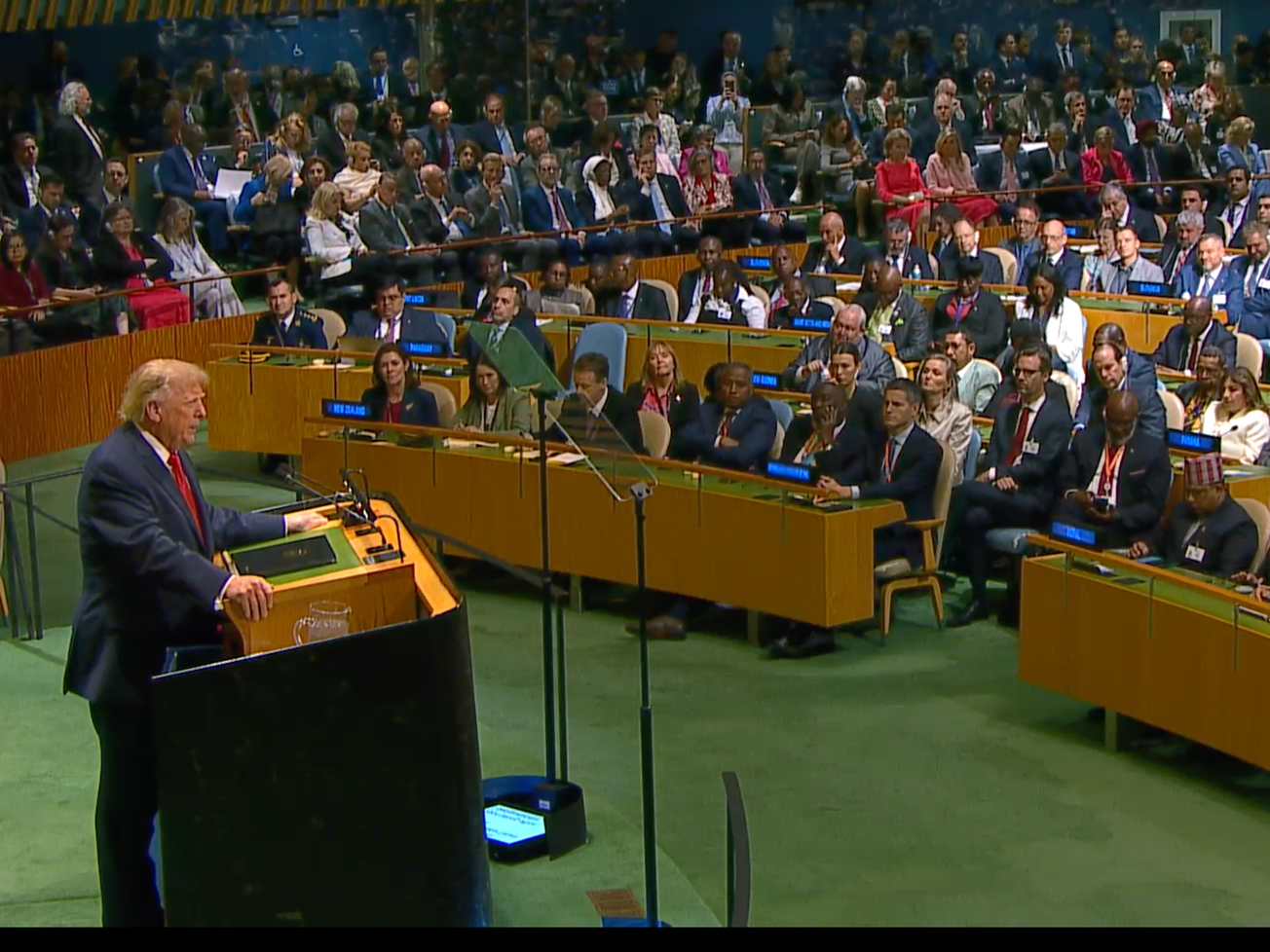
Lula assails Security Council inaction before Trump defends his decision to start Iran war as leaders meet in New York.
Global assessment flags malnutrition, cholera and disease risks as climate pattern collides with wars and hunger.
Geneva pilot finds strong substantive reporting but source diversity and explanations of institutional processes lag.
Costa Rican wins nine ‘encourage’ votes in third Security Council straw poll as Bachelet withdrawal narrows the field.
Accord would restrict Russian and Chinese access and expand U.S. military presence while preserving Danish sovereignty
Thousands flee to Djibouti as U.N. agencies warn health services and humanitarian operations are overwhelmed.
Antarctic ozone hole was among smallest in decades, but WMO says ability to track long-term recovery is disappearing.