
Ozone recovery advances as the global monitoring network shrinks
Antarctic ozone hole was among smallest in decades, but WMO says ability to track long-term recovery is disappearing.
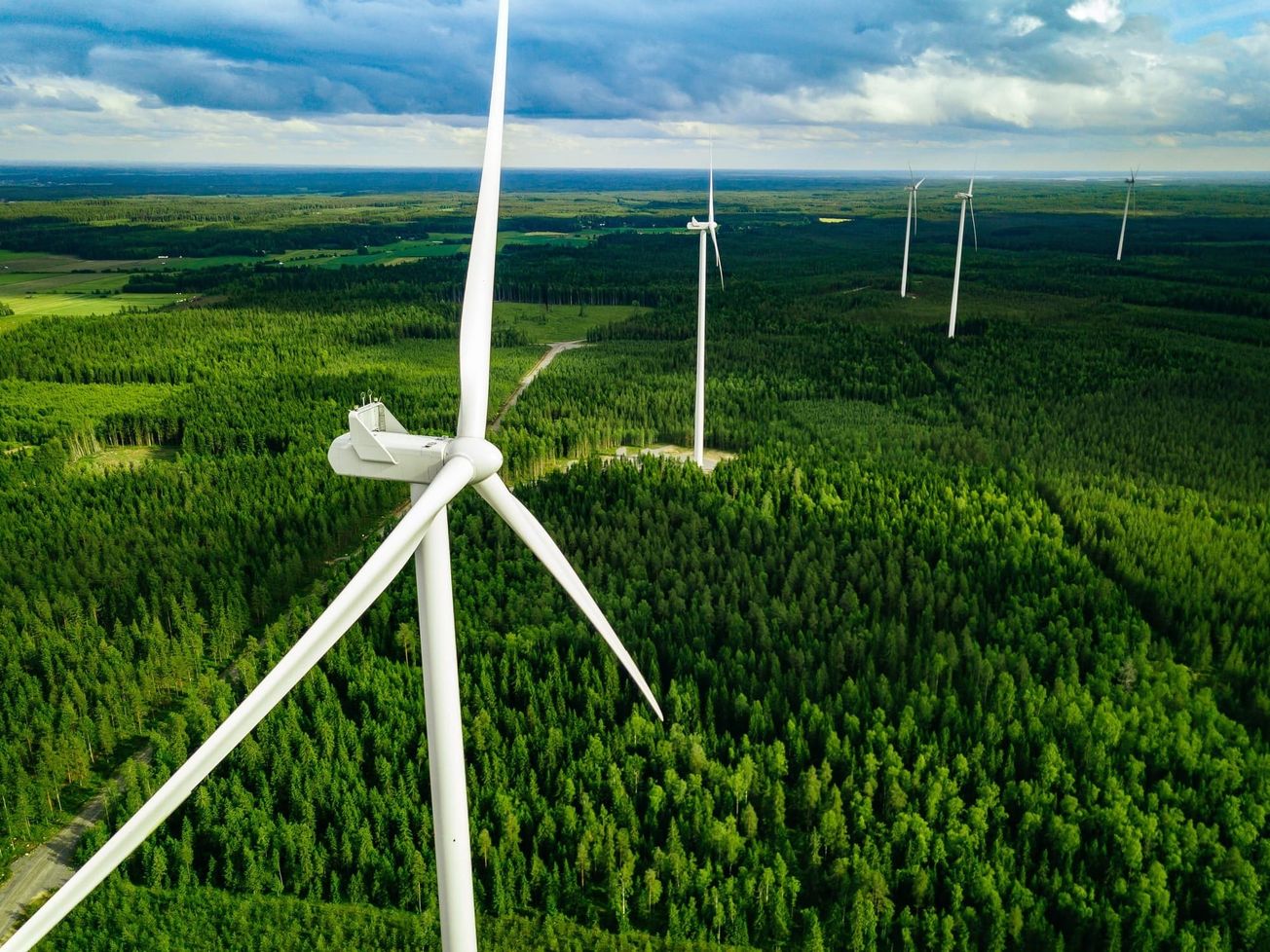
Energy and environment are centrally linked in the global effort to combat climate change and its devastating impacts. The most critical modern challenge is the rapid transition of the global energy system away from fossil fuels toward clean, renewable sources.

Already have an account? Log in
Antarctic ozone hole was among smallest in decades, but WMO says ability to track long-term recovery is disappearing.
U.N. biodiversity chief points to finance and subsidies as hurdles to filling gaps between commitments and targets.
Only $216 million of a $1.3 billion finance portfolio is confirmed as governments seek ways to close a funding gap.
A new flood alert forced evacuations as rescuers seek nearly 1,000 missing people, underscoring the forecasting challenge.
COP17 declaration seeks direct finance and a permanent voice for local governments to turn restoration pledges into action.
Plastics treaty chair offers informal roadmap to resume talks, but environmental lawyers say it sidelines global controls.
A draft report finds both the mission and a longer-term 2050 vision of fighting 'unprecedented' biodiversity loss are at risk.
U.N. report raises questions about who benefits from the next phase of globalization as capital concentrates in key sectors.
Scientists say glacier retreat is starting to reduce the amount of meltwater available during extreme heat and drought.
Data centers could soon require the same amount of drinking water needed by the world's population for about 1.6 years.
Recovering valuable materials from products in circulation is becoming part of industrial and security planning in Brussels.
Move reflects long-running tensions with Saudi Arabia over quotas as Abu Dhabi seeks greater control over output policy.
A global treaty added new safeguards for migratory species, showing the limits of conservation built around countries.
New dataset aims to align national policies along shared migration routes as biodiversity pressures mount.
The World Bank points to the inability of infrastructure and financing to keep pace, particularly in lower-income nations.
More than 150 governments approve science-policy report showing that current incentives drive biodiversity loss.