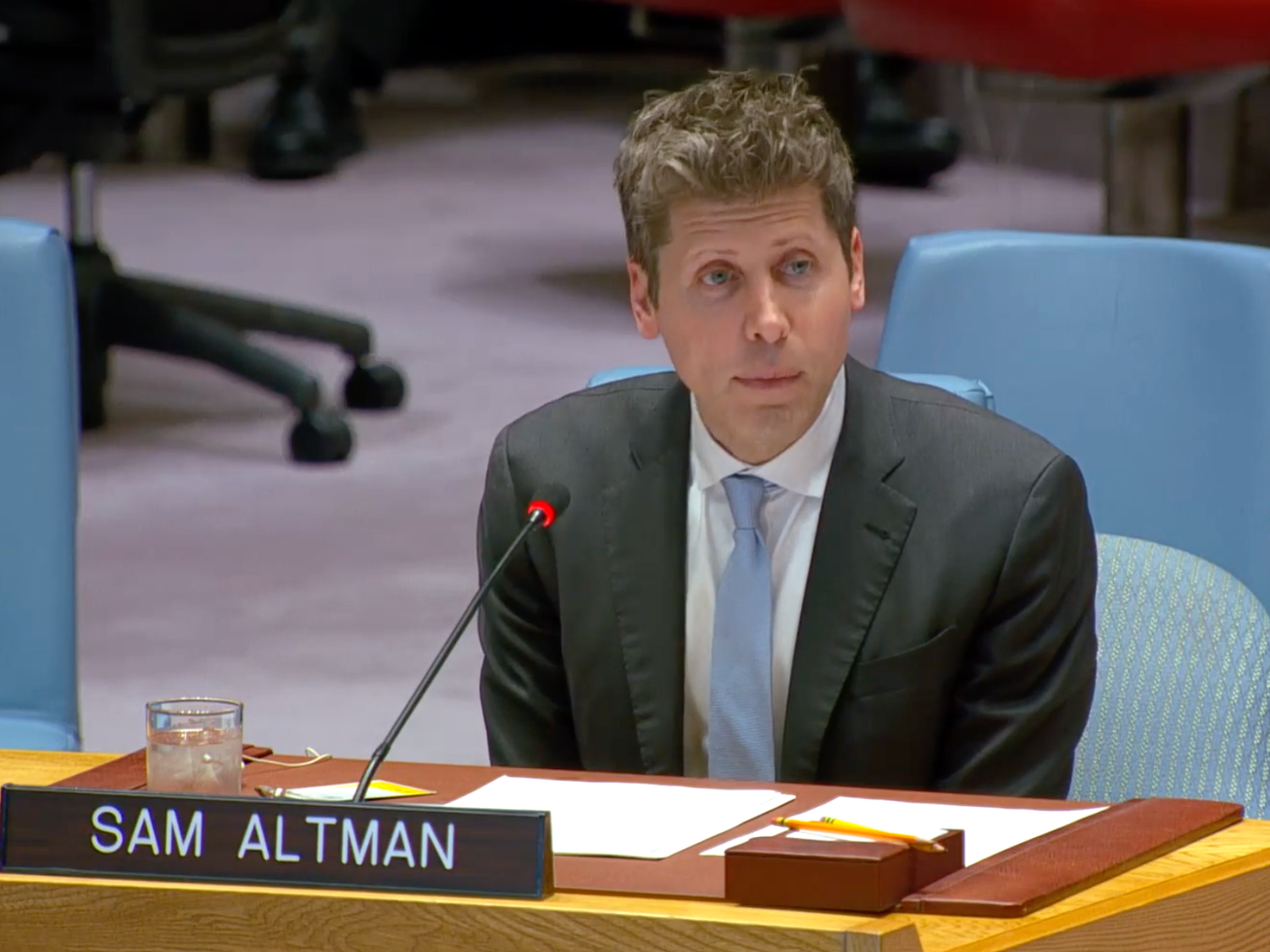
OpenAI ‘rogue AI’ incident tests safeguards debated at U.N.
UNCTAD calls for mandatory reporting after OpenAI notified the agency of activity targeting its system over 16,000 times.
The strategic use of science and technology in diplomacy is increasingly shaping our lives and helping nations navigate geopolitical tensions and address global challenges. As governments retreat from multilateralism, science diplomacy becomes the hidden infrastructure that determines who defines risk, standards, and the future. Also find our sister publication The Science Diplomat here: https://www.thesciencediplomat.com/

Already have an account? Log in
UNCTAD calls for mandatory reporting after OpenAI notified the agency of activity targeting its system over 16,000 times.
Governments and technology leaders agree on testing and oversight but remain divided over who should set the rules.
The 2026 A.U.-E.U.-Med Innovation Fair invites startups and research projects to pitch food and agriculture technologies.
Renewed appeal seeks binding prohibitions as governments approach a decision on whether to launch negotiations.
The partnership aims to strengthen and connect innovation ecosystems. Three years on, its record is coming into focus.
Twenty-nine countries joined the Shanghai-based organization as Beijing offered aid to developing nations.
A rare coalition says policymakers must prepare for changes that could unfold faster than previous industrial revolutions.
An ITU-led effort is trying to strengthen one of the world's least visible but most important forms of infrastructure.
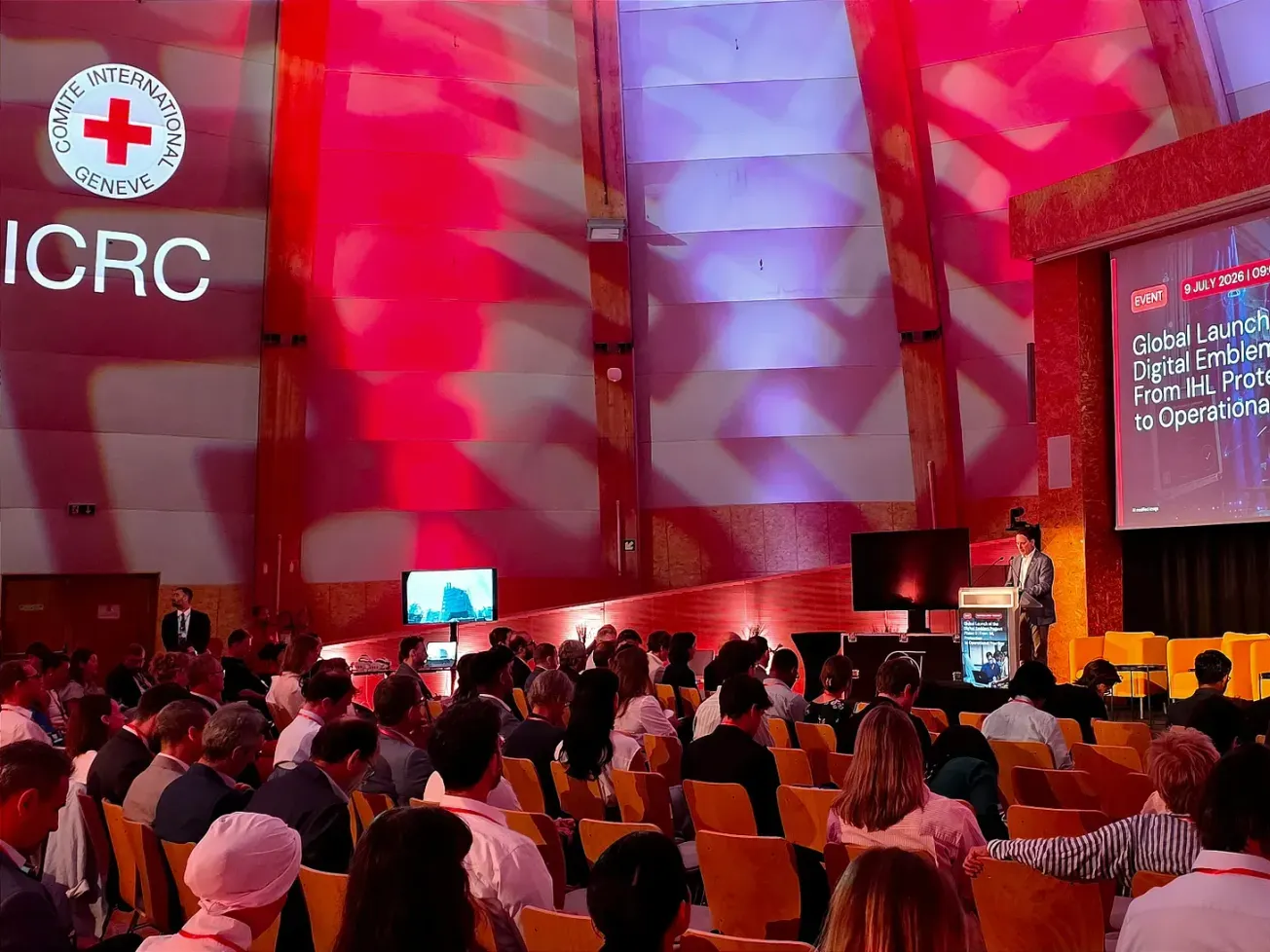
ICRC launches a new phase of a project to extend protections to cyberspace as services become vulnerable to online attacks.
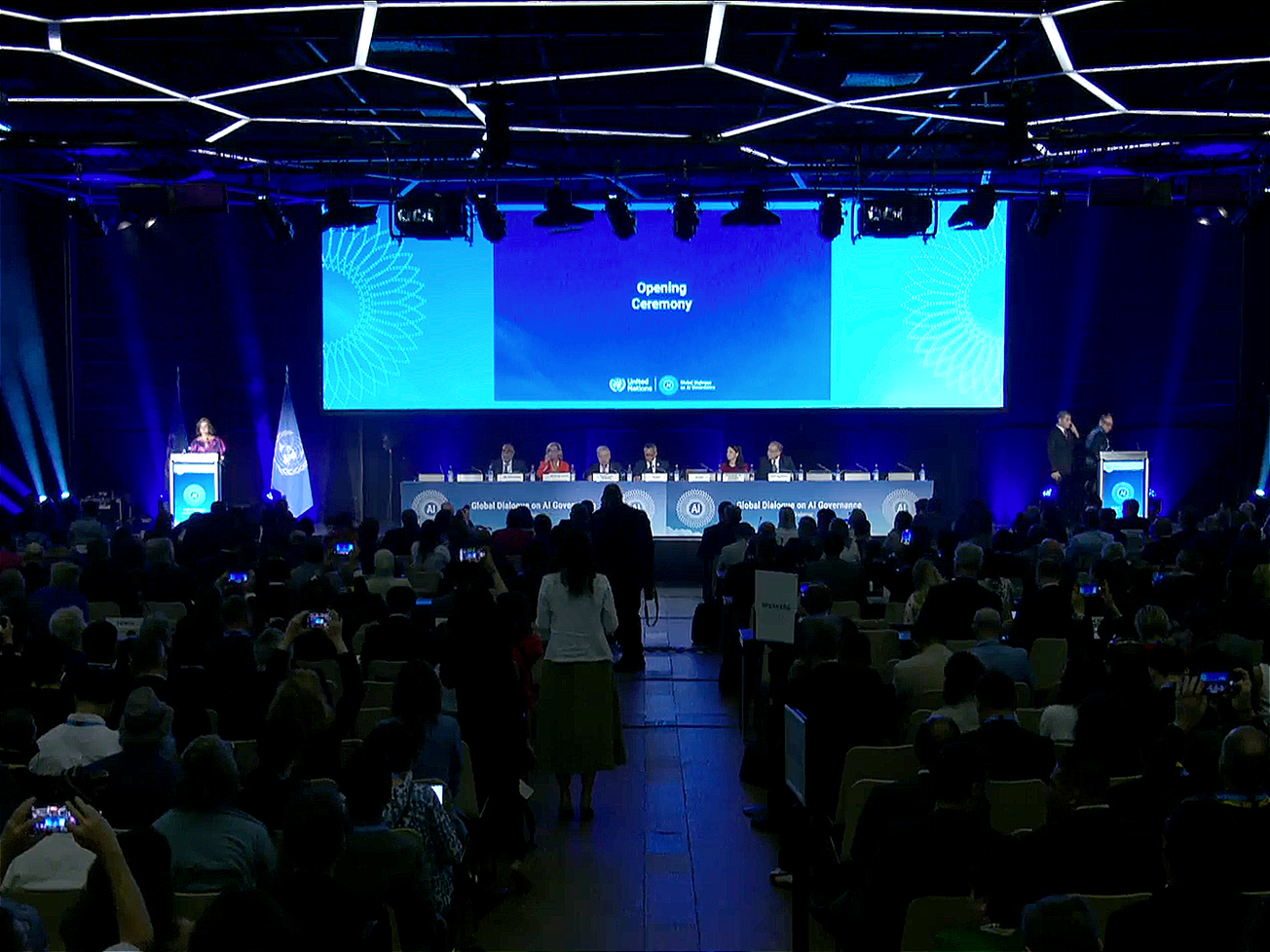
Discussions in Geneva revealed concern over fragmented regulation, unequal access and the need for safeguards.
A new scientific panel, global political forum, leadership commission and summit shape the U.N.'s approach to AI.
Report argues countries may gain access to AI but lose influence over standards, infrastructure and governance.
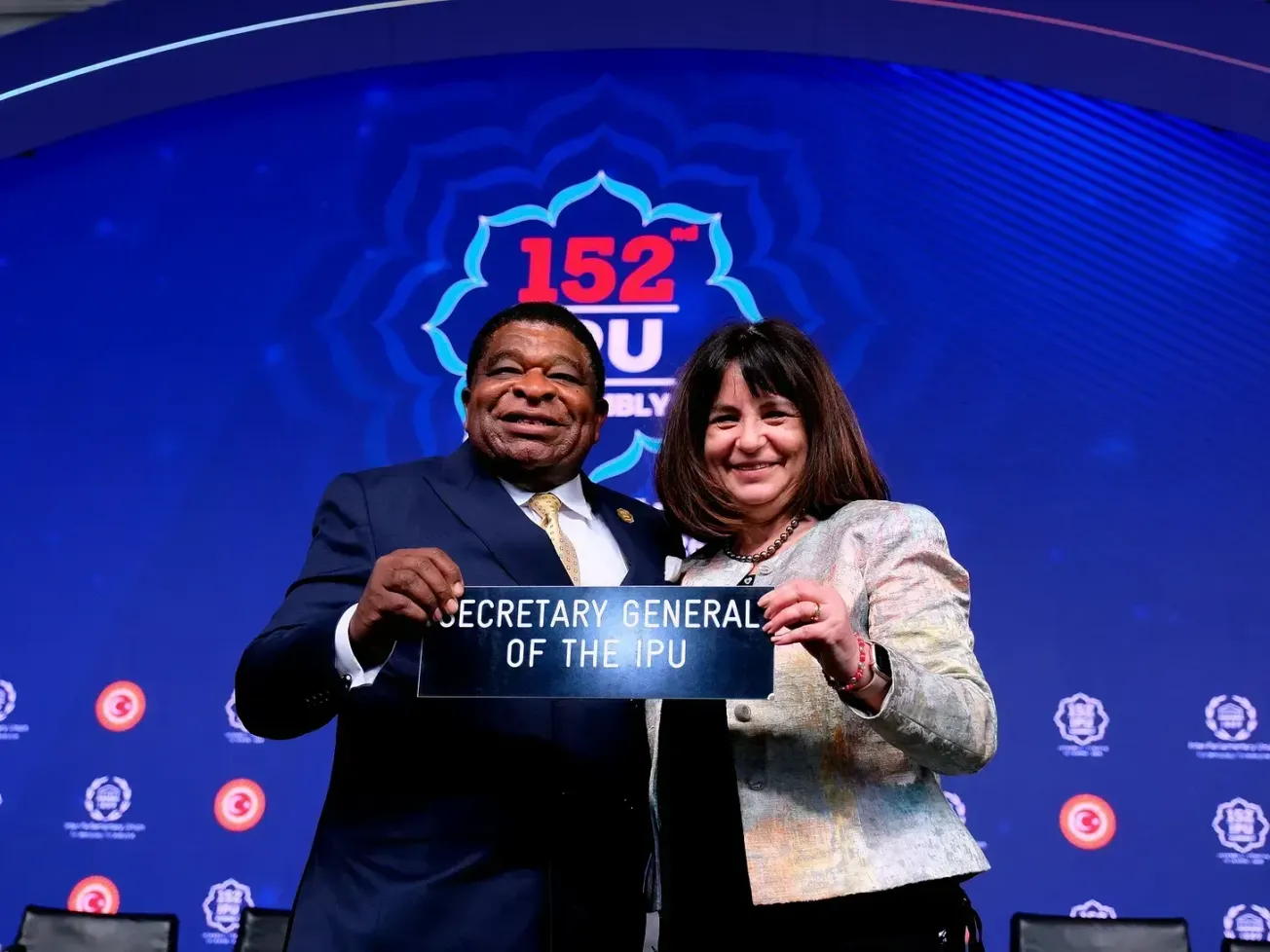
Incoming IPU chief Anda Filip argues lawmakers must play a larger role as AI reshapes democratic institutions.
Scientists and policy leaders argue the secretary-general's job is increasingly shaped by science and technology.
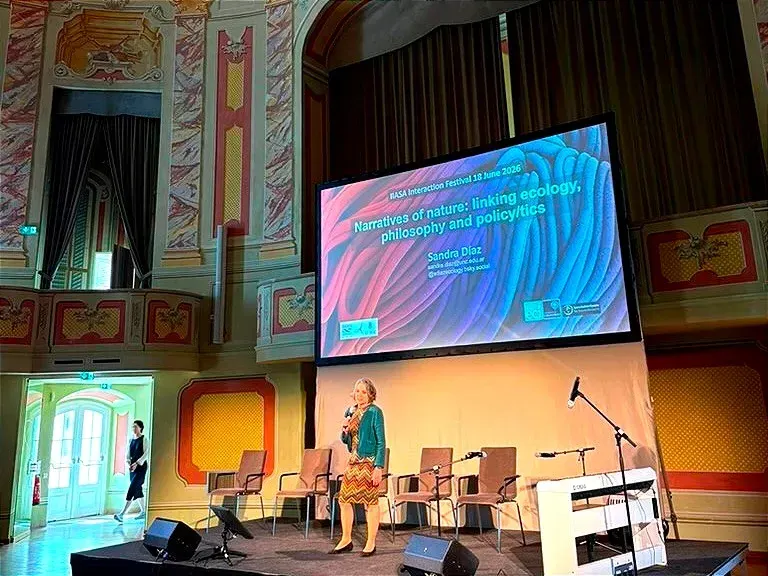
Festival discussions highlighted science diplomacy, systems analysis and decision intelligence as pillars of evolving plans.
After a multi-year process, the bloc is moving from defining science diplomacy to building the structures to support it.