
Grynspan still ahead in U.N. race as Security Council deadlock persists
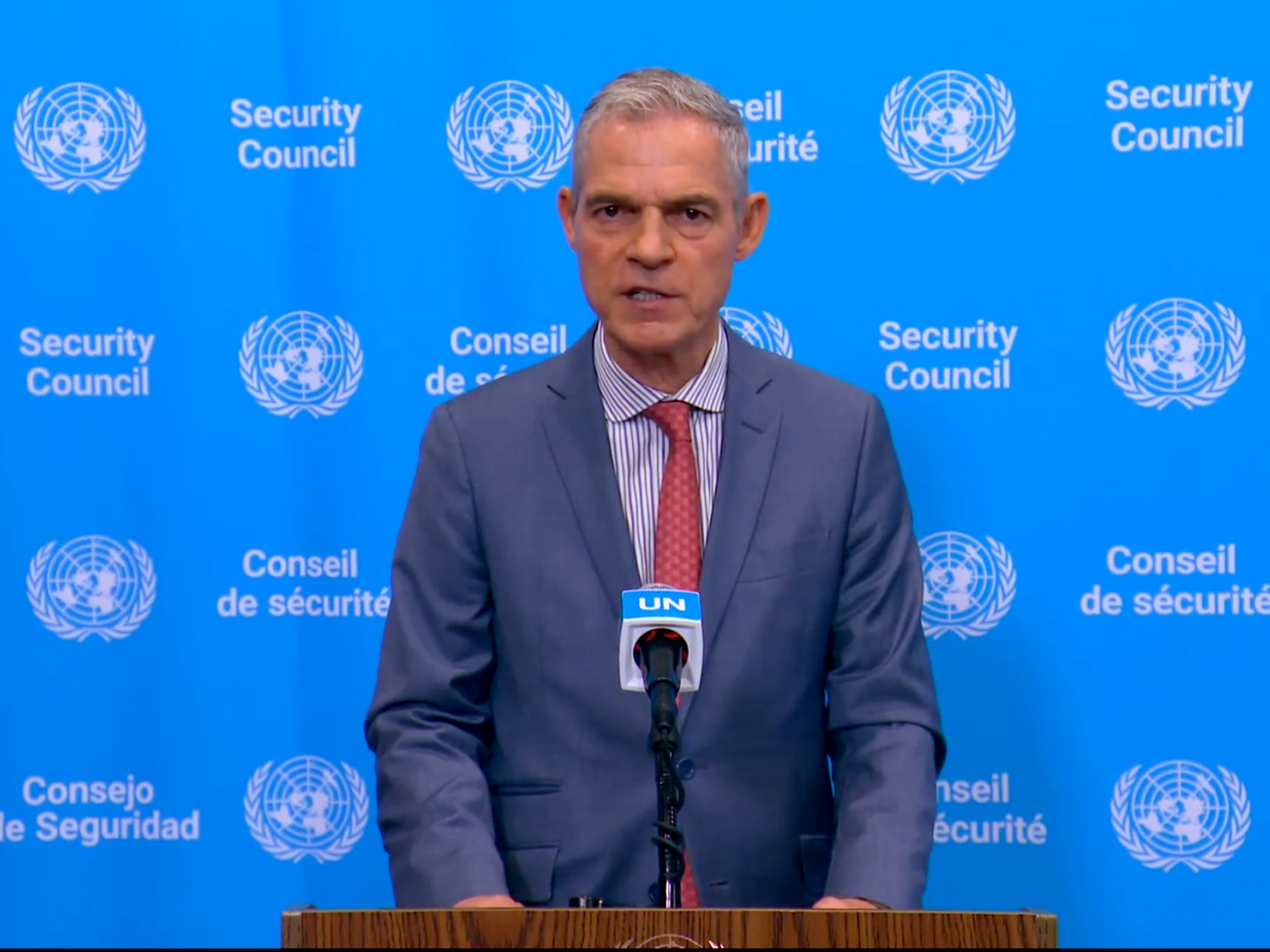
Costa Rican falls to nine positive votes in fifth straw poll as support declines across the leading candidates.
The United Nations is the world's primary forum for diplomacy and peace. Founded in the wake of WWII to prevent global conflict, this organization of 193 member nations now serves as the stage for addressing our most pressing challenges — from climate change to human rights. We cover the U.N.'s policies and efforts to build a more peaceful, just, and prosperous world.
Already have an account? Log in
Costa Rican falls to nine positive votes in fifth straw poll as support declines across the leading candidates.
LinkedIn nears Facebook in median audience as global bodies expand social presence across Bluesky, Instagram and TikTok.
Costa Rican wins nine ‘encourage’ votes in third Security Council straw poll as Bachelet withdrawal narrows the field.
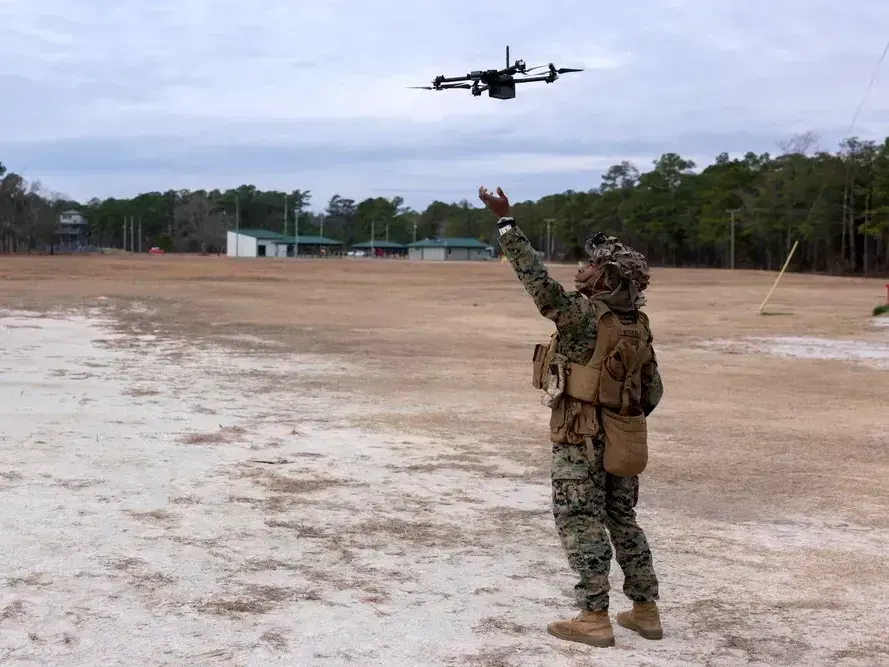
First acknowledgment of U.S. weapons in orbit comes as governments divide over how to prevent a space arms race.
Consolidation of UNITAR and the U.N. System Staff College is expected to generate savings of up to $7 million.
Renewed appeal seeks binding prohibitions as governments approach a decision on whether to launch negotiations.
Washington would release $850 million toward regular and peacekeeping budgets while tying more payments to reforms.
Annual report documents deliberate airstrikes, mass detention and torture as evidence builds for prosecutions.
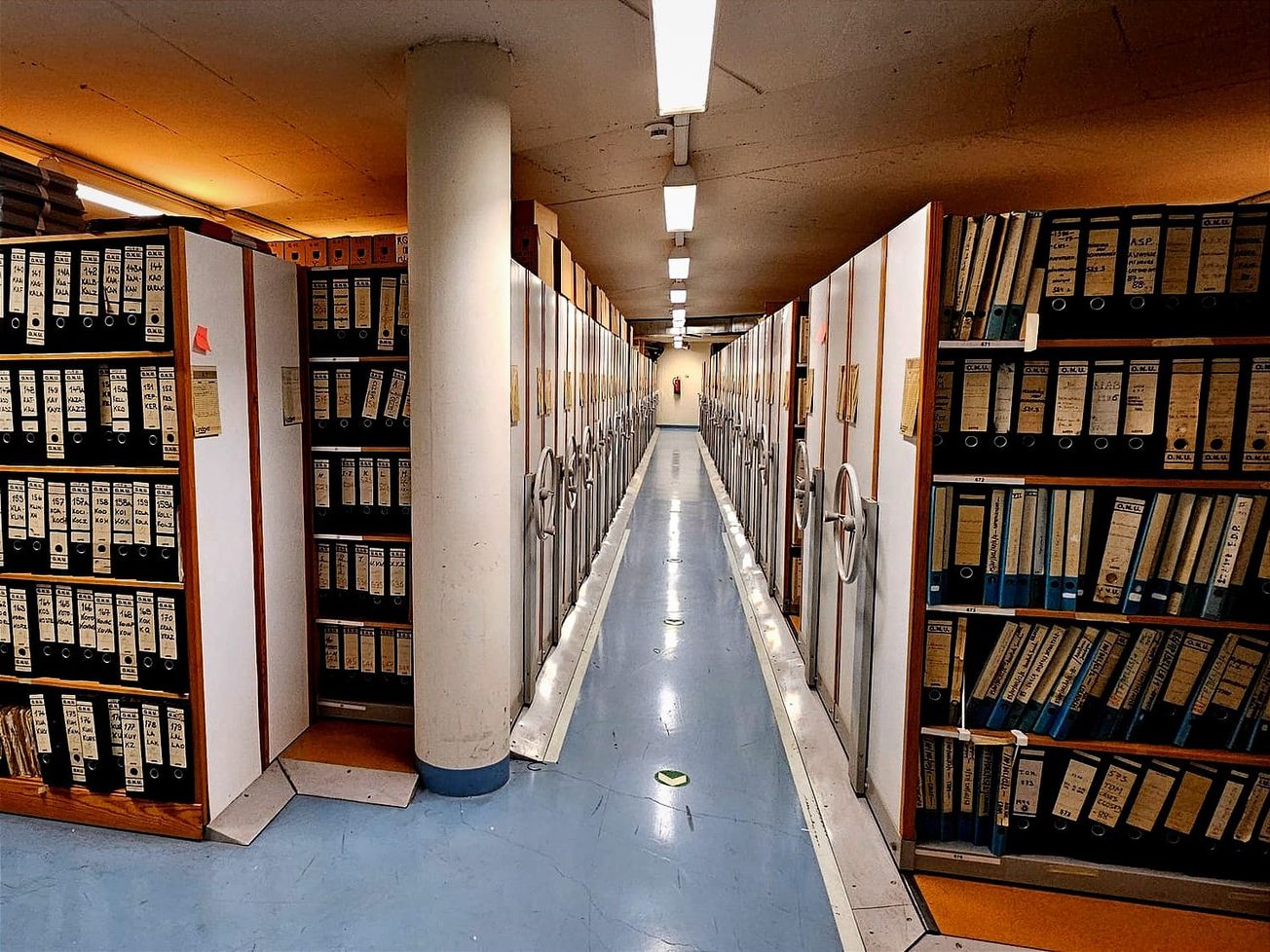
UNHCR's archives are a test case for humanitarians struggling to preserve institutional memory in an era of retrenchment.
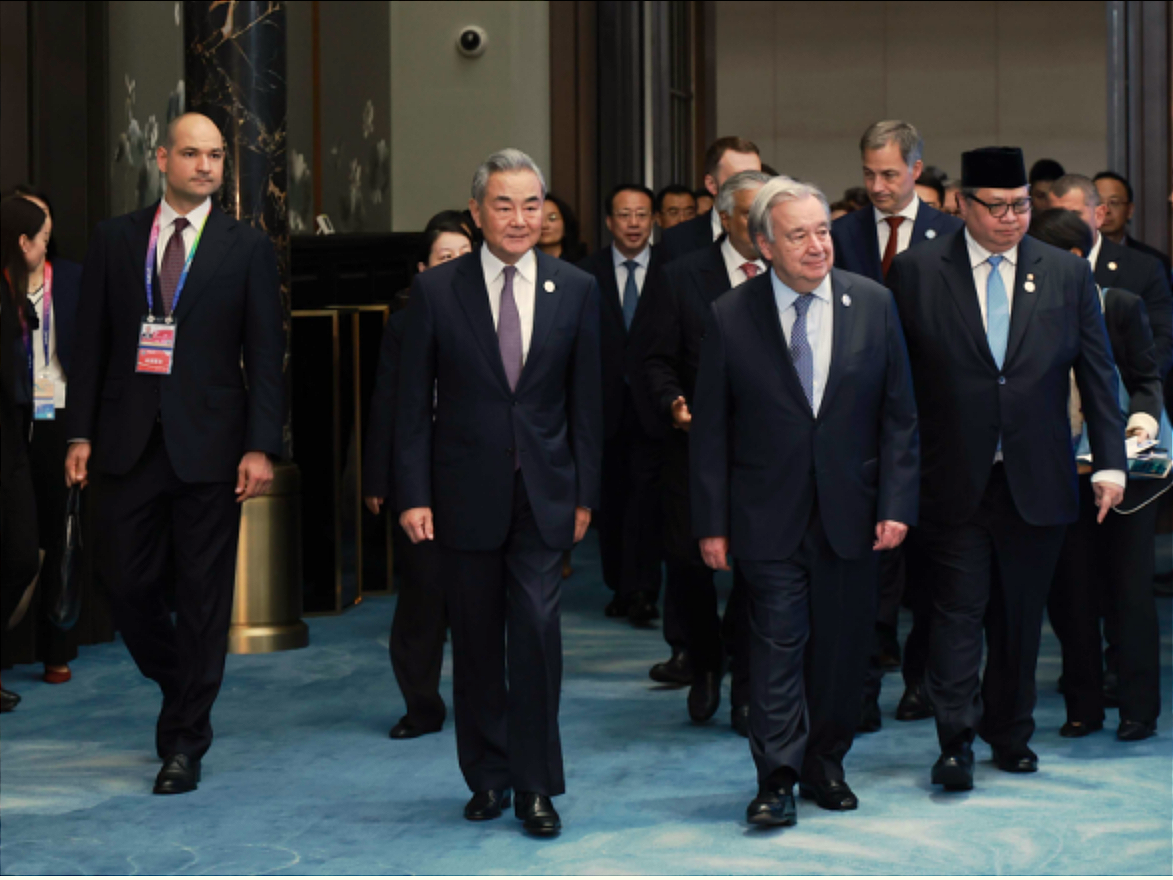
Twenty-nine countries joined the Shanghai-based organization as Beijing offered aid to developing nations.
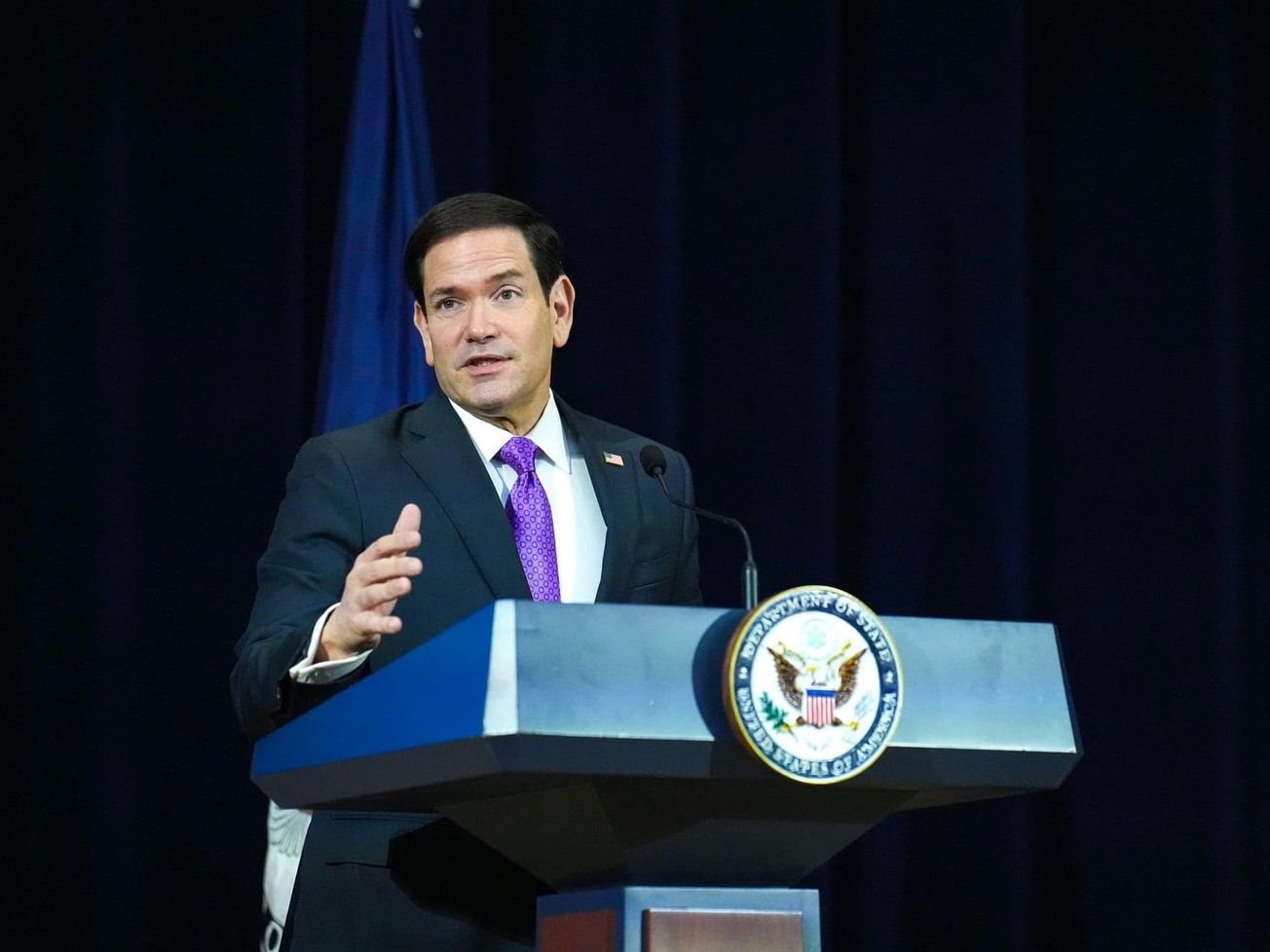
U.S. State Department says no diplomatic option is off limits as Washington pressures countries to reject the court's authority.
Organizations serving women and girls in conflict zones are reaching a breaking point as humanitarian funding declines.
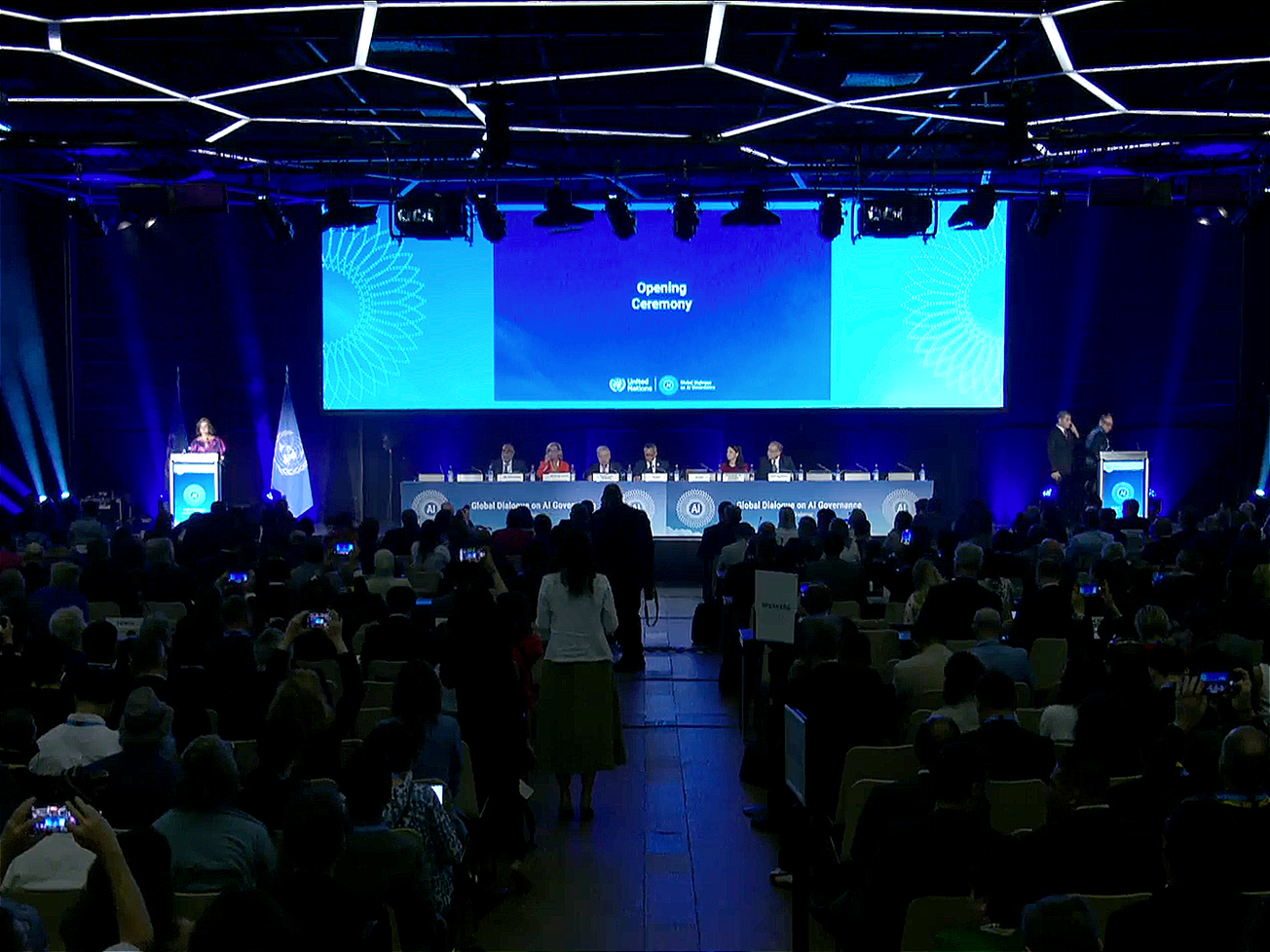
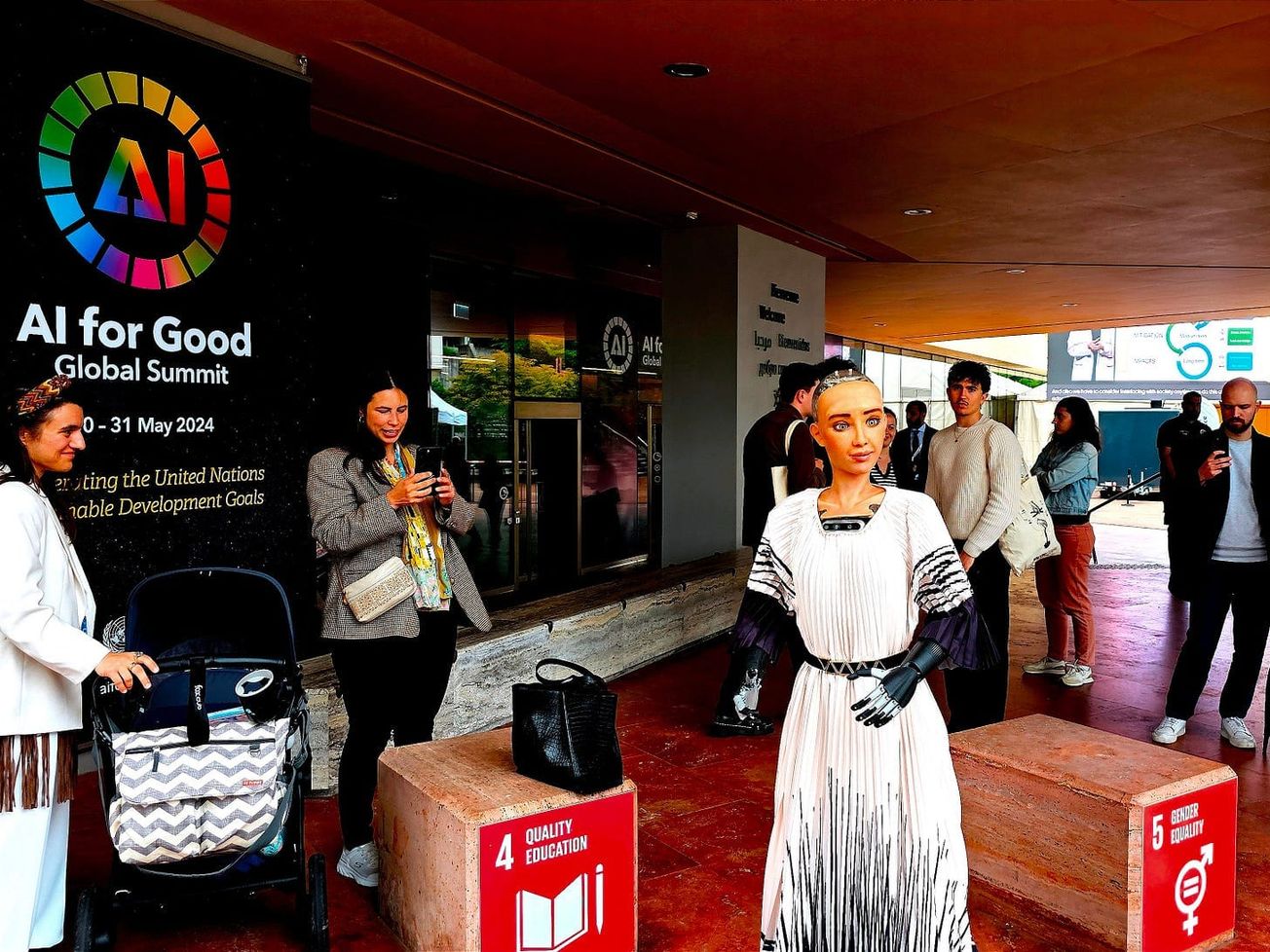
Discussions in Geneva revealed concern over fragmented regulation, unequal access and the need for safeguards.
Can a divided and polarized world still work together to confront problems that no nation can solve alone?
A new scientific panel, global political forum, leadership commission and summit shape the U.N.'s approach to AI.
Report argues countries may gain access to AI but lose influence over standards, infrastructure and governance.