Skip to content

Germany's Security Council defeat exposes limits of influence at U.N.

Despite being the U.N.'s second-largest contributor, Berlin failed to secure a two-year seat, losing to Portugal and Austria.

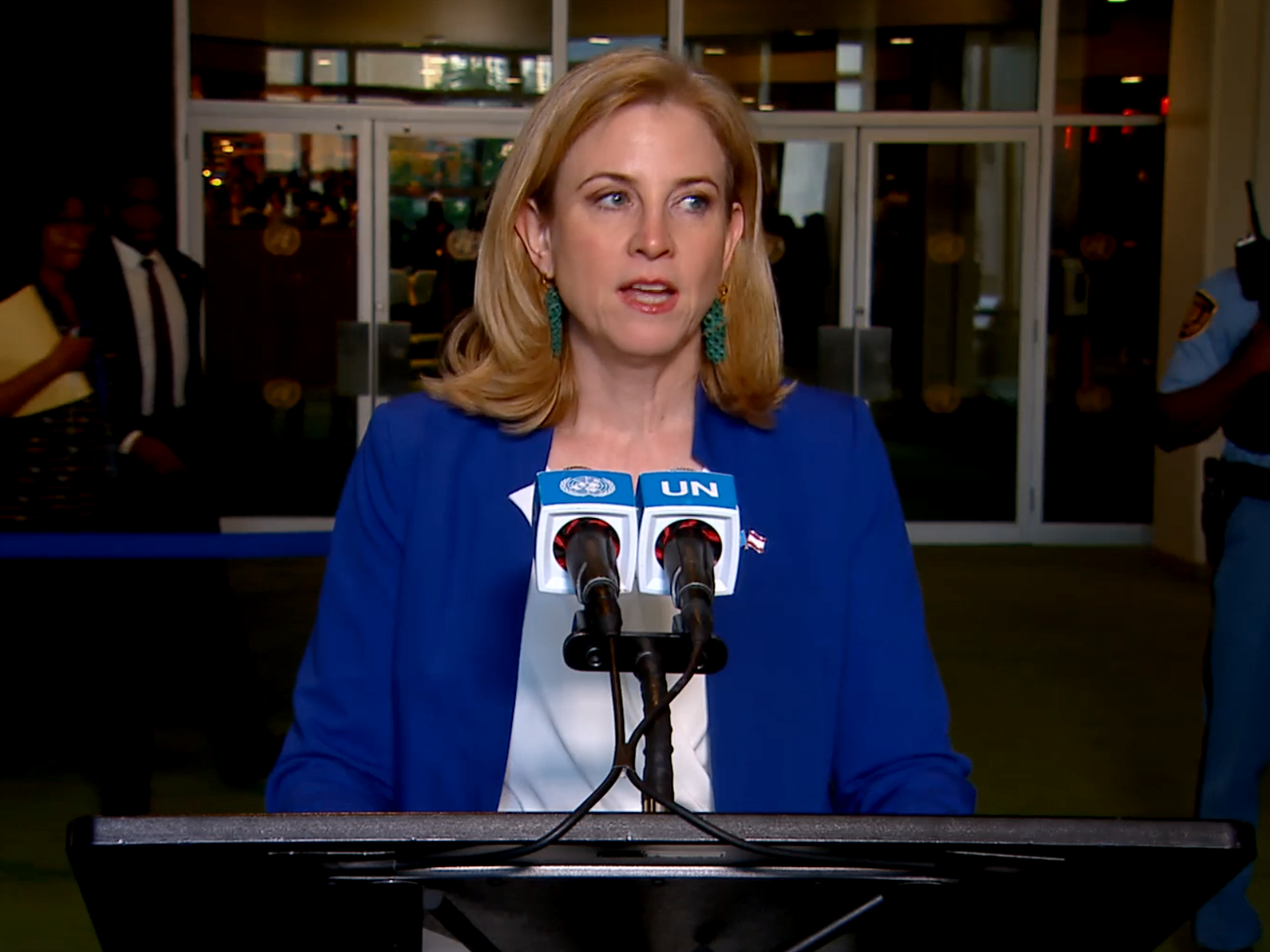
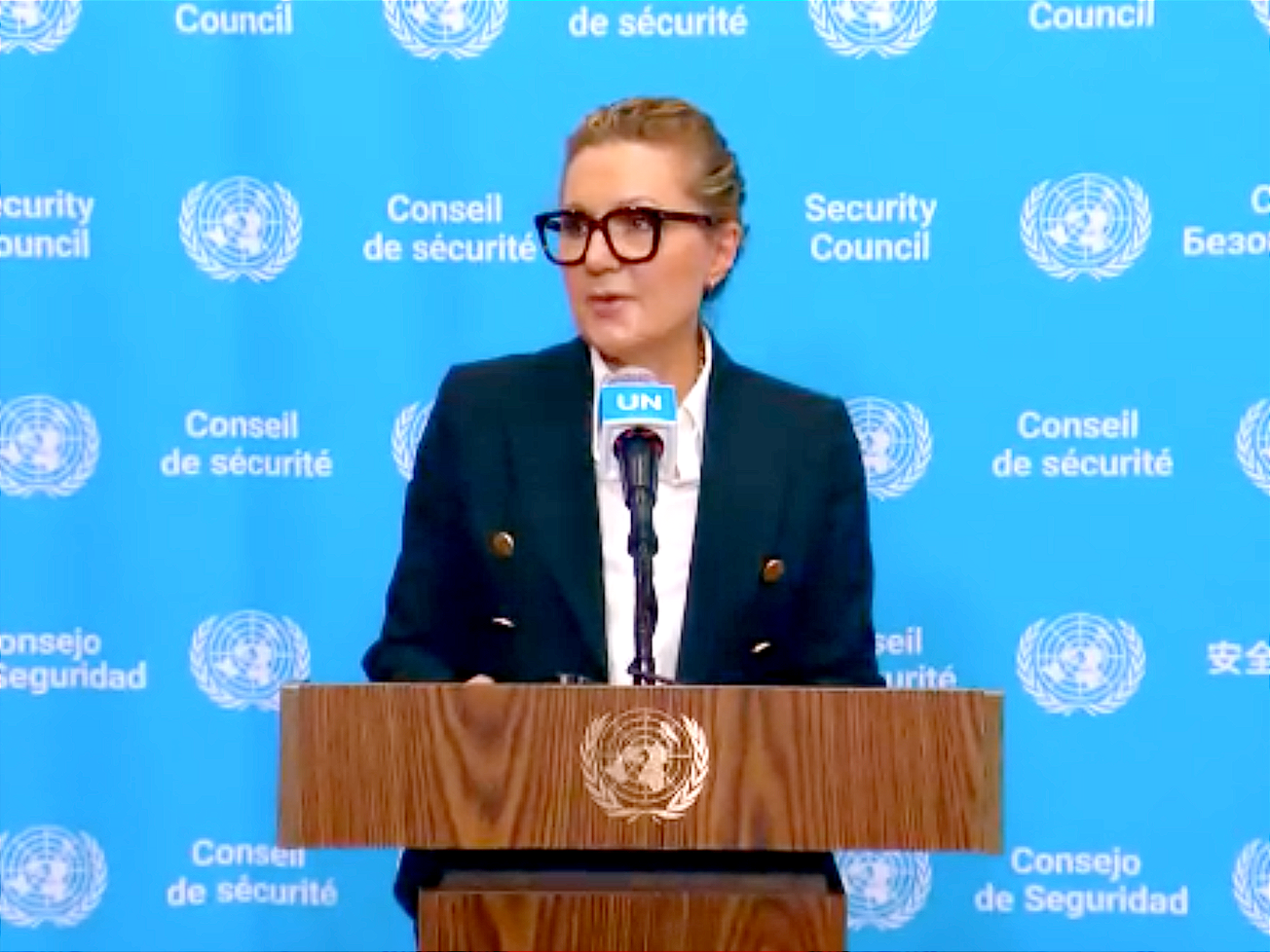
Austrian Foreign Minister Beate Meinl-Reisinger addresses reporters after her nation won a non-permanent seat on the U.N. Security Council on June 3, 2026.
Austrian Foreign Minister Beate Meinl-Reisinger addresses reporters after her nation won a non-permanent seat on the U.N. Security Council on June 3, 2026. (U.N. Web TV)

Germany suffered a diplomatic setback after failing to secure a non-permanent seat on the United Nations Security Council, despite an intensive lobbying campaign and its status as one of the organization's largest financial contributors.

The 193-member U.N. General Assembly elected Austria and Portugal to the two seats allocated to the Western European and Others Group for the 2027-2028 term. Portugal received 134 votes and Austria 131, while Germany secured only 104.

Get full Free+ access with a free subscription

Join now

Already have an account? Log in

Latest