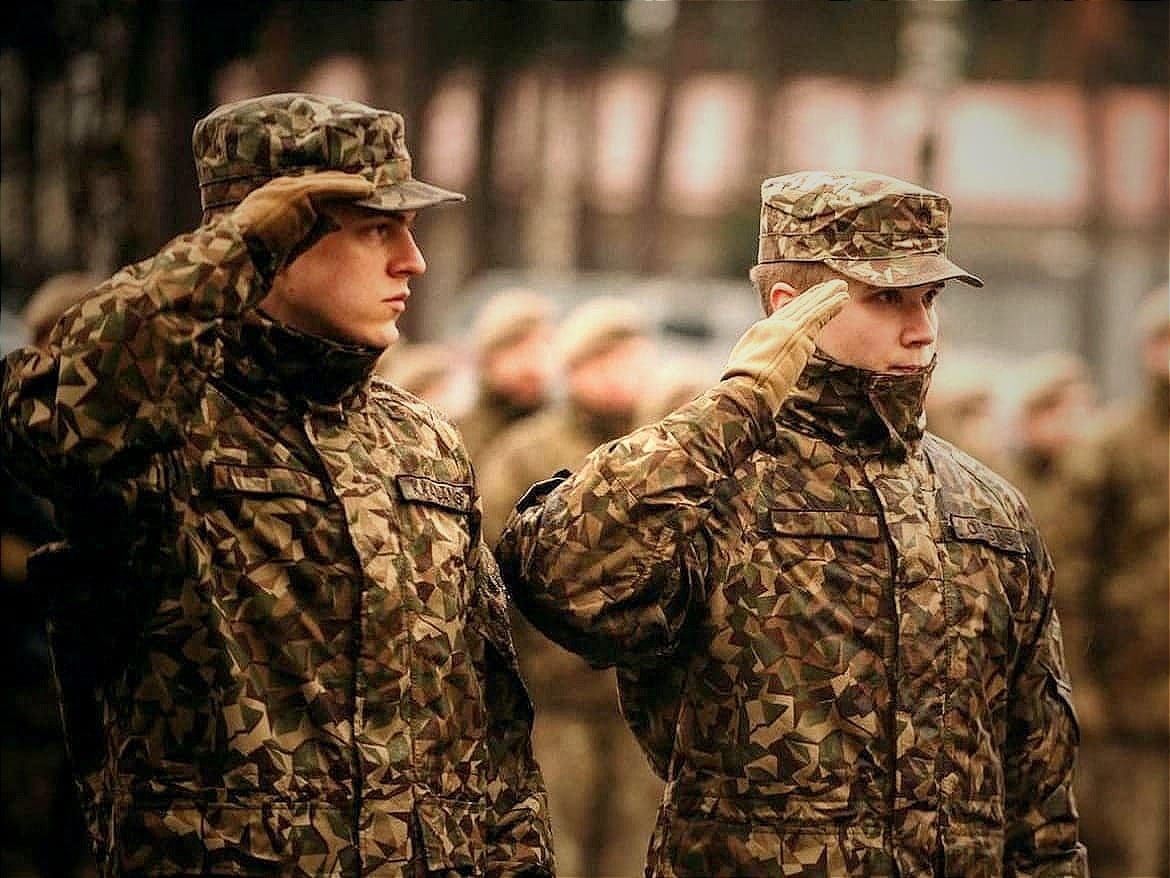
RIGA, Latvia (AN) – Freedom no longer seems guaranteed since Russia attacked Ukraine in 2022, at least not for Latvian national Krišjānis Kaļāns. That's why Kaļāns opted for an olive drab army uniform instead of a business suit immediately after his university graduation.
Kaļāns volunteered for the Latvian army in 2023, enrolling in an artillery unit for 11 months. That same year, Latvia's government reinstated compulsory military service for all men, aged 18 to 27, born since 2004.
"A big part of why I enrolled is being part of this land, growing up here, having very strong family ties and having a very strong sense of nationalism and a very strong sense of national pride," says Kaļāns, 24, who earned an undergraduate law degree in 2023. "And so to me, it was a very big no-brainer, because I actually thought that if I couldn’t get into law studies and university, I would have gone to the military anyway."
In Latvia, 35 years after regaining independence, the fear that Russia could invade motivates Latvians to invest in defense. In addition to reinstating the draft for the first time since 2006, Latvia's government set a target of spending 5% of GDP on the military in 2026, up from 1% before the war.
Belarus and Russia both use cyberwarfare and disinformation campaigns to try to destabilize the Baltic state. In the face of that threat, Latvians are volunteering in record numbers, with a record 1,560 people applying for this summer's draft before the application deadline closed in January.
"We as a country, also as a society, are supporting Ukraine very much because we see us, really, as the next on the menu if Ukraine will be swallowed," says Jana Simonovska, a Latvian parliamentarian and member of the Progressive Party's center-left ranks among the governing coalition.
Her colleague Leila Rasima, another Progressive parliamentarian, says the threat inspires Latvians' resolve to make a show of strength. "Because we believe if we are really ready, both military and civilian resilience," she says, "then we have less chance that Russia is going to want to attack us."
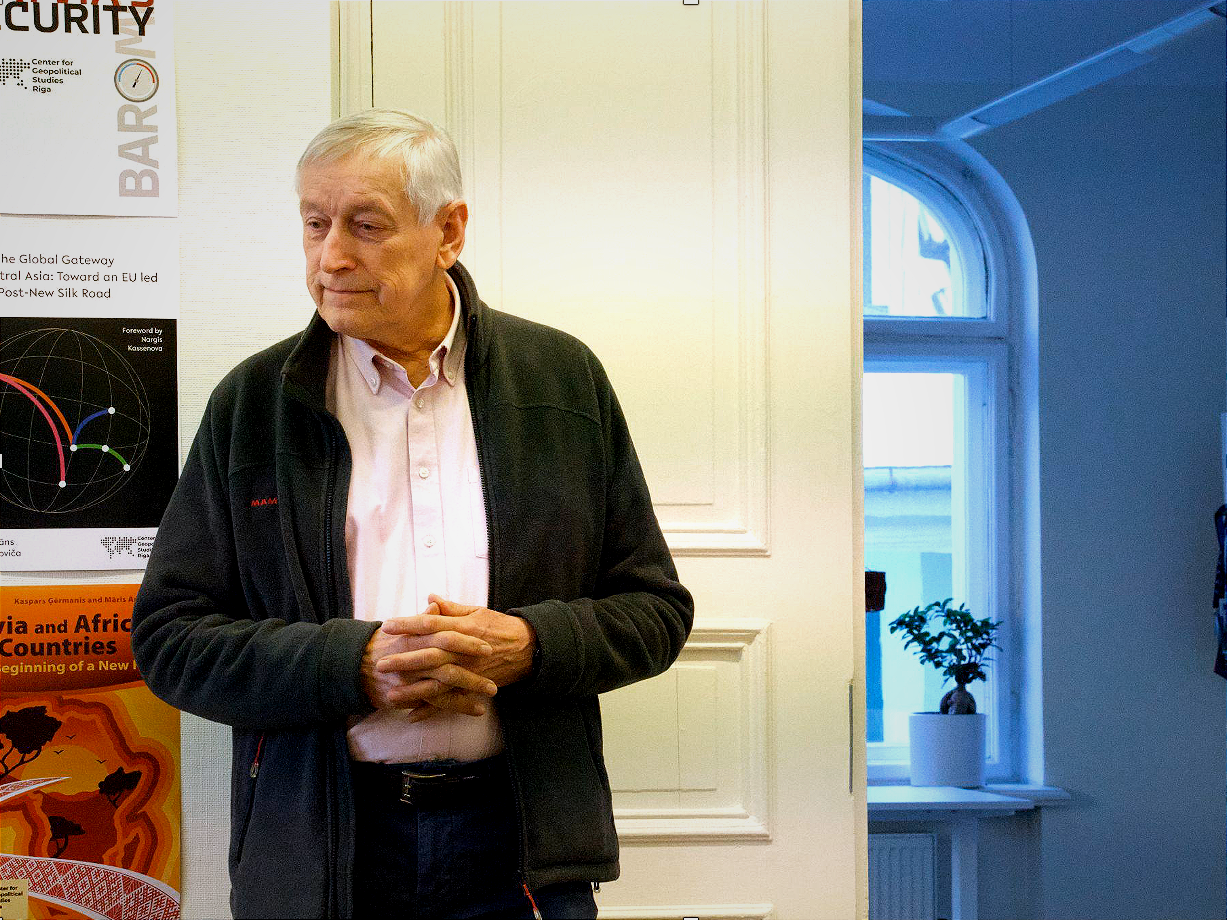
That belief may be working. Jānis Kažociņš, a fellow at the Center for Geopolitical Studies Riga, says his experience as national security advisor to the Latvian president indicates an attack from Russia is not imminent.
"The logical idea of Russia attacking us right now seems unlikely [but] you can’t ever be fully relaxed," he says.
Latvians' traditional view of the United States as their protector is giving way to added calls for self-preservation in the wake of U.S. President Donald Trump's threats to seize Greenland and his skepticism of NATO.
"If we haven’t found a way of dealing with Russia or defending ourselves, we are going to be caught short," says Kažociņš, who also served as a British Army officer and Latvian intelligence agency director.
Growing Latvian nationalism
The historic alliance between Latvia and the U.S. dates to the Welles Declaration of 1940, when the U.S. refused to recognize the Soviet Union's illegal annexation of Latvia, Estonia and Lithuania. Latvia's history of being occupied and annexed partly fuels its citizens' rising nationalism and deep support for Ukraine and its pre-war borders, Simonovska says.
For Kaļāns, the motivation to serve his country is not only about strengthening its security but also about protecting its integrity and identity. Even Latvians born after the Soviet occupation can feel the painful injustices of that era in stories passed between the generations.
"The occupation was until 1991 which is just 10 years before my birth," he says. "So we’re not a nation of people who see them as our neighbor. We've always been very cautious of anything that goes on from Russia."
Conscription mandate urges volunteerism
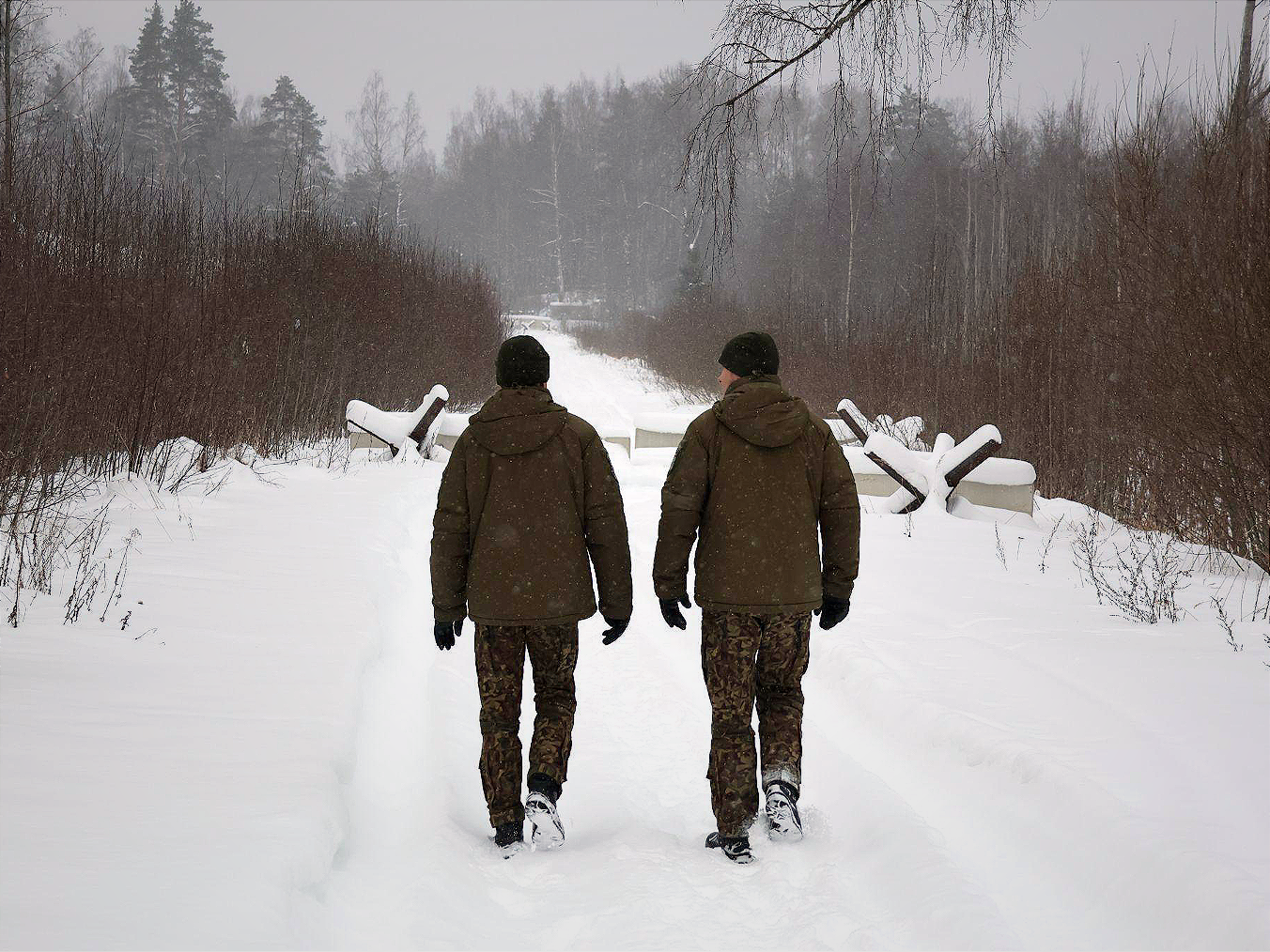
While Kaļāns was serving, Latvia’s Ministry of Defense introduced conscription, offering three options of military services: 11 months of service, five years in the National Guard, or a reserve officer program.
Latvian Colonel Māris Tūtins says the increase in volunteer numbers is tied to the fear that has continued to grow since Russia launched its full-scale war on Ukraine in 2022. "If you want peace, prepare for war," he says. "That’s what we’re doing here in Latvia."
Volunteerism in the military has grown 220% as large numbers of Latvians step forward to serve under the conscription mandate that began in 2023.
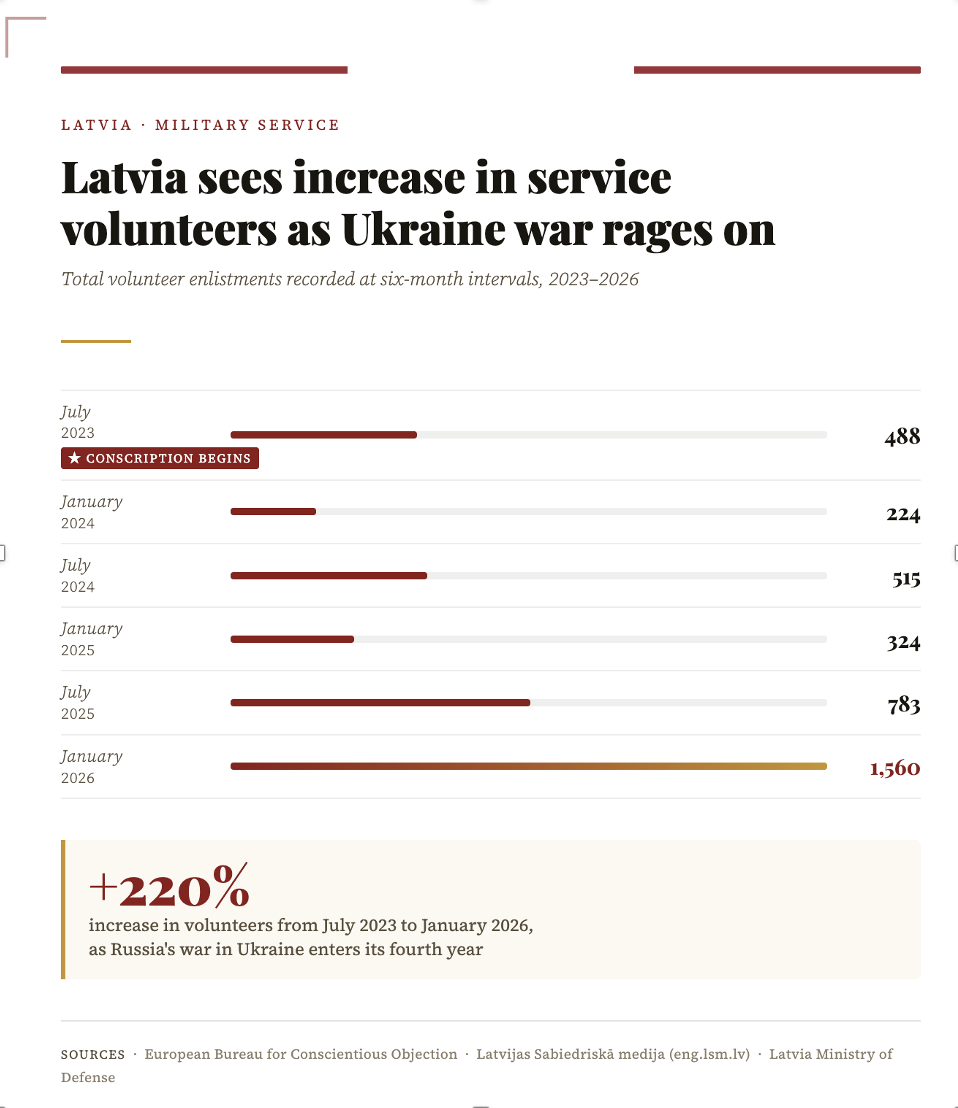
Twice a year, Latvia sends out calls for enlistment. When the volunteer numbers fall short, a lottery system is used to make up the difference by drafting young people who fit the requirements.
Simonovska says the economic benefits are an added attraction. "I would say the readiness of the Latvian nation has increased. For example, the support for going to the army is much higher. So when we have calls for new members, there are many, many volunteers already going."
Latvia's conscription system rewards volunteerism. Those who volunteer rather than wait for the draft receive double the monthly allowance, or €600 ($693), plus €1,100 ($1,270) at the end of service. Former soldiers are also eligible for state-financed higher education at Latvian universities.
The Saeima, or Latvia's Parliament, set this year's defense budget at €2.16 billion ($2.49 billion), or 4.91% of its €44 billion ($50.8 billion) GDP. With one of NATO's smallest GDPs and a population of just 1.8 million, Latvia cannot match the defenses of Sweden, Finland, Estonia or Lithuania, according to Rasima, yet Latvians benefit in multiple ways from being as militarily prepared as they can be.
"The people I know [volunteered] for the benefits," says Beate Vēkšēja, a 19-year-old university student in Rēzekne, a small industrial city about 60 kilometers away from eastern Latvia’s border with Russia. "They do it because they want to get some money or they have no other option."
Questioning military service
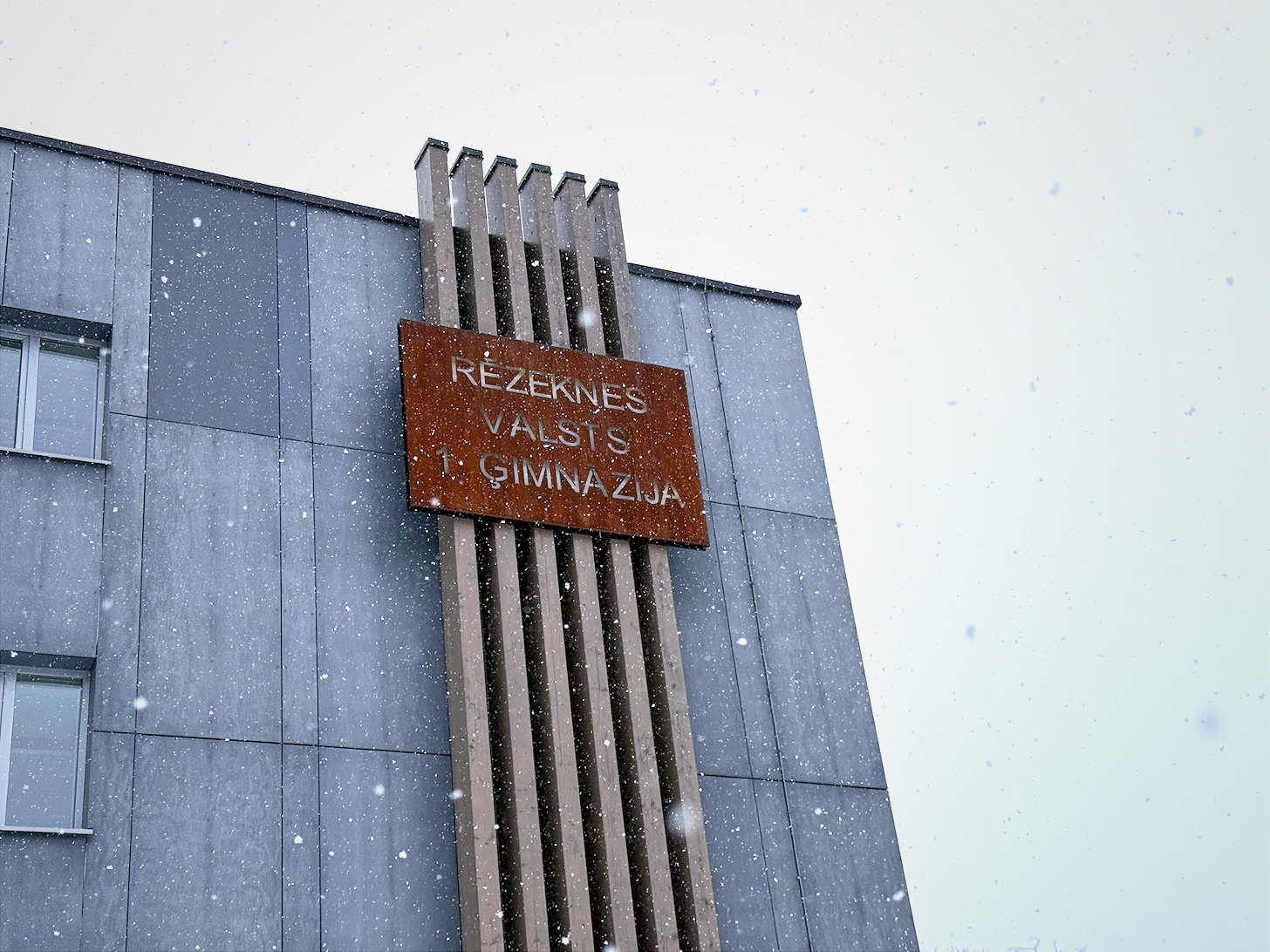
Vēkšēja is not alone in her thinking. Students at a local high school in Rēzekne reveal a broader pattern: outside Riga, the nation's capital, hesitancy toward Latvia’s mandatory conscription remains high.
Elizabeth Sirma, a senior high school student at Rēzeknes Valsts Gimnāzija, says her country doesn't deserve her military service. "Why not?" she says. "They’ve raised taxes, everything’s expensive, low salaries."
While the conscription only applies to men, Sirma still firmly opposes it, and says that a friend who volunteered only did so because "his main goal was the free education and the pay that he’s getting."
While volunteering to serve has benefits for those who don’t have a clear work path, it can be professionally disruptive to those who face an 11-month draft in the middle of their studies, or early in their careers.
Despite its emphasis on volunteers and more defense spending, Simonovska says, Latvia will always rely on its allies and strive to strengthen its European and transatlantic ties due to its small population.
"If you treat every country separately, we are just below two million," Simonovska says of Latvia's relationship to the European Union and NATO. "But assume you belong together, European countries, NATO countries, this is really the shield. But this doesn’t mean we can forget about our own defense. This joint defense only works if everyone takes responsibility."