West African bloc tested by crisis in Niger over military coup
ECOWAS' 15 nations set an Aug. 6 deadline for Niger's military to restore to power the democratically elected president.
Africa is the world's second-largest and second-most populous continent, home to 54 recognized countries. With the world's youngest population, over 60% of its inhabitants are under the age of 25, creating both opportunities for innovation and challenges for job creation.
Already have an account? Log in
ECOWAS' 15 nations set an Aug. 6 deadline for Niger's military to restore to power the democratically elected president.
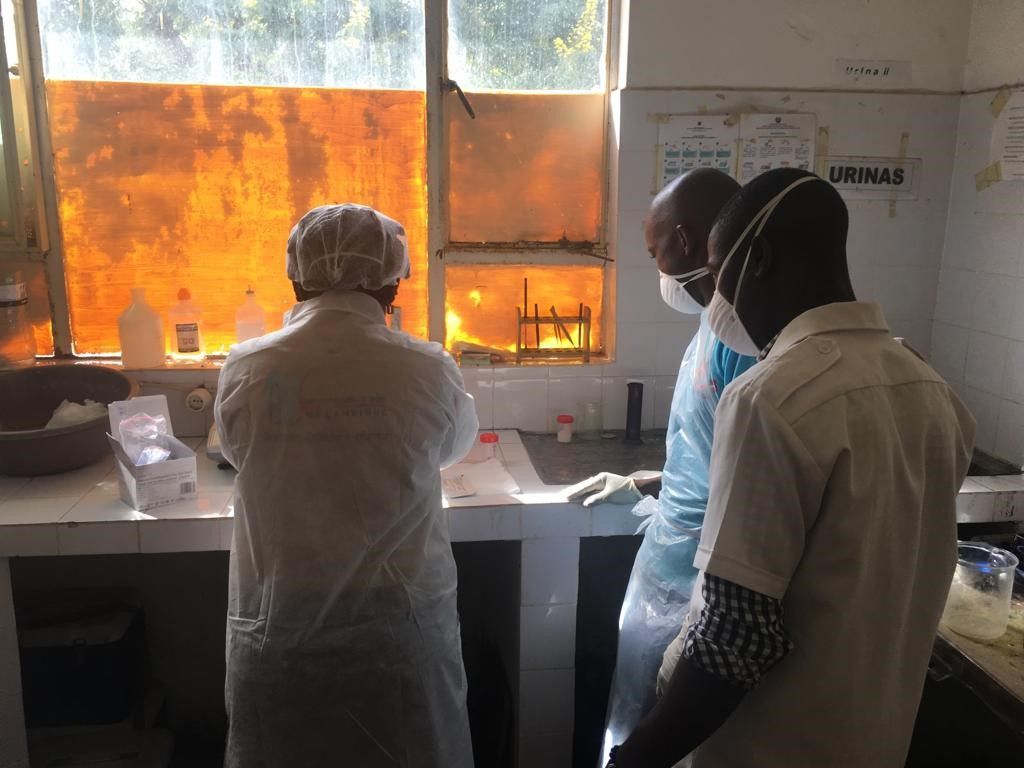
Heavy rains and warmer temperatures make it easier for the bacteria that causes cholera to spread, posing a major setback for global efforts to eradicate the disease.
Fighting led the ranks of those who need aid and protection to swell to 24.6 million, slightly more than half the population.
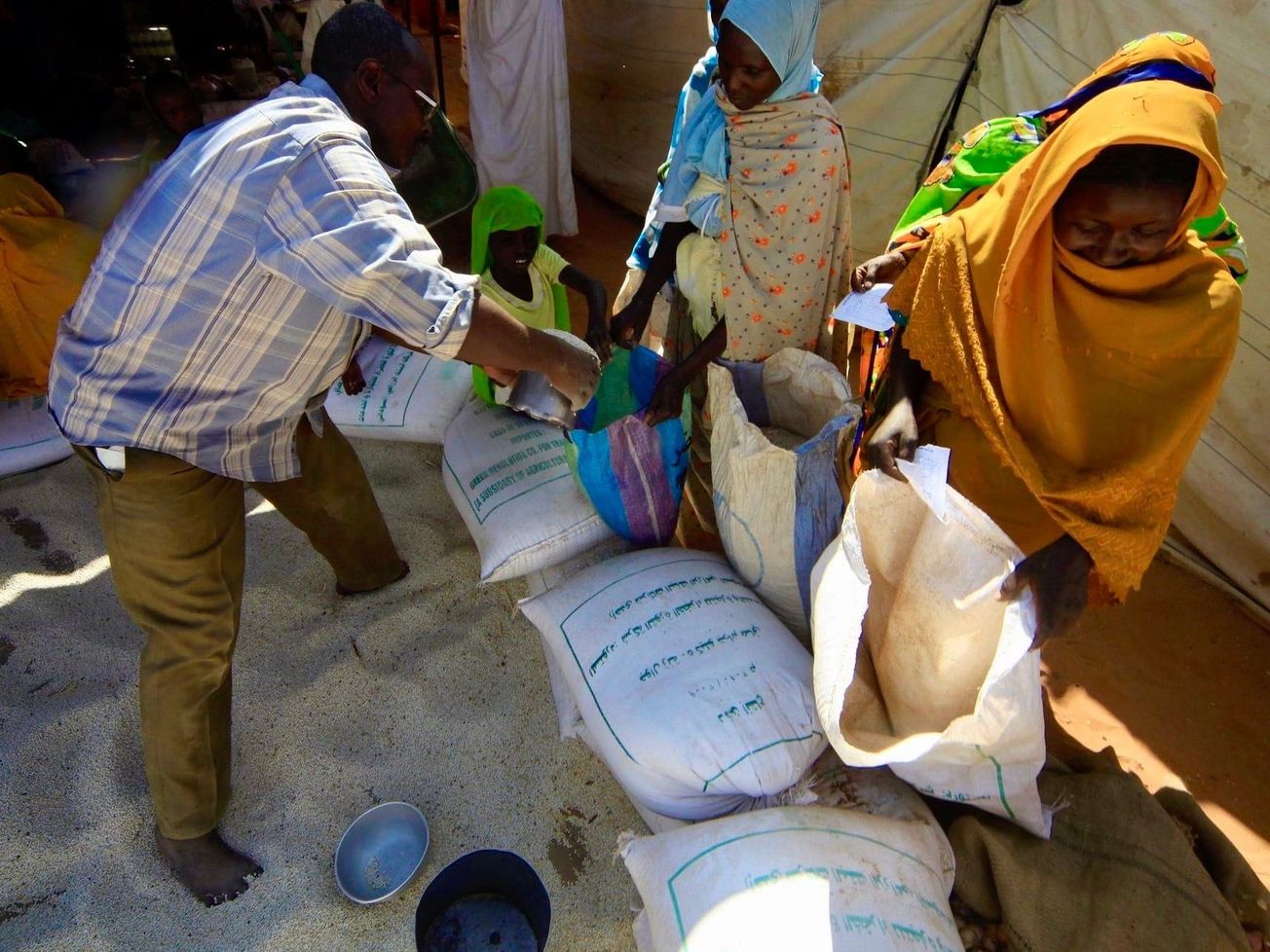
The U.N. confirmed at least 17,000 metric tons of food – enough to feed more than half a million people – were taken.
Most of Khartoum, Darfur and North Kordofan are too dangerous to operate in, the U.N. refugee agency said.
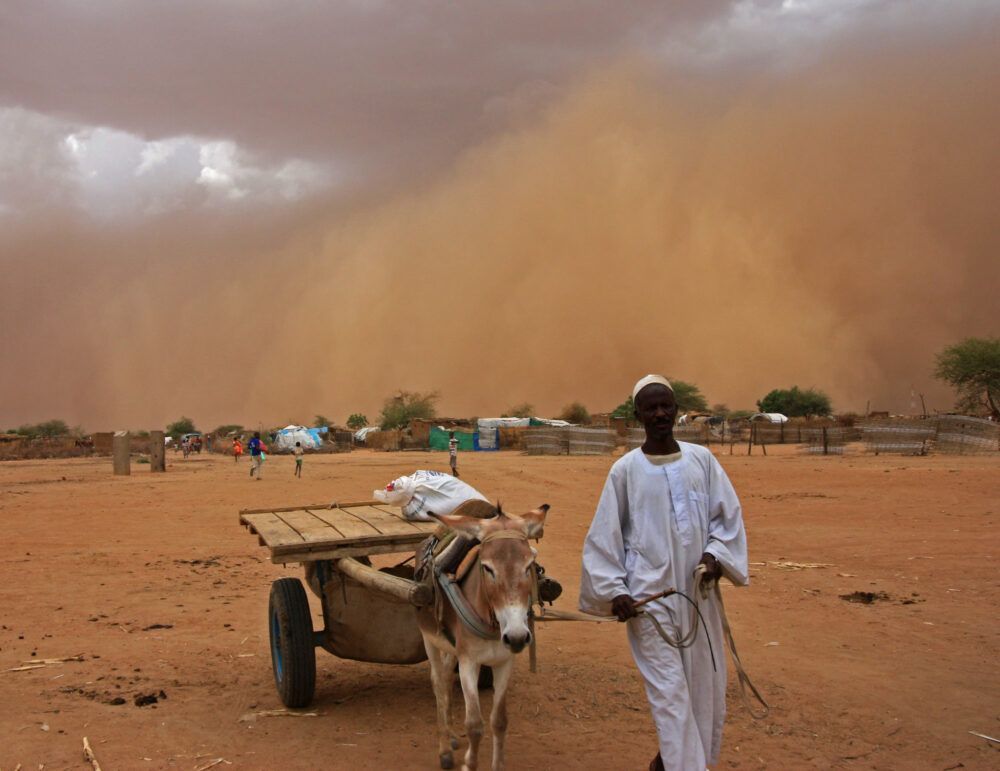
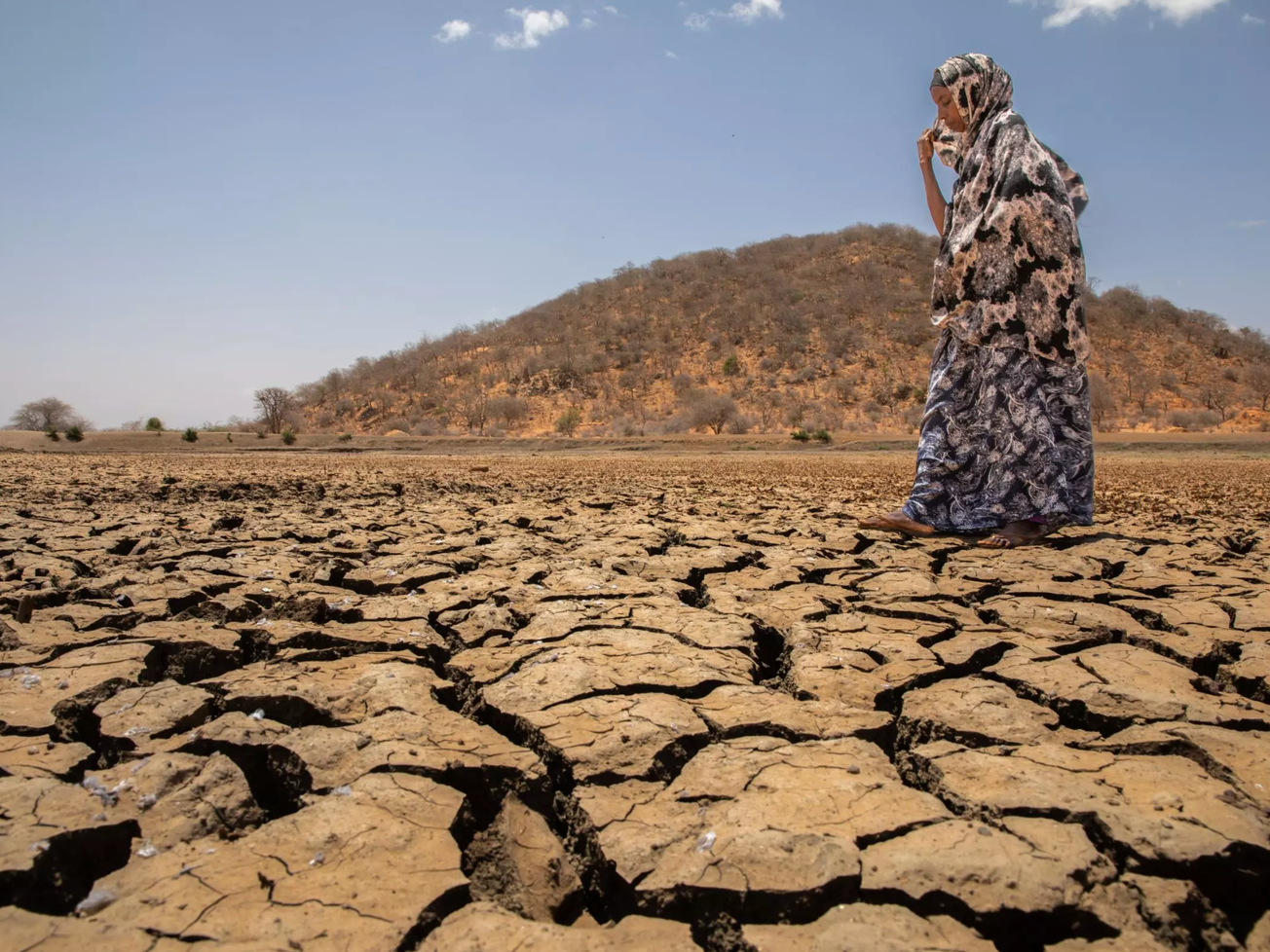
Low rainfall and high evaporation rates 'would not have led to drought at all in a 1.2° C. cooler world,' scientists concluded.
Sudan's unraveling forced humanitarian aid organizations, including those with staff killed by fighting, to suspend operations, despite millions of civilians in great need.
An estimated 15 million people among Sudan's 46.7 million population are facing acute food insecurity, according to WFP.
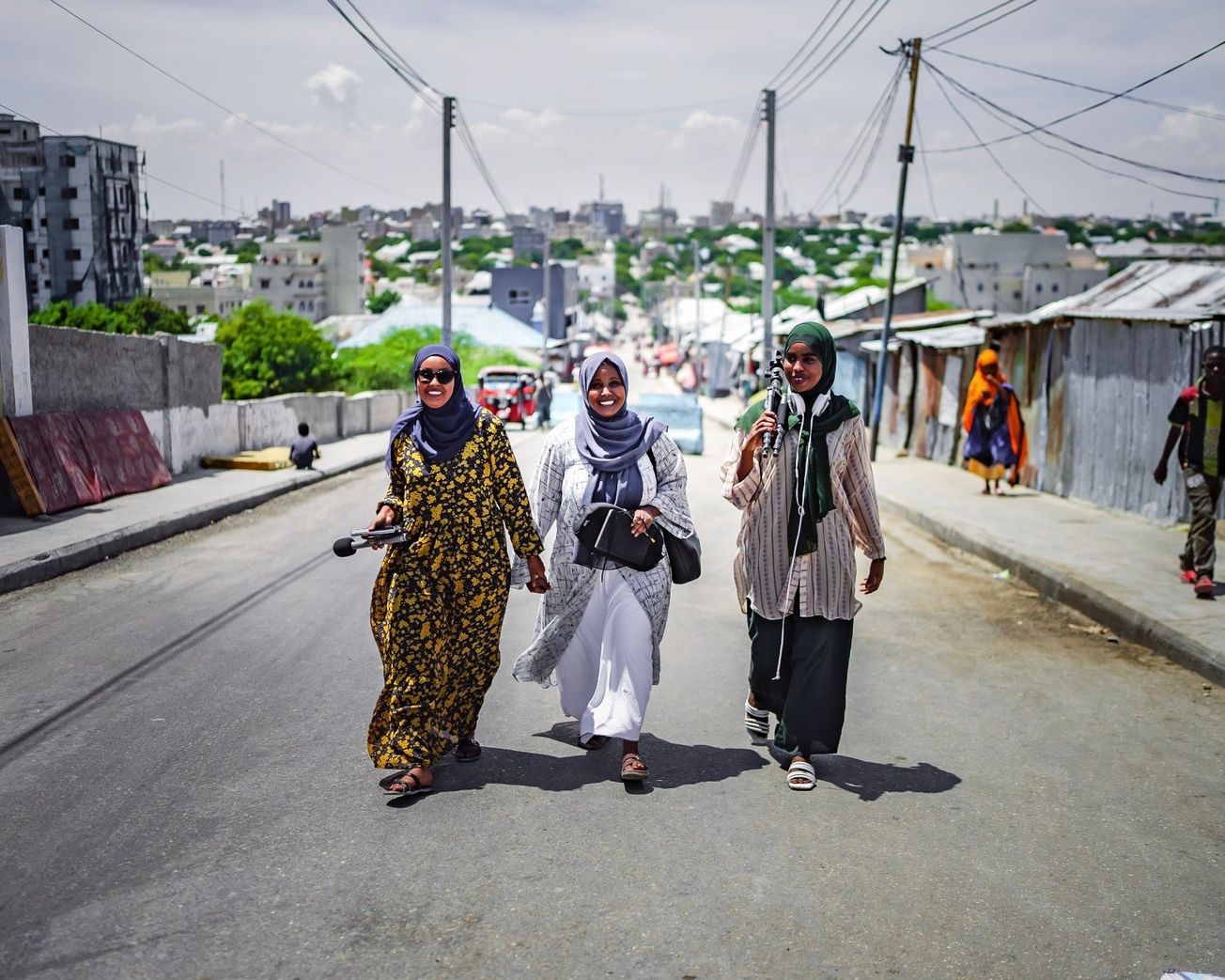
Bilan marked its first year with a look back at what UNDP calls 'a year of smashing taboos and shining a light on stories other media have long ignored.'
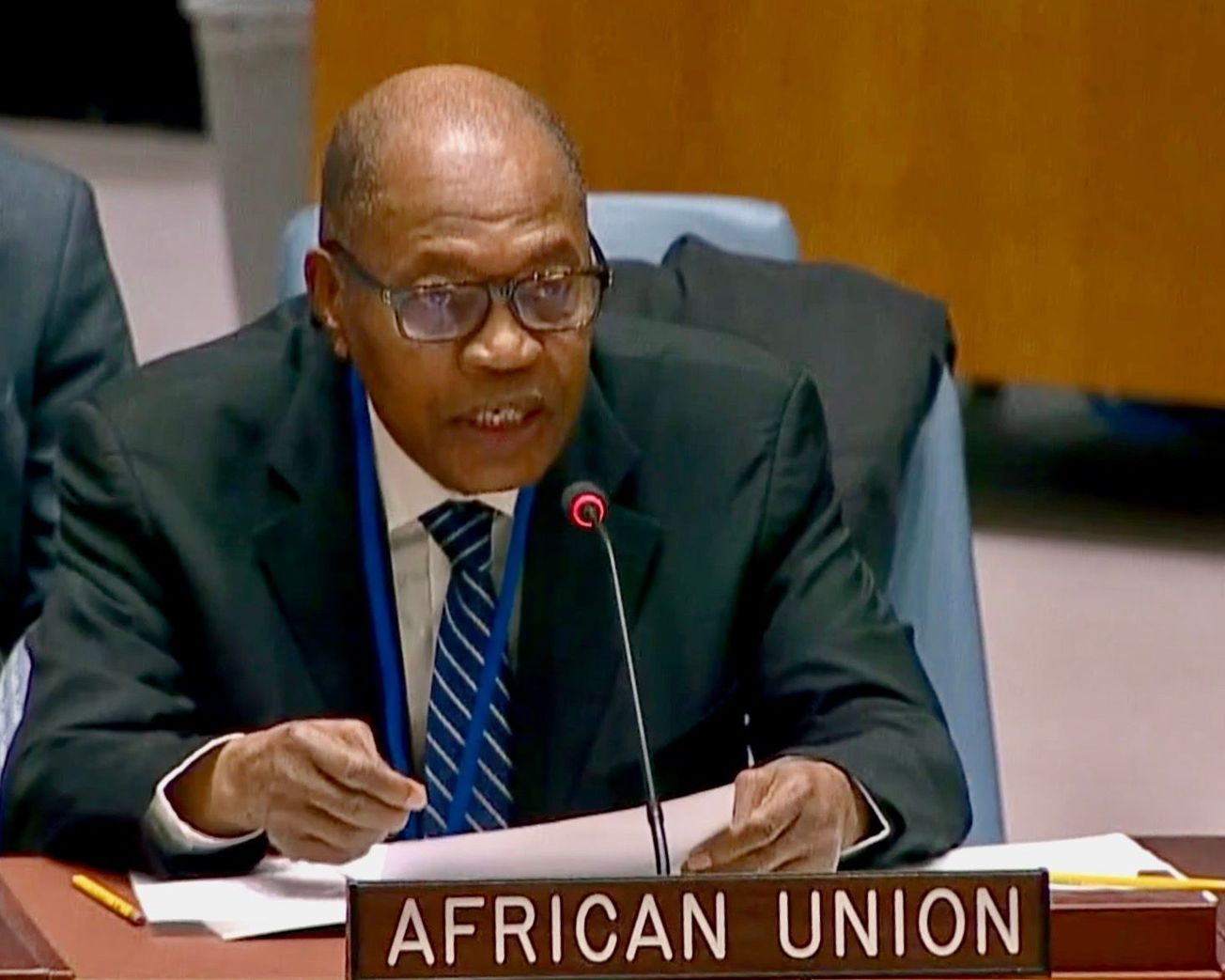
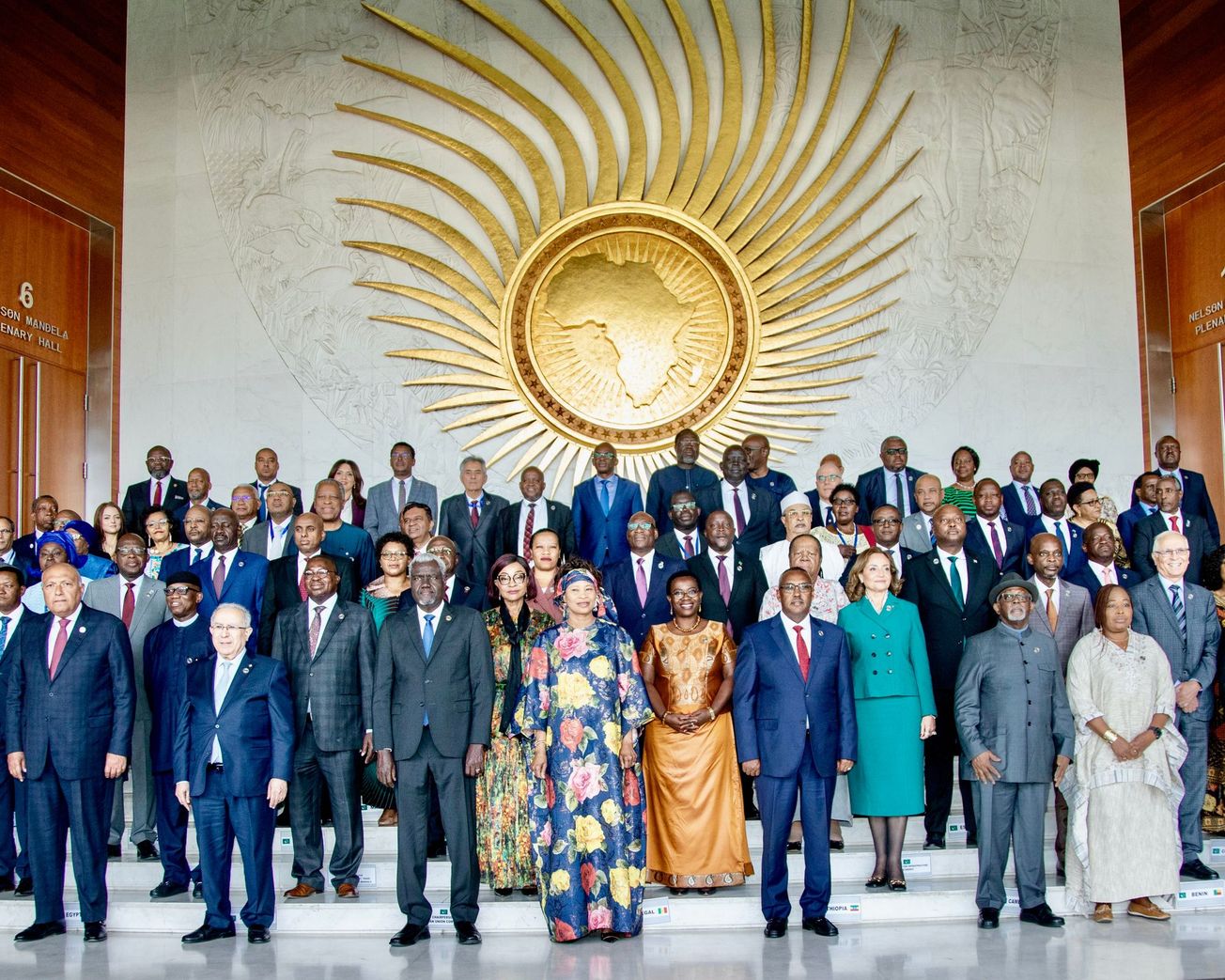
Facing a raft of complications, the A.U. goal of tackling root causes of conflict for sustainable development is in doubt.
Mozambique hosted a talk on how the U.N. and regional organizations can curb terrorism and violent extremism.
Some 129,000 people are 'staring death in the eyes' while 11.9 million children under 5 could face acute malnutrition.
Women and girls still don't get the support they need, the U.N. chief said, and African nations cannot develop with "one hand tied behind their backs."
South Africa's President Cyril Ramaphosa pushed for A.U. membership as a needed step to confront climate change.
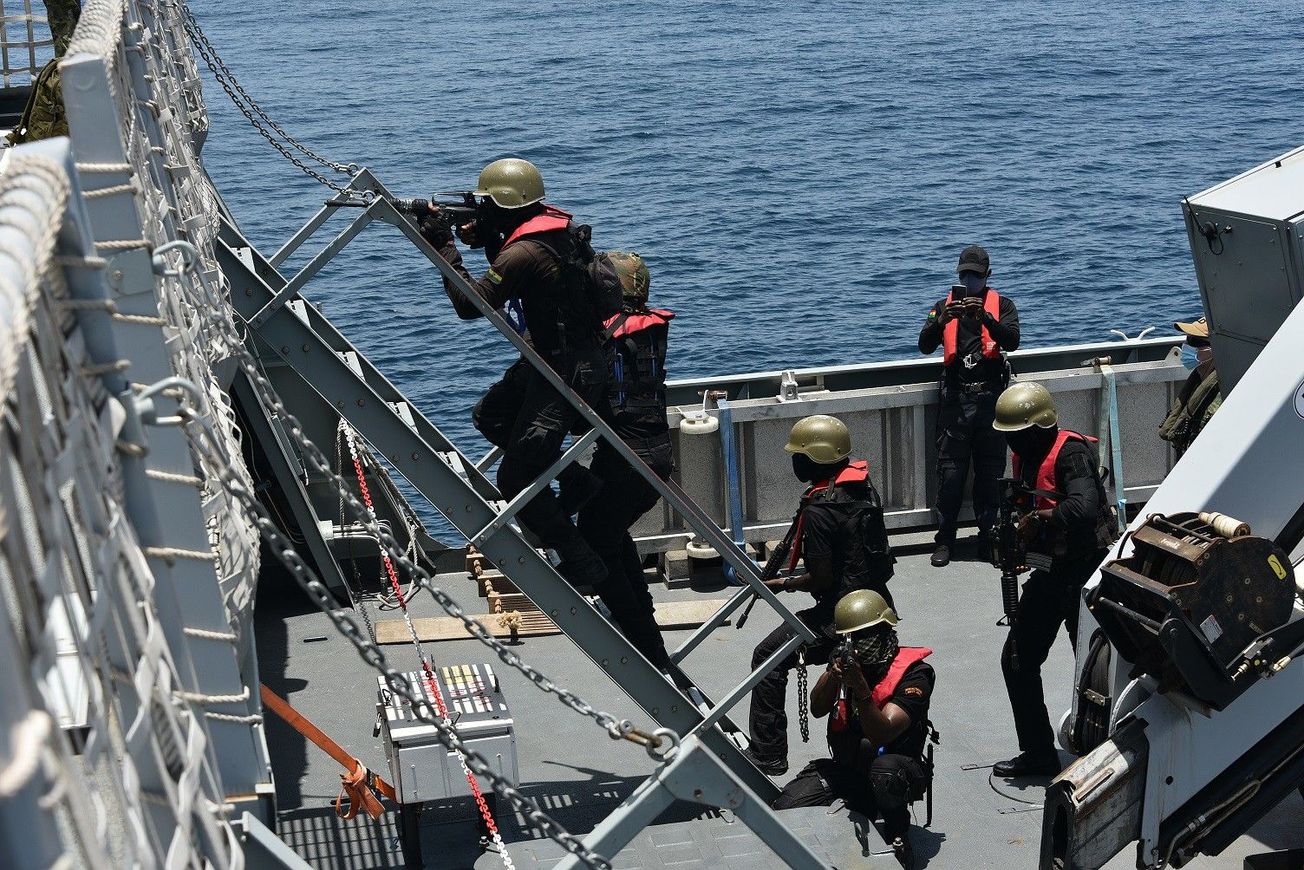
Despite a steady decline in piracy in the Gulf of Guinea recently, the region suffers nearly $2 billion a year in losses.
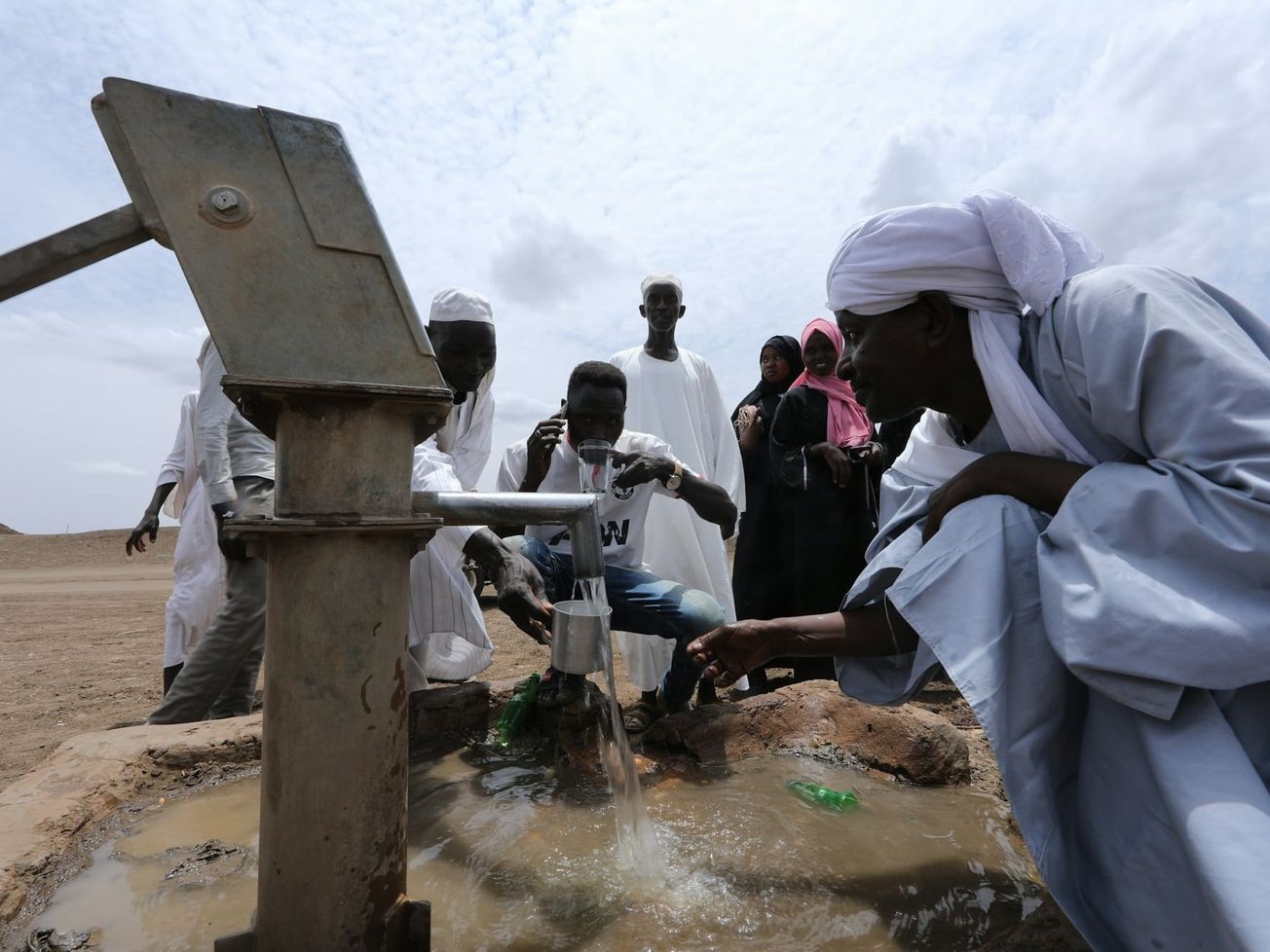
Drought, floods, disease outbreaks and a global food crisis add pressure for real action at the U.N. climate summit in Egypt.