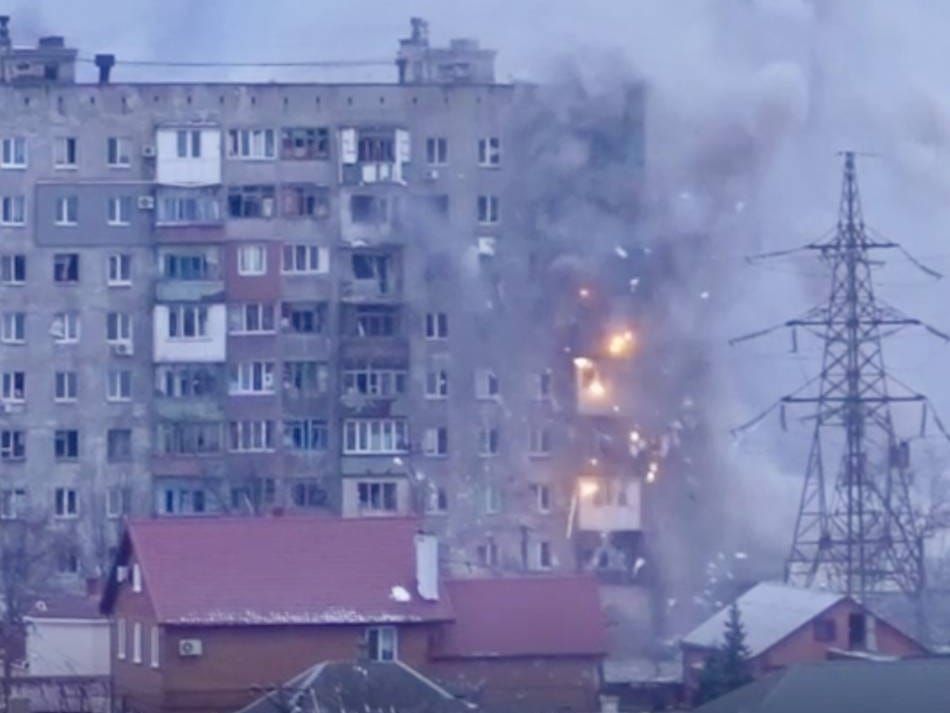
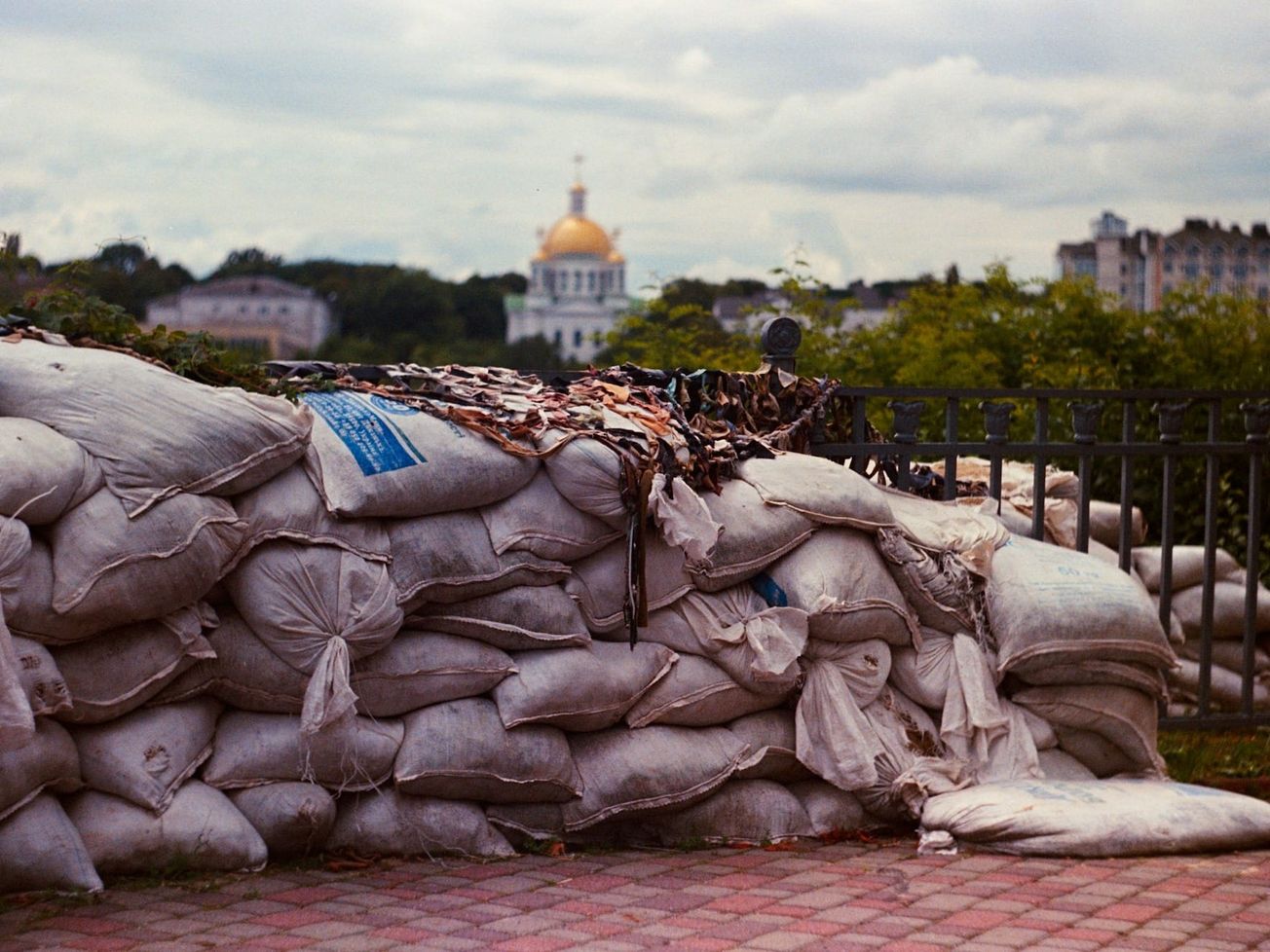
WHO reports 700+ attacks on Ukraine's health infrastructure
Attacks targeting medical facilities, personnel and transport are prohibited under international humanitarian law.
Humanitarian action and peace are closely intertwined. Humanitarian organizations alleviate suffering in crisis, while also creating conditions for long-term peace. Through neutral and impartial aid, they help save lives and protect civilians. The international community, led by the U.N. and other organizations, works to bridge the gap between emergency aid and sustainable peacebuilding efforts to rebuild societies shattered by conflict.
Already have an account? Log in
Attacks targeting medical facilities, personnel and transport are prohibited under international humanitarian law.
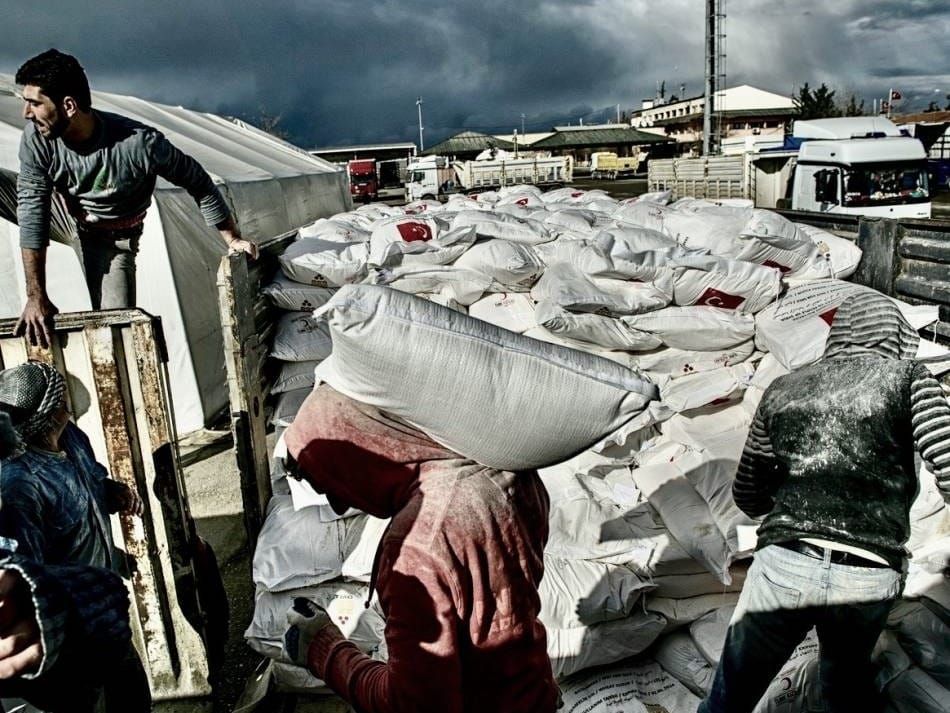
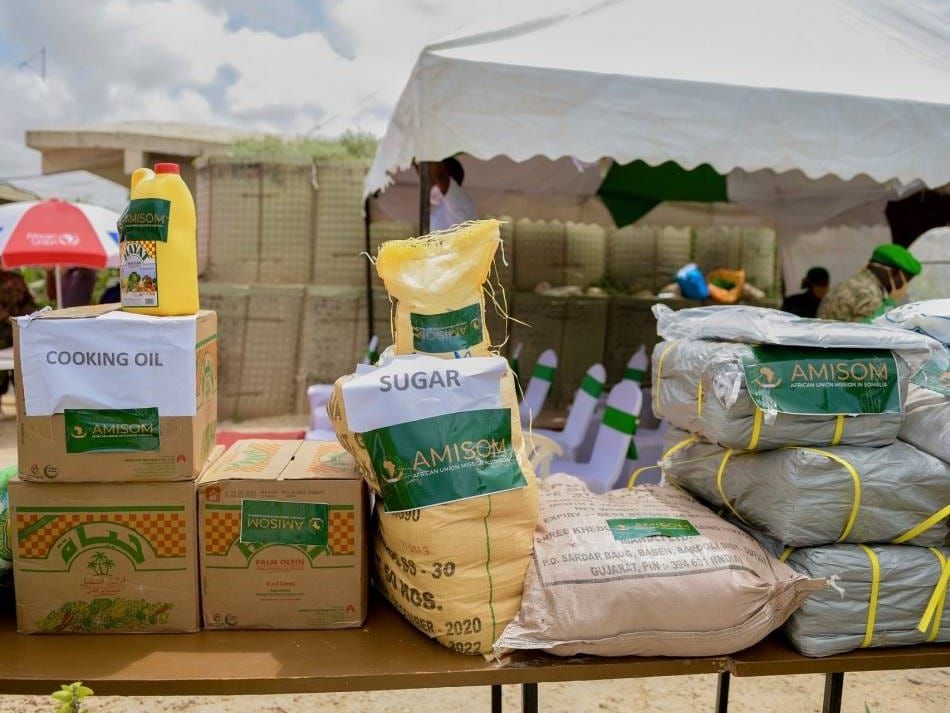
Proponents said its passage is critical with 339 million people in need of aid and nearly 50 million on the verge of famine.
While many developing nations suffered droughts and floods, Russia’s invasion of Ukraine disrupted food supply lines.
The agreement restarts negotiations and clears the way for Chevron to resume pumping Venezuelan oil.
The extension of a wartime agreement with Russia will continue to allow Ukraine's grain shipments to be exported.
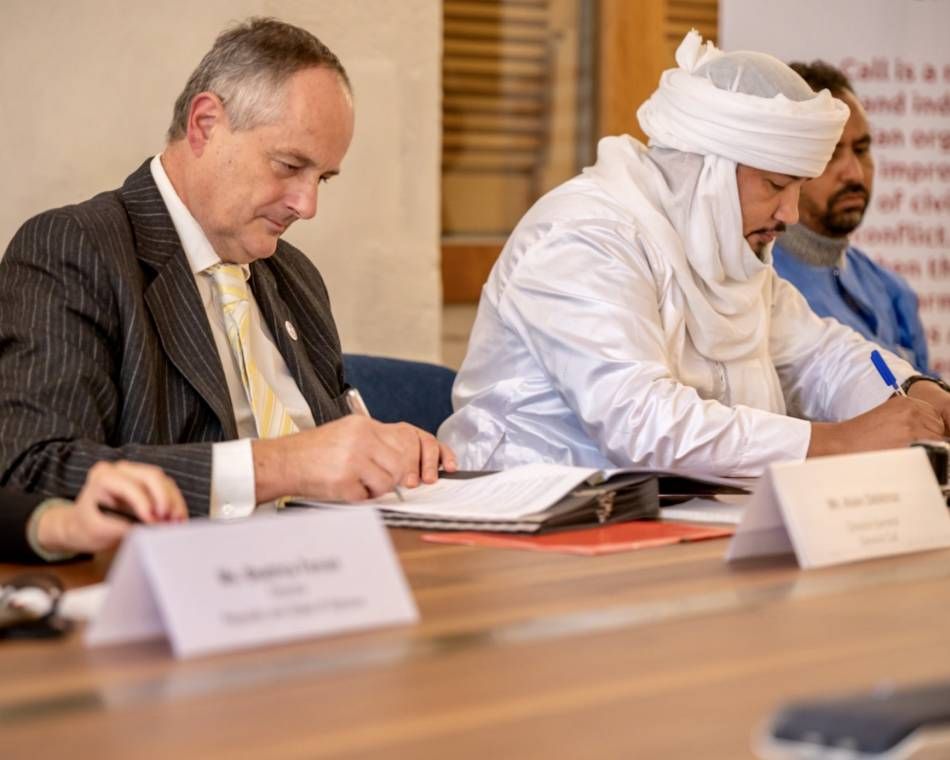
Former rebels in Mali committed to more civilian protections for health and medical facilities during armed conflict.
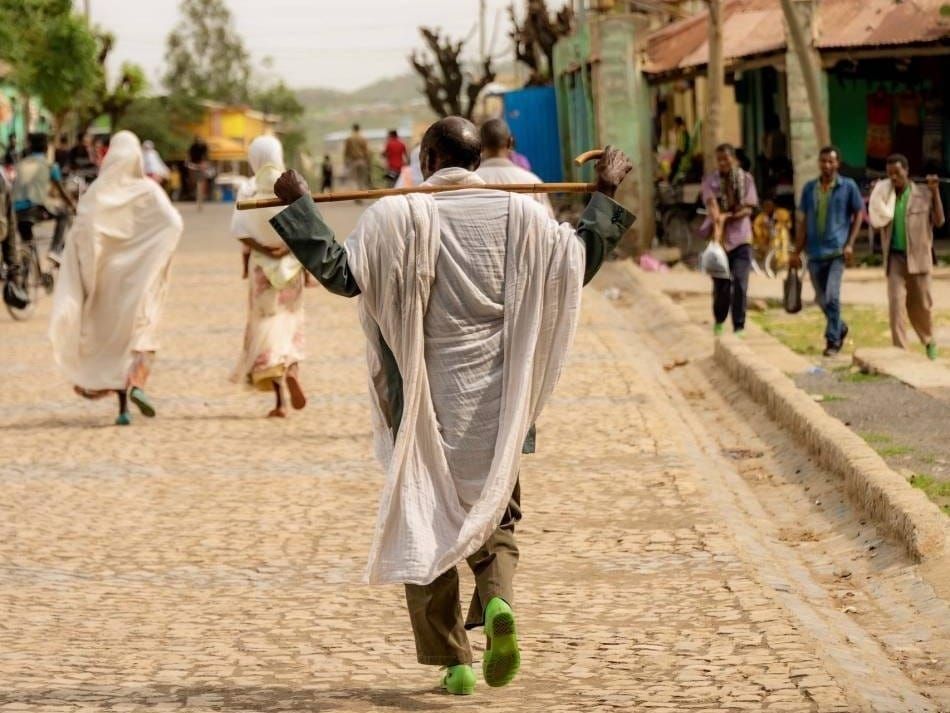
The U.N. health chief blamed racism in world leaders' neglect for the humanitarian crisis in Ethiopia’s Tigray region.
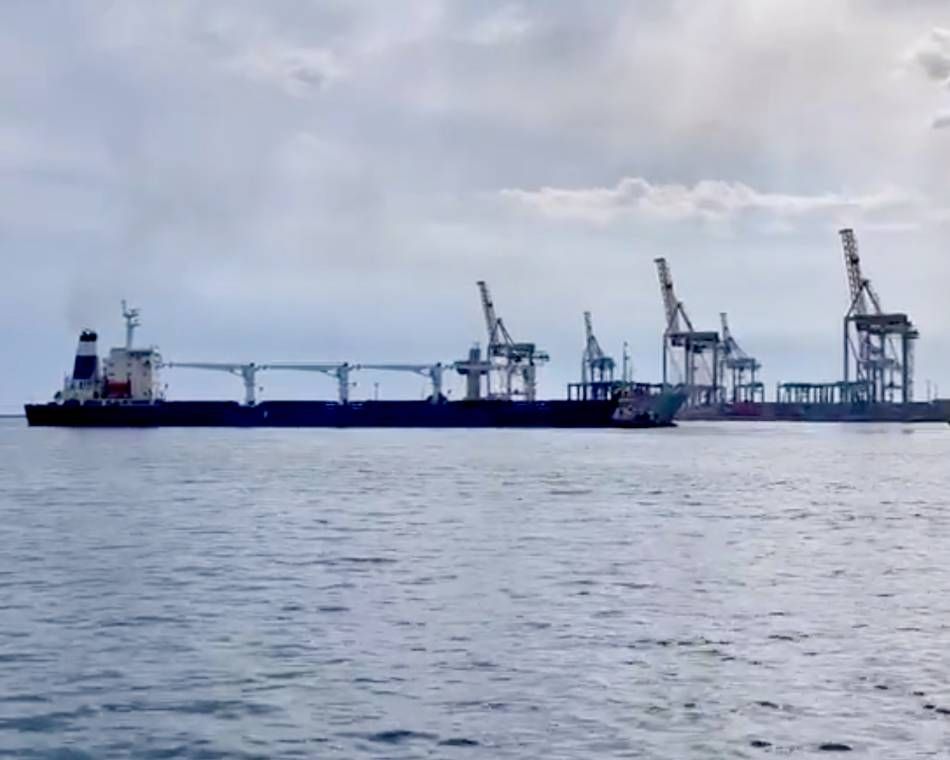
Several grain ships left Ukrainian ports under a U.N.-brokered deal that could help ease the global food crisis.
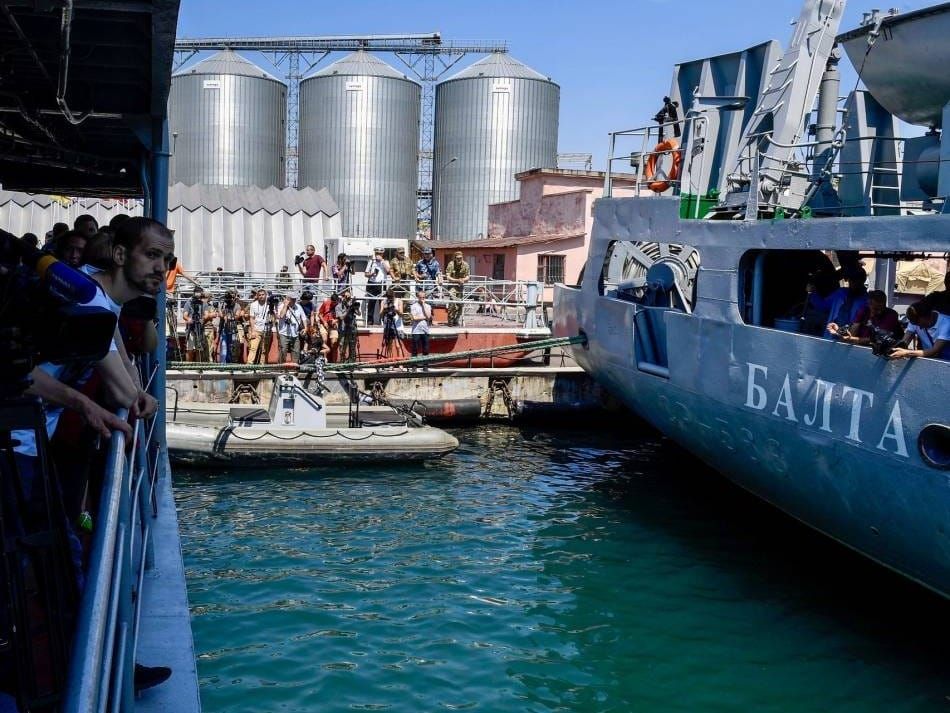
Russia struck Ukraine's port of Odesa, violating the deal brokered by Turkey and the United Nations that Moscow and Kyiv signed less than a day earlier.
Obstructed by Russia's demands, the U.N. Security Council agreed to a six-month entension for cross-border humanitarian aid deliveries to Syria.
Red Cross and U.N. workers rescued civilians from Ukraine's besieged Mariupol, busing them to safety as part of a negotiated "safe passage" operation.
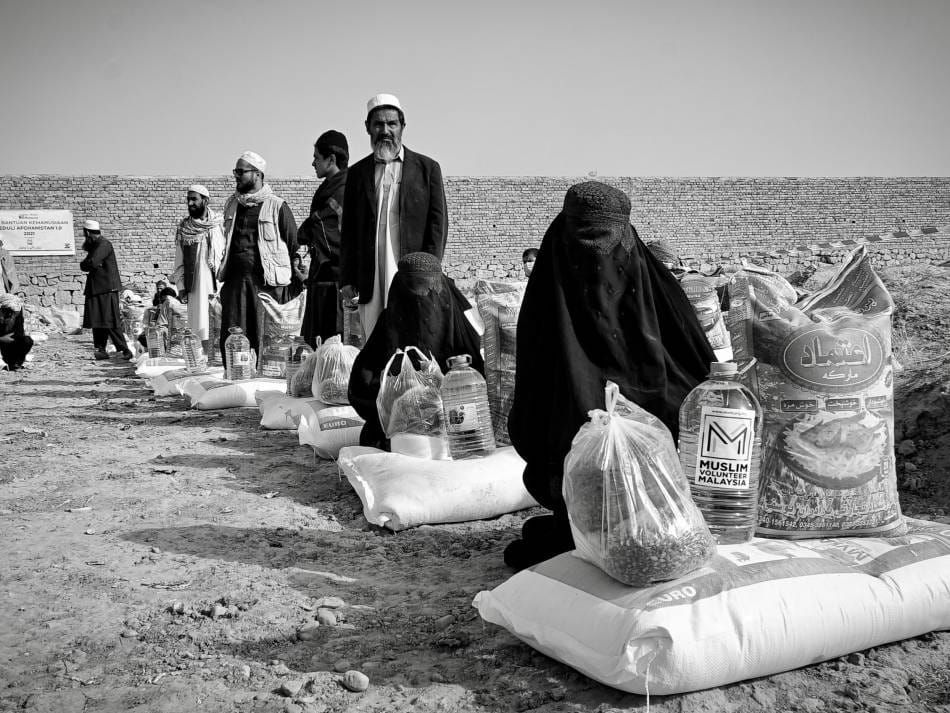
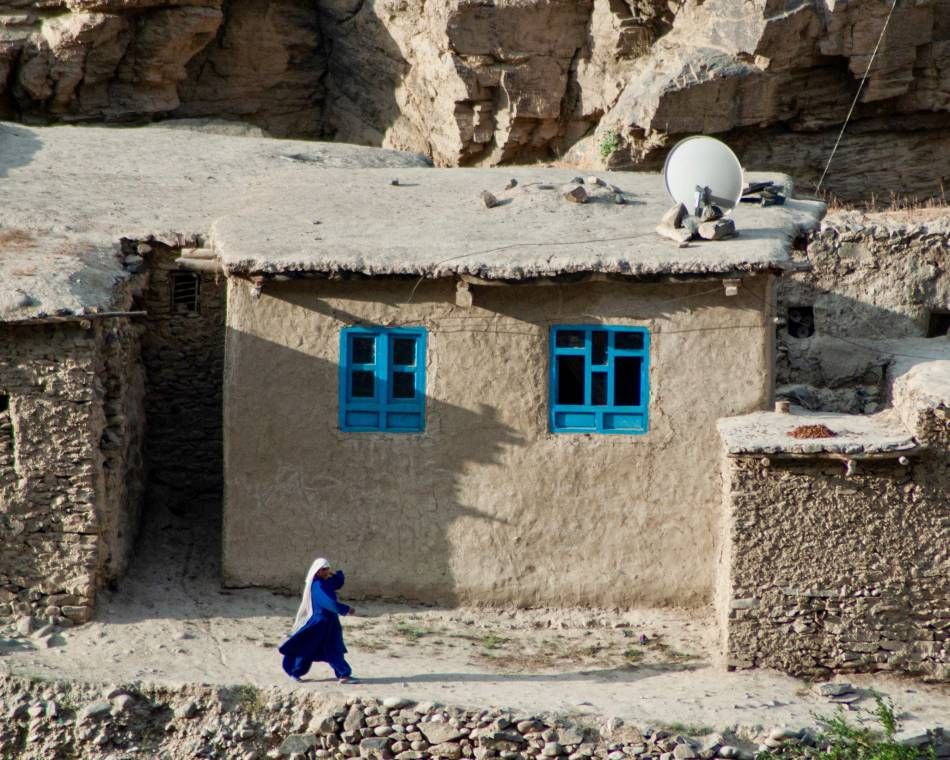
Afghanistan needs more than $5 billion in aid to avert looming crises, the U.N. said in its largest-ever such appeal.
Some 274 million people will need emergency humanitarian aid in 2022 due to war, conflicts, hunger, climate change and the pandemic, the U.N. said.
As the Taliban consolidates power, donors pledged to provide emergency aid for Afghans at a U.N.-sponsored fundraiser.
The U.N. health agency and other international organizations began airlifting emergency supplies to Afghanistan through neighboring Pakistan and its airline.
Humanitarian aid agencies and U.N. leaders scrambled to protect civilians in Afghanistan while calling on the Taliban to end fighting and provide assurances.