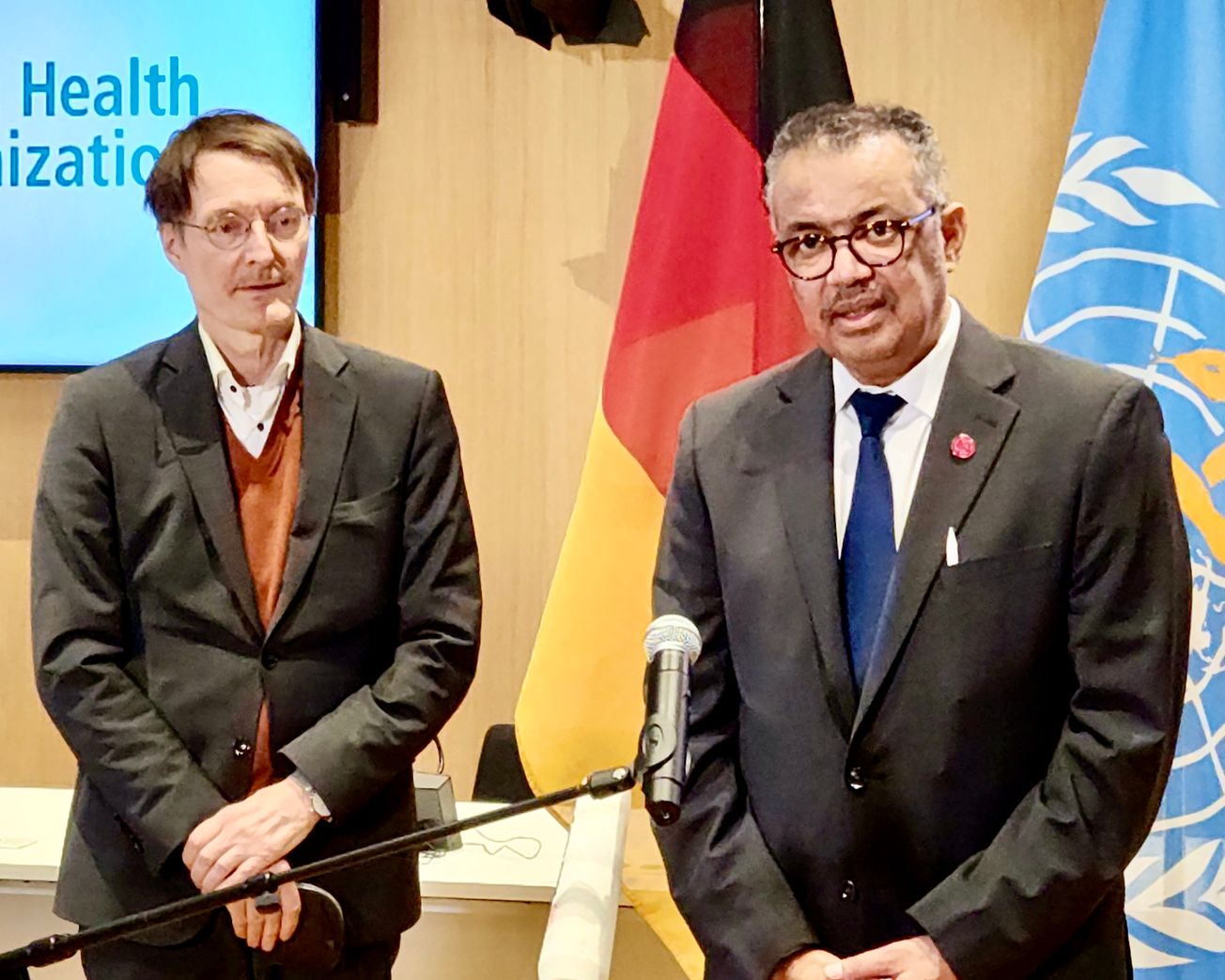
Keywords for the next pandemic: accountability, equity, solidarity
Chief among the questions over a proposed pandemic treaty is an 'accountability gap' that undermines the proposed treaty's potential.
The World Health Organization is the United Nations’ specialized agency for international public health. Headquartered in Geneva, it coordinates global responses to health emergencies, sets data-driven standards, and promotes universal health coverage. Guided by the principle that health is a fundamental human right, WHO works with 194 member nations to combat infectious diseases, strengthen resilient health care systems, and ensure well-being for the world’s most vulnerable.
Already have an account? Log in
Chief among the questions over a proposed pandemic treaty is an 'accountability gap' that undermines the proposed treaty's potential.
The rationale for the WHO's proposed pandemic treaty is to erase "gross inequities" between rich and poor that's a scourge of the pandemic.
WHO leaders agree the pandemic may be approaching "an inflection point" of higher immunity resulting in fewer deaths.
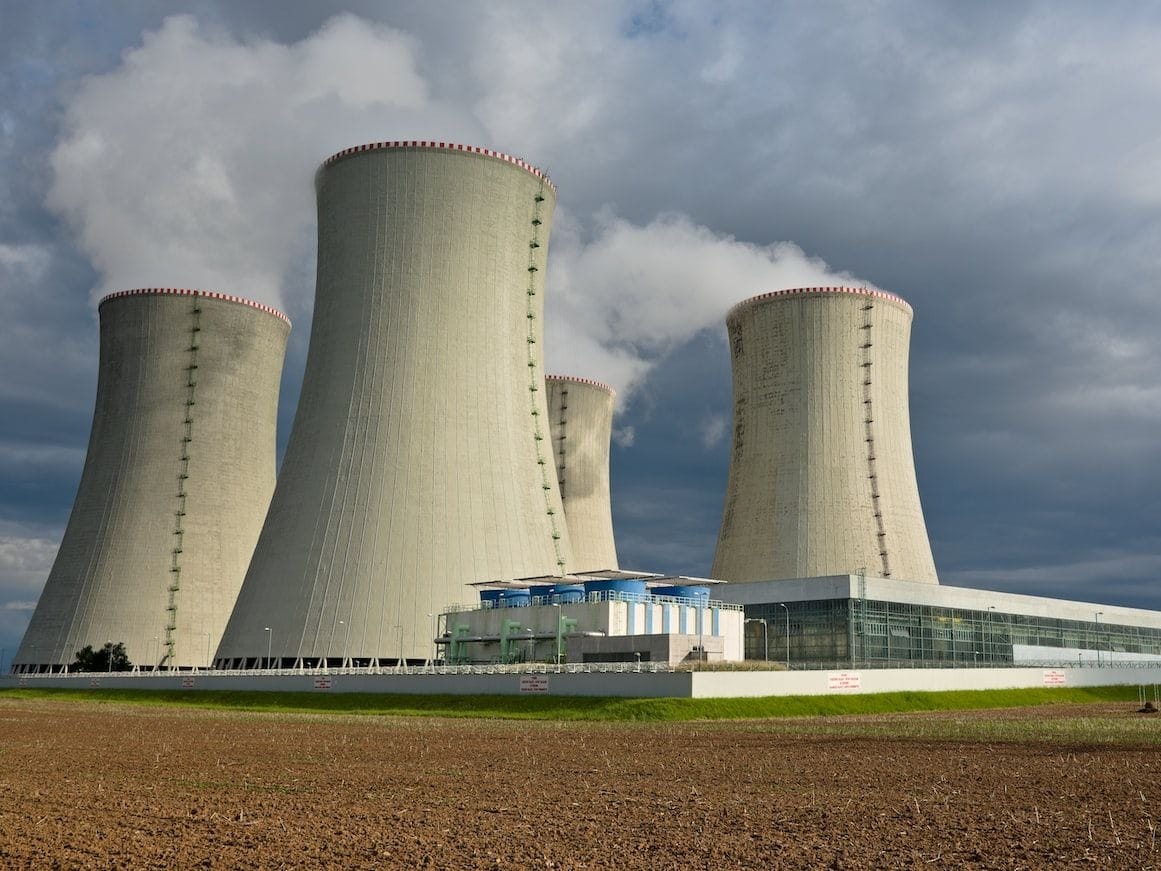
Almost half of WHO's `94 member nations said they "still lacked essential elements of preparedness for radiation emergencies."
Despite the temptation to end the pandemic, some leading health experts say it would be better to keep up the pressure.
A lack of feed, fertilizer, financing, food and fuel is blamed for hunger, lack of nutrition and medical issues from conflicts, climate and other factors.
The money is needed for 54 emergencies worldwide that require an "unprecedented" response from donors to provide aid.
The U.N. health agency sought information from Beijing about the COVID-19 surge as nations impose travel restrictions.
Attacks targeting medical facilities, personnel and transport are prohibited under international humanitarian law.
The board approved spending $13.7 billion in more than 120 countries over the next three years to fight HIV, TB and malaria.
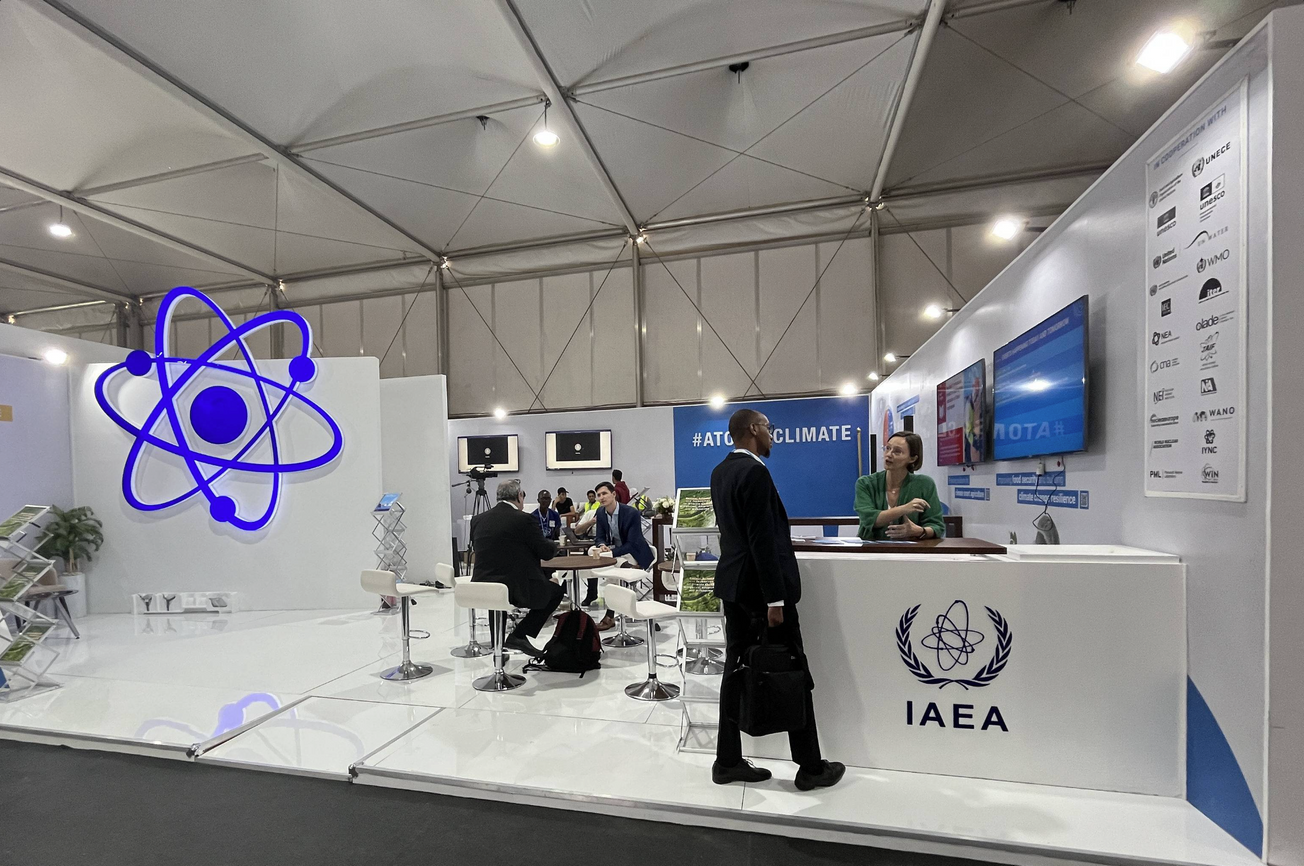
The U.N. climate summit in Sharm el-Sheikh, Egypt gives industry and agency leaders an opportunity to champion nuclear power's possibilities.
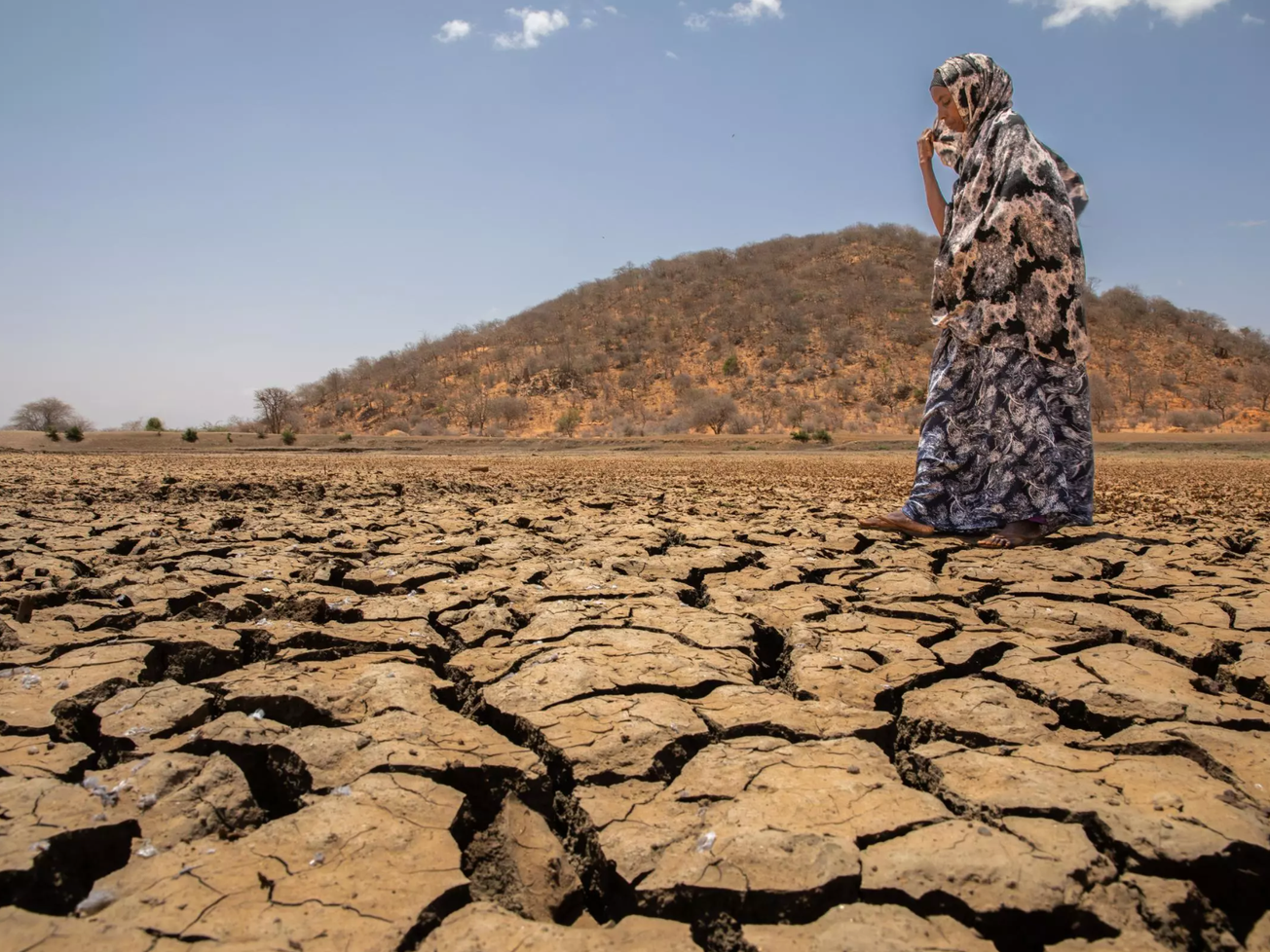
Drought, floods, disease outbreaks and a global food crisis add pressure for real action at the U.N. climate summit in Egypt.
Concerns are rising about the risk of a "twindemic" of COVID-19 and influenza as their seasons collide this winter.
Health care for women and children suffered major setbacks from multiple crises in recent years, requiring serious investment in public health resources.
With the number of deaths from COVID-19 reaching its lowest point of the pandemic, WHO's director-general for the first time said "the end is in sight."
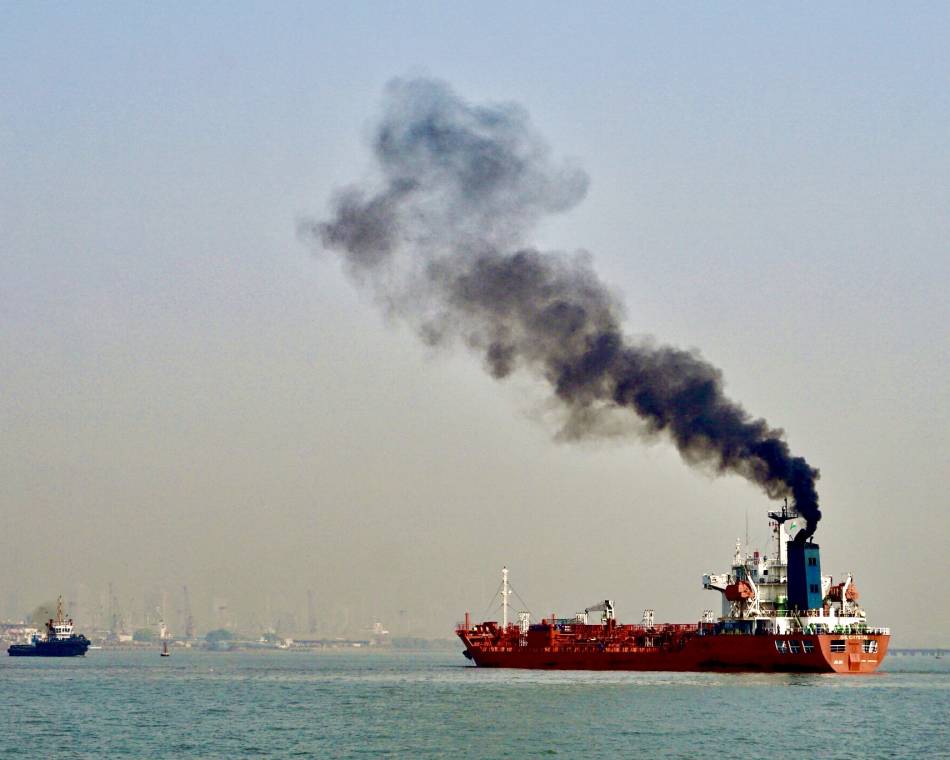
Nearly 200 public health organizations want a "fossil fuel nonproliferation treaty" to end global dependence on carbon emissions linked to air pollution.