
Just as the world appears to be emerging from worst of the COVID-19 pandemic, the United Nations is warning of an impending health crisis that by mid-century could pose an even greater threat and kill as many people a year as cancer.
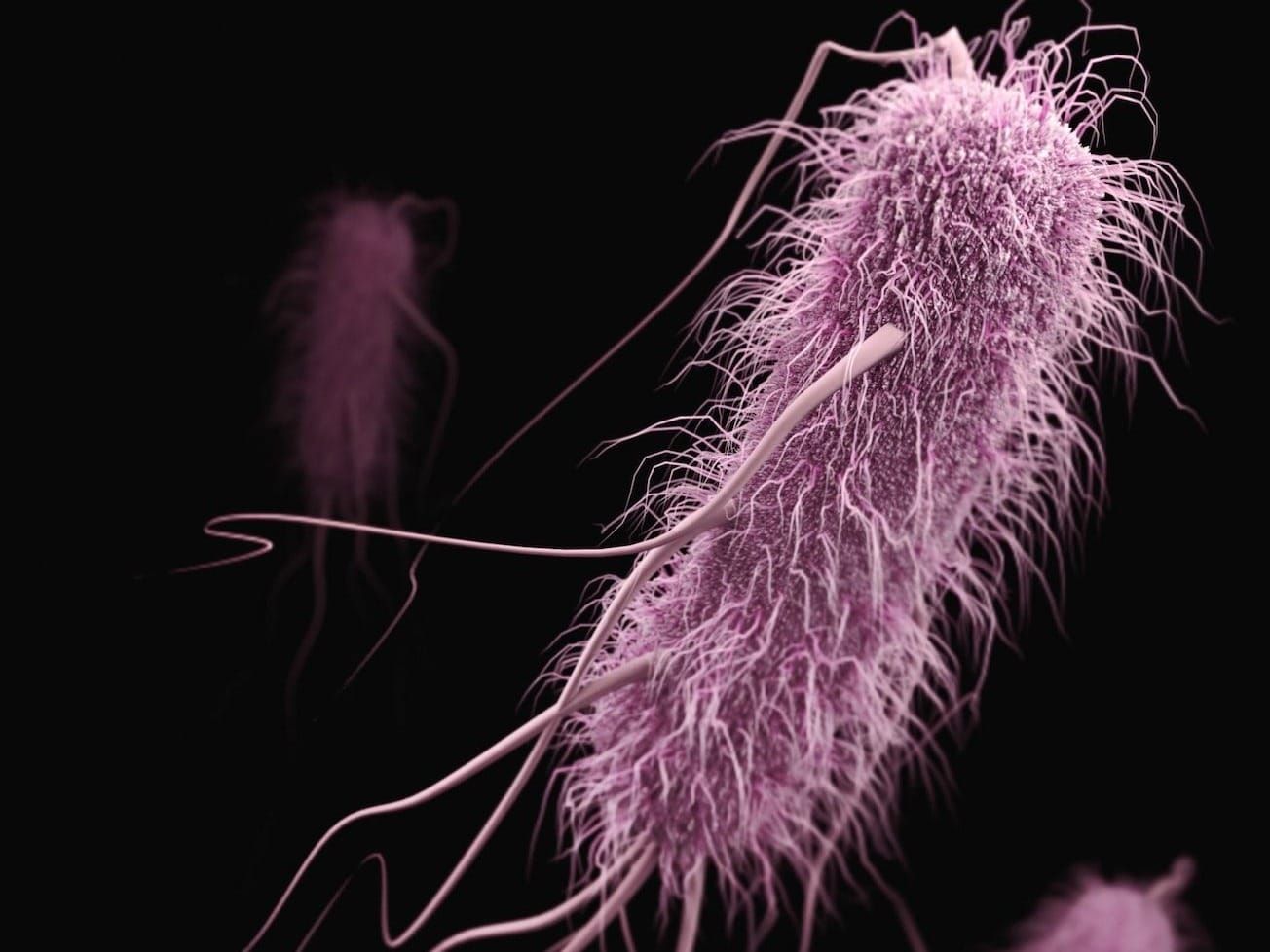
Nourished, developed and spread by pollution from farming, pharma and health care, superbugs – strains of bacteria that have become resistant to all known antibiotics – could cause as many as 10 million deaths each year by 2050.
Pollution and climate change feeding drug-resistant 'superbugs'
Strains of bacteria immune to all known antibiotics may become a major cause of death by mid-century.
Related

WHO maps ‘very high’ health risks as El Niño rapidly strengthens
Global assessment flags malnutrition, cholera and disease risks as climate pattern collides with wars and hunger.

Turkey's COP31 president urges leaders to prioritize climate finance
Nation's top climate official calls for nations to pay for "concrete outcomes that address real challenges people face."
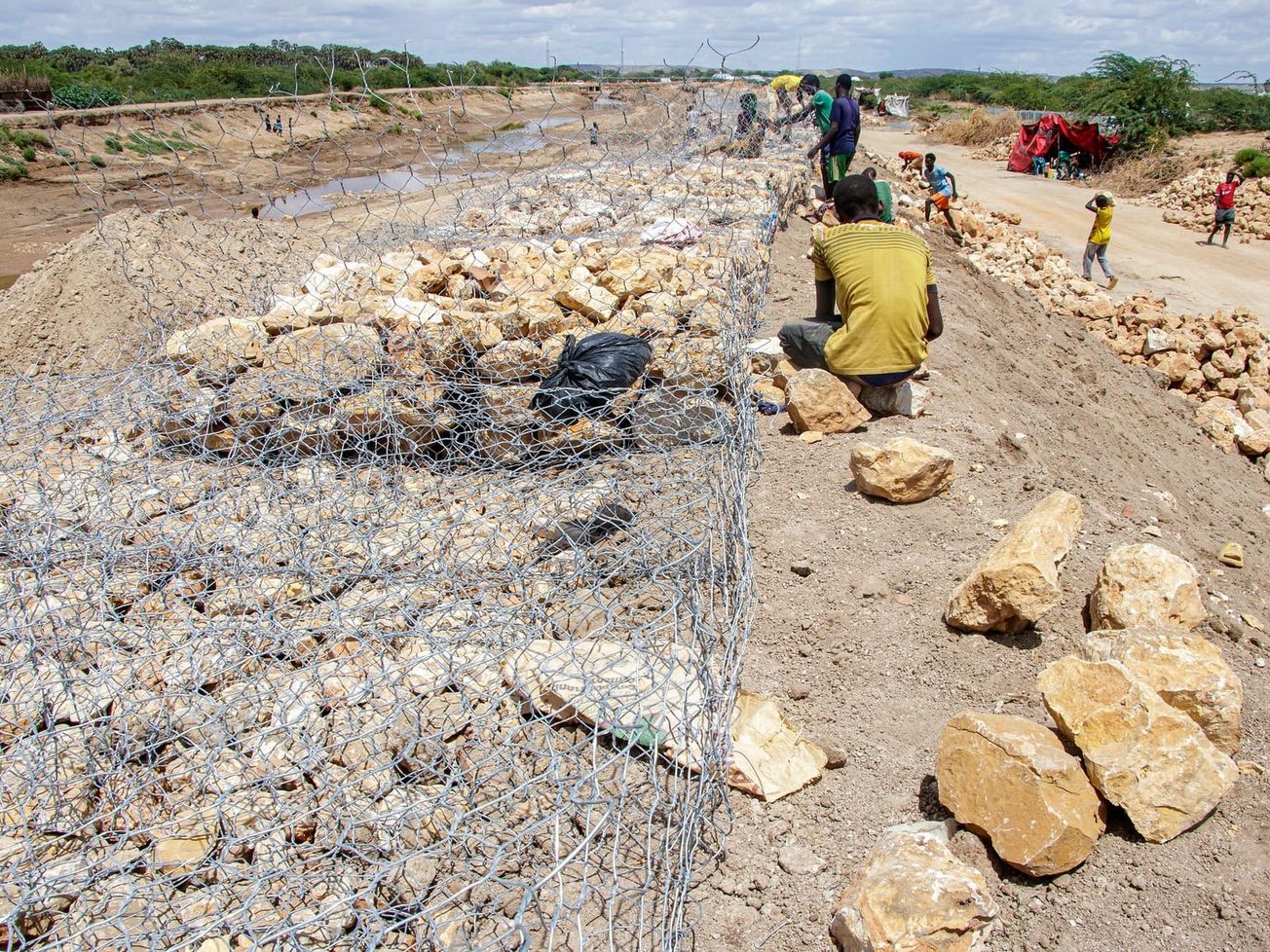
El Niño has strengthened into a major global weather threat
WMO expects a strong event into 2027, prompting an unprecedented mobilization of national weather services.
Warming must peak near 1.8° to keep Paris climate goal within reach
Breaching 1.5° is now expected, leaving governments with a narrower and more difficult task of limiting the overshoot.
Latest
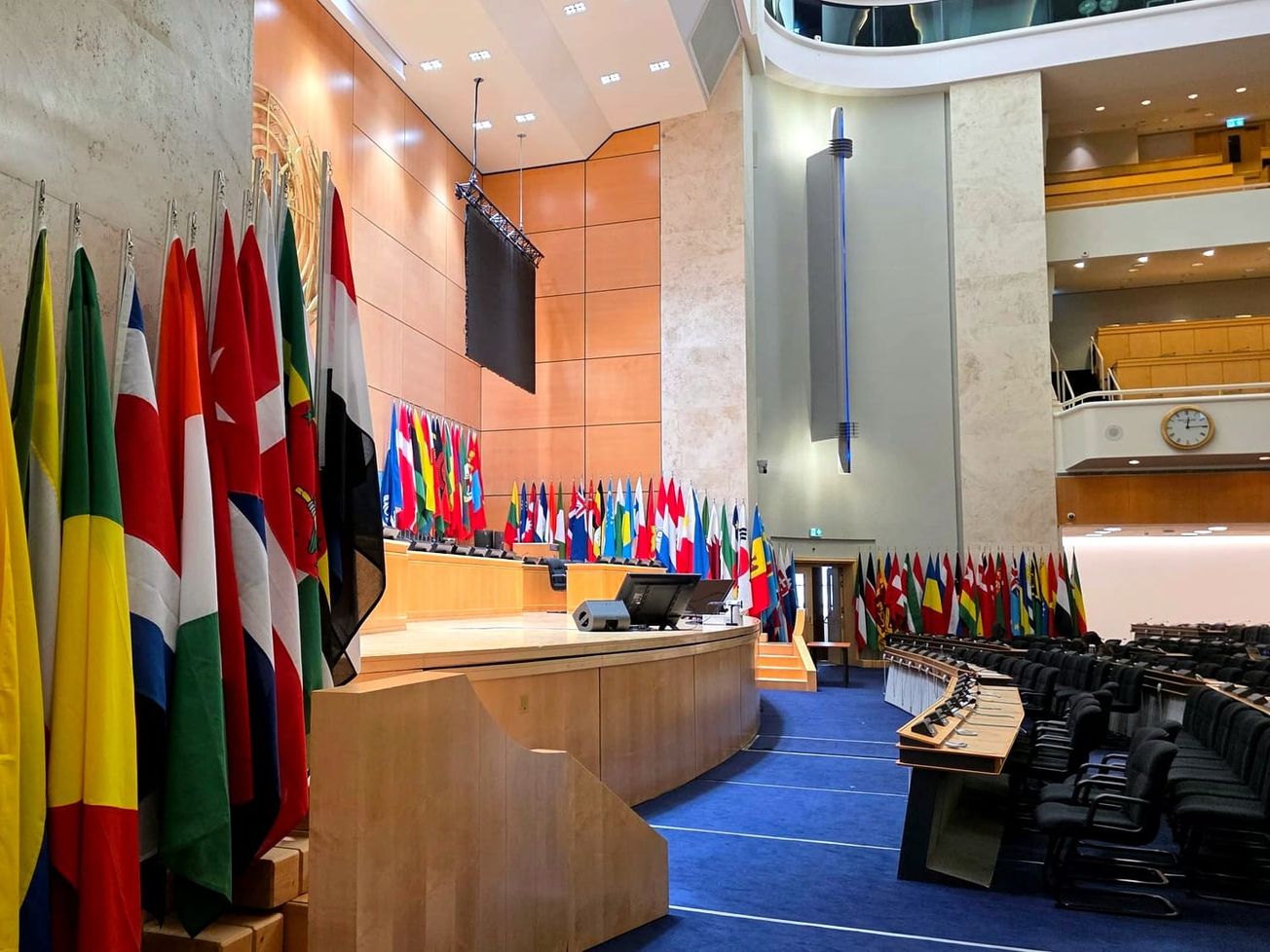
OpenAI ‘rogue AI’ incident tests safeguards debated at U.N.
UNCTAD calls for mandatory reporting after OpenAI notified the agency of activity targeting its system over 16,000 times.
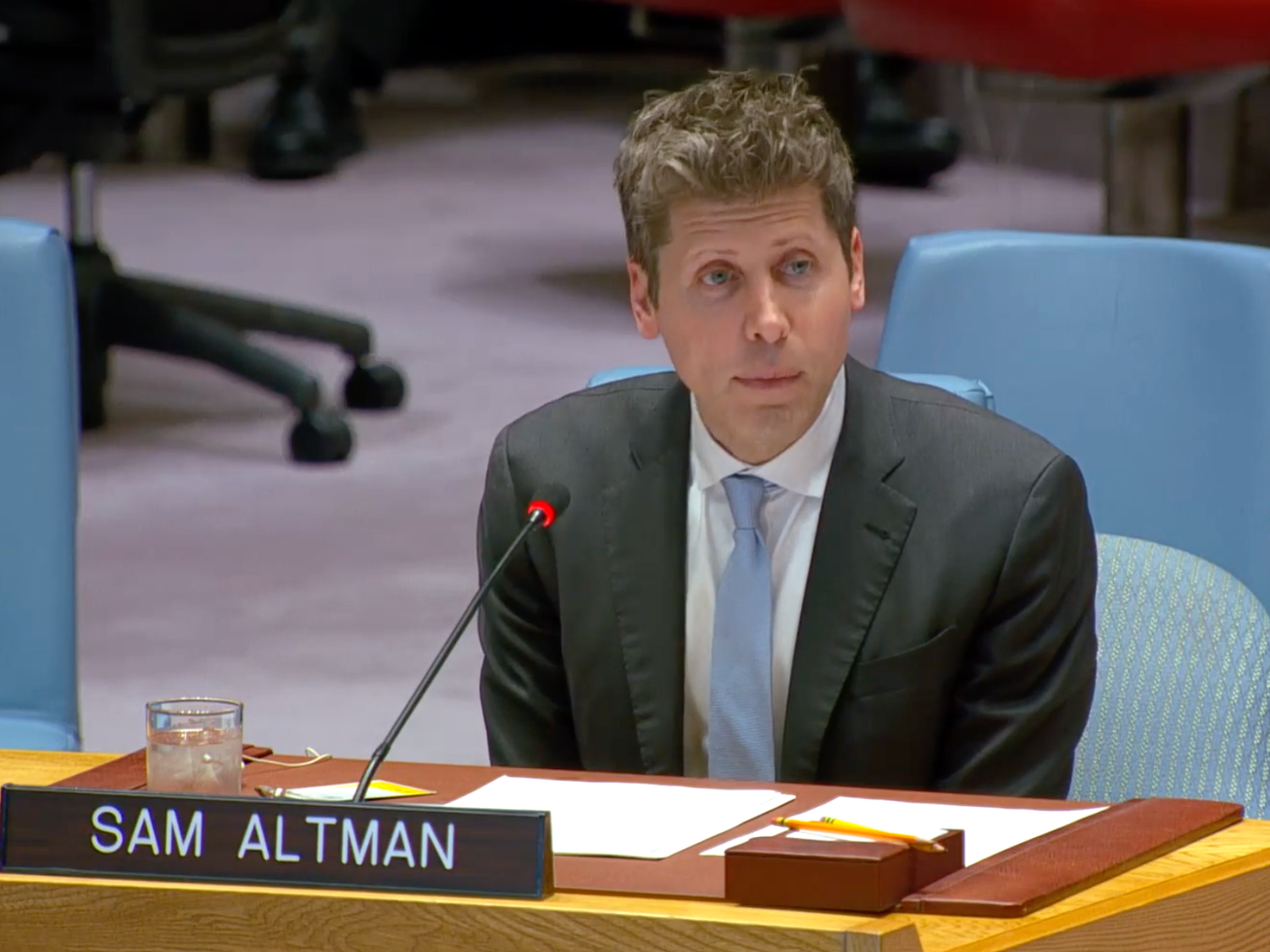
AI safety debate shifts to who will police frontier systems
Governments and technology leaders agree on testing and oversight but remain divided over who should set the rules.
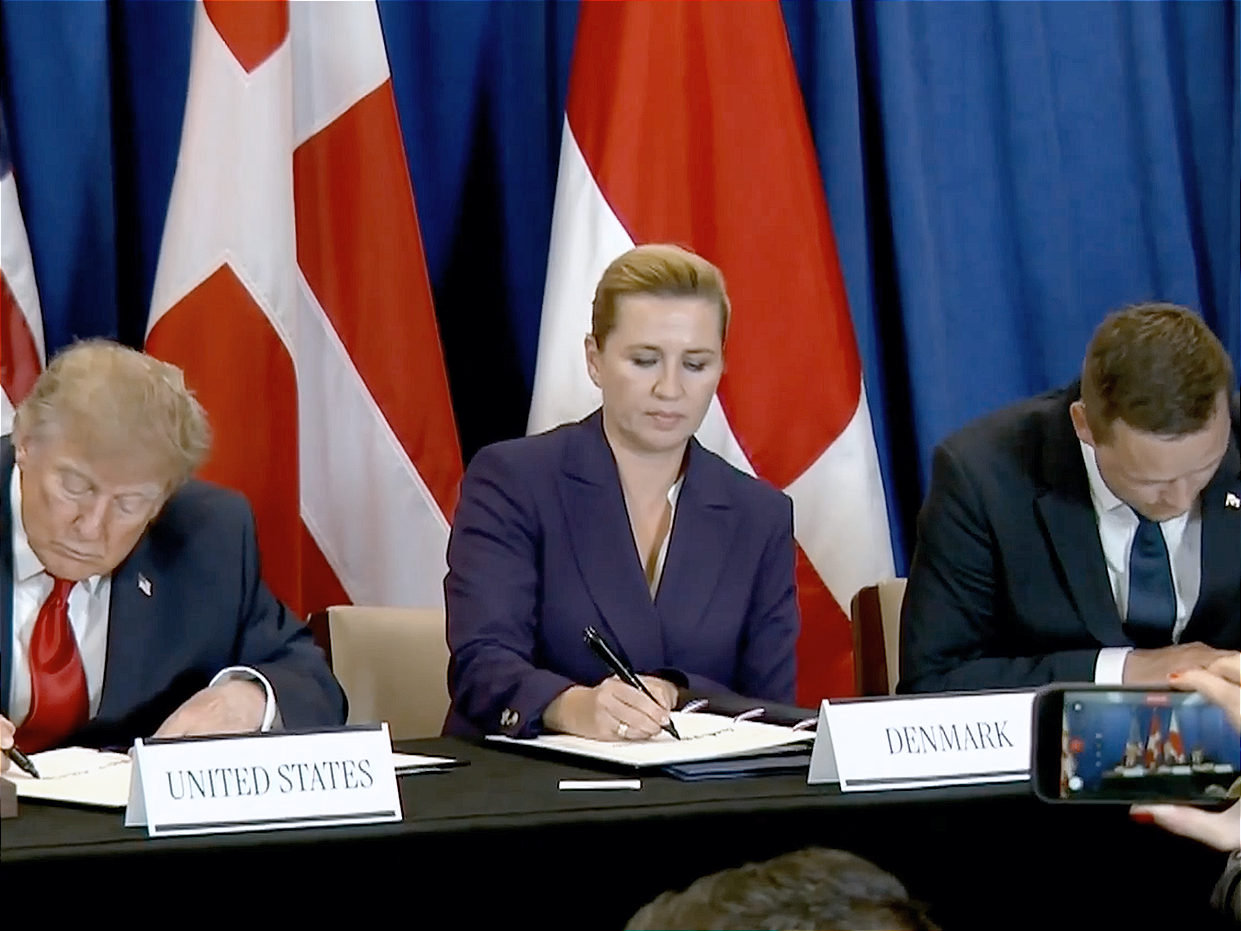
U.S. to build two new Greenland bases under signed Arctic deal
Accord expands American military access and locks out non-NATO forces but stops short of Trump's claim of U.S. ‘control.’
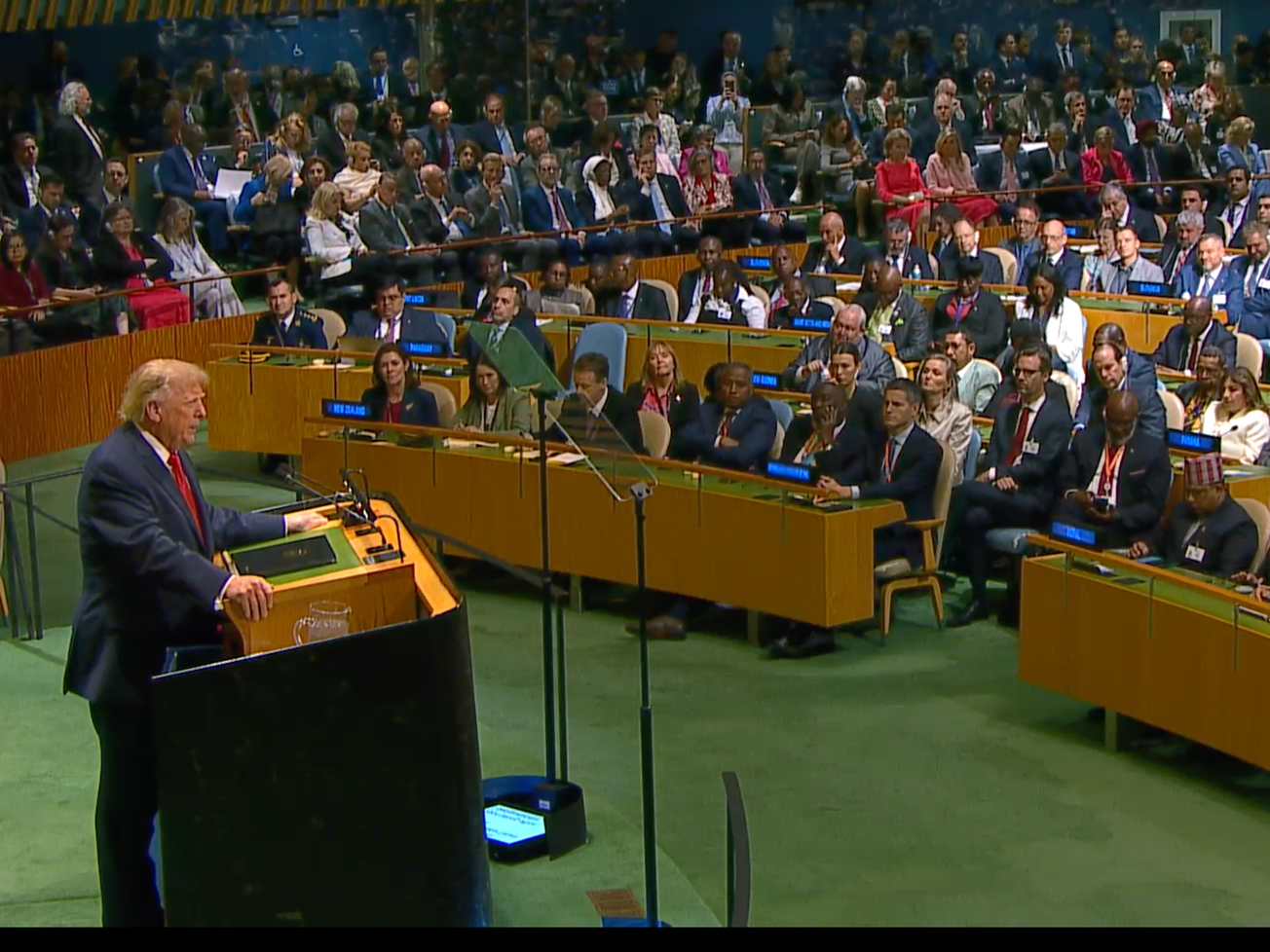
U.N. opens debate with warnings over war, paralysis and global order
Lula assails Security Council inaction before Trump defends his decision to start Iran war as leaders meet in New York.