
U.N. adopts pandemic declaration as global health divisions deepen
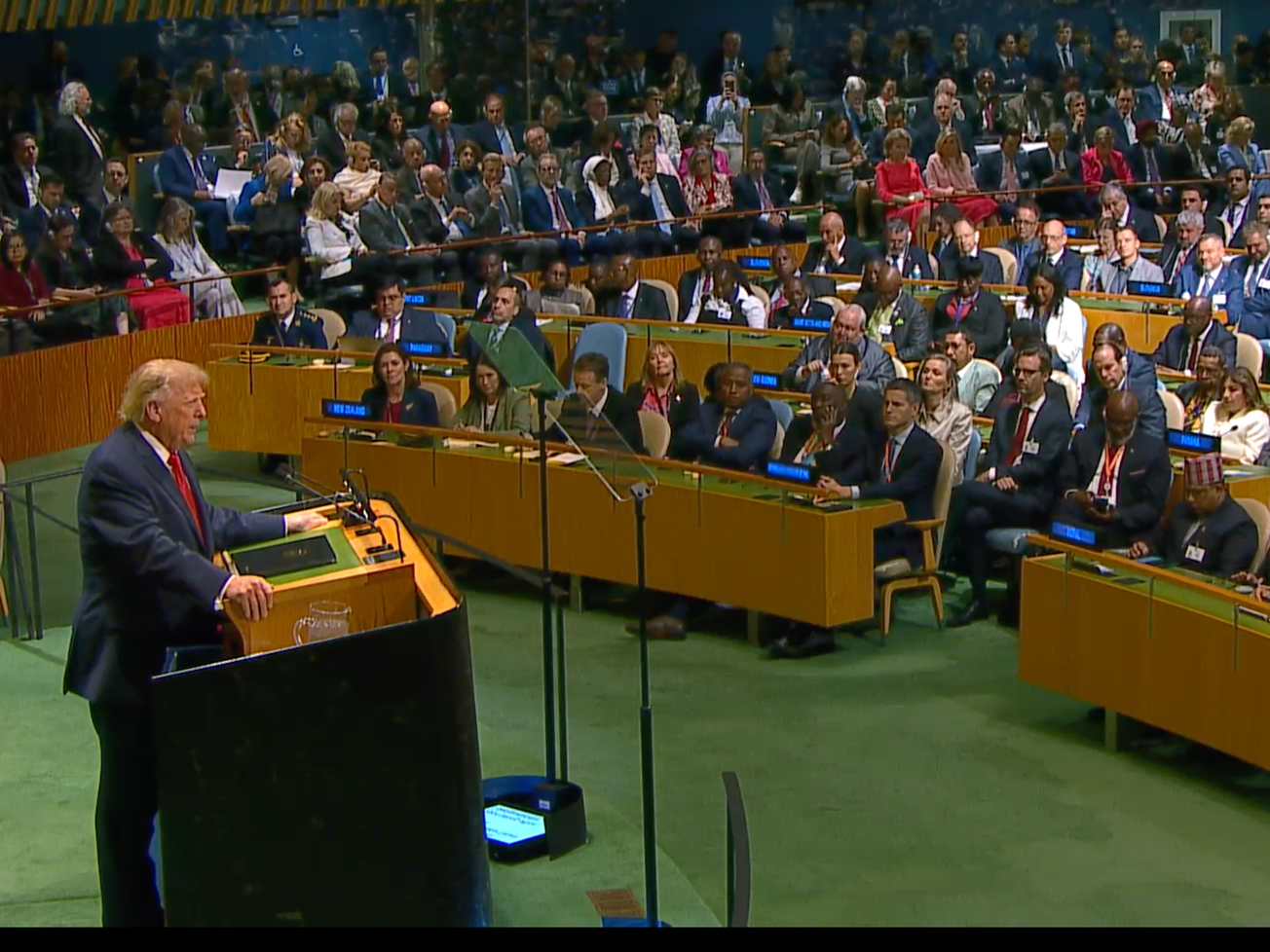
The U.S., Israel and Argentina oppose a declaration backed by 153 nations amid disputes over vaccine access and sharing.
The World Health Organization is the United Nations’ specialized agency for international public health. Headquartered in Geneva, it coordinates global responses to health emergencies, sets data-driven standards, and promotes universal health coverage. Guided by the principle that health is a fundamental human right, WHO works with 194 member nations to combat infectious diseases, strengthen resilient health care systems, and ensure well-being for the world’s most vulnerable.
Already have an account? Log in
The U.S., Israel and Argentina oppose a declaration backed by 153 nations amid disputes over vaccine access and sharing.
Four candidates outline plans to reshape the U.N. health agency, reduce duplication and rebuild global cooperation.
Beijing nominates public health official Song Li to succeed Tedros, joining a seven-way contest at the U.N. health agency.
Lula assails Security Council inaction before Trump defends his decision to start Iran war as leaders meet in New York.
Global assessment flags malnutrition, cholera and disease risks as climate pattern collides with wars and hunger.
LinkedIn nears Facebook in median audience as global bodies expand social presence across Bluesky, Instagram and TikTok.
Thousands flee to Djibouti as U.N. agencies warn health services and humanitarian operations are overwhelmed.
Nearly 4,000 cases are confirmed as authorities struggle with overloaded treatment centers and gaps in contact tracing.
Russia's war created unprecedented demand for prosthetic care, accelerating innovation and support for amputees.
Scientists and policy leaders argue the secretary-general's job is increasingly shaped by science and technology.
Shipping delays, rising transport prices and deep budget cuts force humanitarian agencies into difficult choices worldwide.
New strategies on antimicrobial resistance, financing and radiation protection approved - while doing 'more with less.'
WHO warns Bundibugyo outbreak may be significantly larger than detected as cases reach Kinshasa and Kampala.
European former leaders and health officials call for climate change to be treated as a security and public health crisis.
Health authorities have scrambled to trace dozens of people who recently sailed on the Dutch vessel MV Hondius.
International law, civilian protections and the rules of war are in sharp focus due to Trump's far-reaching military threats.