The next secretary-general of the United Nations will need many of the qualities traditionally associated with the world’s top diplomatic post: political judgment, the ability to build consensus and the credibility to navigate conflict among countries.
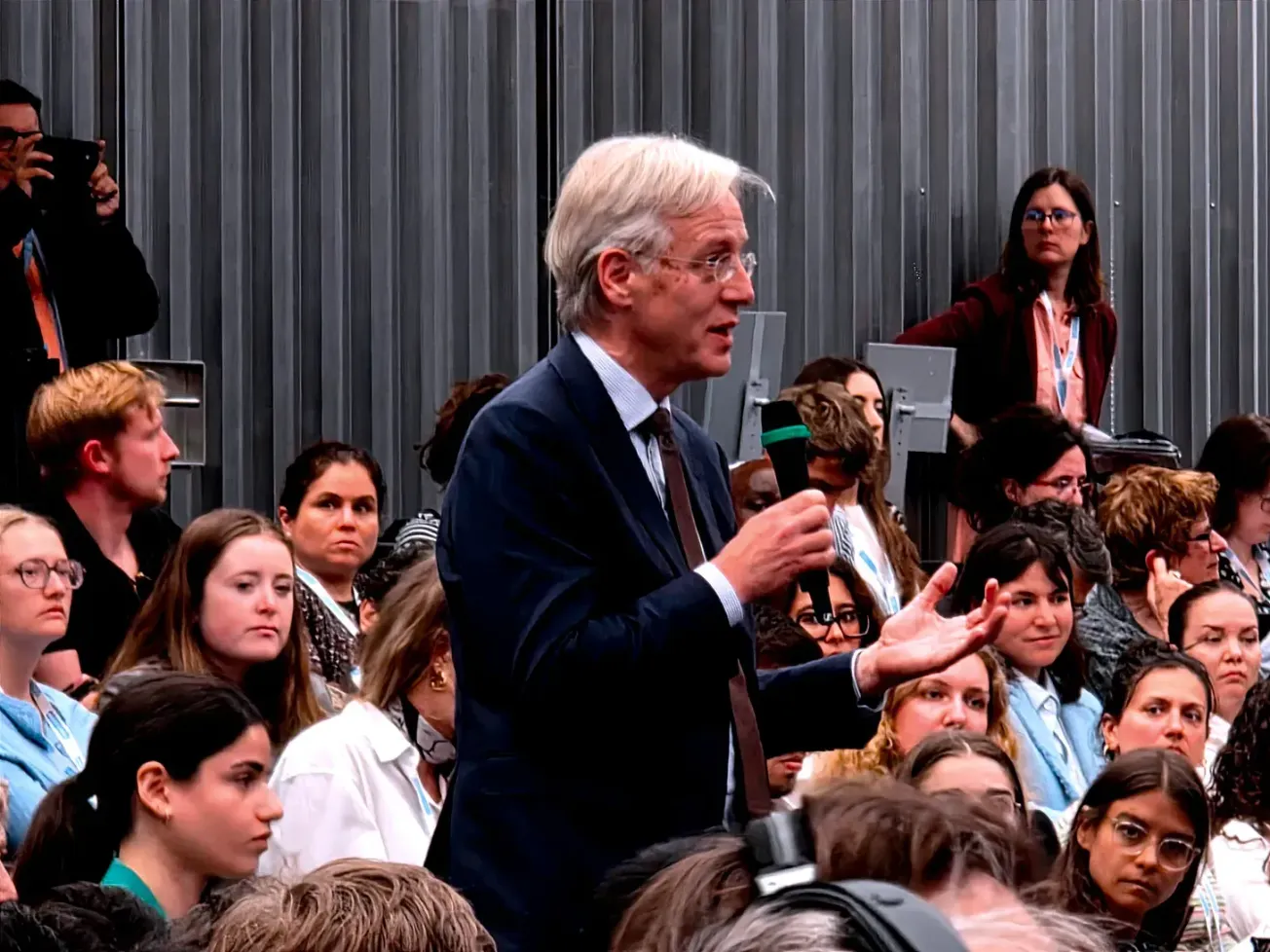
But those qualities may no longer be enough, according to Michael Møller, the former director-general of the United Nations Office at Geneva, who has over 40 years of experience as an international civil servant in the United Nations.
Science Diplomacy — Global Issues — United Nations — U.N. Office at Geneva (UNOG) — Intergovernmental Panel on Climate Change — World Health Organization — International Science Council (ISC) — GWL Voices — United Nations Foundation — Canada — International Network for Government Science Advice — European Commission — Independent International Scientific Panel on AI — Chile — U.N. Trade and Development (UNCTAD) — Costa Rica — International Atomic Energy Agency — Senegal — U.N. General Assembly (UNGA) — Ecuador — In Depth