Human rights and aid concerns spike as waves of Sudanese flee
Most of Khartoum, Darfur and North Kordofan are too dangerous to operate in, the U.N. refugee agency said.
Most of Khartoum, Darfur and North Kordofan are too dangerous to operate in, the U.N. refugee agency said.
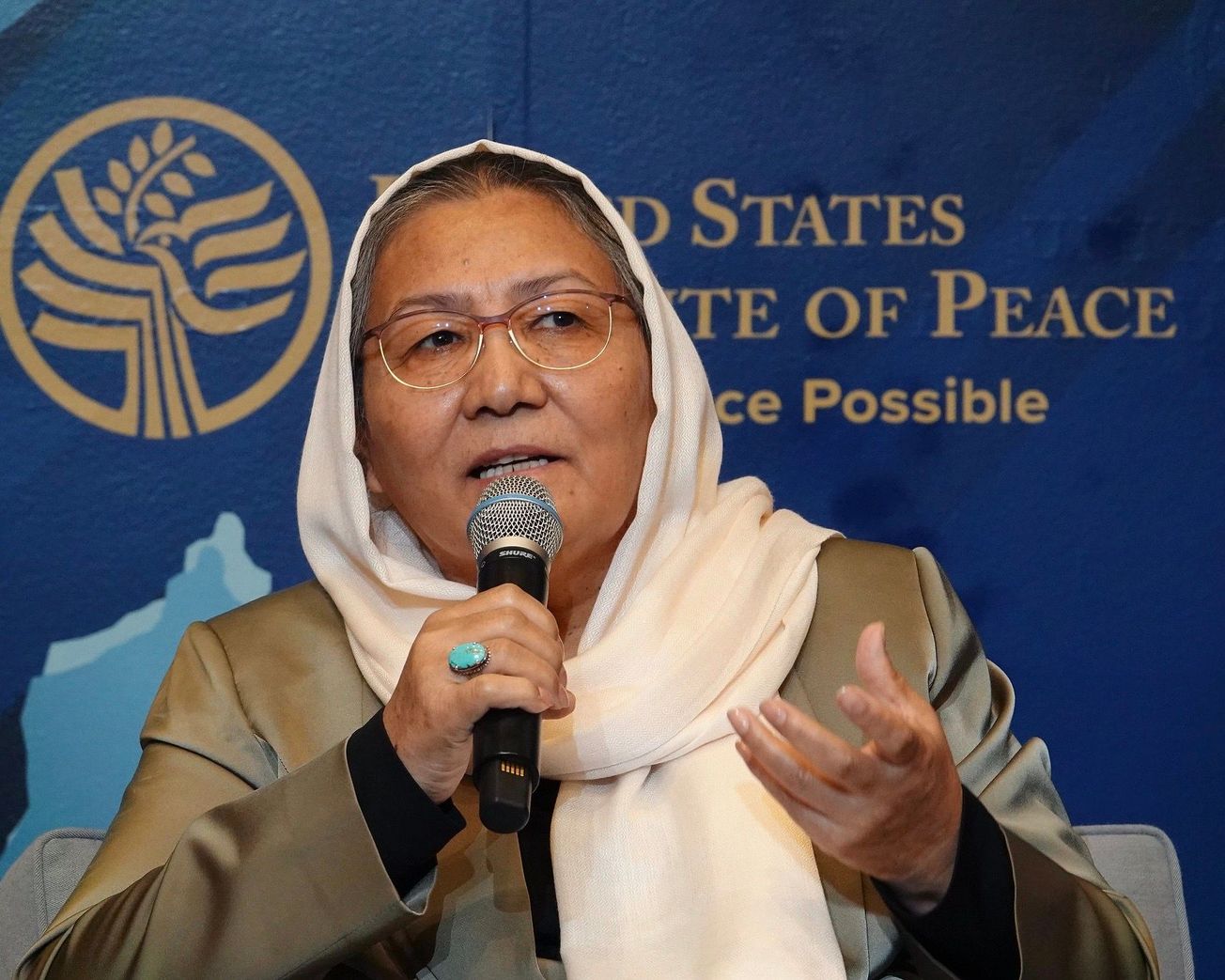
A U.N. Security Council resolution calls on Afghanistan's de factor rulers to quickly restore the rights of women and girls.
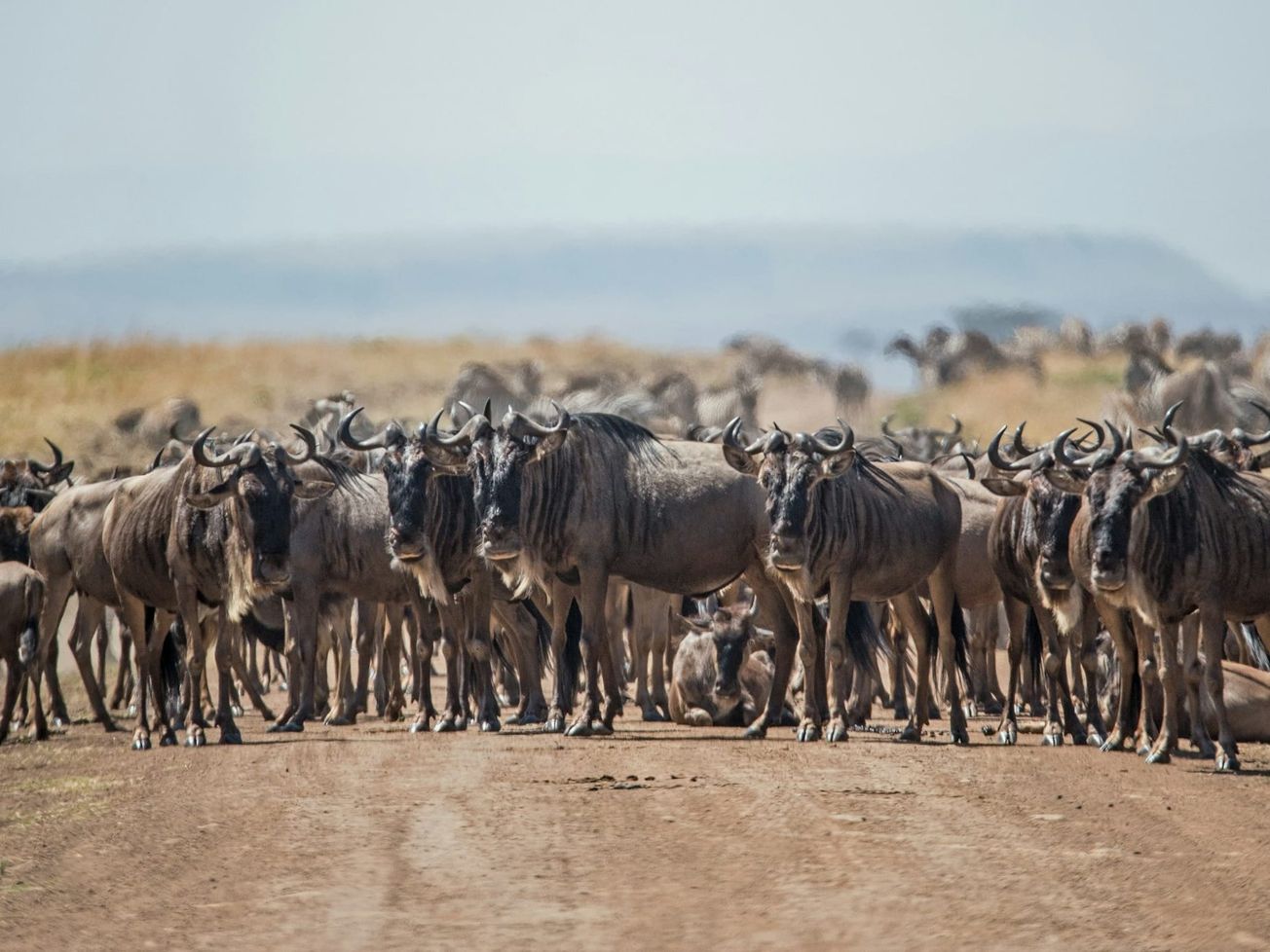
The collaboration found parts of genomes remained the same for all mammalian species over millions of years of evolution.
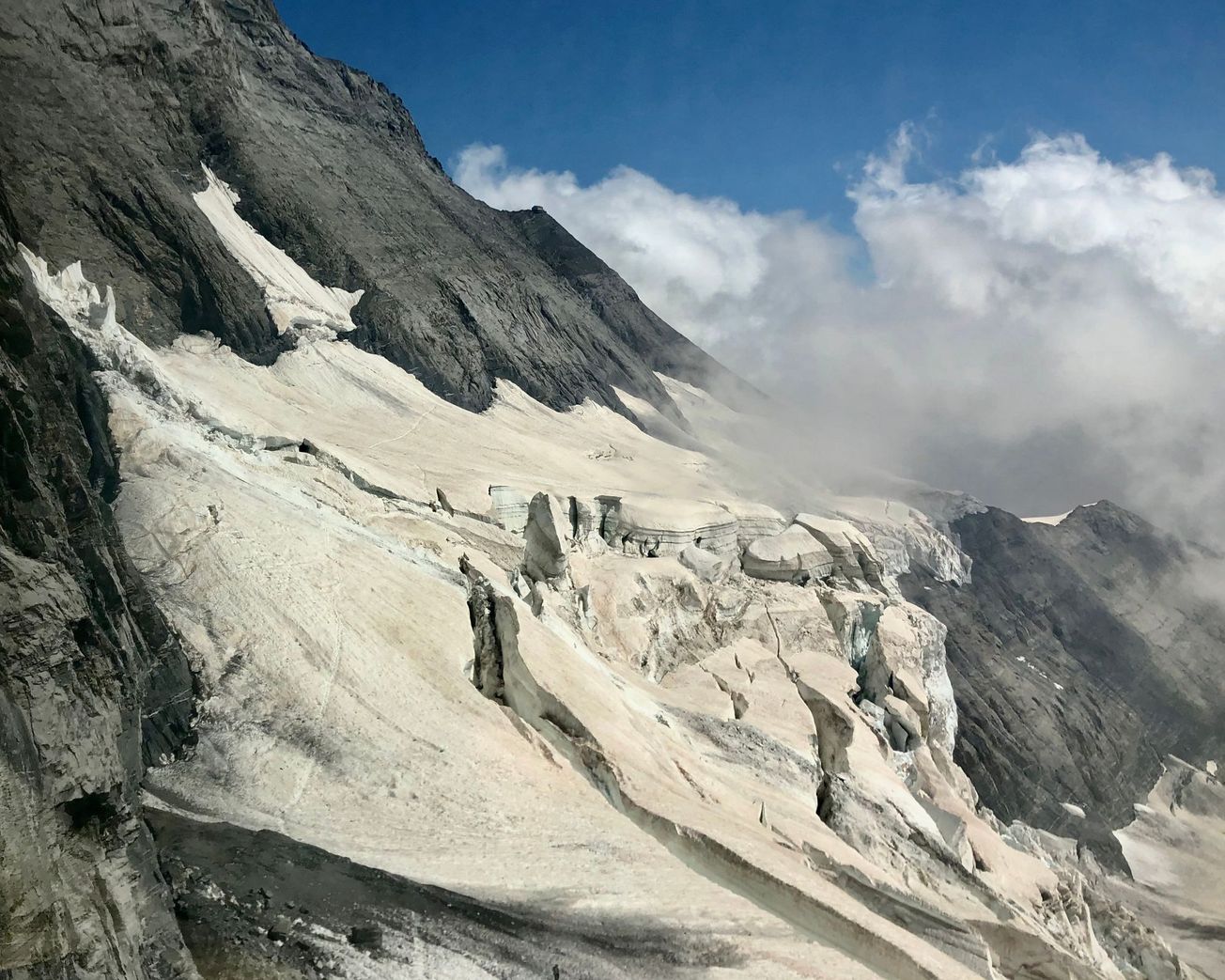
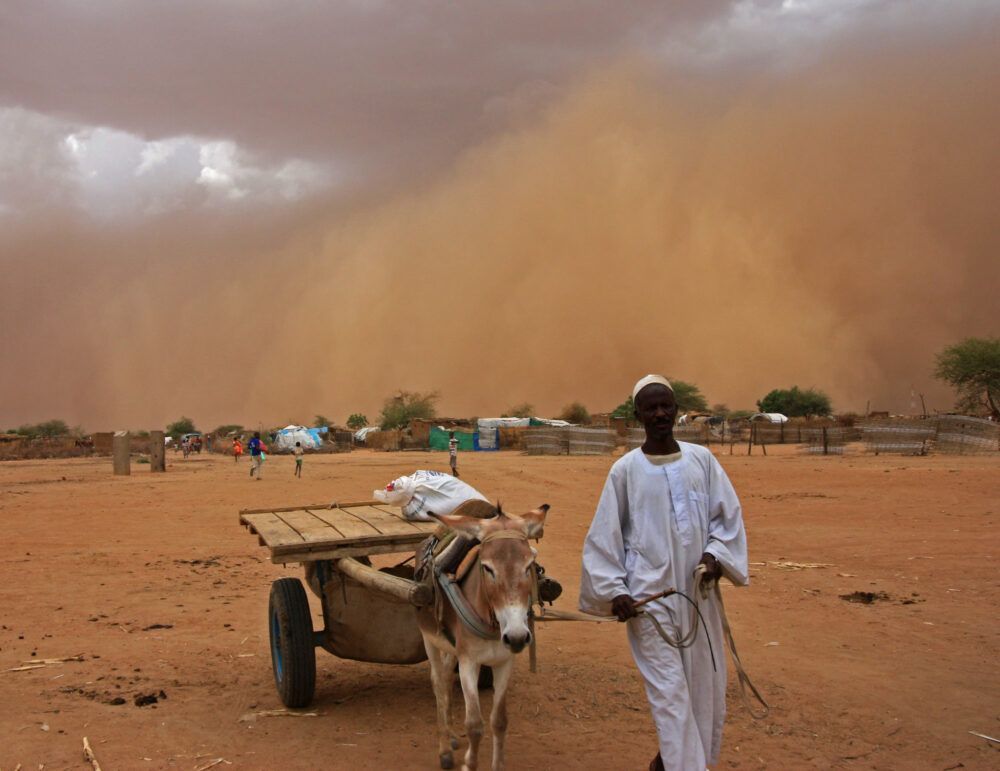
Low rainfall and high evaporation rates 'would not have led to drought at all in a 1.2° C. cooler world,' scientists concluded.
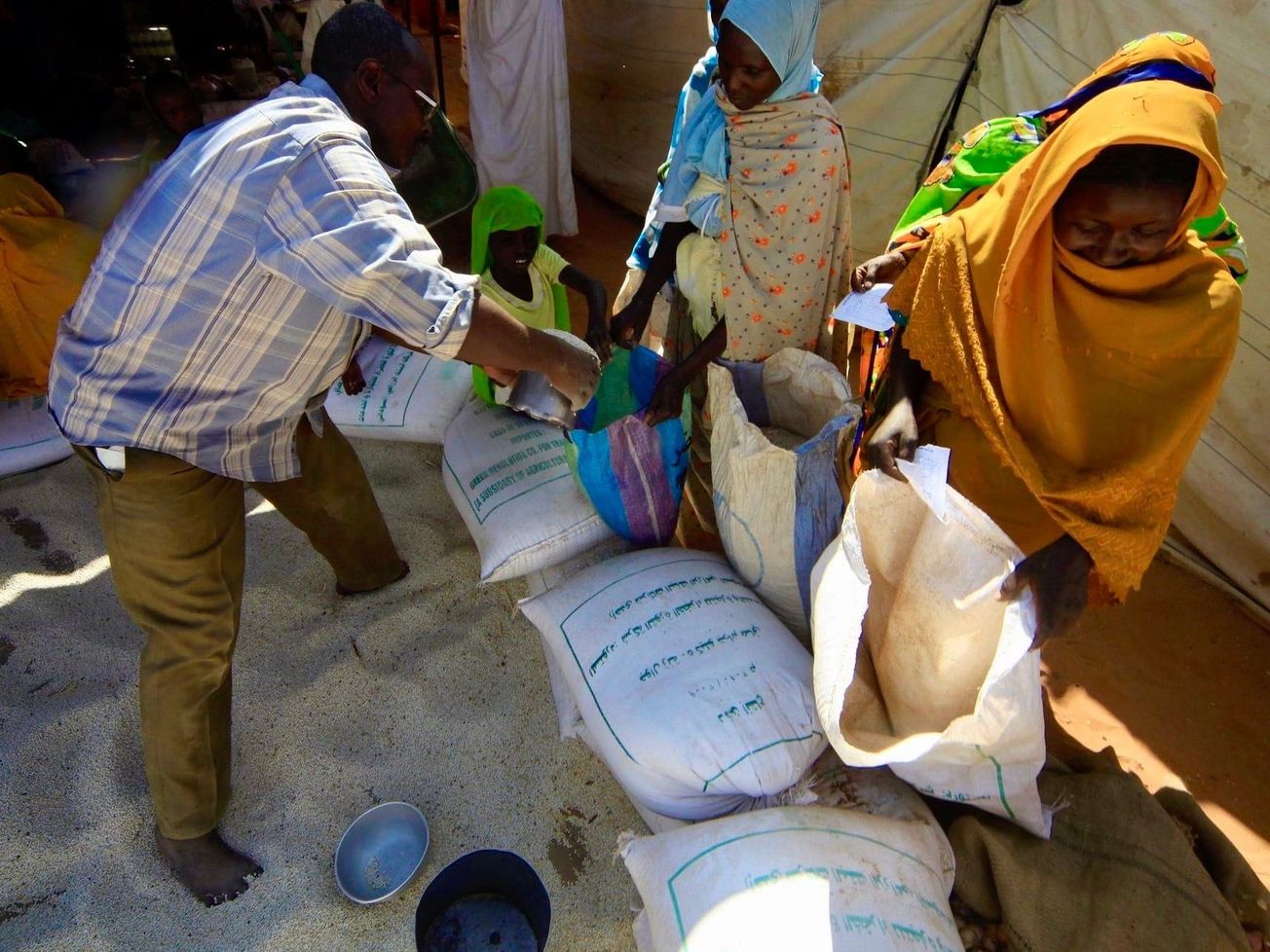
Sudan's unraveling forced humanitarian aid organizations, including those with staff killed by fighting, to suspend operations, despite millions of civilians in great need.
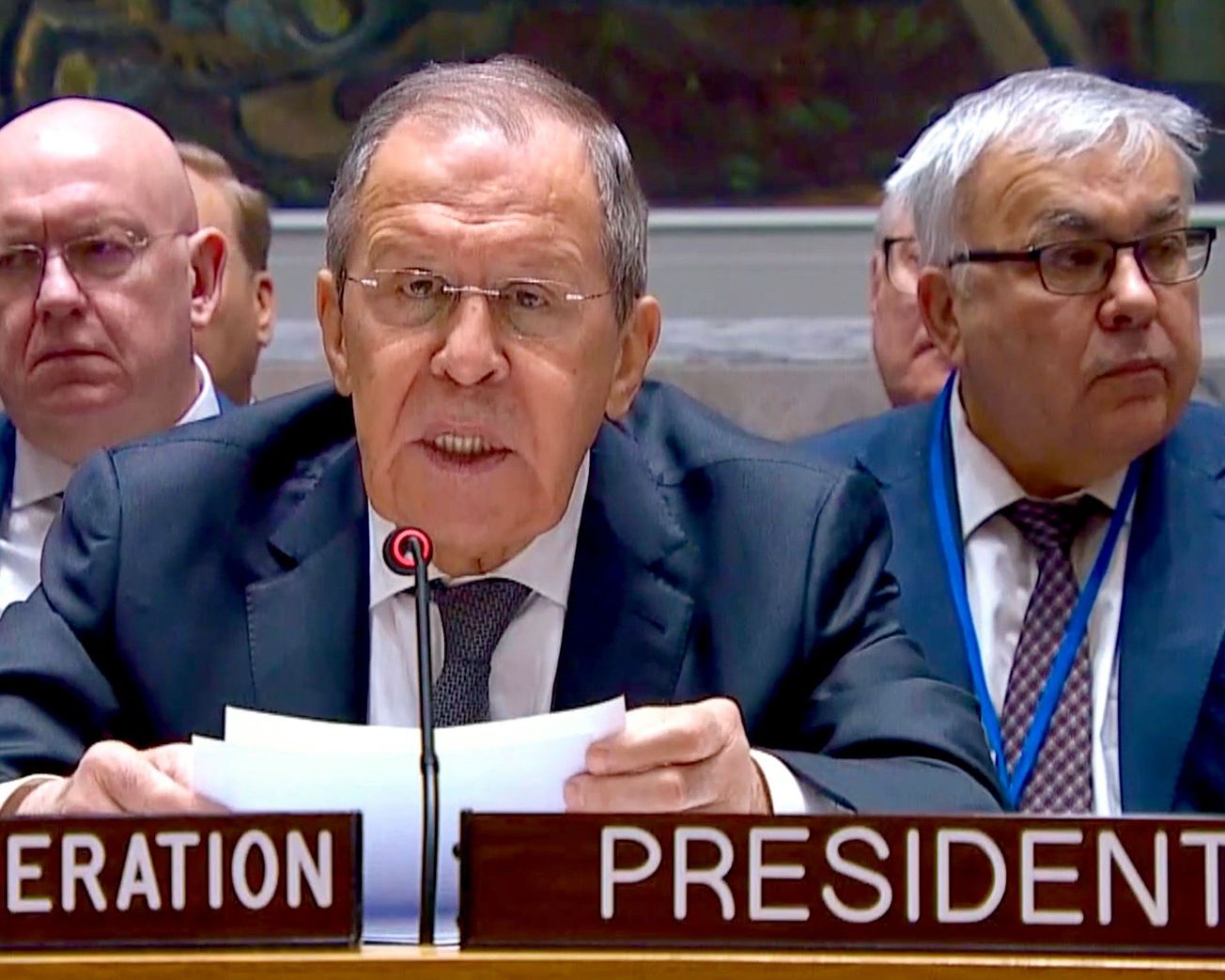
Twice in a week U.N. Secretary-General António Guterres has criticized two powerful members of the world body: Russia for invading Ukraine and the U.S. for spying on his phone calls.
Droughts, floods and heatwaves drove food insecurity and mass migration as communities on every continent were hit by massive costs, the World Meteorological Organization said.
Public perception of the importance of vaccines for children fell during the pandemic in 52 of 55 countries studied.
Hundreds of accounts of world leaders and their institutions, plus 40 organizations and their leaders, were to be demoted.
The NATO chief emphasized the need to negotiate new arms control arrangements, despite broad geopolitical worries.
The Group of Seven's nonproliferation directors expressed alarm that Russia, China and North Korea have all been pushing to expand their nuclear-armed capabilities.
An estimated 15 million people among Sudan's 46.7 million population are facing acute food insecurity, according to WFP.
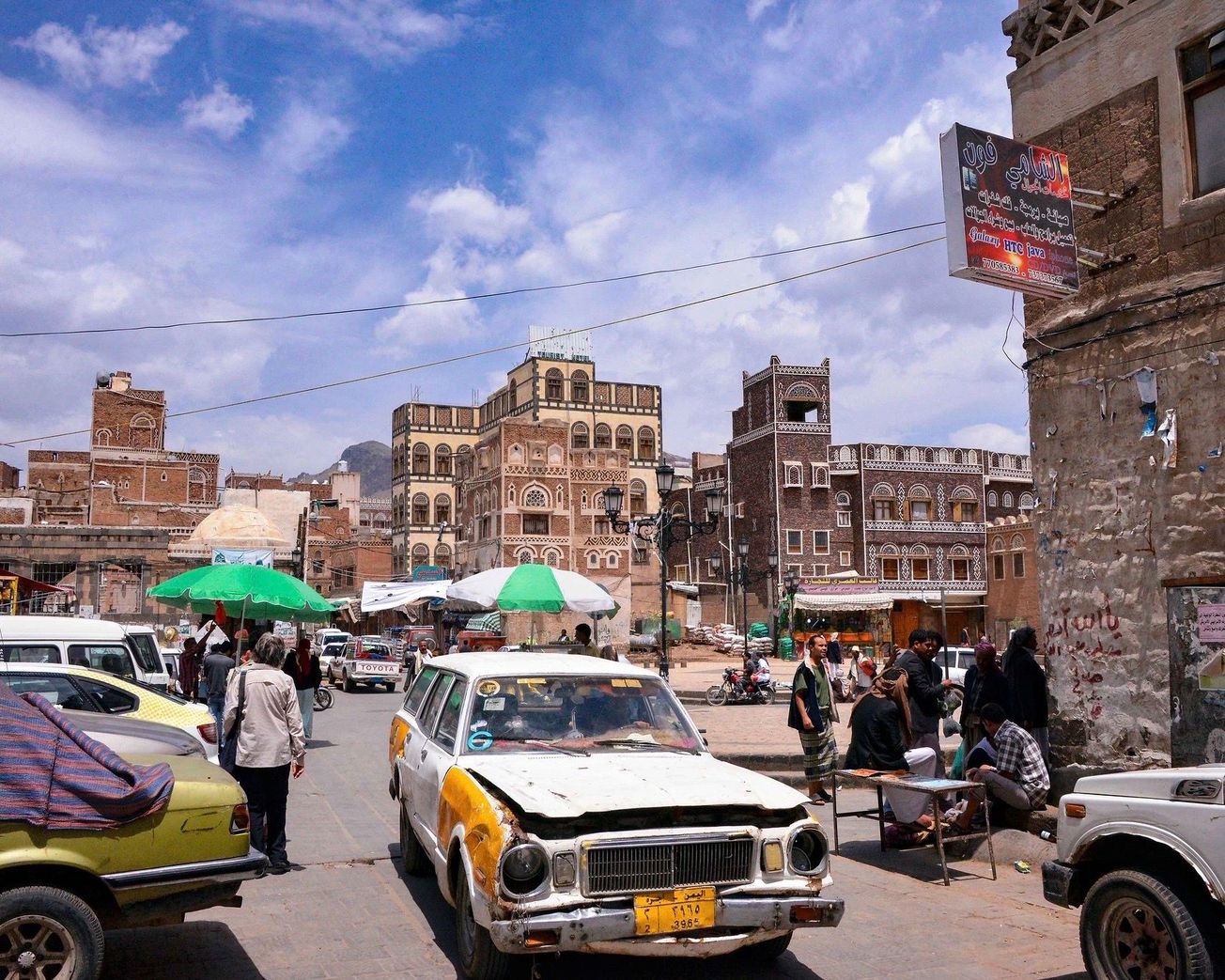
The deal brokered by U.N. and Red Cross officials between Yemen's Saudi-backed government and Iran-backed Houthi rebels is the first major prisoner swap in almost three years.
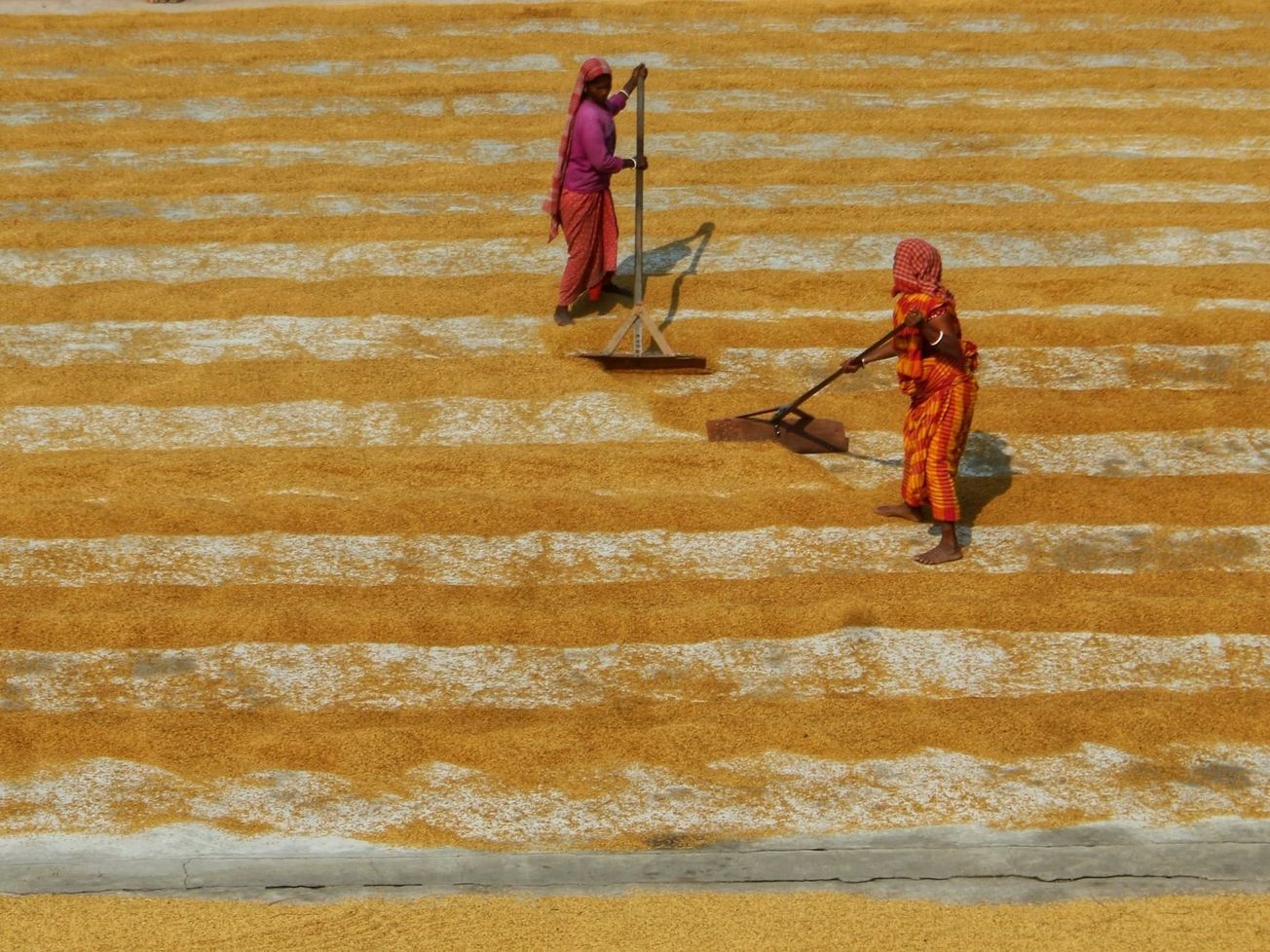
Closing the gender gap in productivity and wages would boost GDP by nearly $1 trillion and cut hunger for 45 million people.
UNCTAD expects global growth in 2023 to drop to 2.1%, but only if financial fallout from higher interest rates is contained.
The figures show an 'intolerable' loss of life amid more reports of government-led rescue delays and obstacles to NGOs' search and rescue efforts.