
Swiss clamor for U.N.-led action to fight rising temperatures and seas
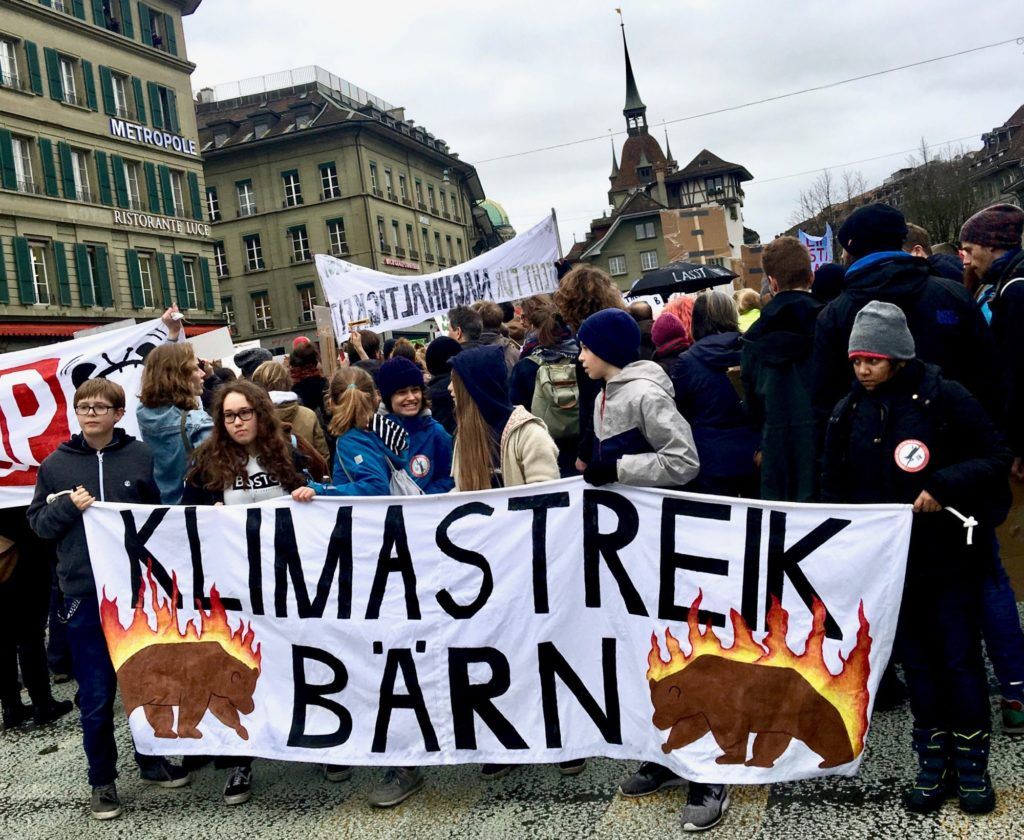
Up to 100,000 people turned out for Switzerland's largest-ever climate demonstration to fulfill the Paris climate treaty goals.
Melting glaciers. Rising sea levels. Wildfires. Food shortages. Widespread species extinctions. Global pandemics. Every other issue is secondary. The climate crisis is a health crisis — a reality highlighted by WHO chief Tedros Adhanom Ghebreyesus, who points to the links between extreme weather, disease, and noncommunicable diseases. Science, politics, and economics are all at the heart of this urgent global issue.
Already have an account? Log in
Up to 100,000 people turned out for Switzerland's largest-ever climate demonstration to fulfill the Paris climate treaty goals.
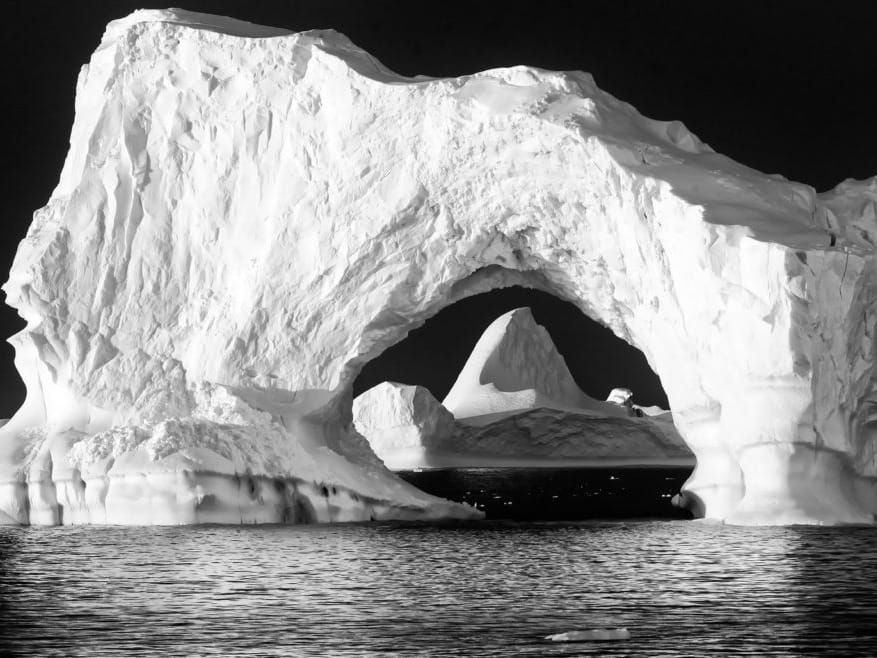
Almost 1 meter of sea level rise and the collapse of the West Antarctic Ice Sheet is anticipated by the end of the century.
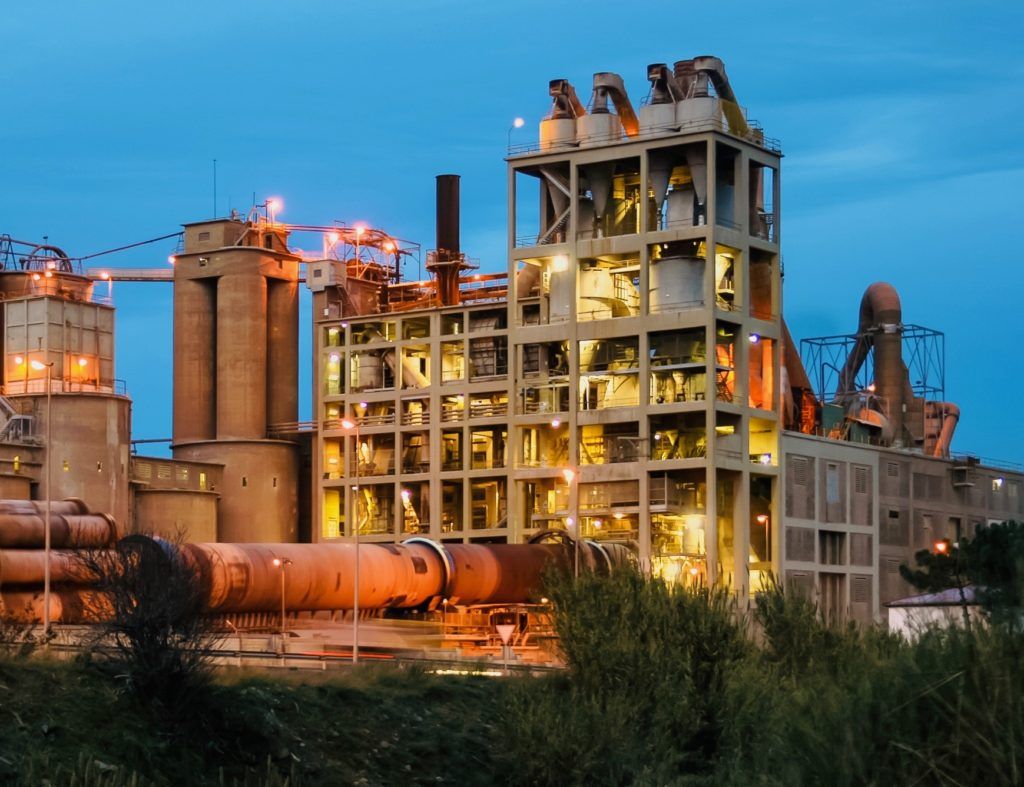
The African Development Bank Group says it will no longer support '19th century technologies' like coal and oil.
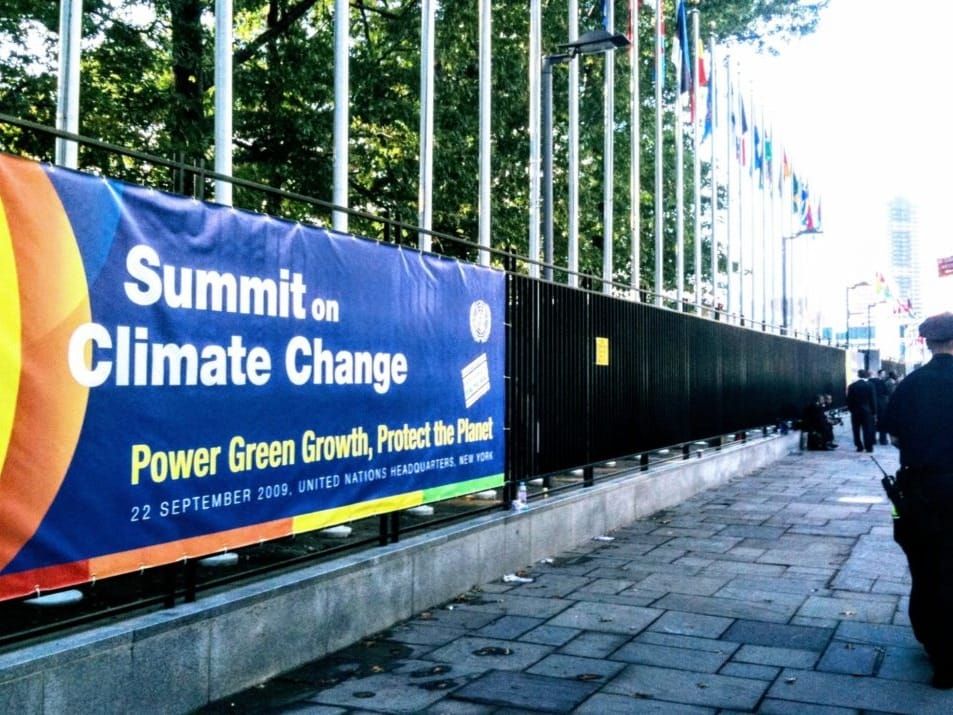
At a U.N. summit, 77 nations committed to 'net zero' carbon emissions and 70 simply promised stronger climate actions.
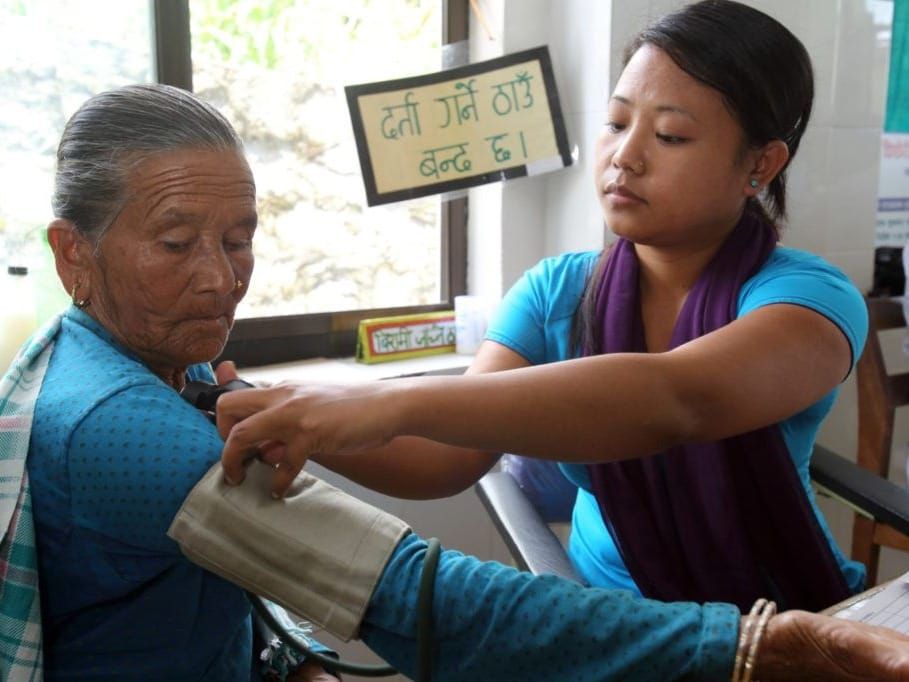
The U.N. General Assembly called for all nations to work towards enabling affordable, quality health services for all.
A day before a U.N. summit, climate scientists said nations must reduce 'glaring' gaps between intention and action.
Students and young leaders met for a first U.N. Youth Climate Summit, pressing leaders to 'walk the talk' and save the planet.
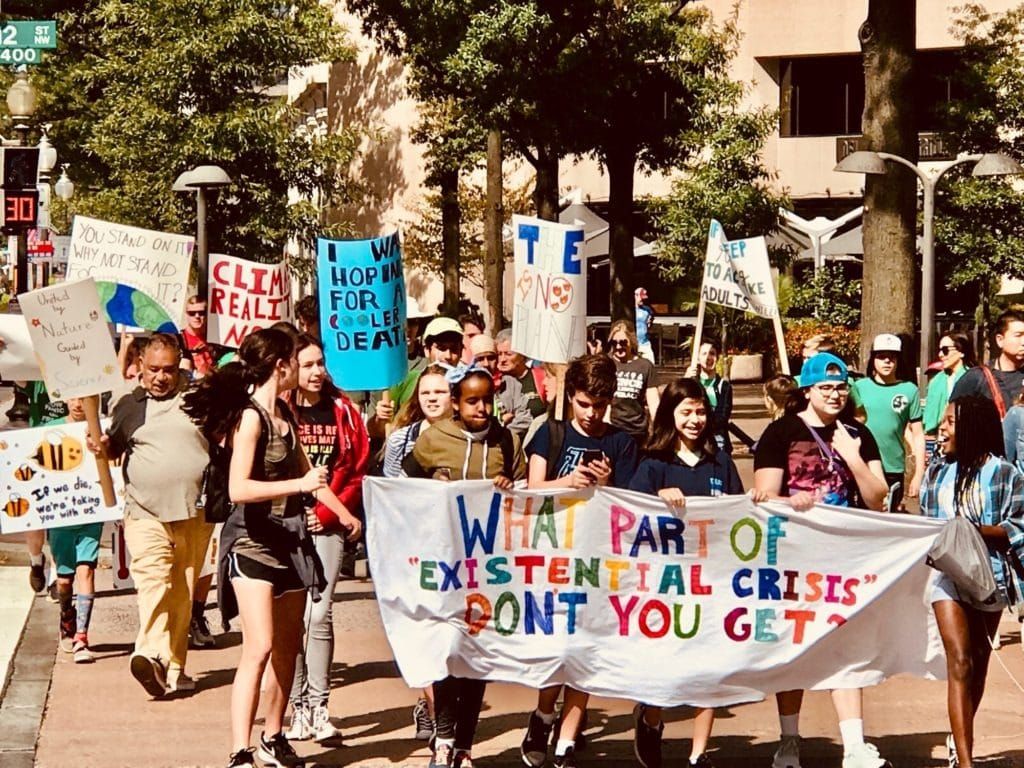
Millions of children worldwide skipped classes to send a message they want governments to lead on the climate crisis.
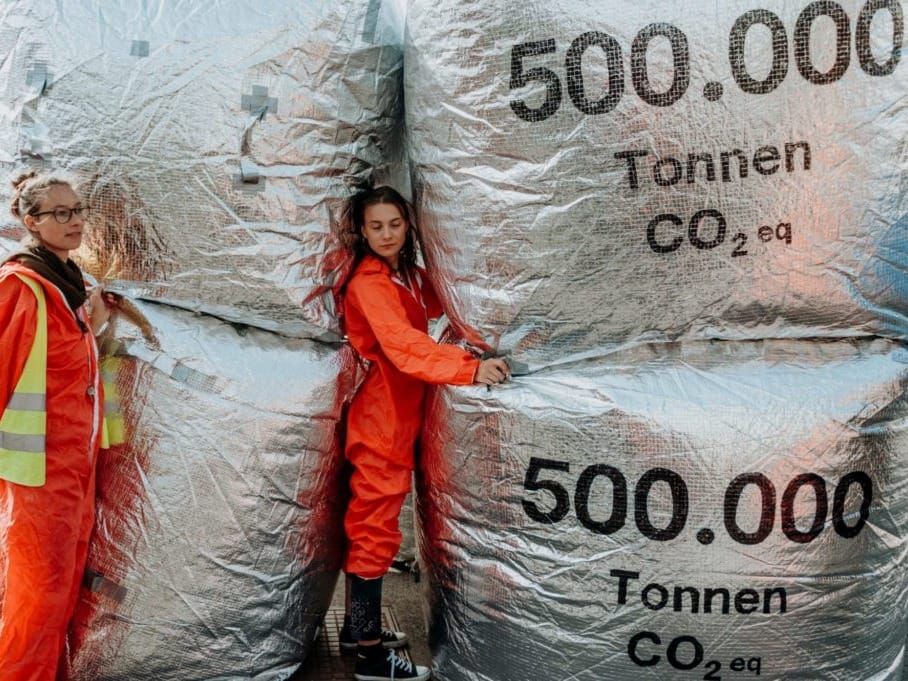
More than 500 institutional investors urged governments to finally take significant action to reduce carbon emissions.
UNCTAD is looking at how to solve the climate crisis, particularly how sea level rise impacts small island nations.
Farming, logging, mining and other human activities add to climate impacts on land, costing up to 17% of global GDP.
The summit is held once every three years to examine protections for wild animals and plants traded internationally.
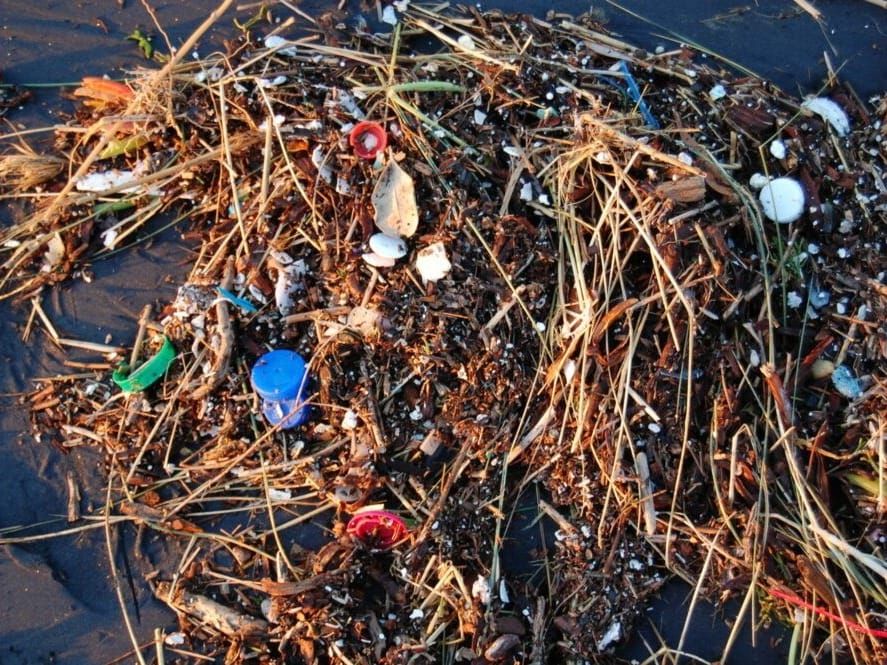
Oceans, landfills and public spaces are filling with degraded bits and pieces of bottles, toys and other plastic pollution.
The treaty aims to strengthen protections for international waters beyond the jurisdiction of coastal nations.
The activist, mechanical engineer and ex-parliamentarian is set to replace UNAIDS' embattled leader Michel Sidibé.
The U.N. food agency plans to offer food assistance to 700,000 people in El Salvador, Guatemala, Honduras and Nicaragua.