Iran begins 20% uranium enrichment
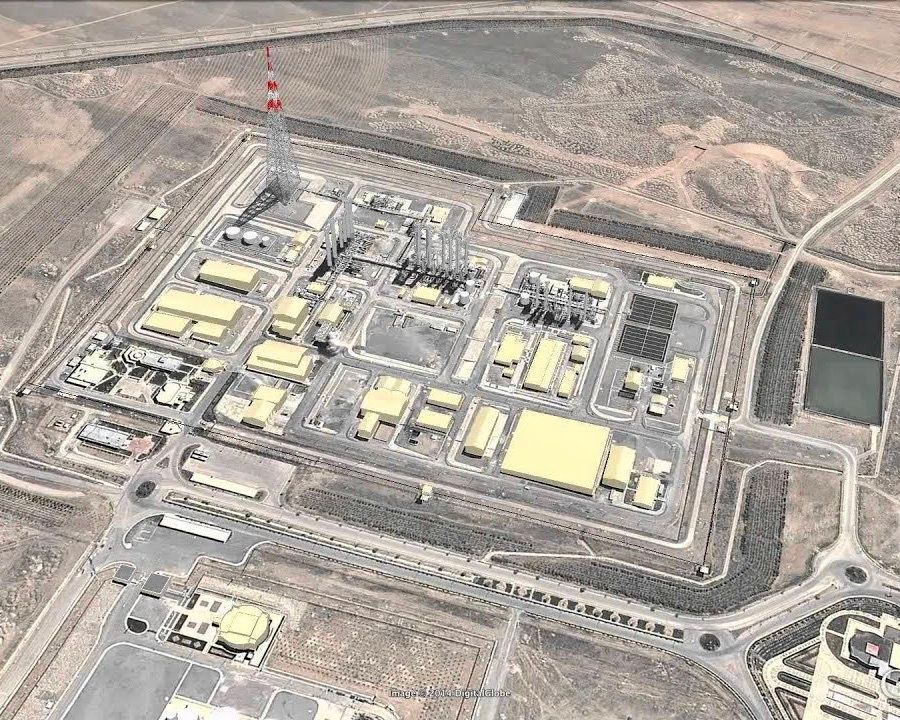
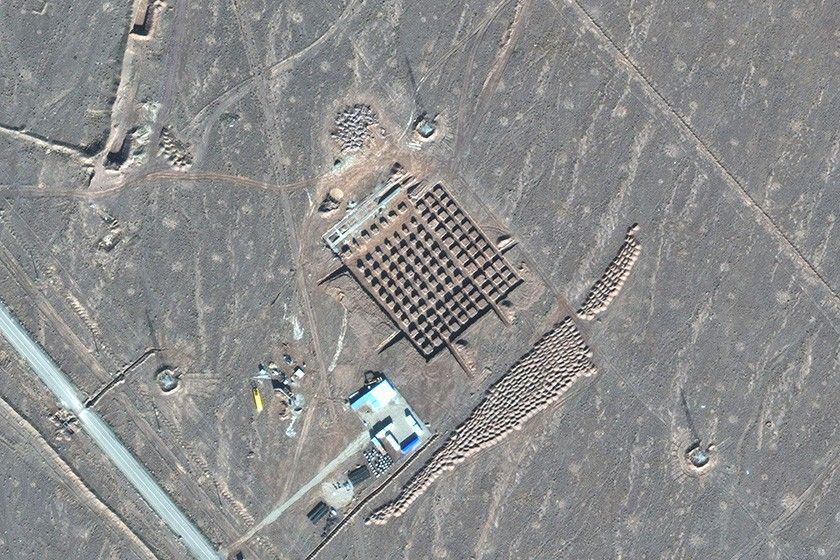
Iran resumed enrichment of uranium to 20% in a move closer to weapons grade levels and further away from the 2015 nuclear deal.
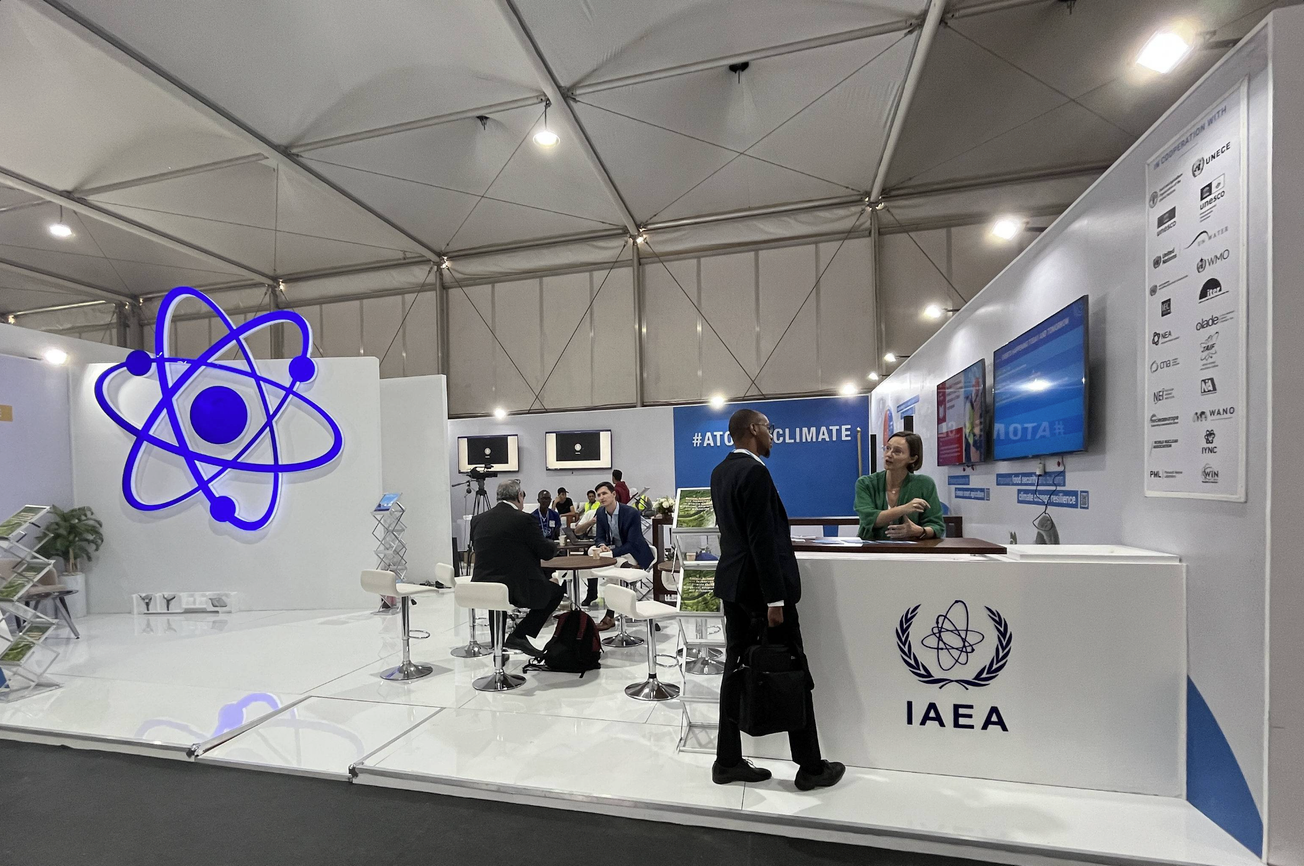
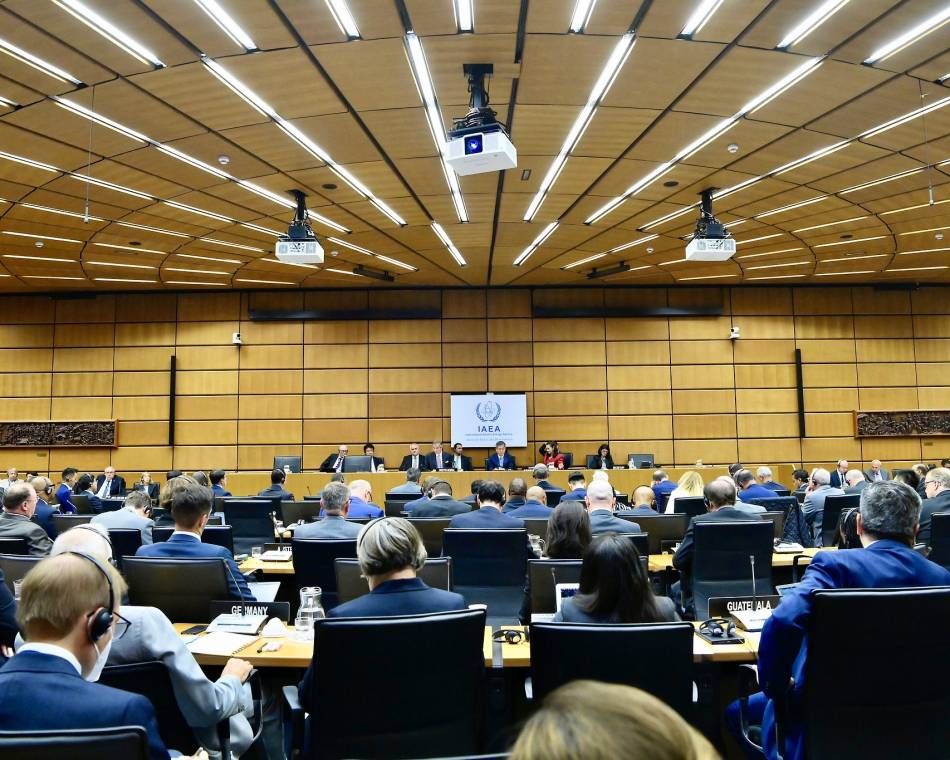
The International Atomic Energy Agency (IAEA) is an autonomous U.N. organization that promotes the peaceful use of nuclear energy and prevents its use for military purposes. Through its safeguards system, it verifies that nations' nuclear programs are exclusively for peaceful uses. The IAEA also works on nuclear safety, security, and the application of nuclear science to help solve global challenges.
Already have an account? Log in
Iran resumed enrichment of uranium to 20% in a move closer to weapons grade levels and further away from the 2015 nuclear deal.
The U.S. followed through on its threat to unilaterally restore sanctions against Iran, defying widespread international criticism.
Amid rising tensions on the U.N. Security Council over the 2015 Iran nuclear deal, IAEA and Tehran said Tehran will allow inspectors at two nuclear sites.
The U.N. Security Council rejected the Trump administration's attempt to use the 2015 Iran nuclear deal to restore international sanctions against Tehran.
IAEA says countries in need of help can get training in nuclear science knowhow to tackle disease transmission.
Iran violated its 2015 nuclear deal with world powers by nearly tripling its stockpile of enriched uranium since November, IAEA reported.
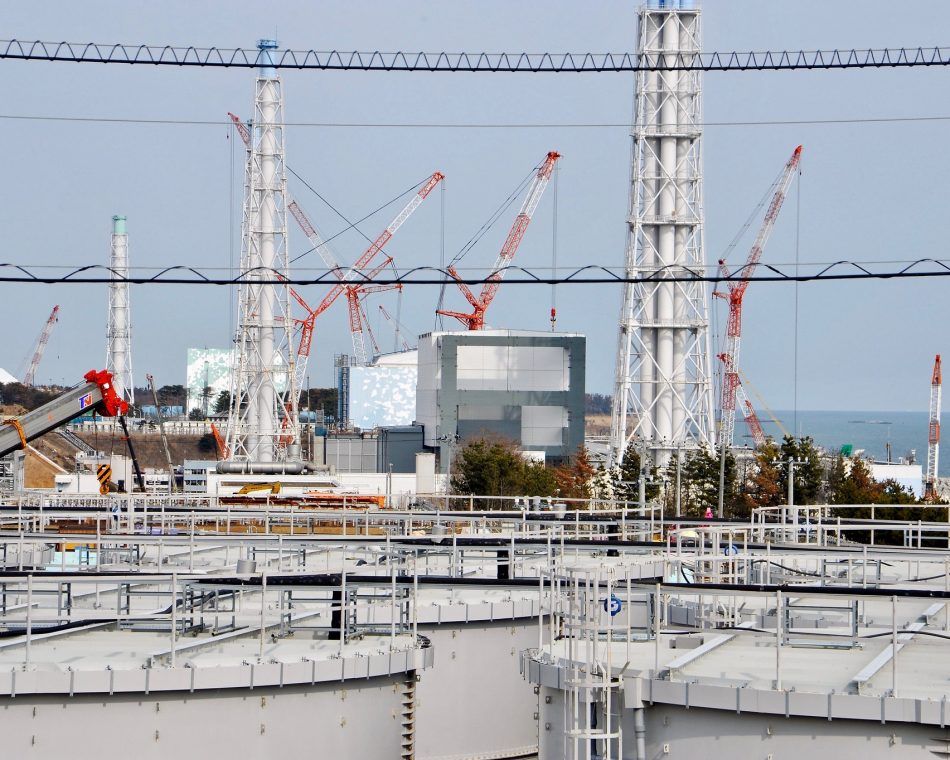
Japan strengthened inspections as part of efforts to improve regulation in the wake of the Fukushima Daichi accident.
Britain and France recommitted to the Iran nuclear deal despite the U.S. undermining it and Europeans triggering a process that may reimpose sanctions.
A nuclear technique developed with U.N. support suppressed the disease-carrying tsetse fly without harming other insects.
UNESCO's chief reminded Washington and Tehran they must protect cultural sites, after Trump made threats against Iran.
European nations urged Tehran to stop taking steps away from compliance with the nuclear deal it signed with world powers.
Britain, France and Germany called on Iran to remain in the 2015 deal, but did not press to reactivate U.N. sanctions.
Argentina’s ambassador to Austria, Rafael Mariano Grossi, will head the Vienna-based International Atomic Energy Agency.
IAEA will collaborate with ASEAN's 10 nations on a framework for developing nuclear technology for peaceful purposes.
IAEA confirmed Iran is preparing to use arrays of more advanced centrifuges, in another violation of the deal.
Iran's biggest European trading partners are Germany, Italy, France, Spain, Belgium, the Netherlands, Austria, and Greece.