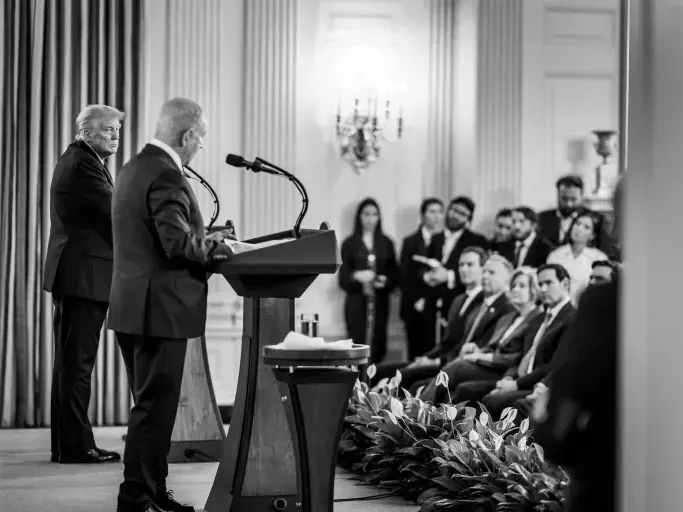

Trump dismisses evidence on Khashoggi killing, secures $1 trillion
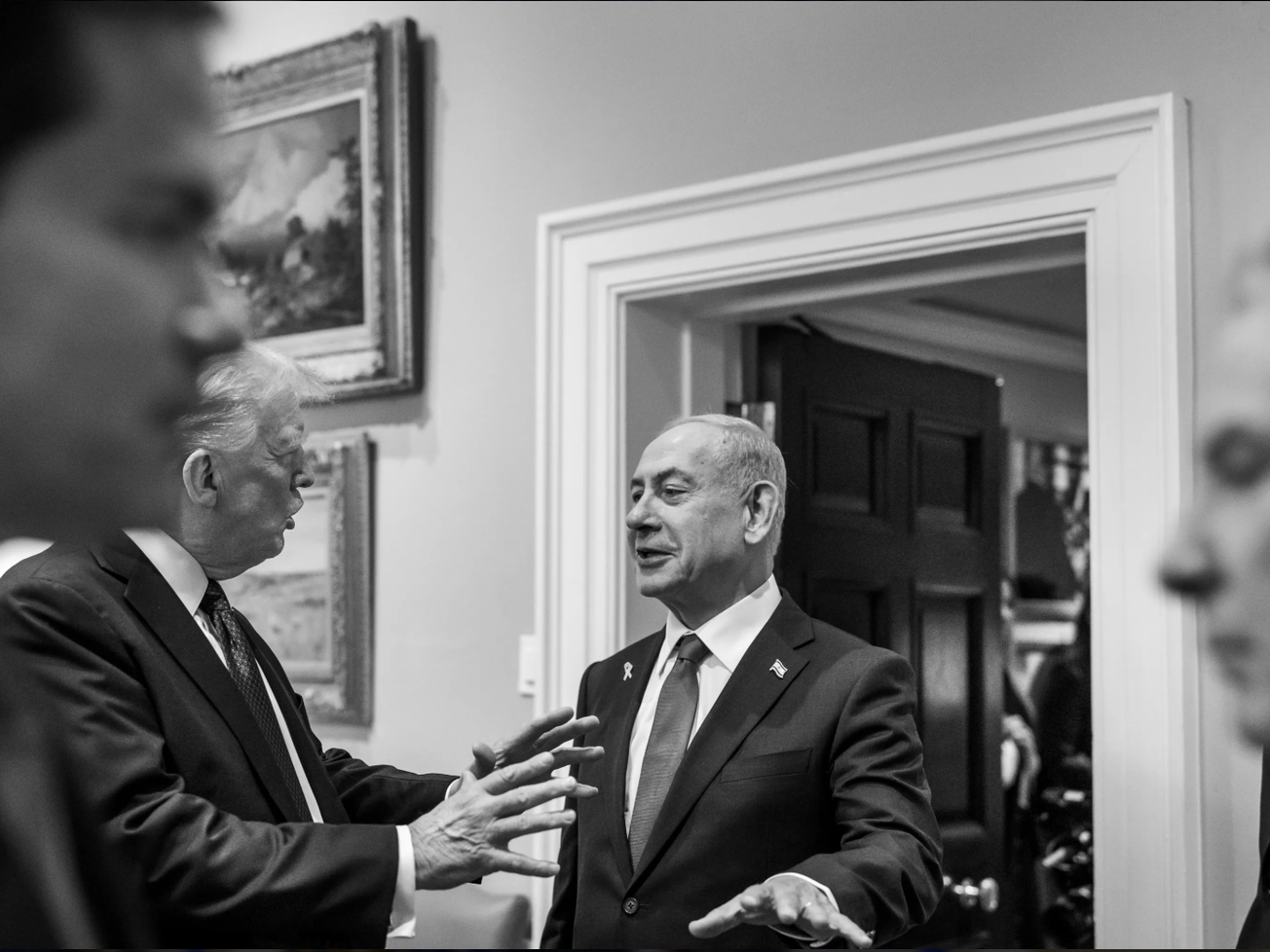
A U.S. intelligence report determined that the crown prince had approved of a plan to "capture or kill" Khashoggi.
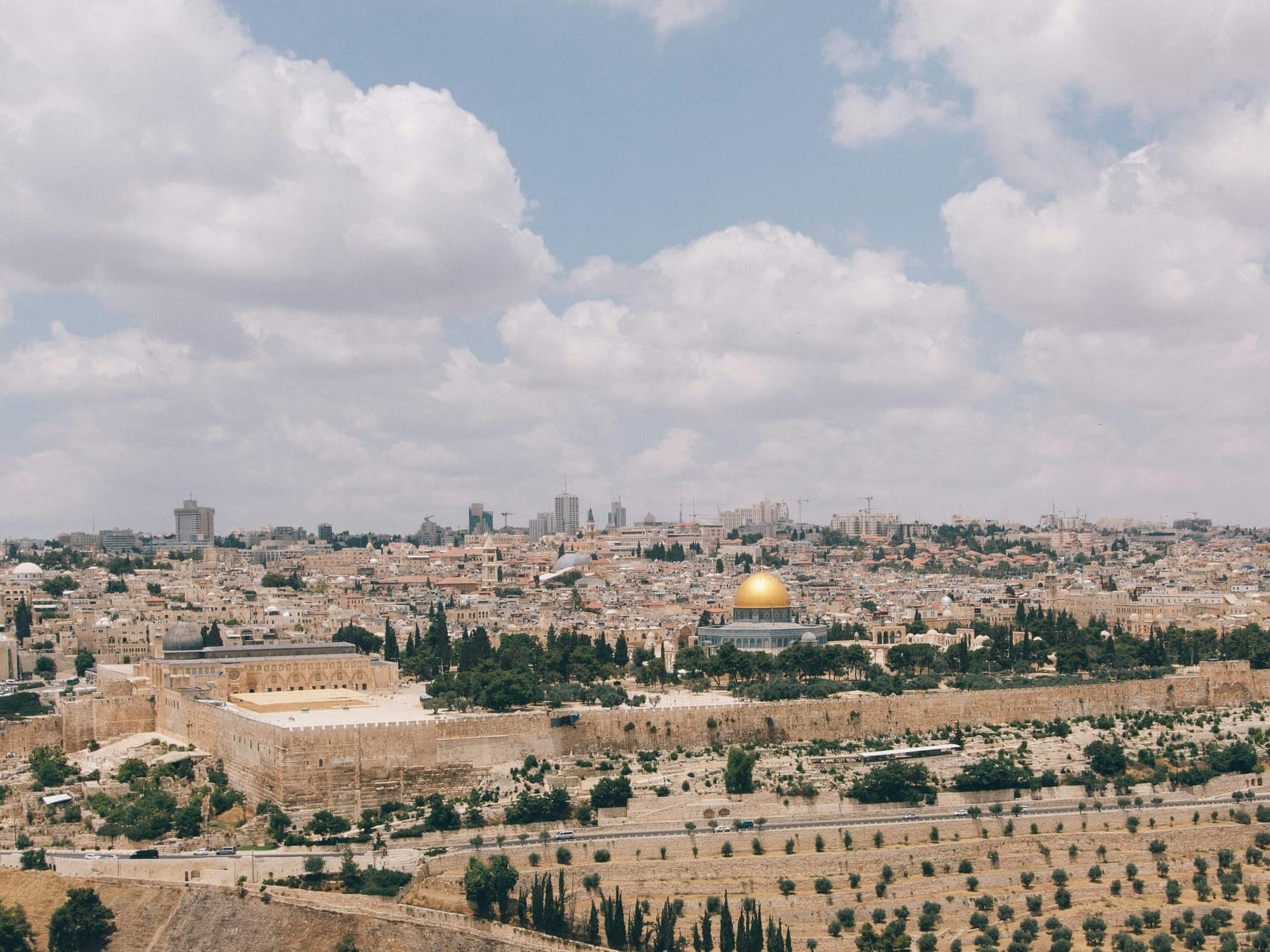
Israel, a key U.S. ally and a major player in the Middle East, is a member of the U.N. and has a highly advanced technology sector. The country's foreign policy is currently defined by the ongoing war in Gaza, which has drawn international scrutiny and led to a severe humanitarian crisis. While seeking to defeat Hamas, Israel is also navigating a complex geopolitical landscape, including heightened tensions with Iran and its allies, and maintaining a key security relationship with the U.S.
Already have an account? Log in
A U.S. intelligence report determined that the crown prince had approved of a plan to "capture or kill" Khashoggi.
The resolution establishes a temporary International Stabilization Force and a civilian transitional administration.
As the first African country to hold the G20 presidency, South Africa said its focus is framed around Nelson Mandela's legacy.
The directive, using the stronger language of an 'instruction' rather than a threat, undermines decades of arms control.
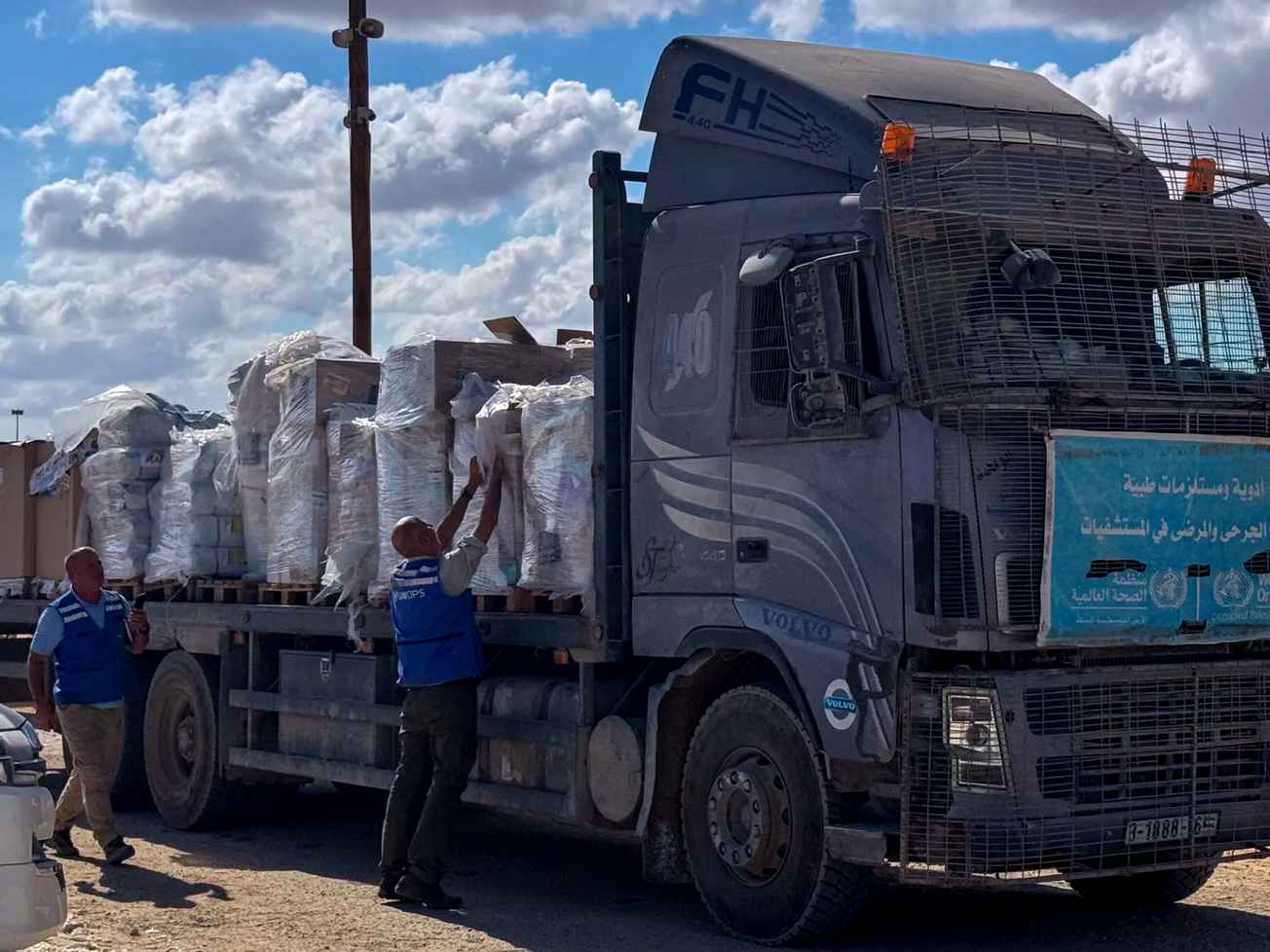
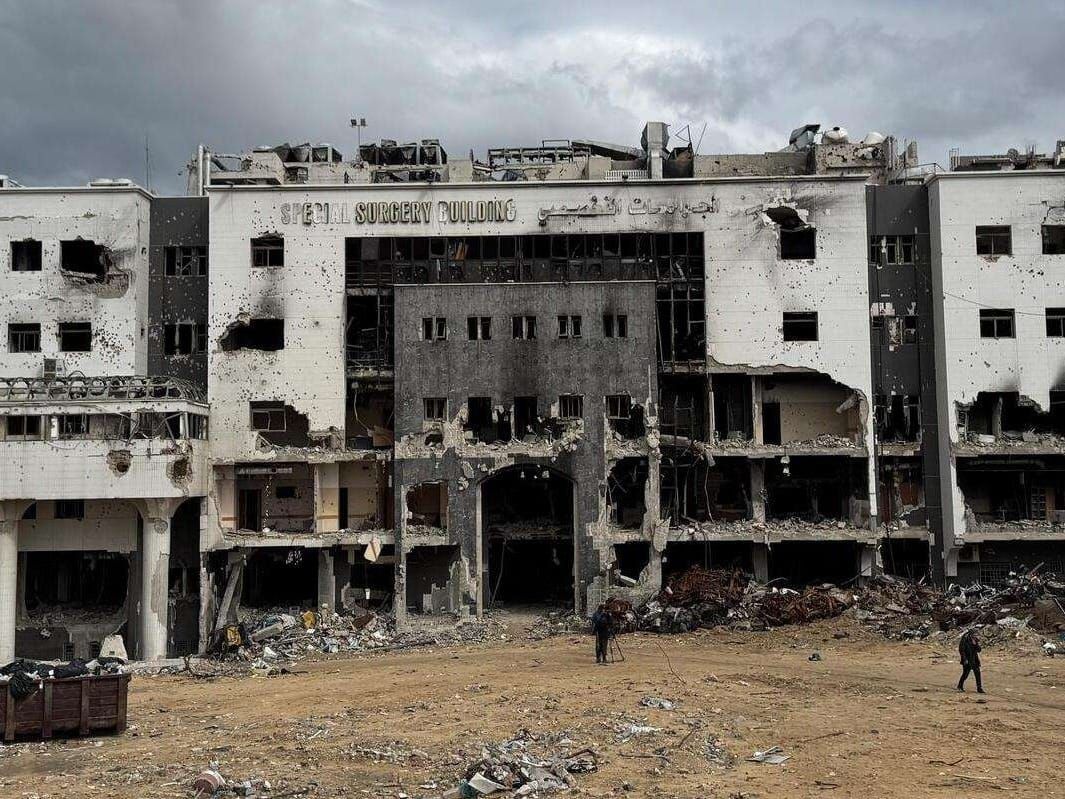
The staggering reconstruction cost is compounded by an inability to deliver immediate, life-saving supplies.
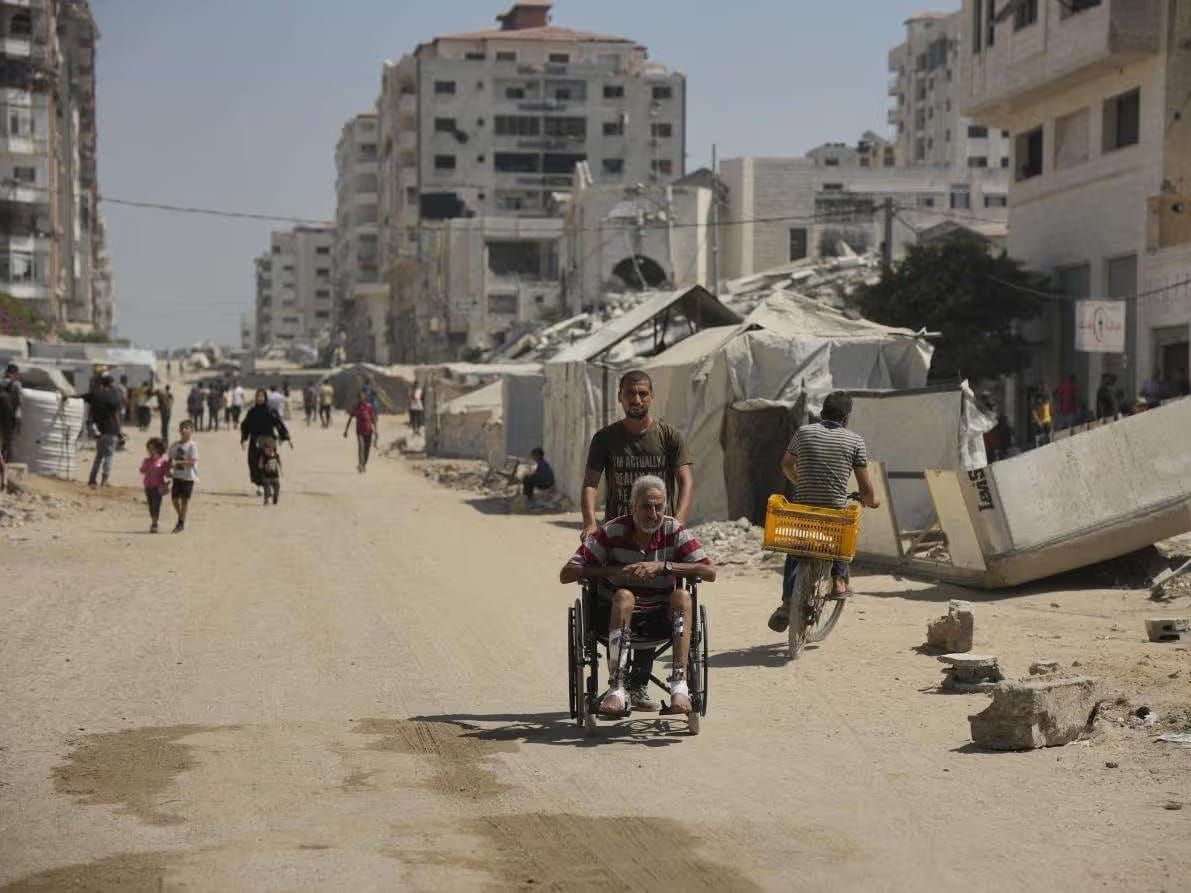
The International Court of Justice noted that the population of the Gaza Strip has been "inadequately supplied" with aid.
The arbitrary arrests intensify the humanitarian crisis, threatening aid cutbacks for over 19 million people.
WFP warned that global funding cuts could push 13.7 million food aid recipients from crisis to emergency levels of hunger.
ICRC teams received hostages in Gaza and transferred Palestinians from Israeli detention to Gaza and the West Bank.
The U.N. chief commended the diplomatic efforts of the U.S., Qatar, Egypt, and Turkey in brokering the breakthrough.
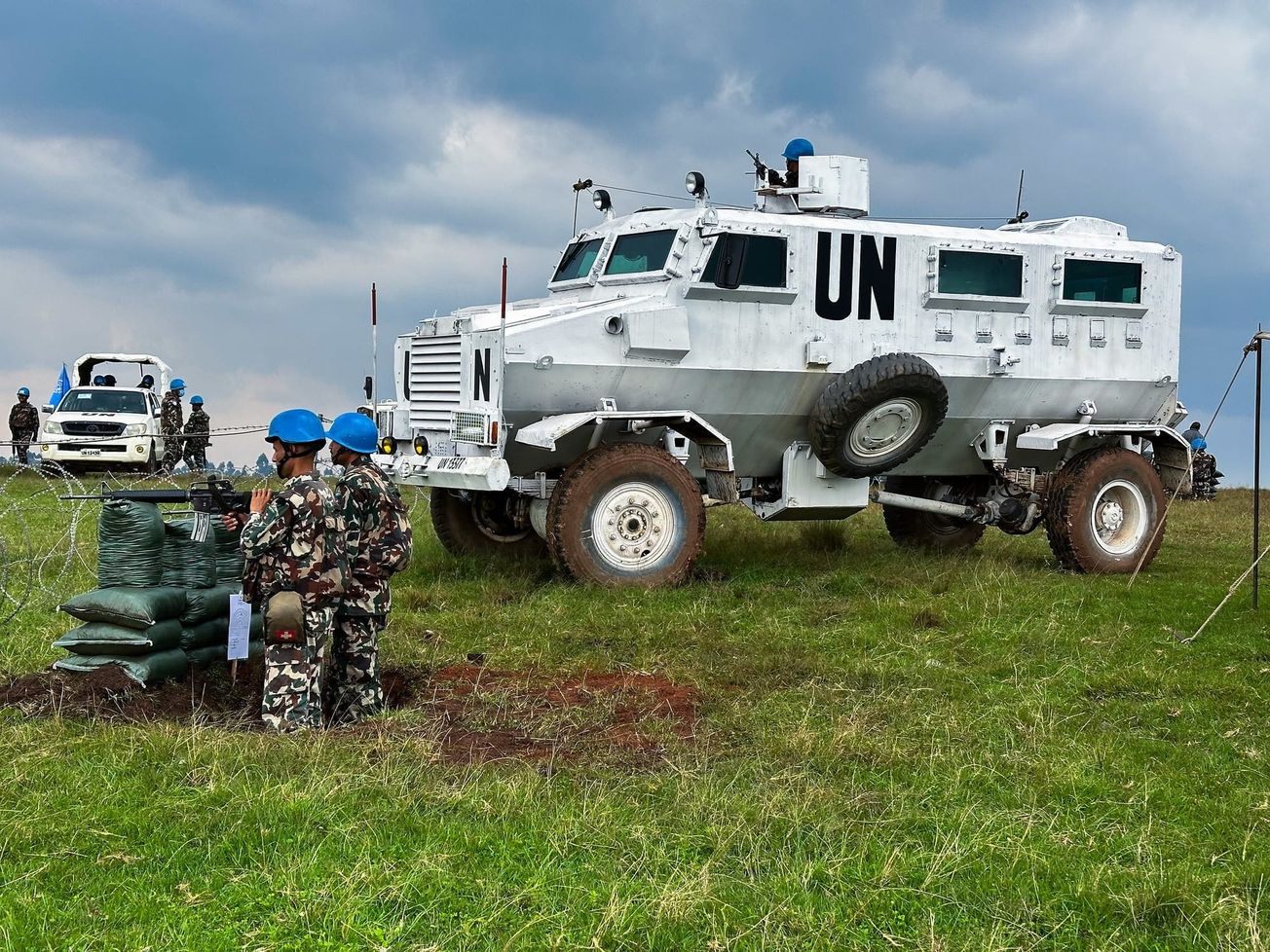
The move is linked to the Trump administration’s "America First" policy and a U.S. cap on peacekeeping payments.
The diplomatic process advanced after Hamas conditionally accepted the main parts of the U.S.-backed peace framework.
Nearly 42,000 people in Gaza have life-changing injuries, a number that has severely strained limited health resources.
Escalating attacks pose an 'unacceptable level of risk' for medical workers as Israeli tanks advance near health facilities.
To counter these threats, the U.N. formed an independent scientific panel to report on the effects of a nuclear war.
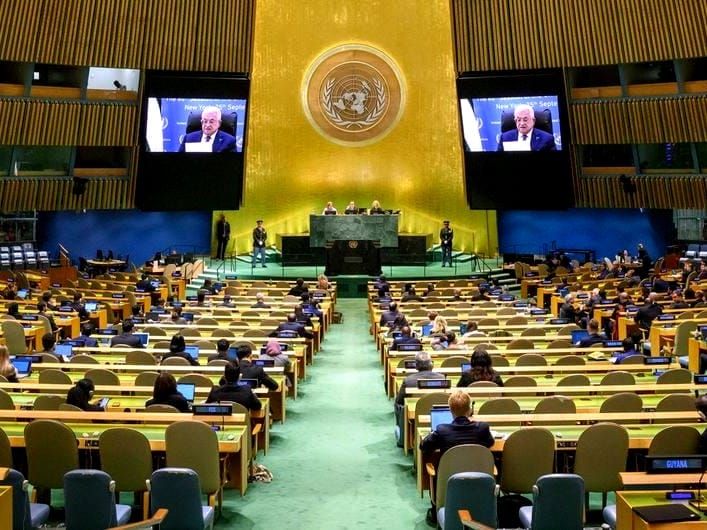
In dueling speeches, Israeli and Palestinian leaders showcased the pressure bearing down from a range of developments.