UAE to exit OPEC, seeking a strategic shift and more production flexibility
Move reflects long-running tensions with Saudi Arabia over quotas as Abu Dhabi seeks greater control over output policy.
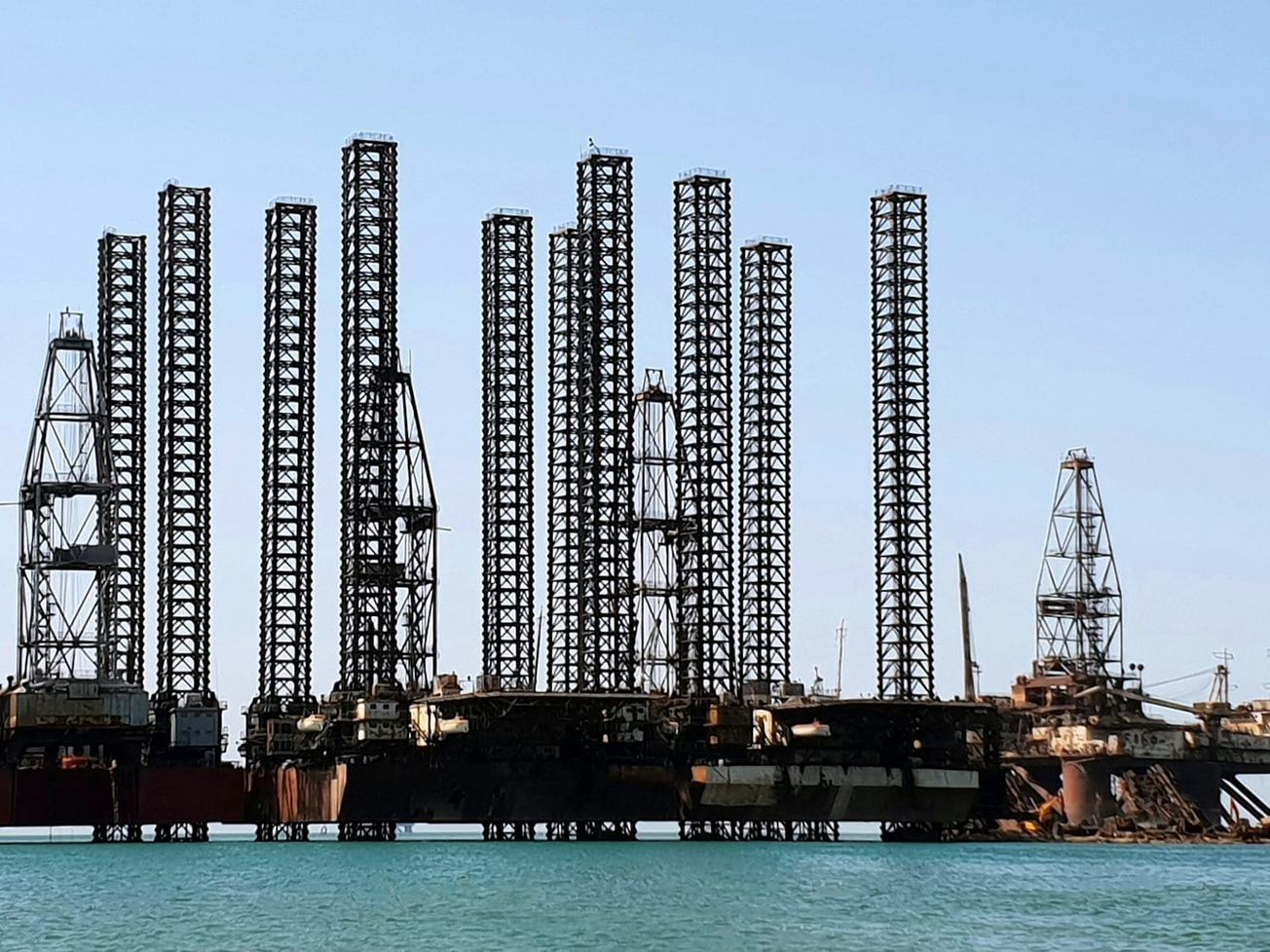
Five major oil exporters founded the Organization of the Petroleum Exporting Countries, or OPEC, at Baghad in 1960, to influence the global oil markets by coordinating policies among member nations. Thirteen countries in Africa, Latin America and the Middle East now belong to the Vienna-based organization, accounting for four-fifths of the world's 'proven' oil reserves.
Already have an account? Log in
Move reflects long-running tensions with Saudi Arabia over quotas as Abu Dhabi seeks greater control over output policy.
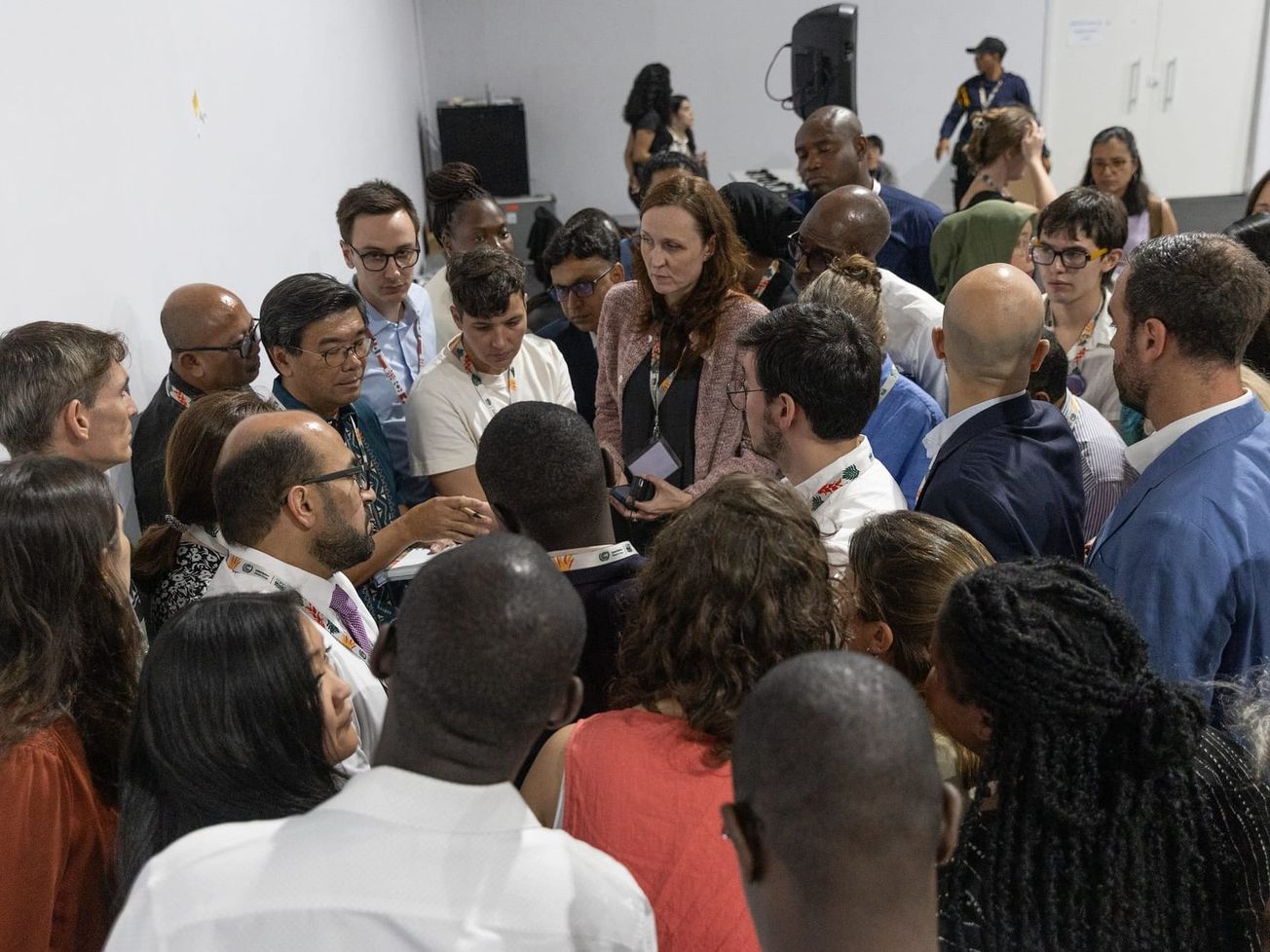
As the climate talks ran into overtime, European nations and allies battled Saudi Arabia, Russia and other oil producers.
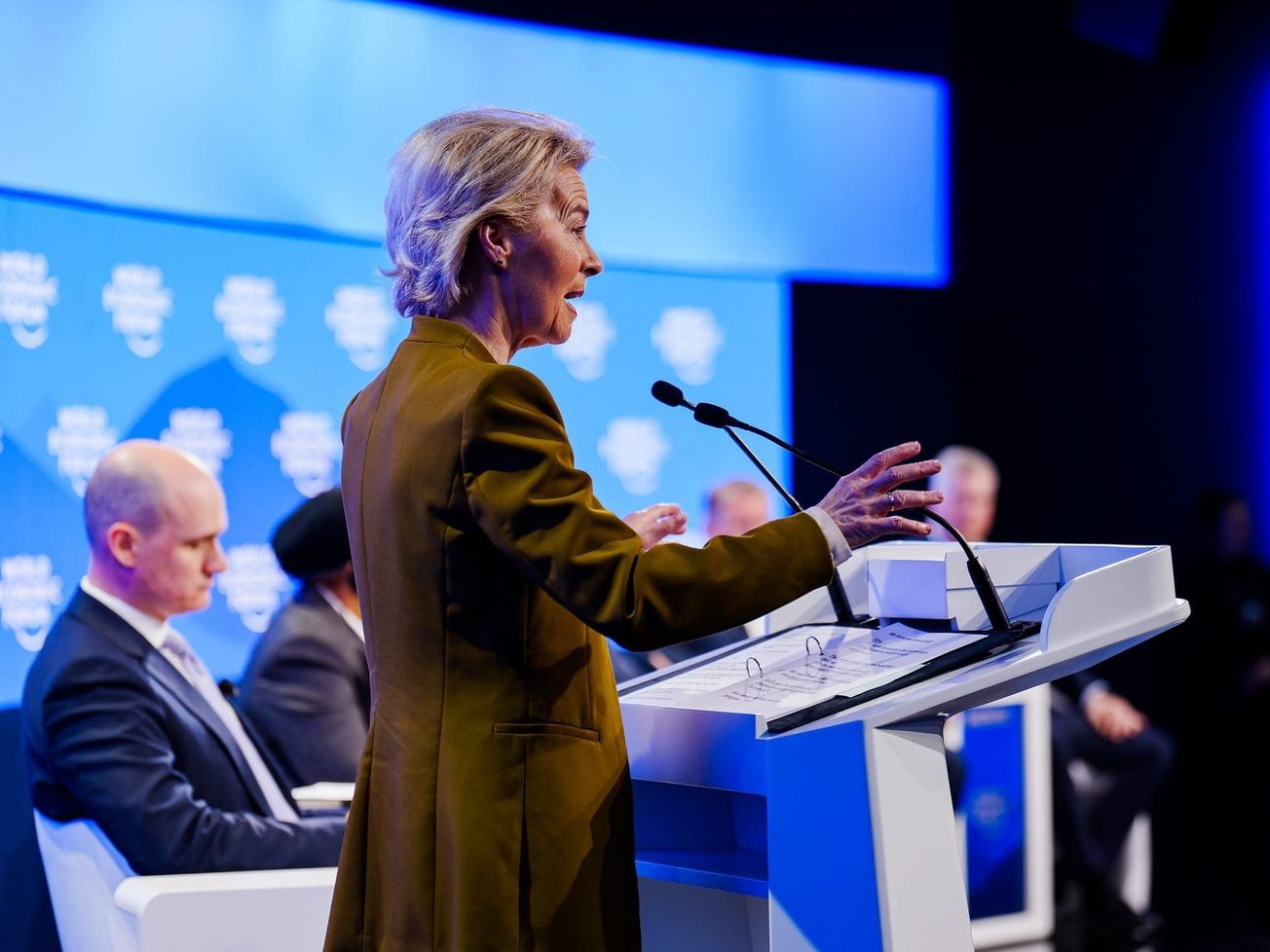
Trump's speech to Davos contrasted sharply with other leaders' creation of a Global Energy Transition Forum.
The spotlight on gender parity follows Mexico's push last year for a crackdown on harassment at U.N. climate talks.
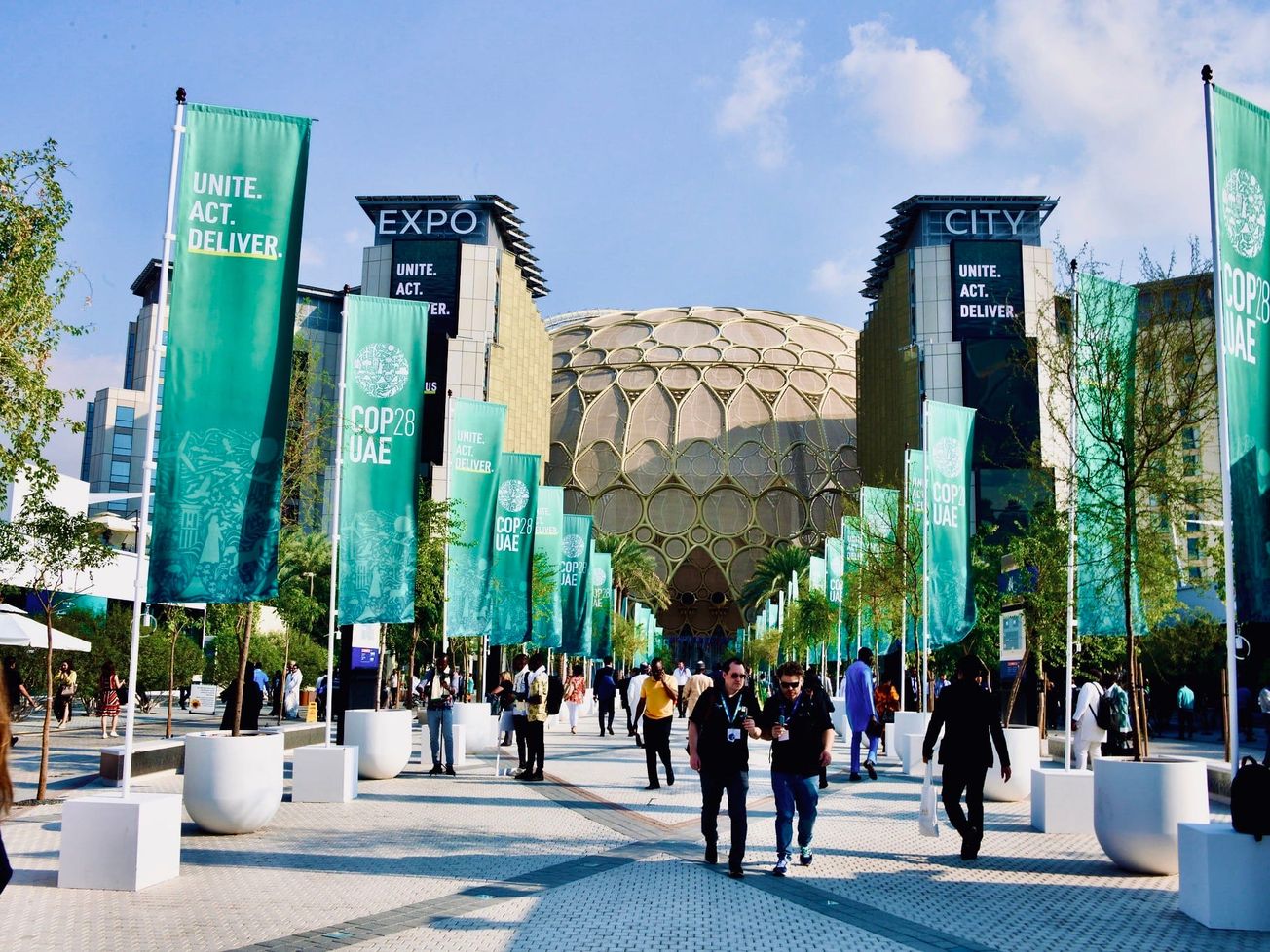
The COP28 accord calls for weaning the world off burning oil, coal and natural gas 'in a just, orderly and equitable manner.'
In 2015, nations committed to hold global warming to no more than 2° Celsius above pre-industrial levels, or preferably 1.5°.
Oil producers took issue with a prediction by the energy agency's chief that demand for fossil fuels will peak by 2030.
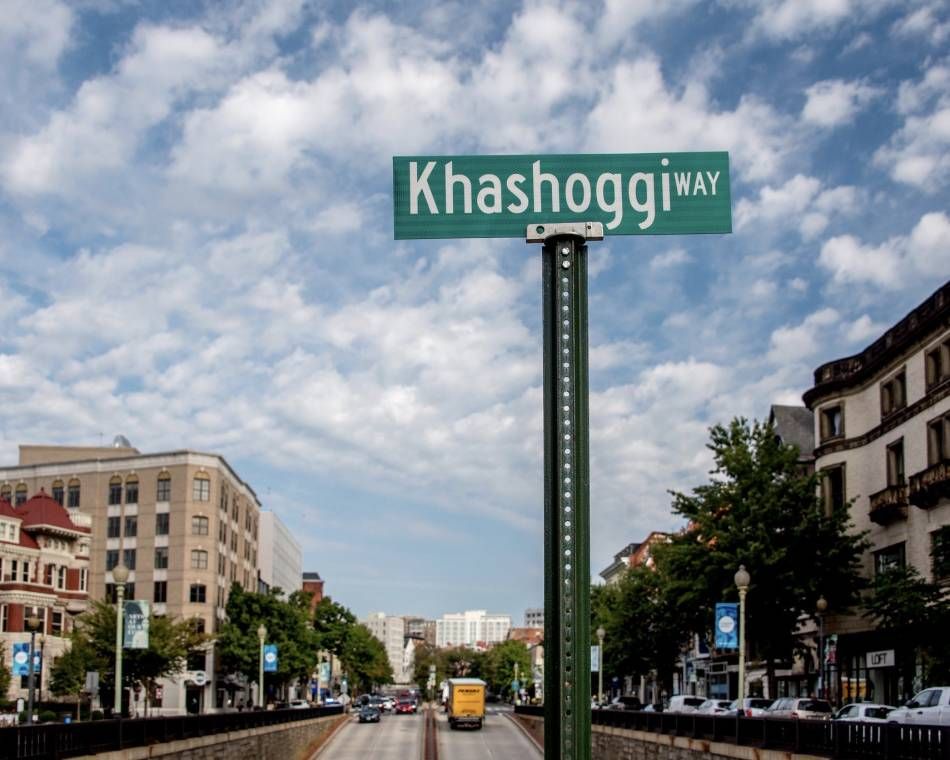
The street renaming honors the journalist assassinated by the Saudis because of his writings about the repressive regime.
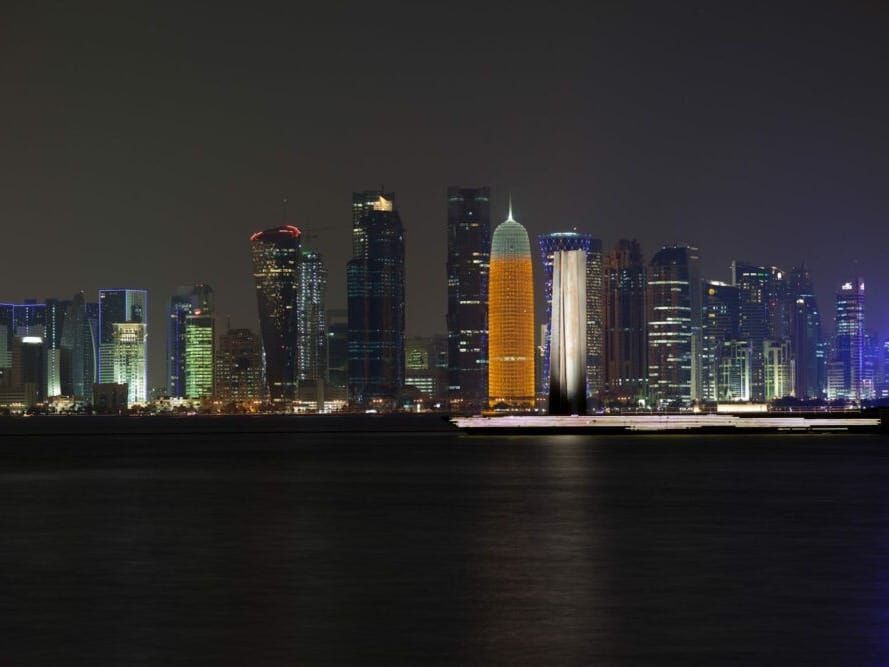
Qatar joined OPEC in 1961 and has been its 11th biggest producer, putting out 600,000 barrels of crude oil a day.