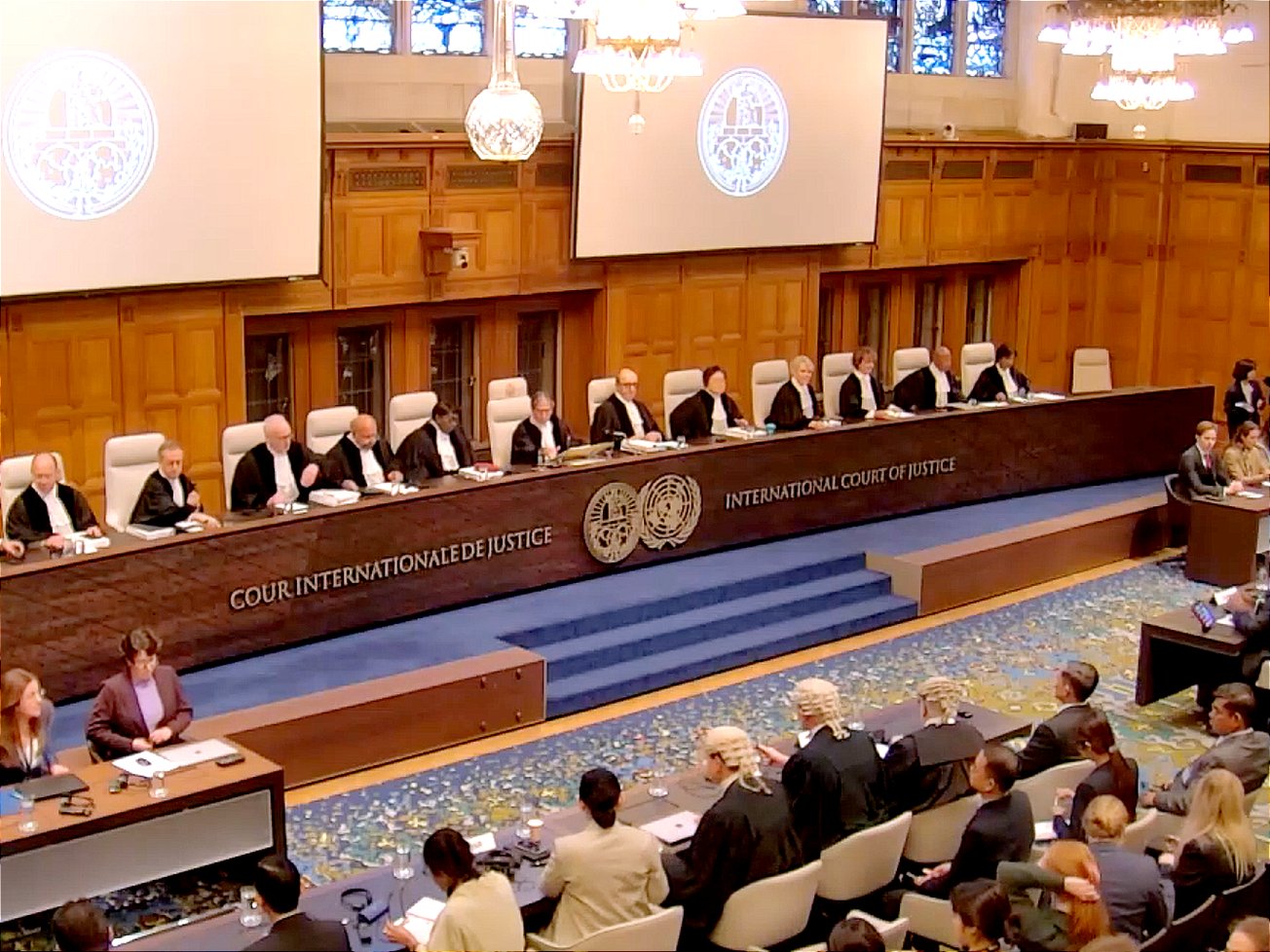
In historic first, top U.N. court ruling finds Myanmar committed genocide
The International Court of Justice's ruling says Myanmar committed genocide against the Rohingya Muslim minority.
Already have an account? Log in
The International Court of Justice's ruling says Myanmar committed genocide against the Rohingya Muslim minority.
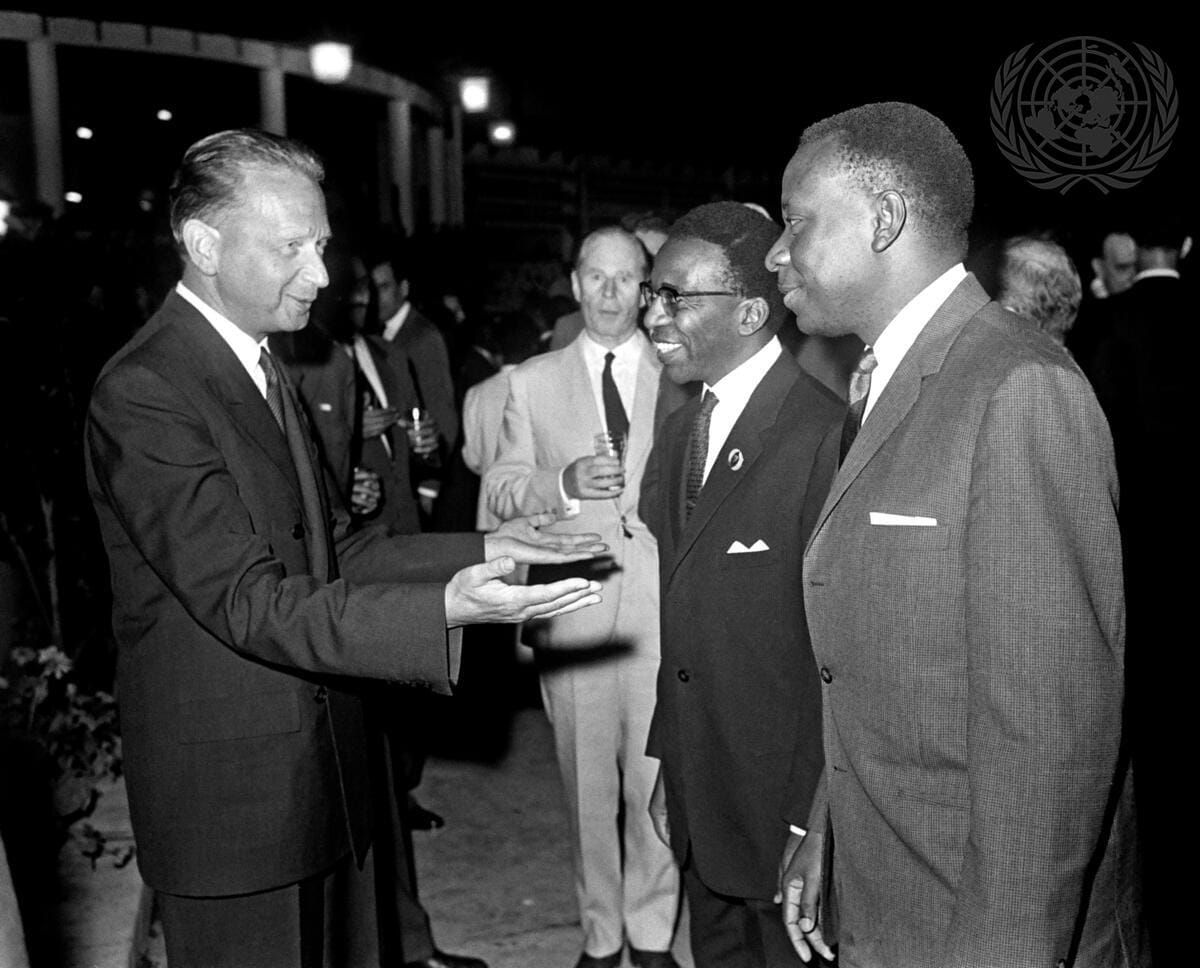
New investigation points to possible foreign involvement in 1961 plane crash, urges governments to open their archives.
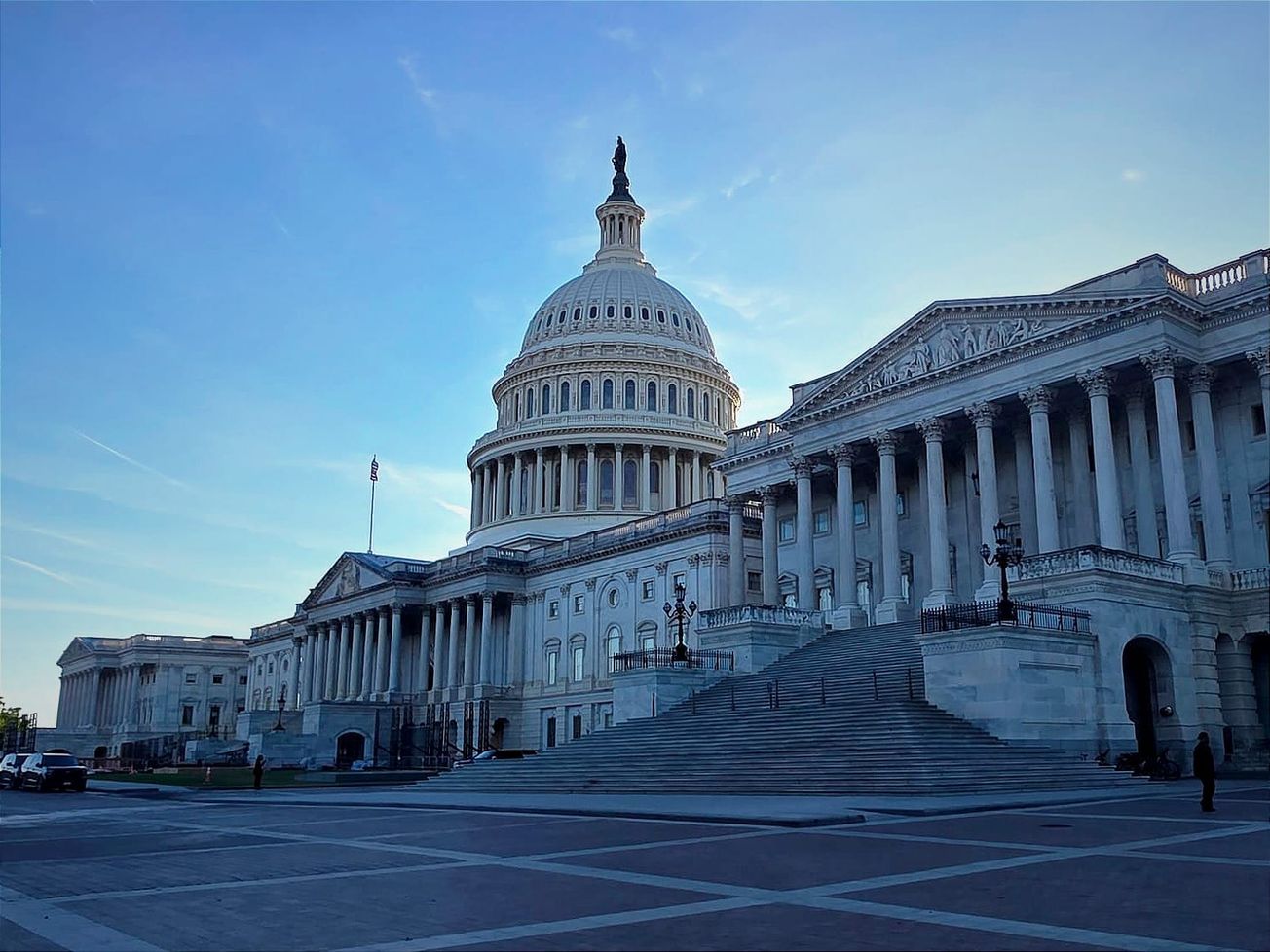
Democratic election victories raise hopes for international institutions, but presidential powers could limit a U.S. shift.
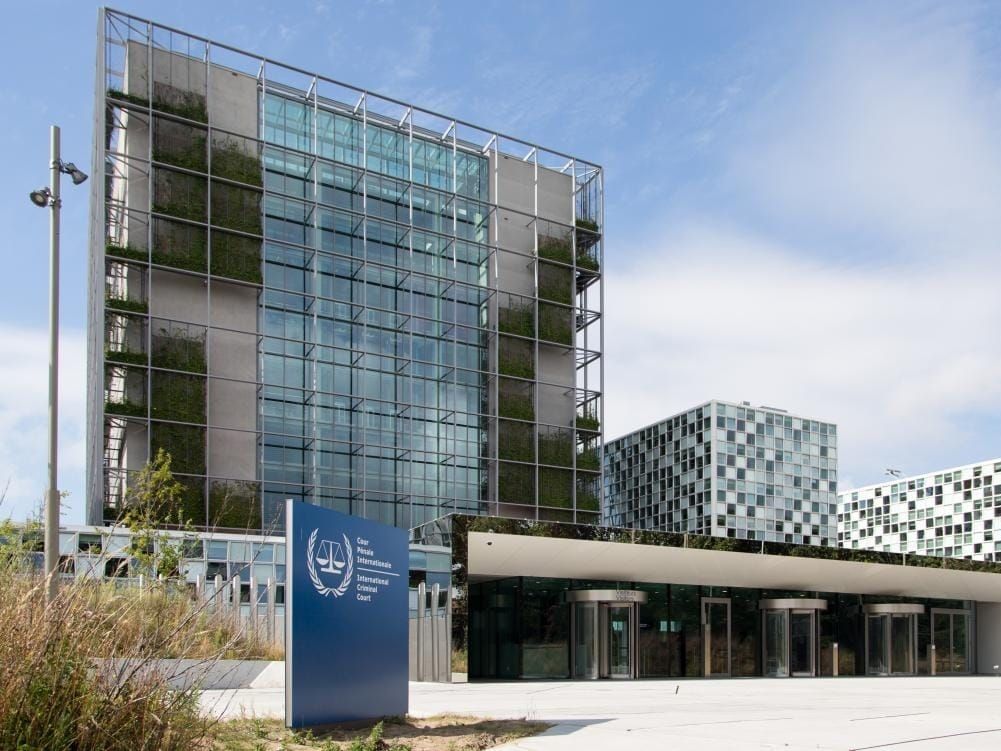
The move threatens the International Criminal Court hours after a former ICC judge won the Nobel Peace Prize.
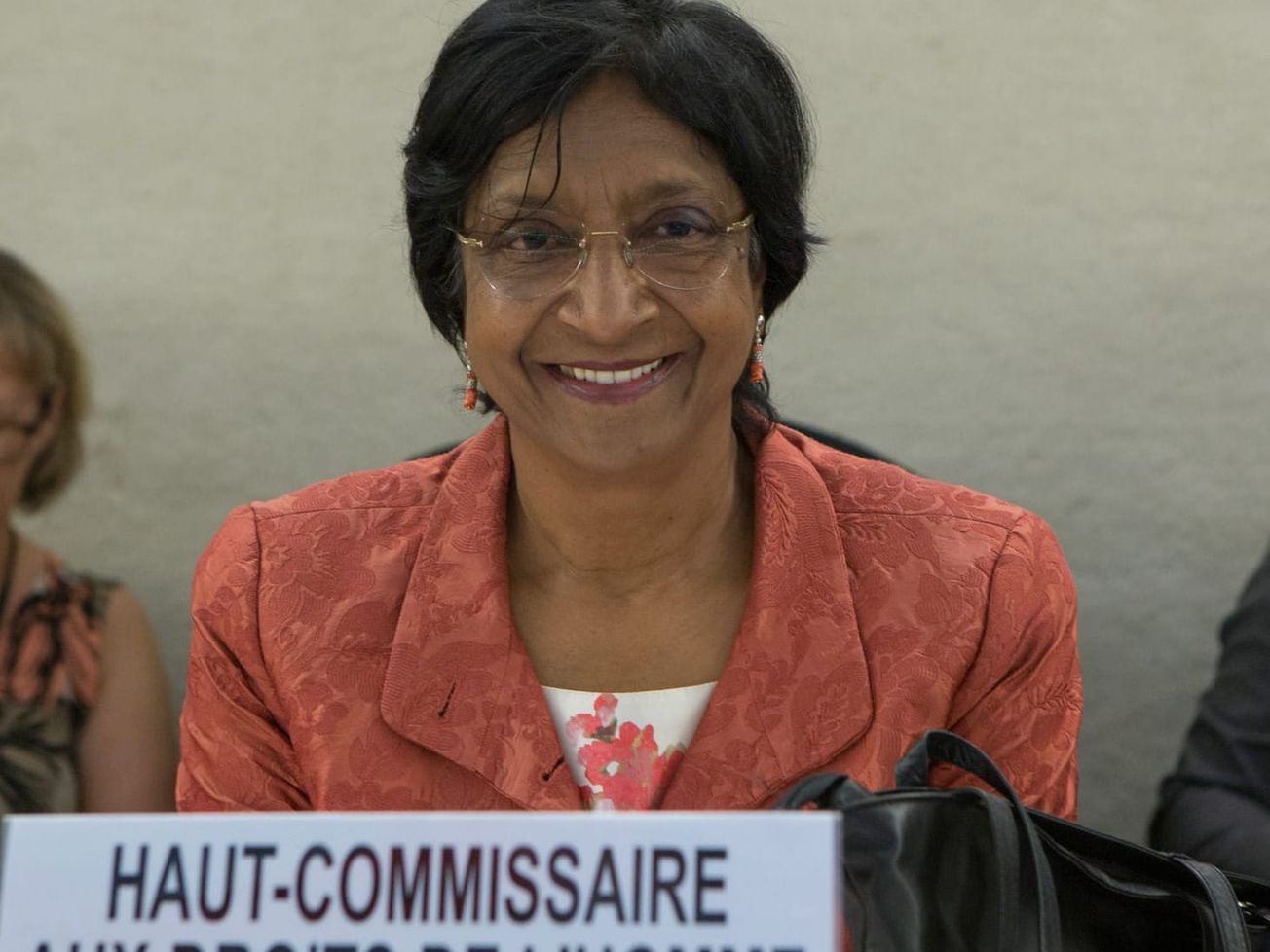
The Norwegian Nobel Committee honors the South African jurist for advancing international law and accountability.
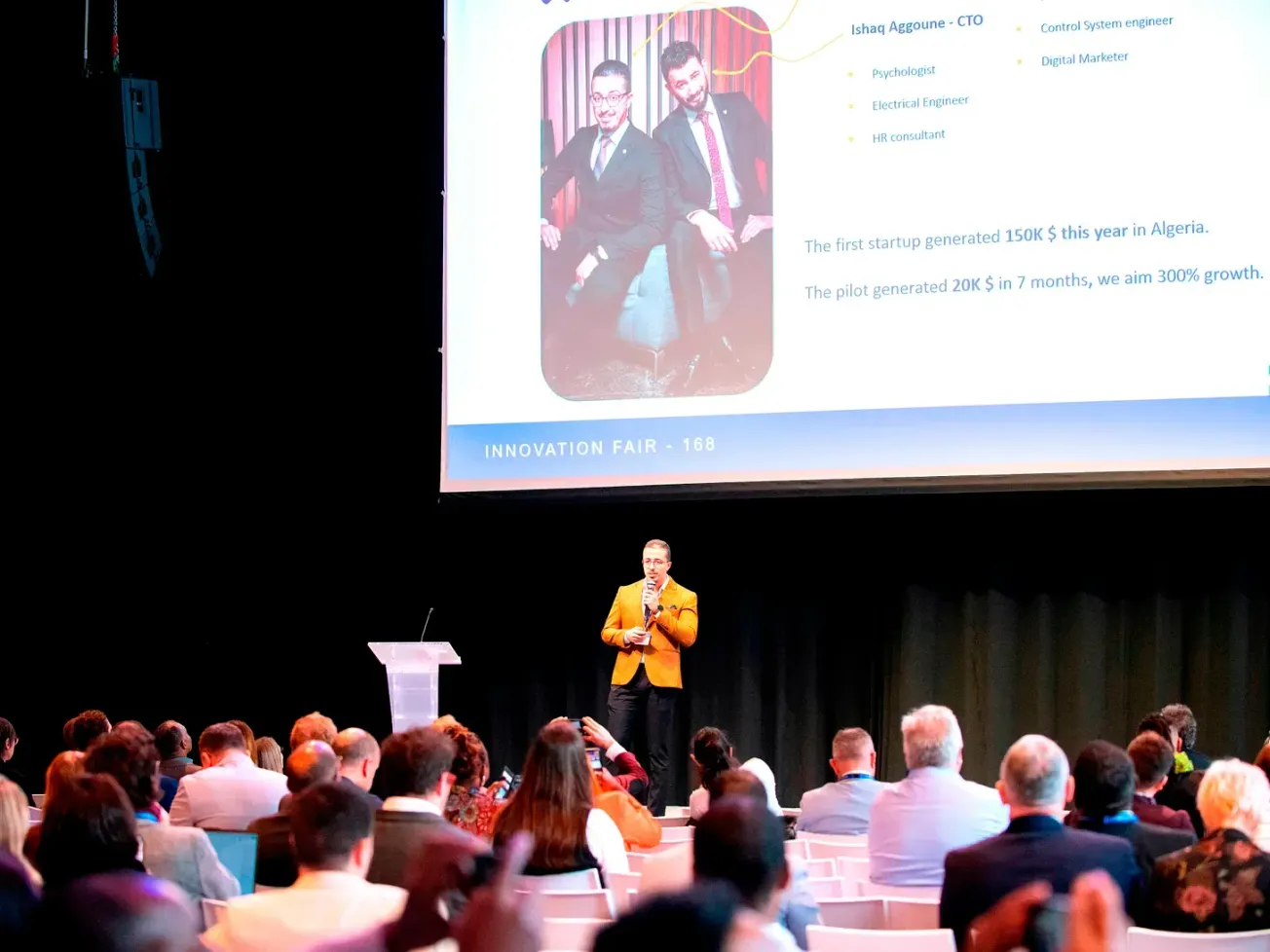
The 2026 A.U.-E.U.-Med Innovation Fair invites startups and research projects to pitch food and agriculture technologies.
As AI companies debate moral reasoning in AI, the Global South struggles to build credible systems for AI oversight.
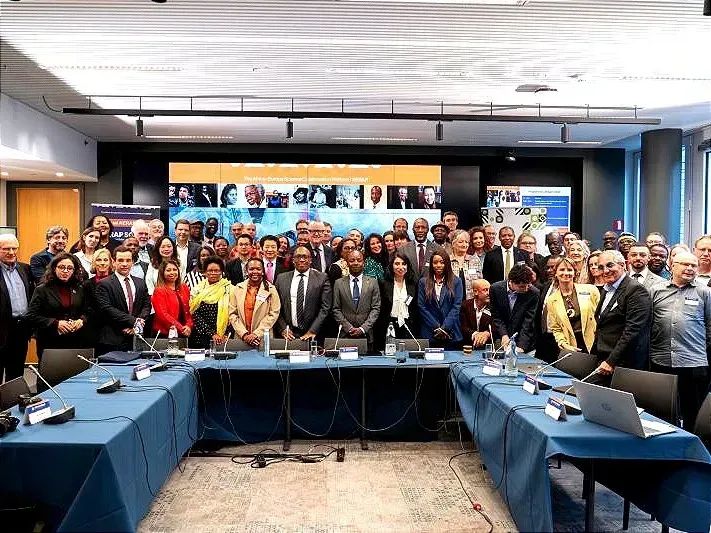
Calls intensify to translate joint frameworks into investment and delivery, shared research agendas and outcomes.
Regional and national tribunals are being asked to define how countries can balance climate action with economic growth.
Quebec’s network of research chairs turns last year’s UNESCO science diplomacy agenda into funded partnerships.
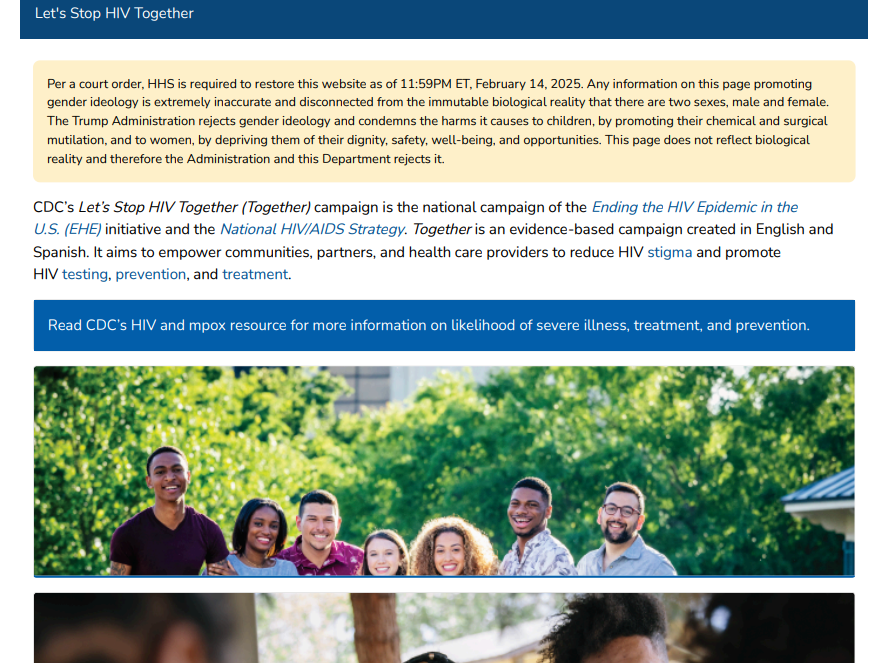
From 2010 to 2024, annual AIDS-related deaths fell 54% and new infections fell 40%. That progress is now in doubt.
The bloc committed to tripling renewable energy capacity globally and working towards U.N. Security Council reform.
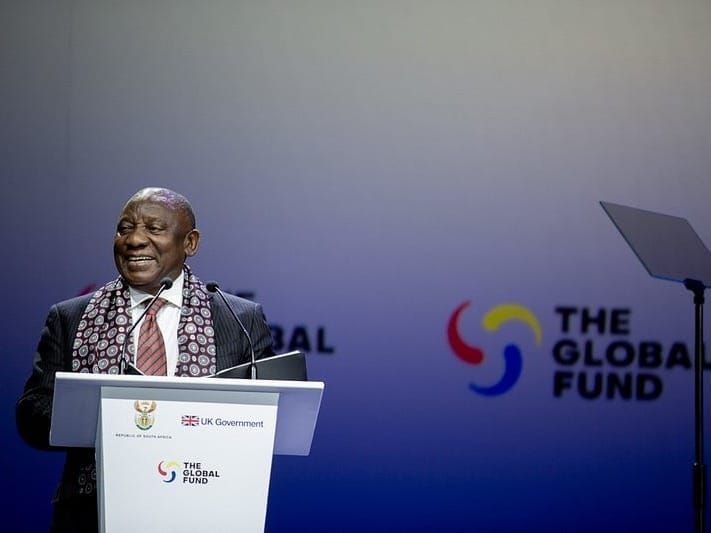
The amount of pledges was down from its $18 billion target, and 27% less than the $15.7 billion it raised three years ago.
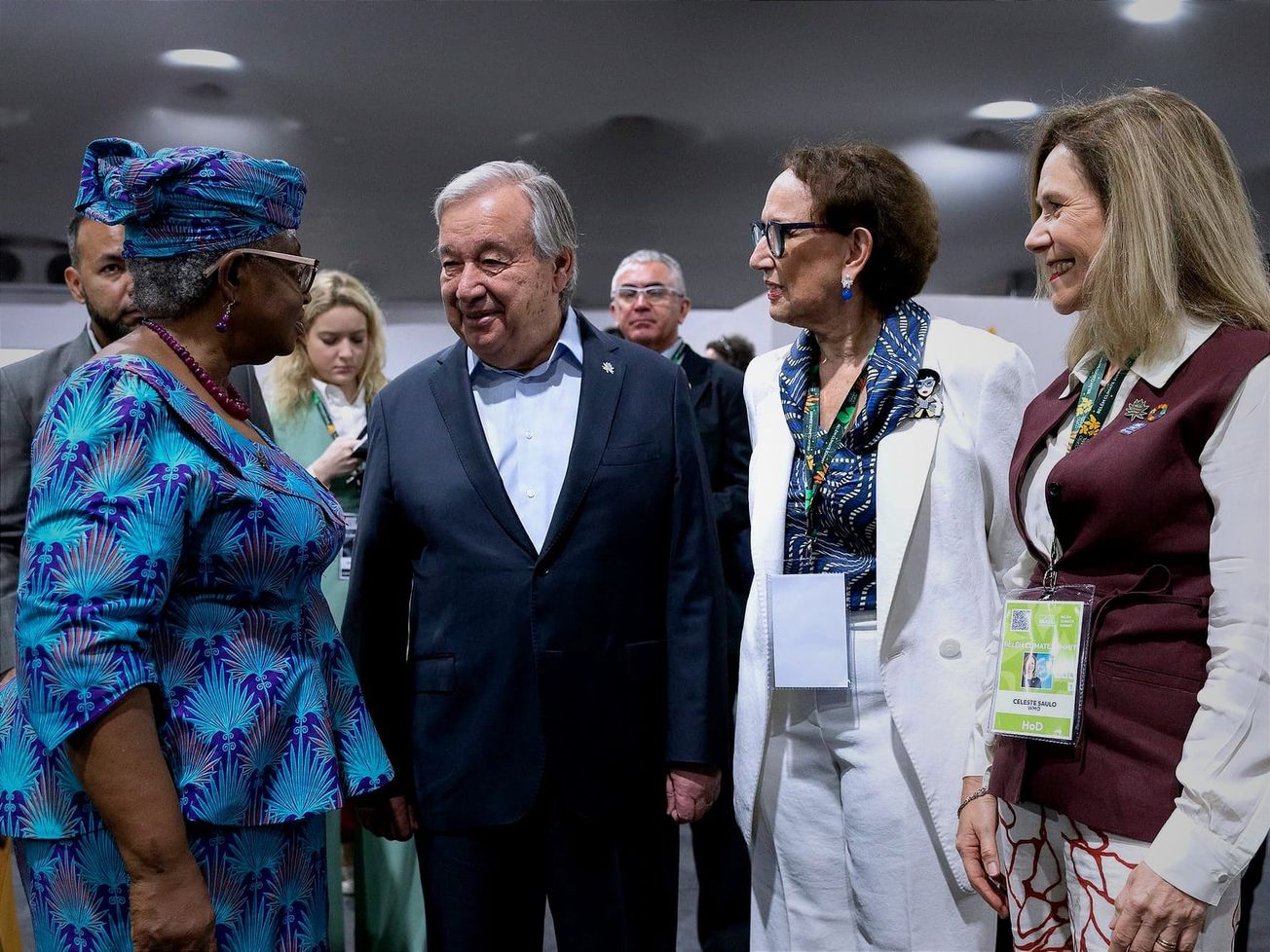
As COP30 opened, its president said high-income countries are retreating from their Paris Agreement climate obligations.
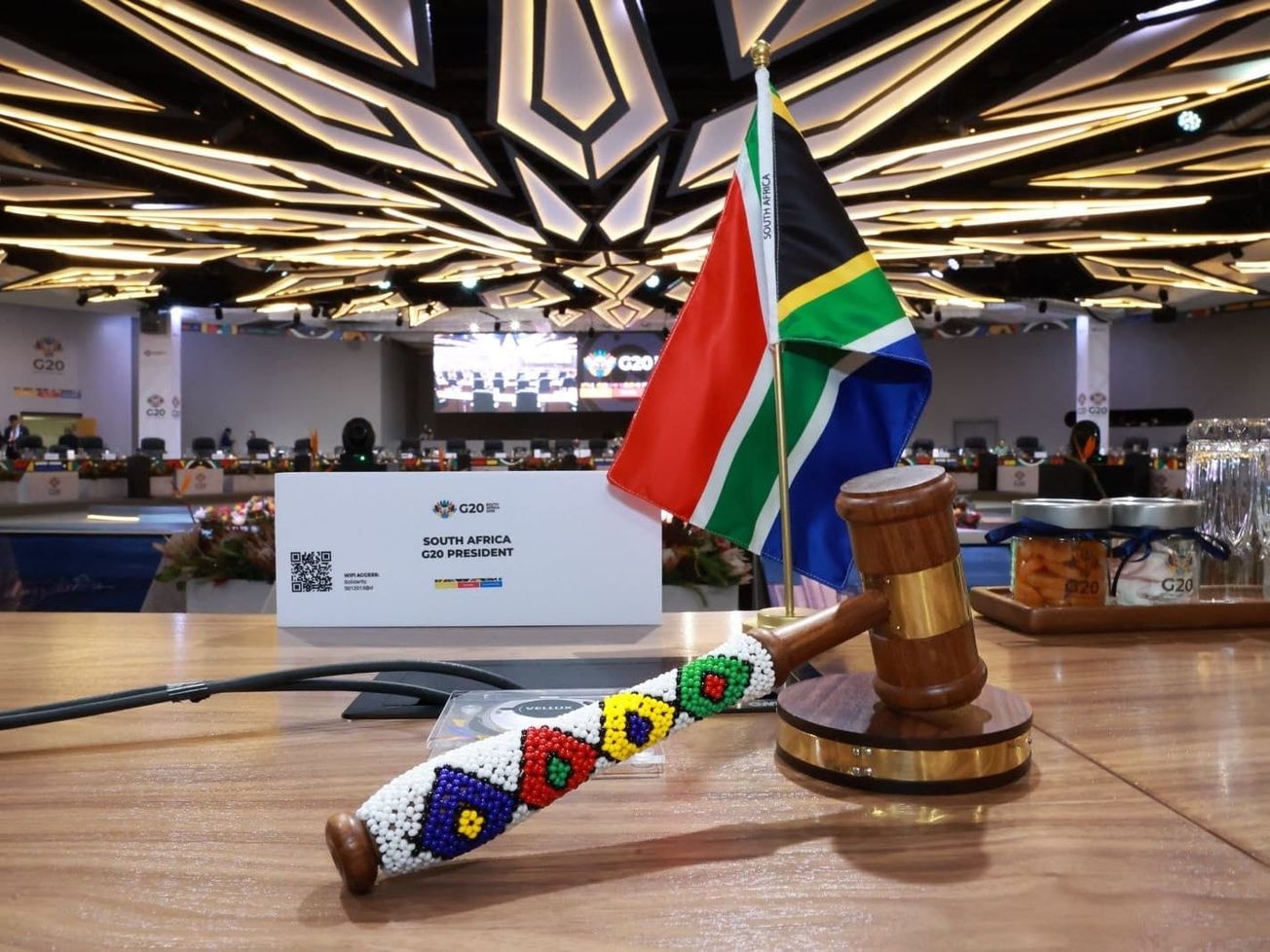
As the first African country to hold the G20 presidency, South Africa said its focus is framed around Nelson Mandela's legacy.
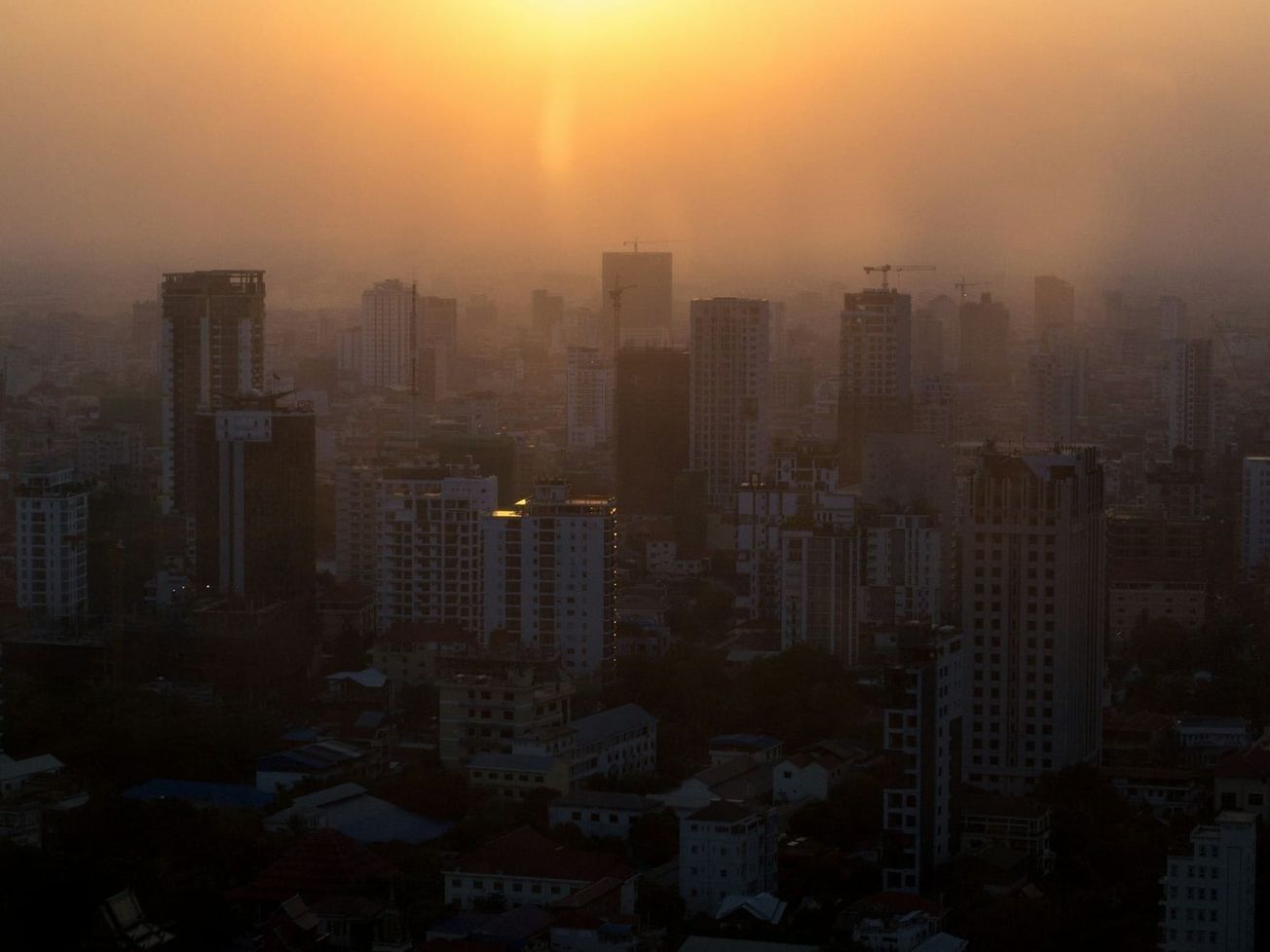
A new analysis indicates nations must cut carbon emissions by a massive 43% globally by 2030 compared to 2019 levels.