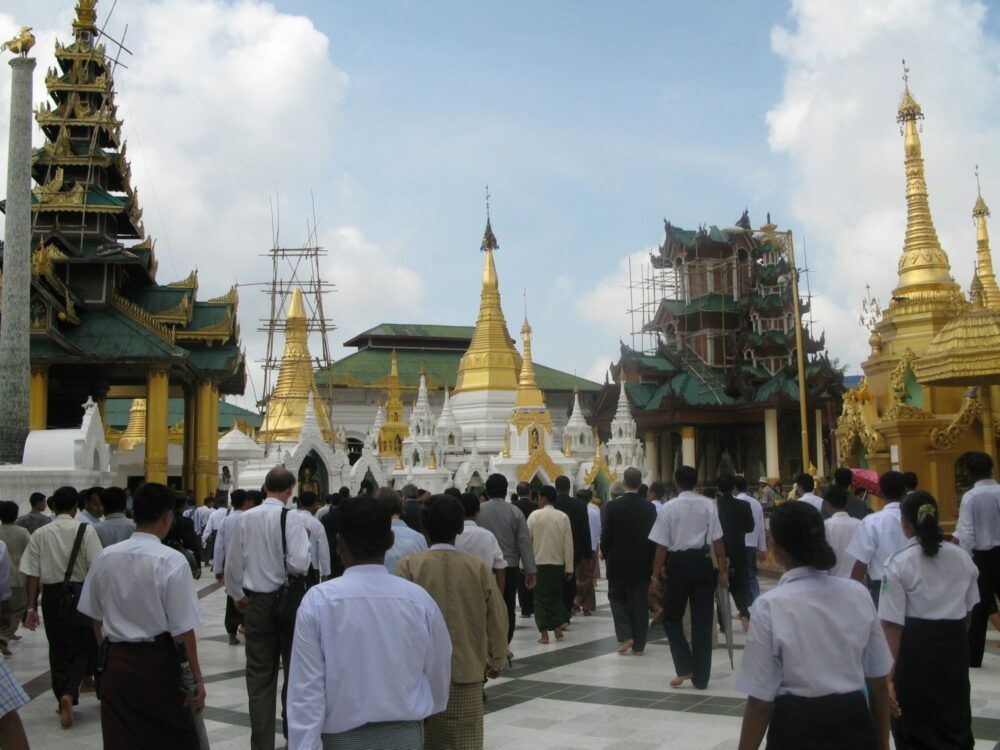
Two Reuters journalists held in Rohingya case are freed in Myanmar
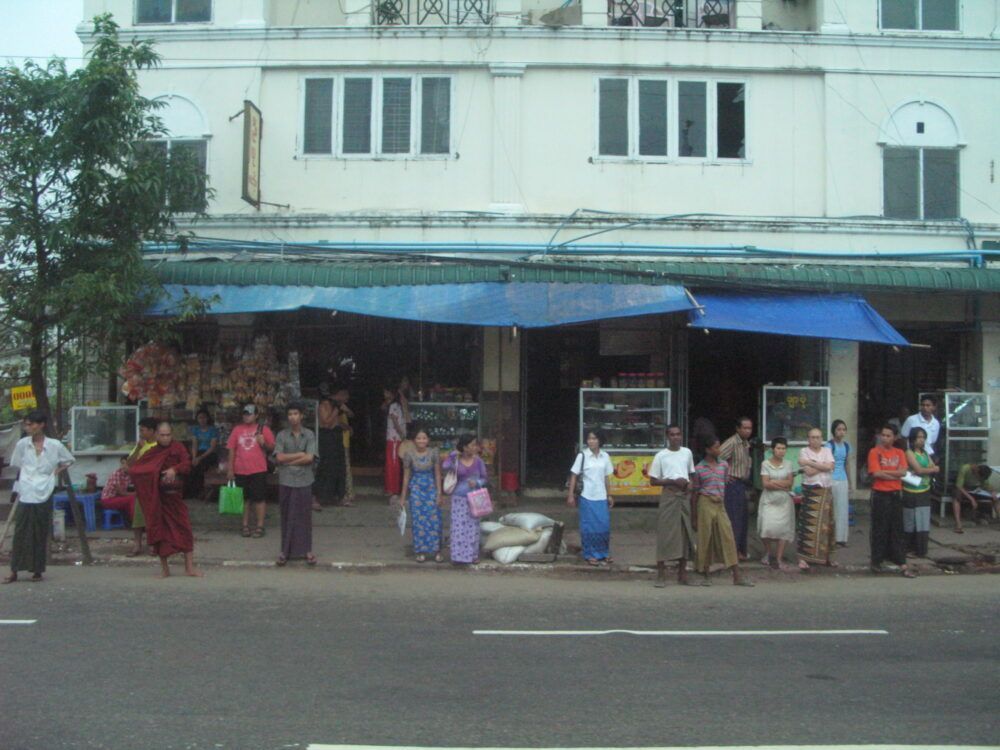
The journalists were imprisoned since Dec. 2017 for investigating killings of 10 Rohingya Muslim men and boys.
The United Nations is the world's primary forum for diplomacy and peace. Founded in the wake of WWII to prevent global conflict, this organization of 193 member nations now serves as the stage for addressing our most pressing challenges — from climate change to human rights. We cover the U.N.'s policies and efforts to build a more peaceful, just, and prosperous world.
Already have an account? Log in
The journalists were imprisoned since Dec. 2017 for investigating killings of 10 Rohingya Muslim men and boys.
Accelerating species losses undermine humanity's perch on the planet because all life depends on rich species diversity.
Extreme weather events are rising in frequency and intensity, disproportionately hitting poor countries and communities.
Businesses and consumers are subject to 'a patchwork of rules' from bilateral and regional trade agreements.
The U.N. fears more air raids and heavy shelling in residential areas could cause more deaths and destroyed neighborhoods.
Despite fears about being weighed down with too much debt, developing nations embraced the infusion of Chinese cash.
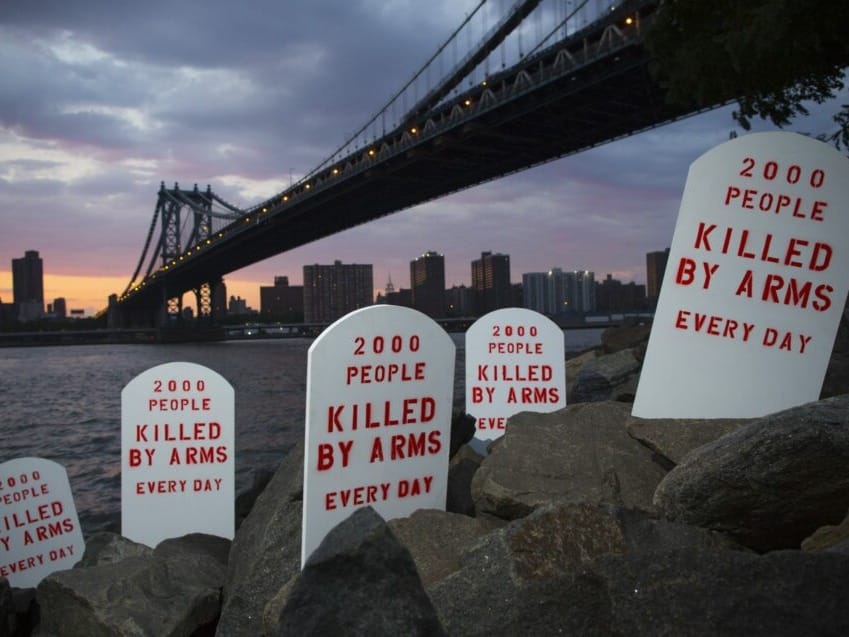
The treaty covers small arms, battle tanks, combat aircraft and warships. The U.S. is the world's biggest arms exporter.
Opposition from the U.S., China and Russia forced the removal of measures for investigations and health care.
The U.N. and other organizations urged the nation to immediately release the two Reuters journalists.
The president's eldest daughter said in an interview that her father had asked her if she would be interested in the job.
The rapid damage assessment would done with national and local authorities, site management, and church authorities.
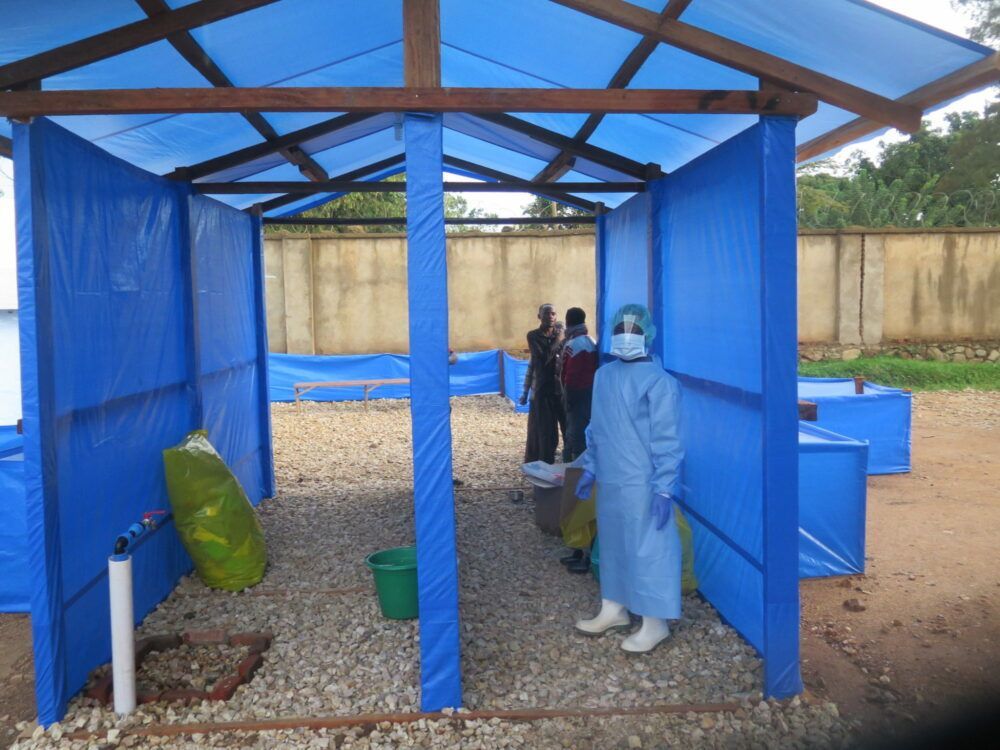
After an emergency meeting, WHO’s director said he accepted a panel's recommendation to skip an emergency declaration.
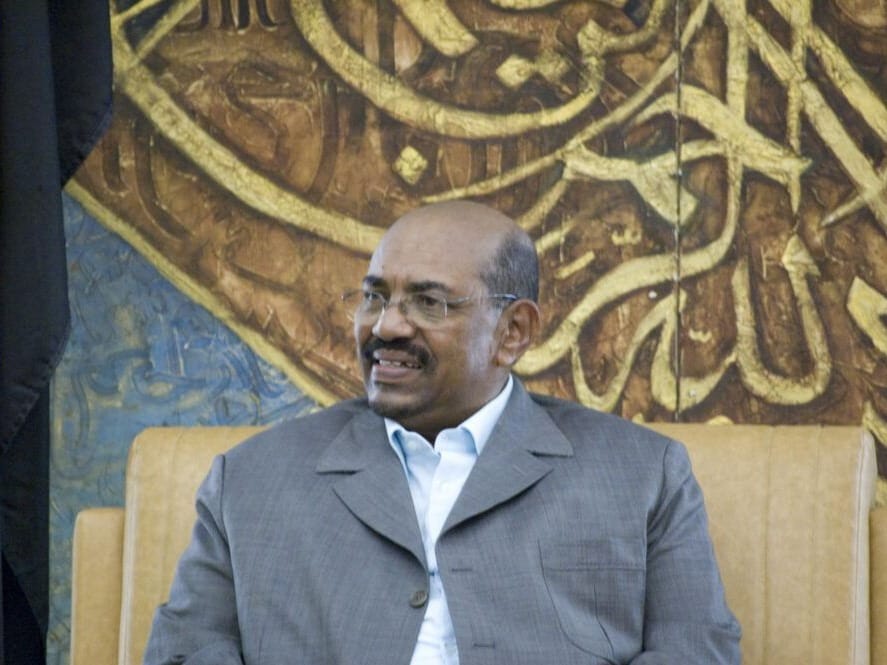
Sudan's defense minister announced Omar al-Bashir was arrested and declared a state of emergency for three months.
The International Maritime Organization requires industry upgrades and streamlining electronic information exchanges.
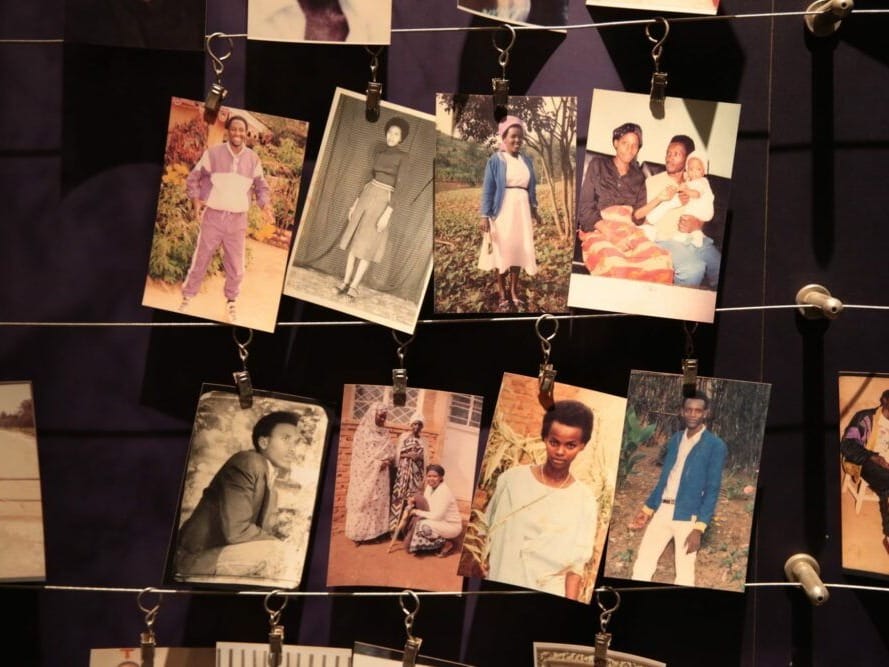
The court in Rwanda convicted 61 people who bore the greatest responsibility, but eight fugitives remain at large.
Glaciers lost more than 9,000 billion tons of ice since 1961, raising water levels by 27 millimeters worldwide.