WASHINGTON (AN) — Restrained global oil supply resulting from the war in Iran and blockage of the Strait of Hormuz has led to extreme volatility in energy markets that will likely stall global economic growth for the rest of the year, according to the International Monetary Fund's latest projections.
IMF's World Economic Outlook released on Tuesday estimates that growth in world output will decelerate to 3.1% in 2026, down from 3.4% last year, representing a downward revision of IMF's original projection of 3.3% for 2026 at the beginning of the year. However, given the conflict's uncertain trajectory, the IMF modeled three distinct scenarios, ranging from a short-lived disruption to a prolonged crisis, each projecting different inflation and growth outcomes based on the severity of the economic fallout.
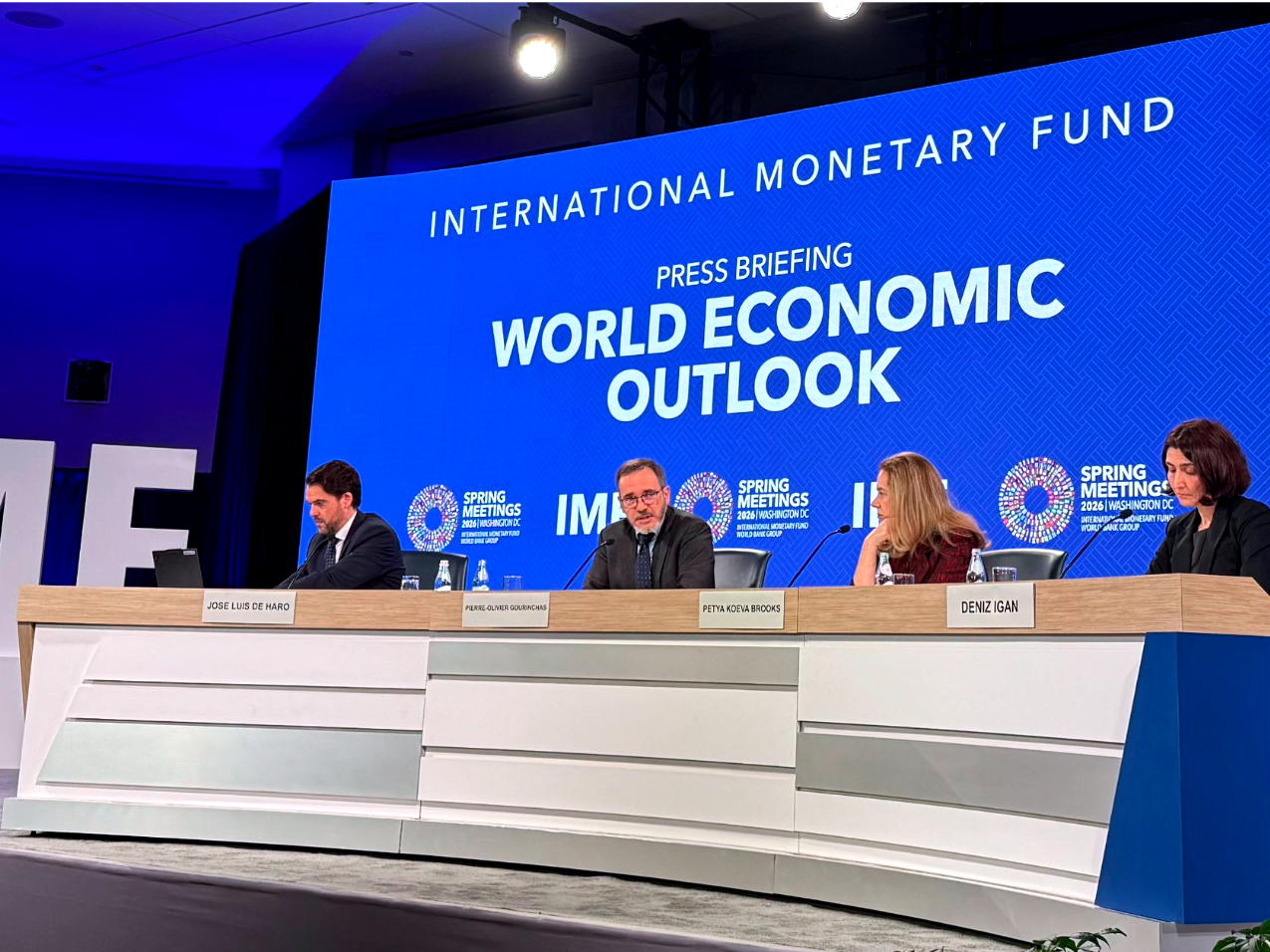
"The world economy faces another difficult test, fraying alliances, new conflicts and waves of inward looking policies such as trade restrictions undermine cooperation and growth," Pierre Oliver Gourinchas, director of the IMF’s research department, told a press briefing.
“We should keep strengthening global cooperation," he said. "With the right policies, including a swift cessation of hostilities and reopening of the Strait of Hormuz, the damage can remain limited."
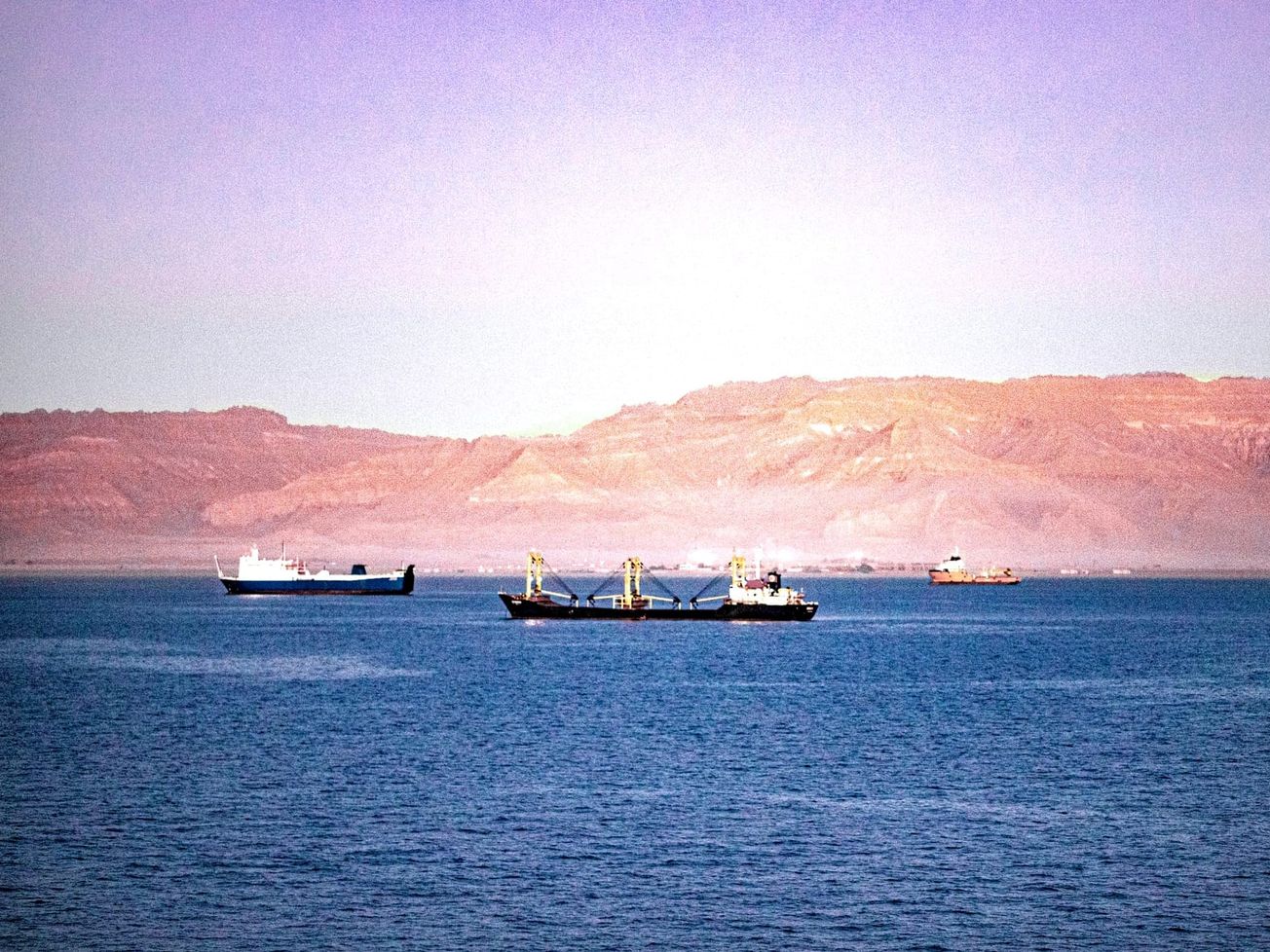
The report came as the IMF and World Bank Group welcomed government and central bank officials from across the globe. As their 2026 Spring Meetings began, however, the Iran war disrupted energy supplies and cut the world’s oil flow by some 13%.
Prices for oil surged above $100 a barrel, up from $73 a barrel before the war began on February 28, but as of Tuesday oil prices were falling amid hopes of more peace talks between the U.S. and Iran. The price of global benchmark Brent crude was down 3.8%, trading around $95 a barrel.
"Had it not been for this shock, we would have been upgrading global growth. But now, even our most hopeful scenario involves a growth downgrade," IMF Managing Director Kristalina Georgievea said last week. "Why? Because of significant infrastructure damage, supply disruptions, losses of confidence, and other scarring effects."

Economic outcomes depend on the timeline of war
Amid the uncertainty surrounding the war, the IMF laid out several scenarios to model in its report. The six-day summit initially planned discussions centering on artificial intelligence, trade disputes and international development, but participants were forced to confront the Middle East crisis and seek policies to mitigate its impact.
In one plausible scenario, Gourinchas said, oil prices could stabilize around $80 a barrel, but the likelihood of that diminishes the longer the war goes on and energy supplies are limited. The world is "moving away from that scenario," he said, and drifting closer to the "adverse scenario."
Monica DeBolle, a senior fellow at the Peterson Institute for International Economics, said a more severe scenario involving inflation of 6% or more and sharp drop in growth to 2% could result even if the war ends this year.
"We already have sufficient disruption in the system for that scenario to be way more likely," she said of the latest economic projections amid the uncertainty of war. "The IMF has done the best it can in this very uncertain scenario, but quite frankly, I don't put any faith in any of the scenarios that they came up with, and I don't think they do either."
Gourichas, however, urged countries not to let the war "derail" their pursuit of durable growth. "It should also spur faster adoption of renewable energy," he added, "which can strengthen resilience to energy shocks, improve energy security and support the climate transition."