U.N. declares healthy environment a human right
A second vote in the United Nations solidifies international recognition that everyone's access to a clean and healthy environment is a fundamental right.
Melting glaciers. Rising sea levels. Wildfires. Food shortages. Widespread species extinctions. Global pandemics. Every other issue is secondary. The climate crisis is a health crisis — a reality highlighted by WHO chief Tedros Adhanom Ghebreyesus, who points to the links between extreme weather, disease, and noncommunicable diseases. Science, politics, and economics are all at the heart of this urgent global issue.
Already have an account? Log in
A second vote in the United Nations solidifies international recognition that everyone's access to a clean and healthy environment is a fundamental right.
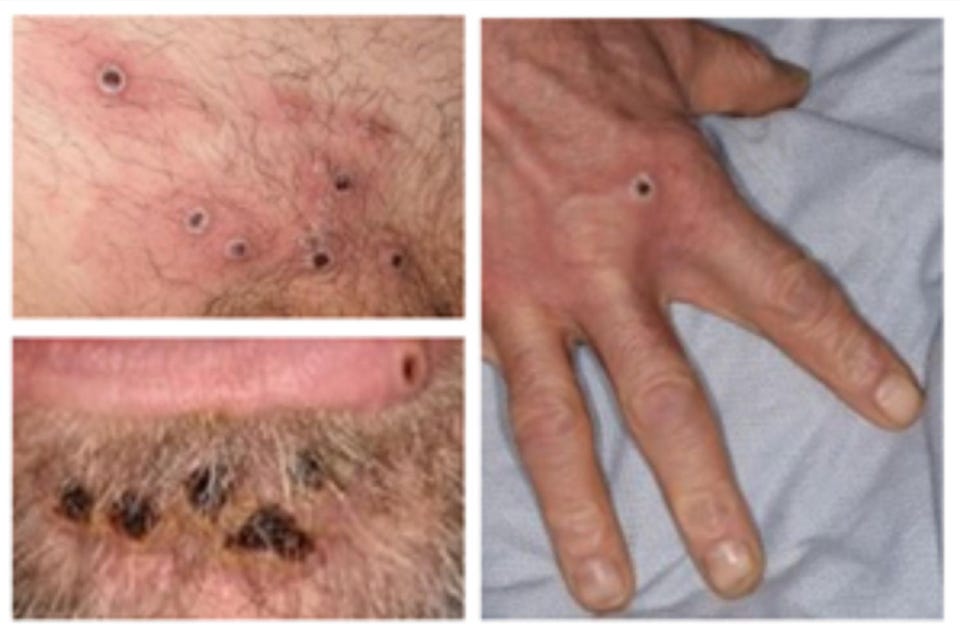
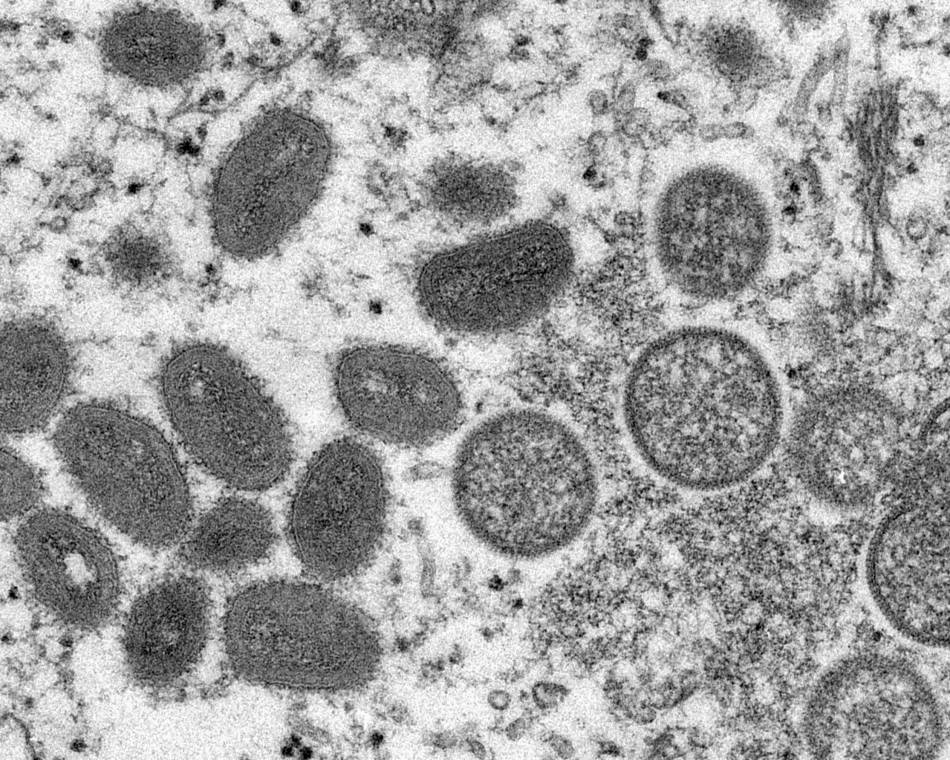
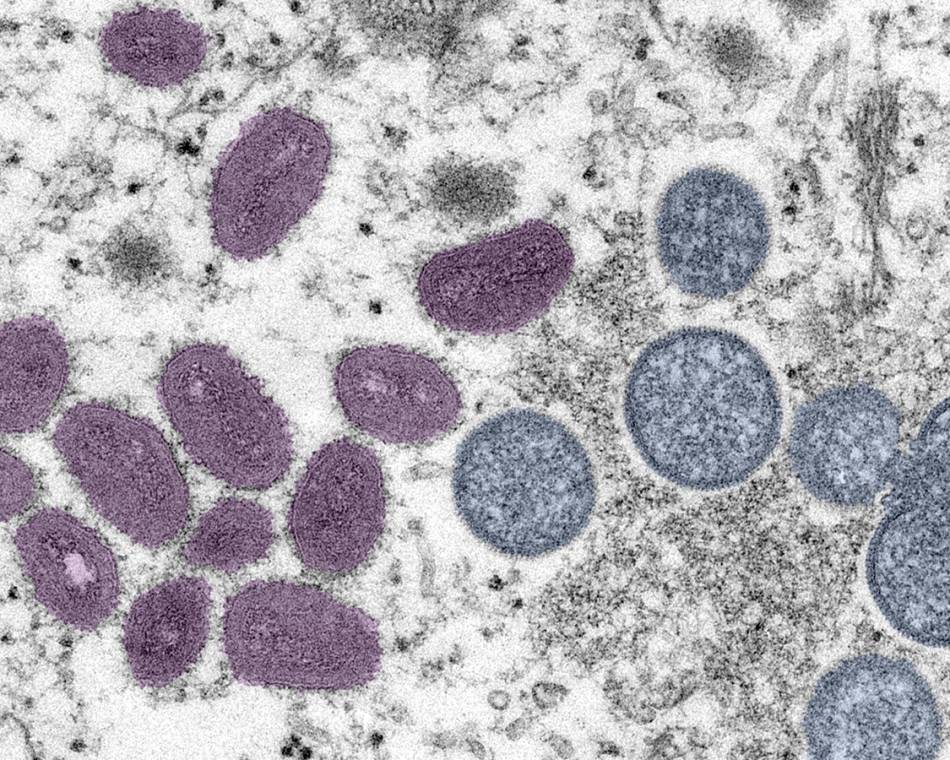
WHO's chief declared monkeypox a global health emergency, citing a rapid escalation in cases to more than 16,000 among 75 nations and territories.
The report blames misinformation, conflicts and wars, lockdowns, supply chain disruptions and diverted resources.
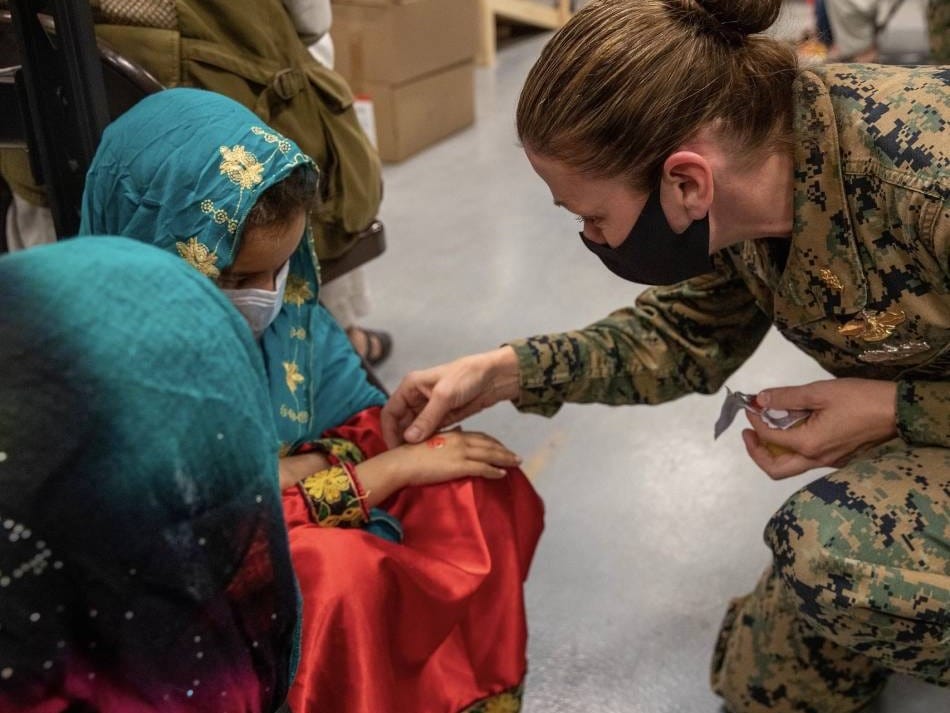
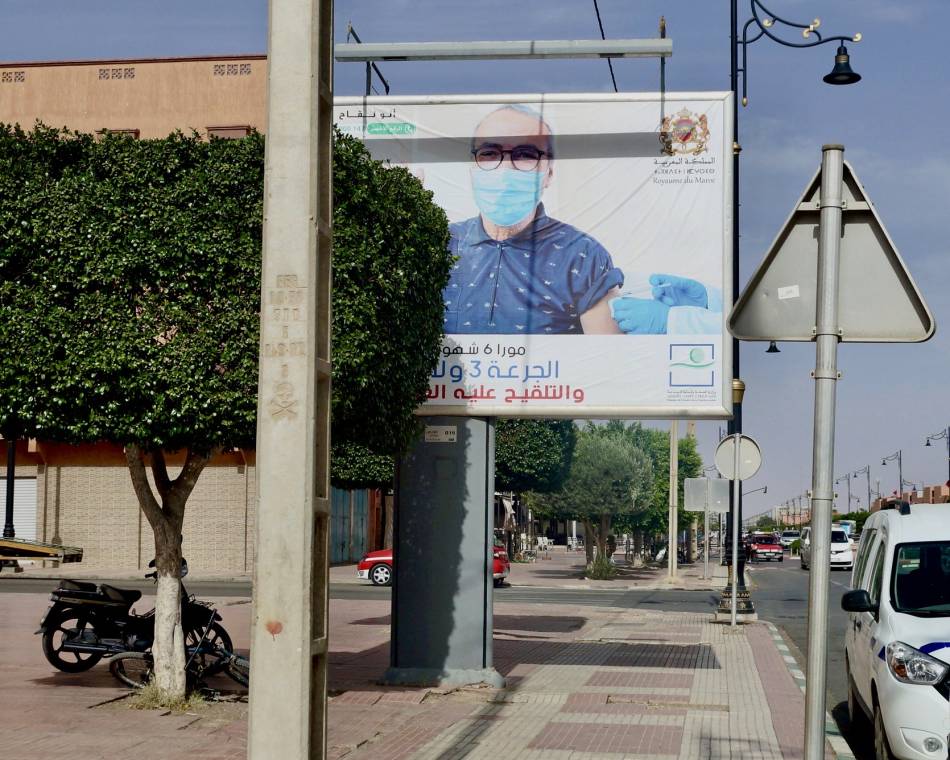
The public health experts who declared COVID-19 was a pandemic said it isn't over yet because new variants "may present an even greater health threat."
The IPBES guidelines could prod decision-making beyond just politics and economics to deal with our massive loss of species and rising temperatures.
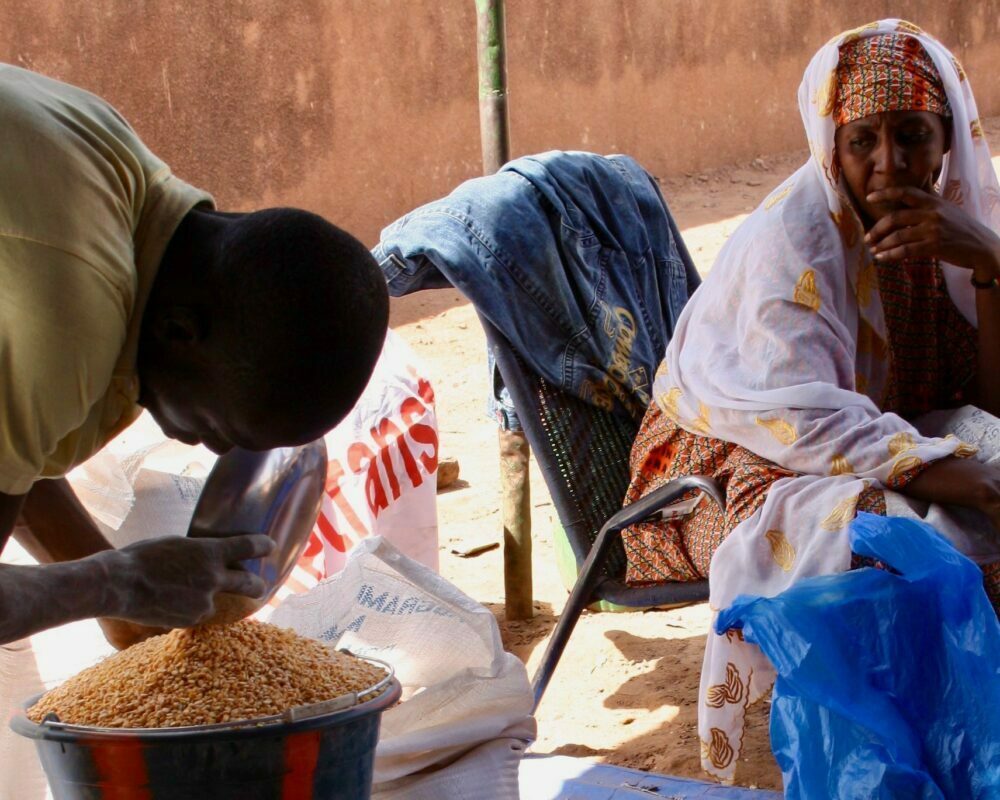
Global hunger soared last year to affect almost one-in-10 people on the planet even before Russia's war in Ukraine, five United Nations agencies reported.
Monkeypox cases tripled in Europe over the past two weeks in what WHO calls a race to prevent the virus from becoming entrenched in the region.
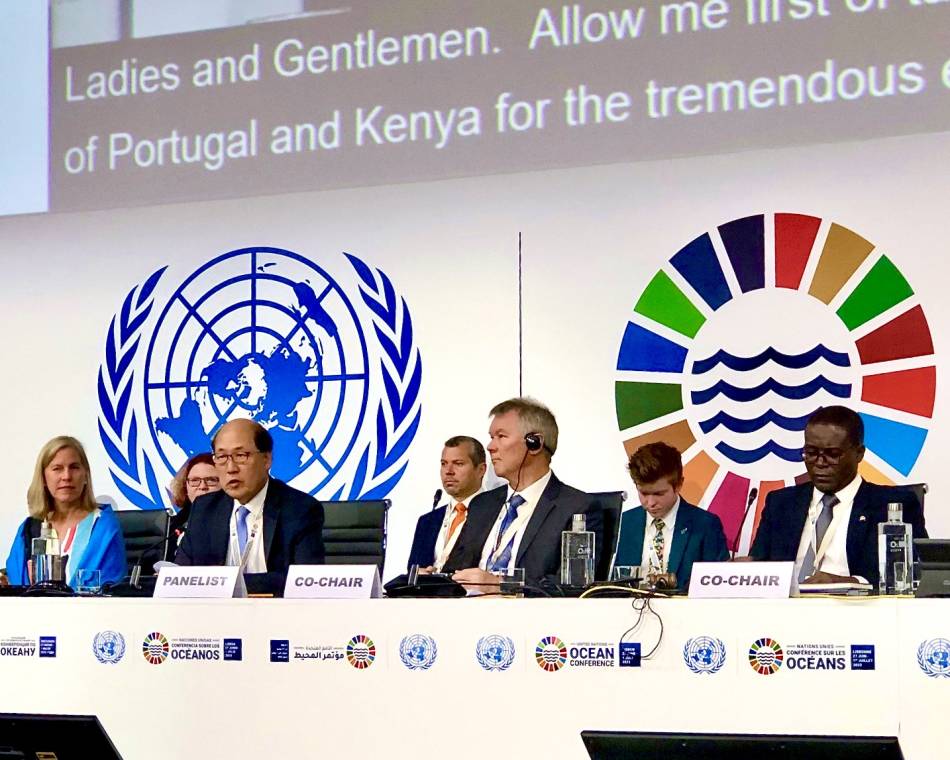
More than 150 nations committed to put science at the heart of renewed efforts to tackle the multiple human-caused crises threatening the ocean.
The U.N. health agency is seeking global access to vaccines against monkeypox and calling a meeting to decide if the virus outbreak is a global emergency.
Share of parties to international multilateral environmental agreements on hazardous waste and other chemicals that meet their reporting commitments.
After two years of discounting the controversial theory, WHO urges a closer look into 'this and all other possible pathways.'
Tens of millions of people in 20 hunger "hotspots" will need emergency aid as they face a sharply increased risk of starvation, two U.N. agencies predicted.
Climate negotiators in Bonn, Germany began trying to build momentum for greater ambition at the U.N. climate summit that Egypt will host in November.
A group of nations is looking at how they can use regulations for hazardous chemicals and wastes to tackle pollution, global warming and species losses.
Proponents of a U.N. global high seas treaty for protecting biodiversity are set to resume talks in August with the goal of approving it as soon as possible.
Nations appeased conservatives with a new strategy for HIV, viral hepatitis and sexually transmitted infections that omits a glossary of sexual health terms.