European Investment Bank may ban funding for fossil fuel energy
The aim is to fulfill the Paris treaty’s goal of limiting warming to no more than 2° C. above pre-industrial levels.
Melting glaciers. Rising sea levels. Wildfires. Food shortages. Widespread species extinctions. Global pandemics. Every other issue is secondary. The climate crisis is a health crisis — a reality highlighted by WHO chief Tedros Adhanom Ghebreyesus, who points to the links between extreme weather, disease, and noncommunicable diseases. Science, politics, and economics are all at the heart of this urgent global issue.
Already have an account? Log in
The aim is to fulfill the Paris treaty’s goal of limiting warming to no more than 2° C. above pre-industrial levels.
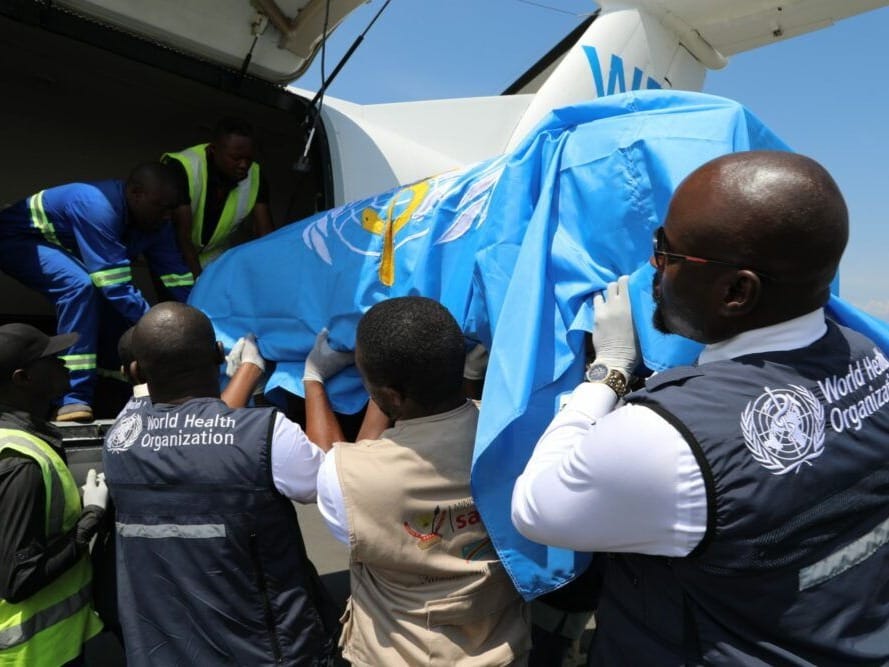
The U.N. health agency rejected an emergency declaration before but now fears Ebola spreading to other countries.
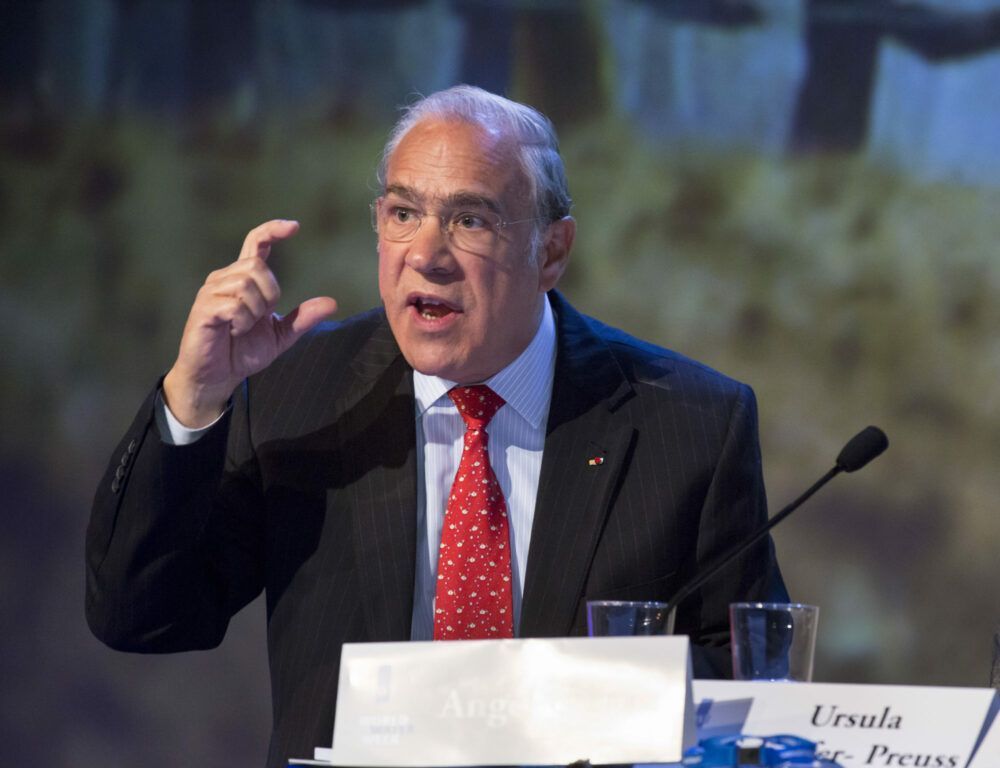
The head of the 36-nation organization called on governments to listen to millions of people worried about climate change.
Only 30 countries appear to have taken steps to provide the accurate climate information needed to fulfill the 2015 accord.
The left-leaning Greens’ young environmental supporters in the European Union's parliament shared a pro-E.U. sentiment.
WHO's decision-making body included it as a medical condition in a diagnostic manual for classifying diseases.
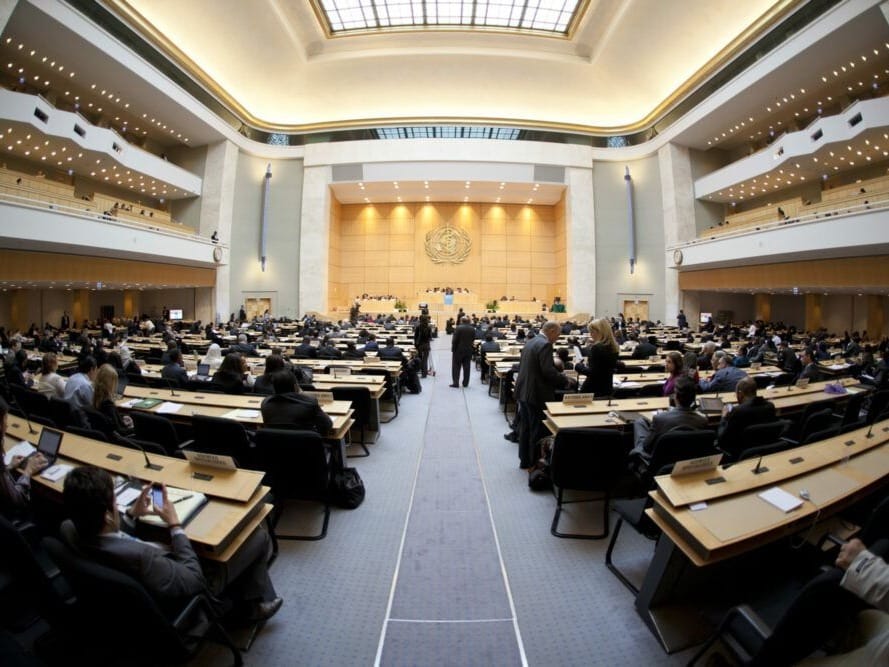
Delegates to the global decision-making body will tackle ways to strengthen emergency response and restructure the agency.
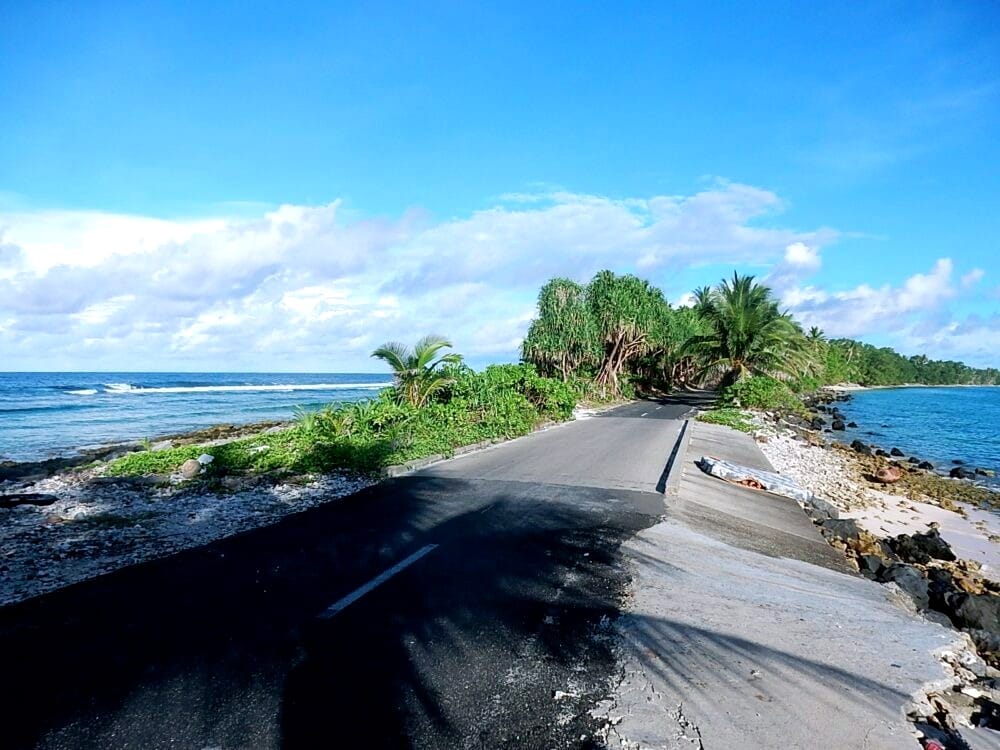
On a South Pacific trip, U.N. Secretary-General António Guterres said 'we are not winning' against the climate crisis.
The eight-nation council reaffirmed its commitment to peace and cooperation but skirted any mention of global warming.
Accelerating species losses undermine humanity's perch on the planet because all life depends on rich species diversity.
Extreme weather events are rising in frequency and intensity, disproportionately hitting poor countries and communities.
The U.N. health agency said RTS,S is the first and only vaccine shown to significantly reduce malaria in children.
After an emergency meeting, WHO’s director said he accepted a panel's recommendation to skip an emergency declaration.
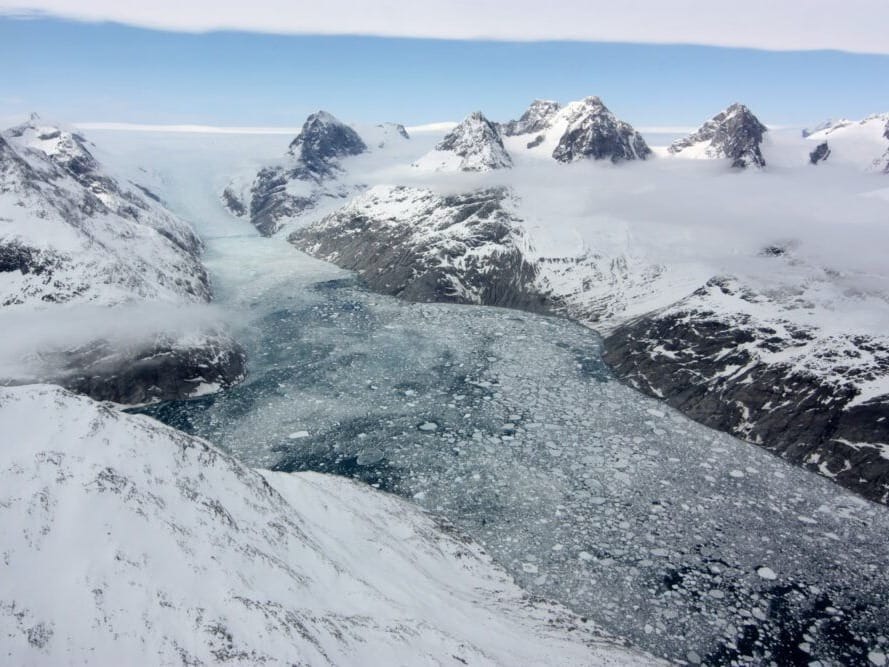
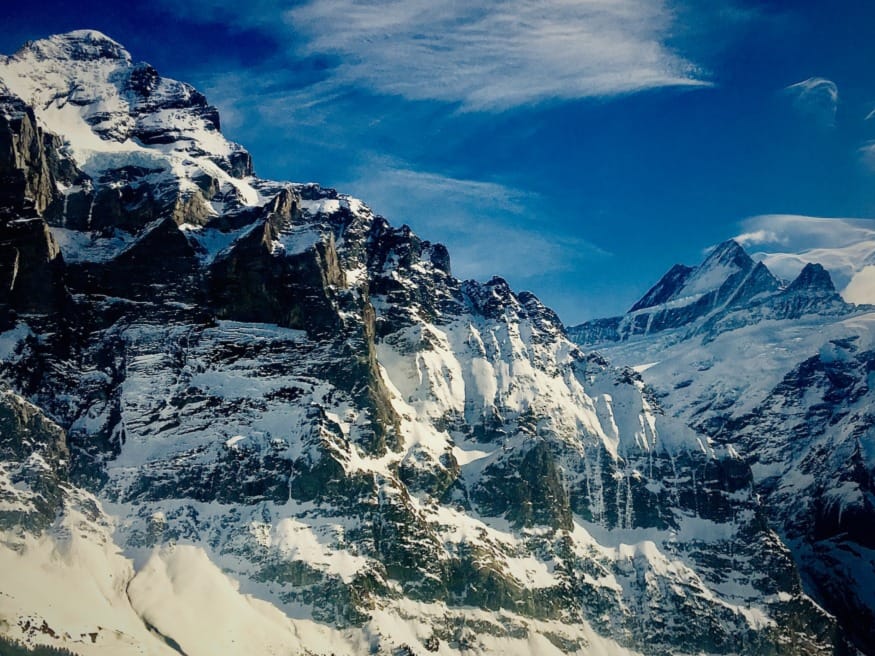
Glaciers lost more than 9,000 billion tons of ice since 1961, raising water levels by 27 millimeters worldwide.
Flooding, the worst of the impacts globally, continued to affect the largest number of people, more than 35 million.
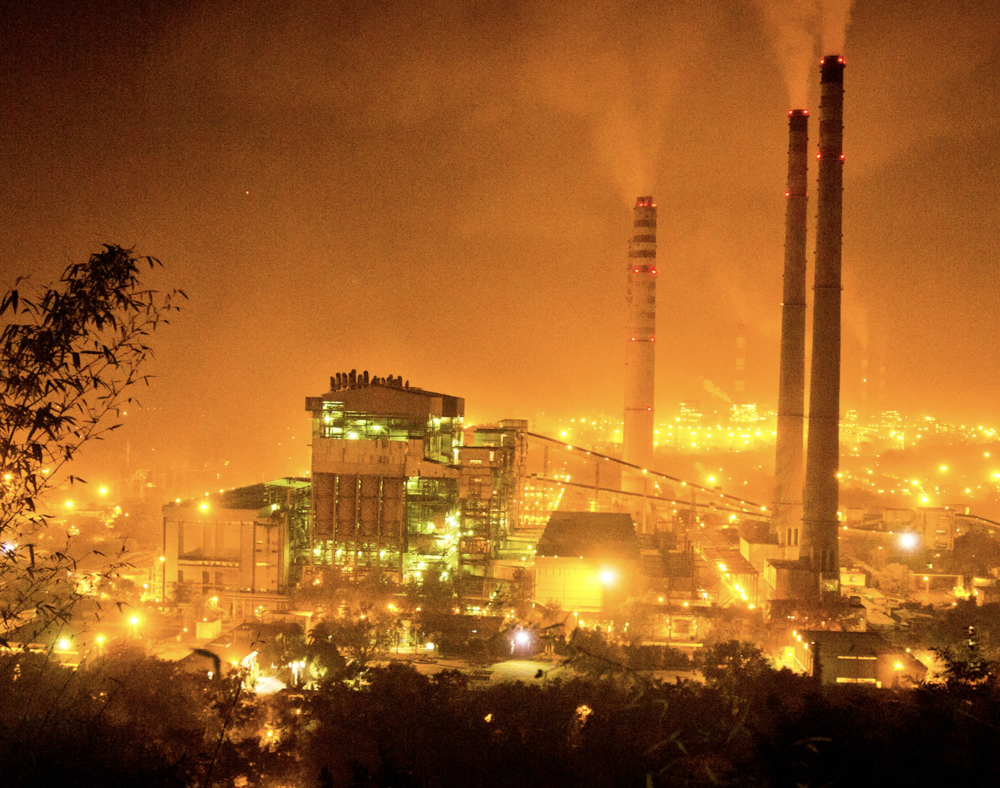
Energy-related CO₂ emissions rose 1.7% to 33.1 billion tons from the previous year, the highest rate of growth since 2013.