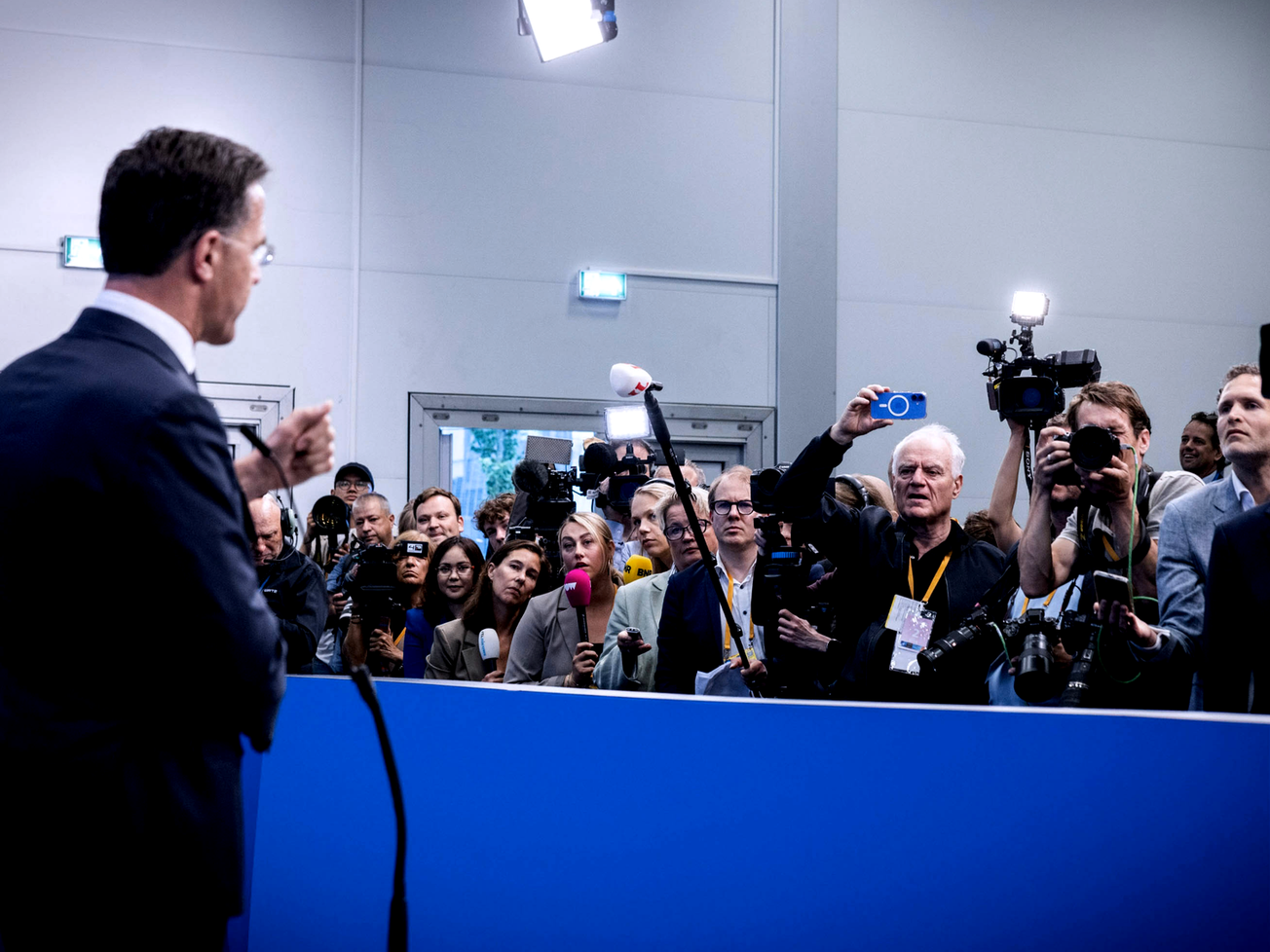
NATO summit grapples with Trump, defense spending push - and Iran
The summit was dominated by U.S. President Donald Trump's first appearance at the world's largest alliance since 2019.
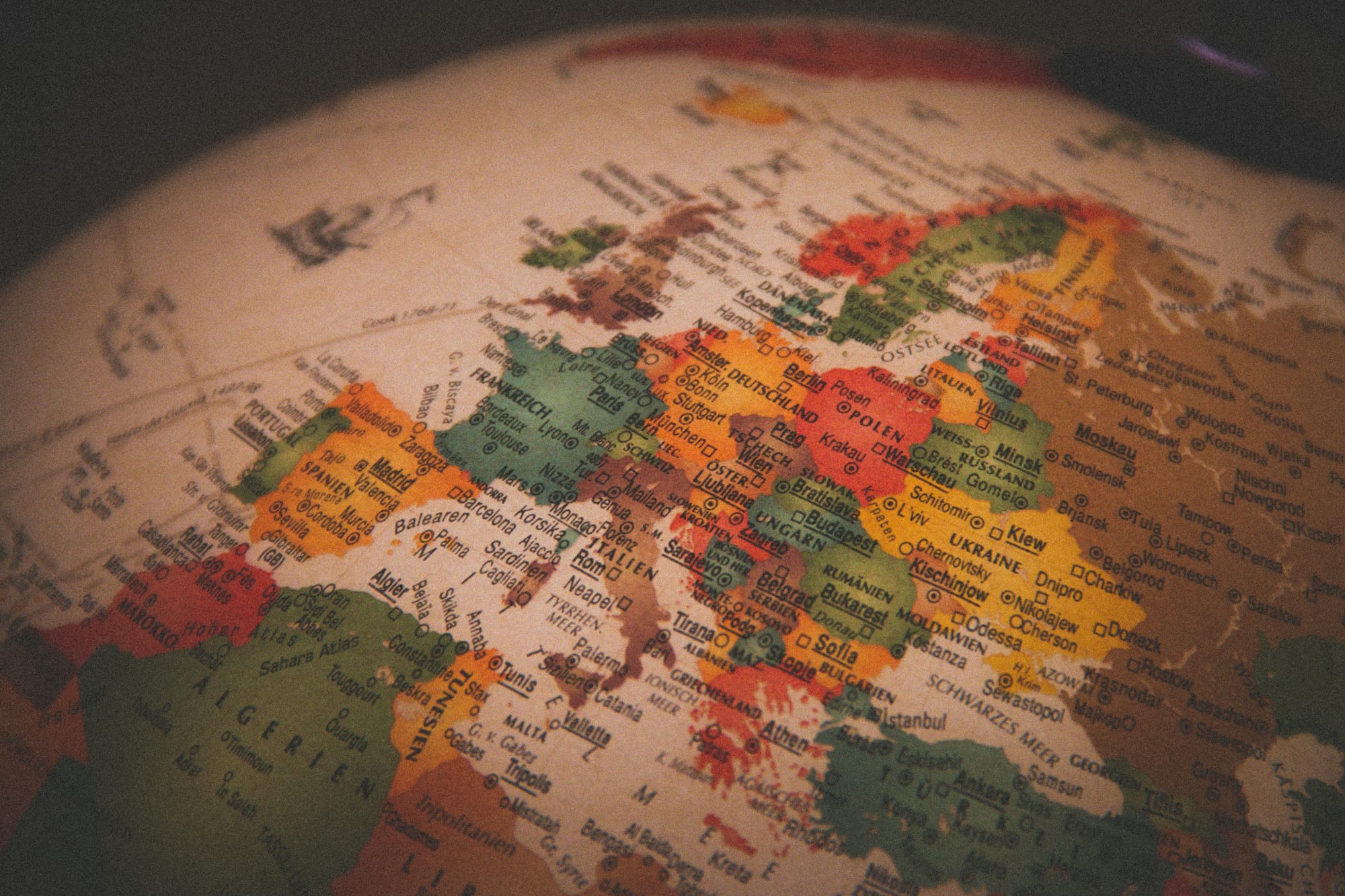
Europe serves as a major hub for global governance and international organizations, hosting a unique concentration of key bodies. The continent is home to the headquarters of the E.U. and NATO in Brussels, a major U.N. hub in Geneva, and the Council of Europe in Strasbourg.
Already have an account? Log in
The summit was dominated by U.S. President Donald Trump's first appearance at the world's largest alliance since 2019.
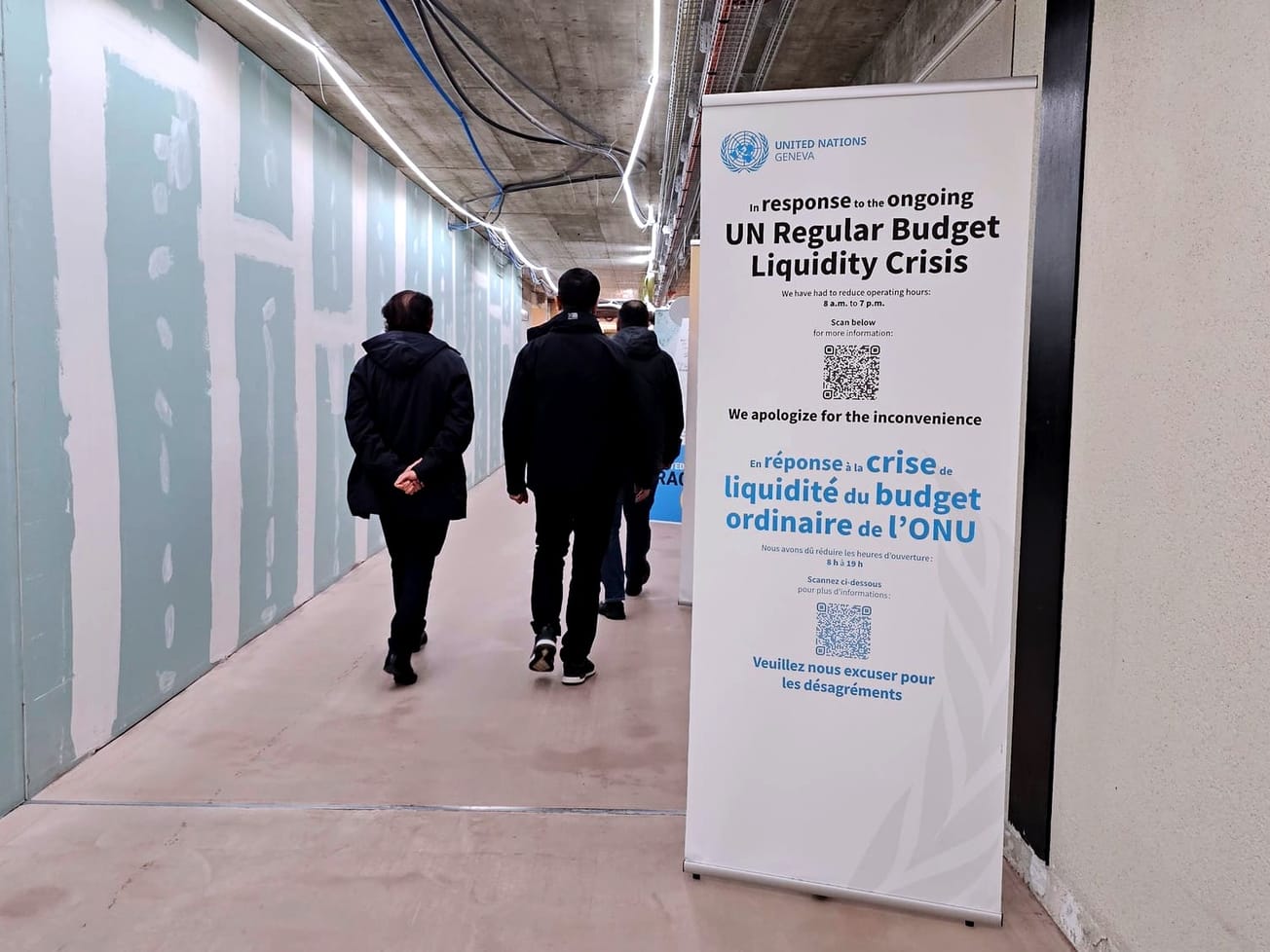
Swiss and Geneva authorities approved measures that 'aim to ease acute funding shortfalls' for international organizations.
The summit created momentum for the adoption of the first legally binding rules to better protect international waters.
Despite documentation and bipartisan concern, Trump is eliminating programs to locate and return these children.
Much of the financial angst this year was caused by the absence and impending withdrawal of the United States.
Ministers urged creation of 'regional innovation ecosystems' that would include AI strategies and digital governance.
'To be blunt, we cannot do everything,' WHO's chief said in announcing a management overhaul and other cuts.
The military draft now looms over young Latvians to bolster NATO-allied defenses, but many have started to embrace it.
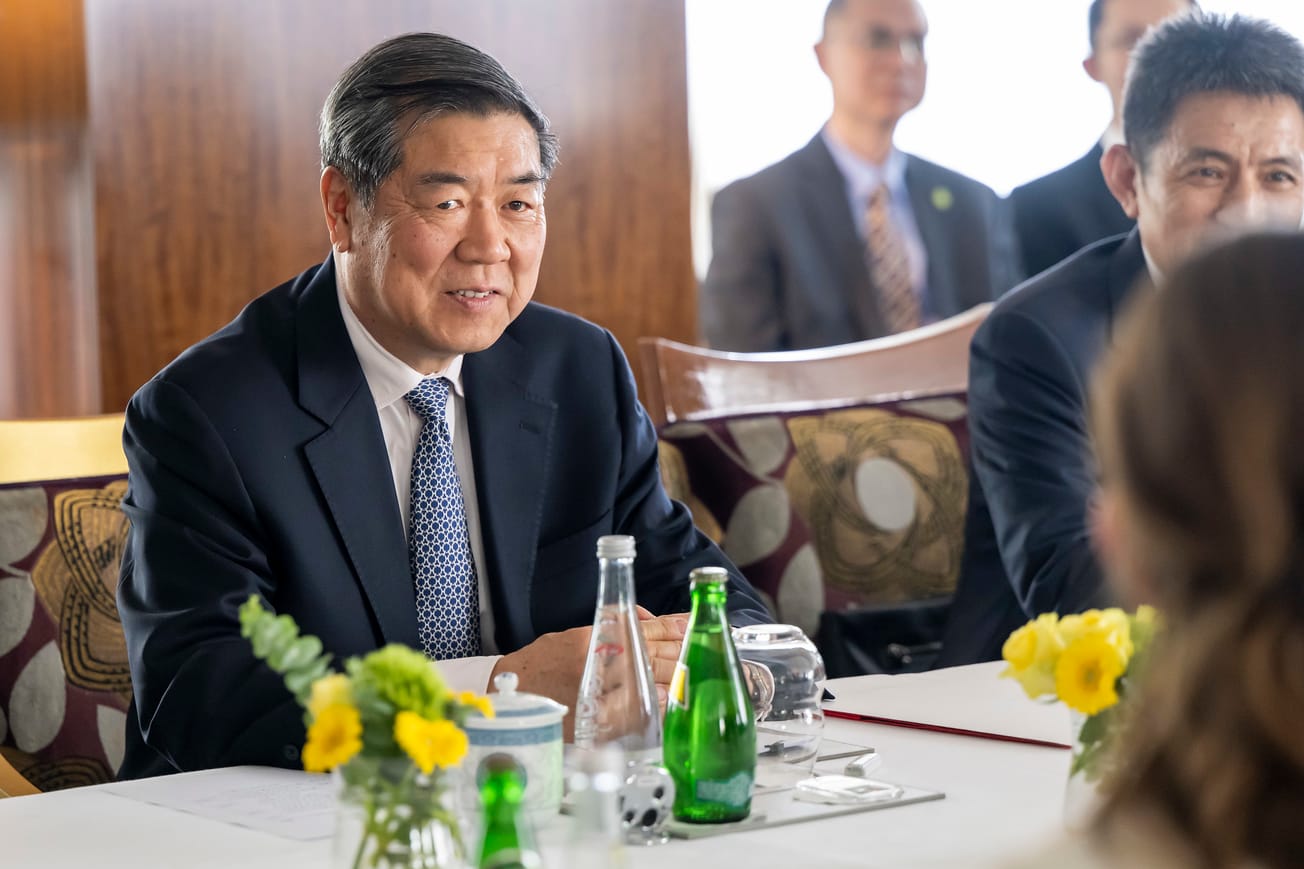
Both sides moved to suspend most tariffs on each other's goods after an intense weekend of Swiss-hosted negotiations.
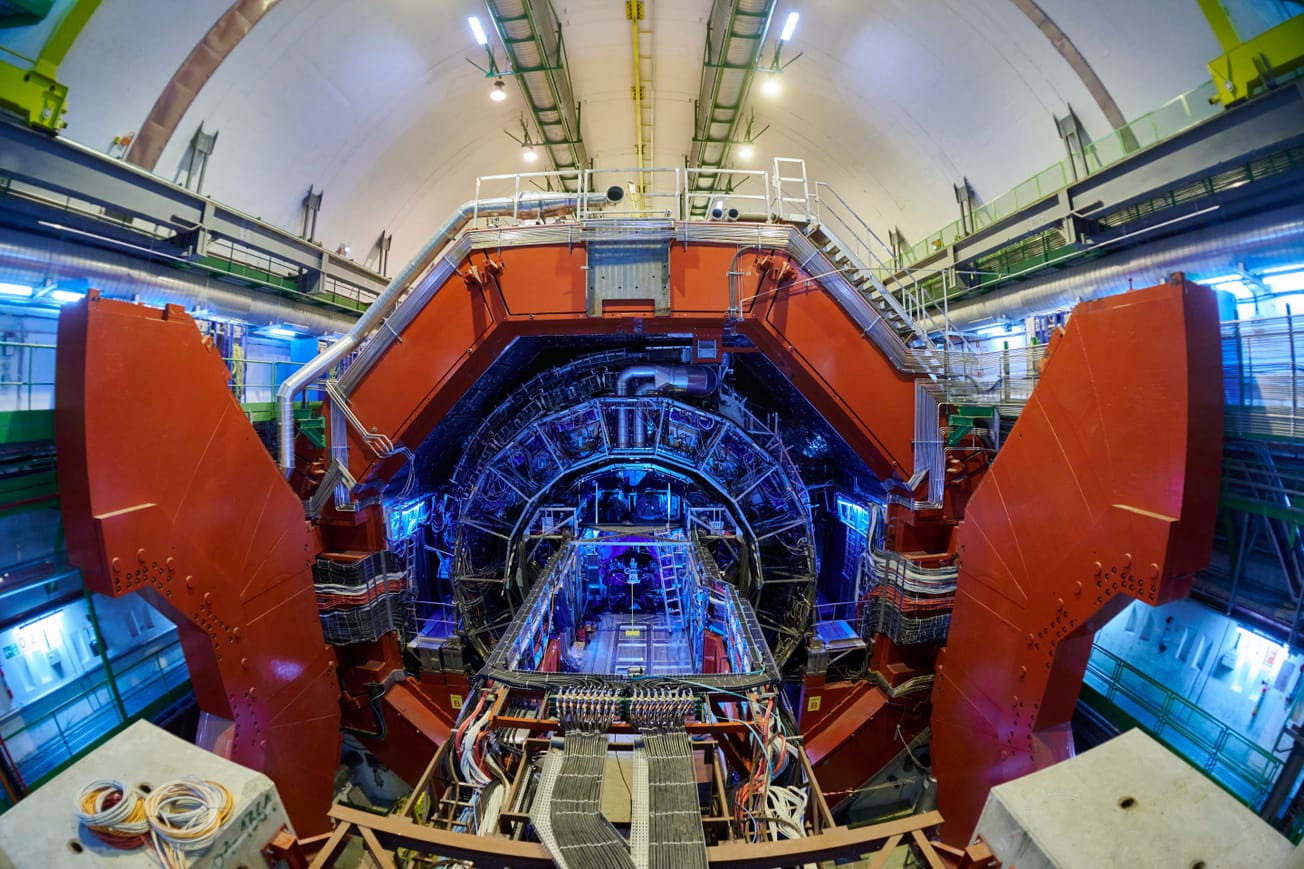
CERN announced that lead ions smashed together broke the atoms into more recognizable forms such as lead to gold.
On a hike with reporters in a snow-covered pine forest, a Latvian colonel pointed to a border array of tank deterrents.
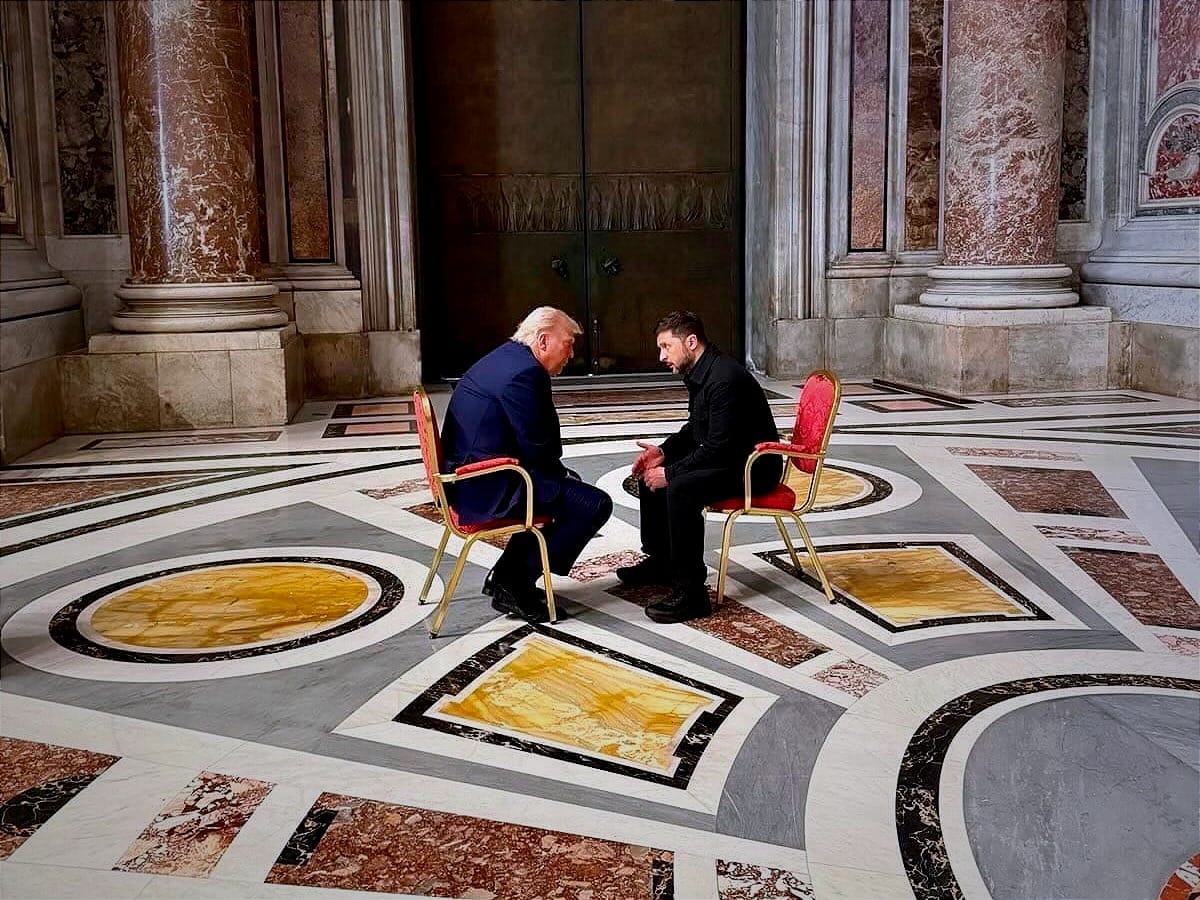
A day after saying a deal with Russia was close, Trump expressed doubt that Putin is willing to end the Ukraine war.
Europe's 'AI continent' would offer up to five large-scale but power-hungry facilities drawing Big Tech with simpler rules.
More than 1,000 physicists and engineers helped create the $17 billion proposal, based on at least 100 different scenarios.
Experts agreed science and diplomacy need to evolve to build trust, solve problems, and promote national interests.
The spike in the world’s deadliest infectious disease comes as officials warn global aid cuts could lead to a resurgence.