U.N. sees no reduction of primary gases that cause global warming
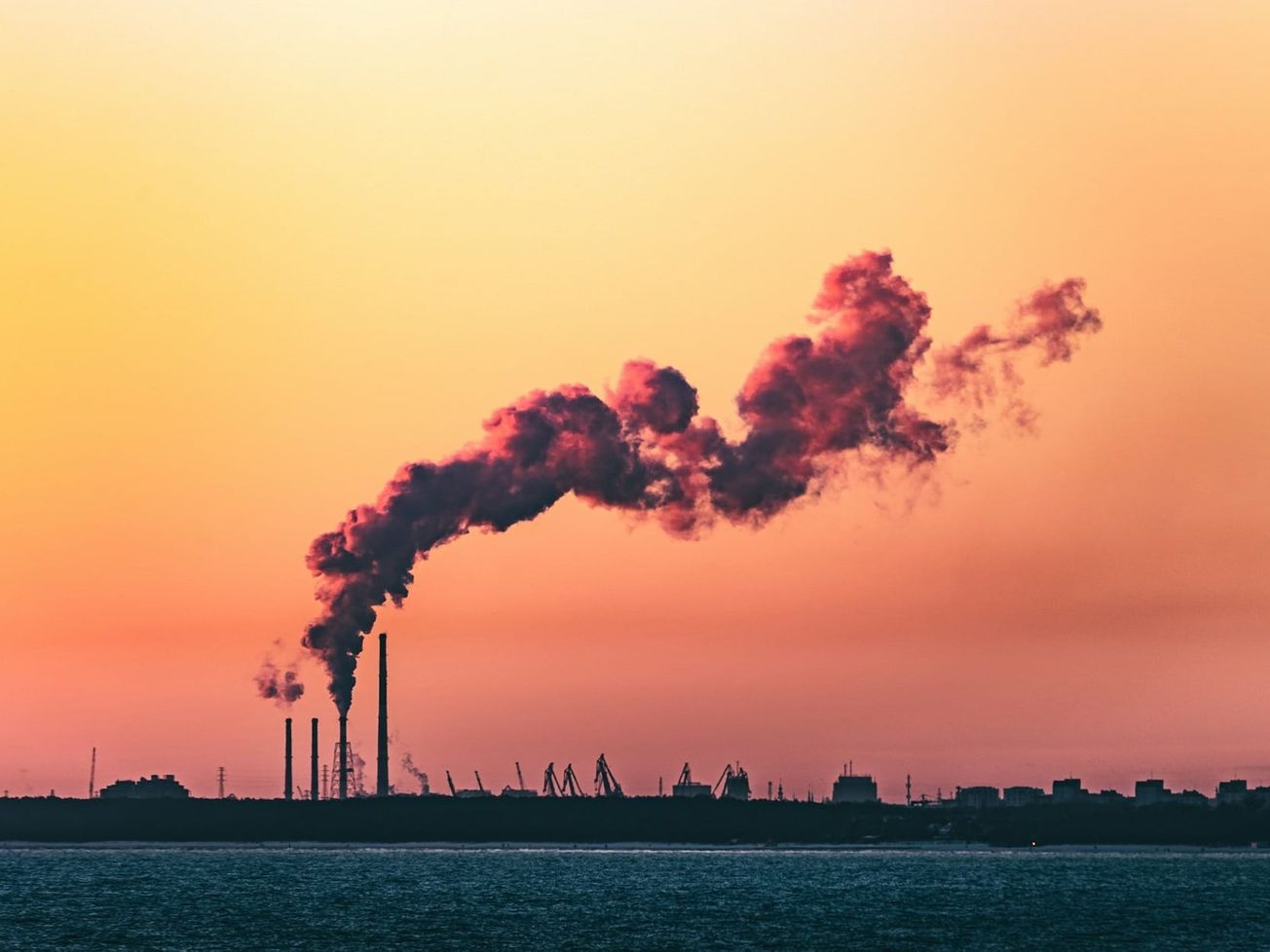
Heat-trapping greenhouse gases keep collecting in the atmosphere at a record rate, the U.N. weather agency found.
Already have an account? Log in
Heat-trapping greenhouse gases keep collecting in the atmosphere at a record rate, the U.N. weather agency found.
Government plans would blow past limits needed to limit warming to 1.5° Celsius above pre-industrial levels.
Two U.N. reports show more aid for developing nations could reduce the millions of deaths a year from climate shocks.
The International Energy Agency says it expects a far greater role for solar, wind, and other clean technologies this decade.
Sultan Ahmed Al Jaber insists the world's seventh largest oil producer sees the 1.5° climate goal as its "North Star."
In 2015, nations committed to hold global warming to no more than 2° Celsius above pre-industrial levels, or preferably 1.5°.
The politics of catastrophe and climate inaction await the assembly's annual gathering of world leaders next week.
Oil producers took issue with a prediction by the energy agency's chief that demand for fossil fuels will peak by 2030.
African leaders say they have a market-based plan to fight warming that will spread development on the continent.
In a recording, UAE officials anticipate a need to "minimize" attacks on the Gulf nation's human rights record at COP28.
As climate litigation increases, the body of legal precedent grows, forming an increasingly well-defined field of law.
China's President Xi Jinping took an apparent swipe at mulilateral approaches to the climate crisis at the end of four days of high-level U.S.-China climate talks.
Extreme weather events and new records are becoming the norm as Earth suffers warming oceans, fires and rising floods.
Some 1,475 out of 4,000+ governments and businesses had net zero emissions targets, but "integrity" measures are lacking.
The annual average near-surface global temperature between 2023 and 2027 will likely be more than 1.5° Celsius above pre-industrial levels for at least one year.
Droughts, floods and heatwaves drove food insecurity and mass migration as communities on every continent were hit by massive costs, the World Meteorological Organization said.