
Worlds collide: Trump, Thunberg at Davos
U.S. President Donald Trump and 17-year-old Swedish activist Greta Thunberg seemed to be talking about two entirely different planets at WEF in Davos.
The United Nations is the world's primary forum for diplomacy and peace. Founded in the wake of WWII to prevent global conflict, this organization of 193 member nations now serves as the stage for addressing our most pressing challenges — from climate change to human rights. We cover the U.N.'s policies and efforts to build a more peaceful, just, and prosperous world.
Already have an account? Log in
U.S. President Donald Trump and 17-year-old Swedish activist Greta Thunberg seemed to be talking about two entirely different planets at WEF in Davos.
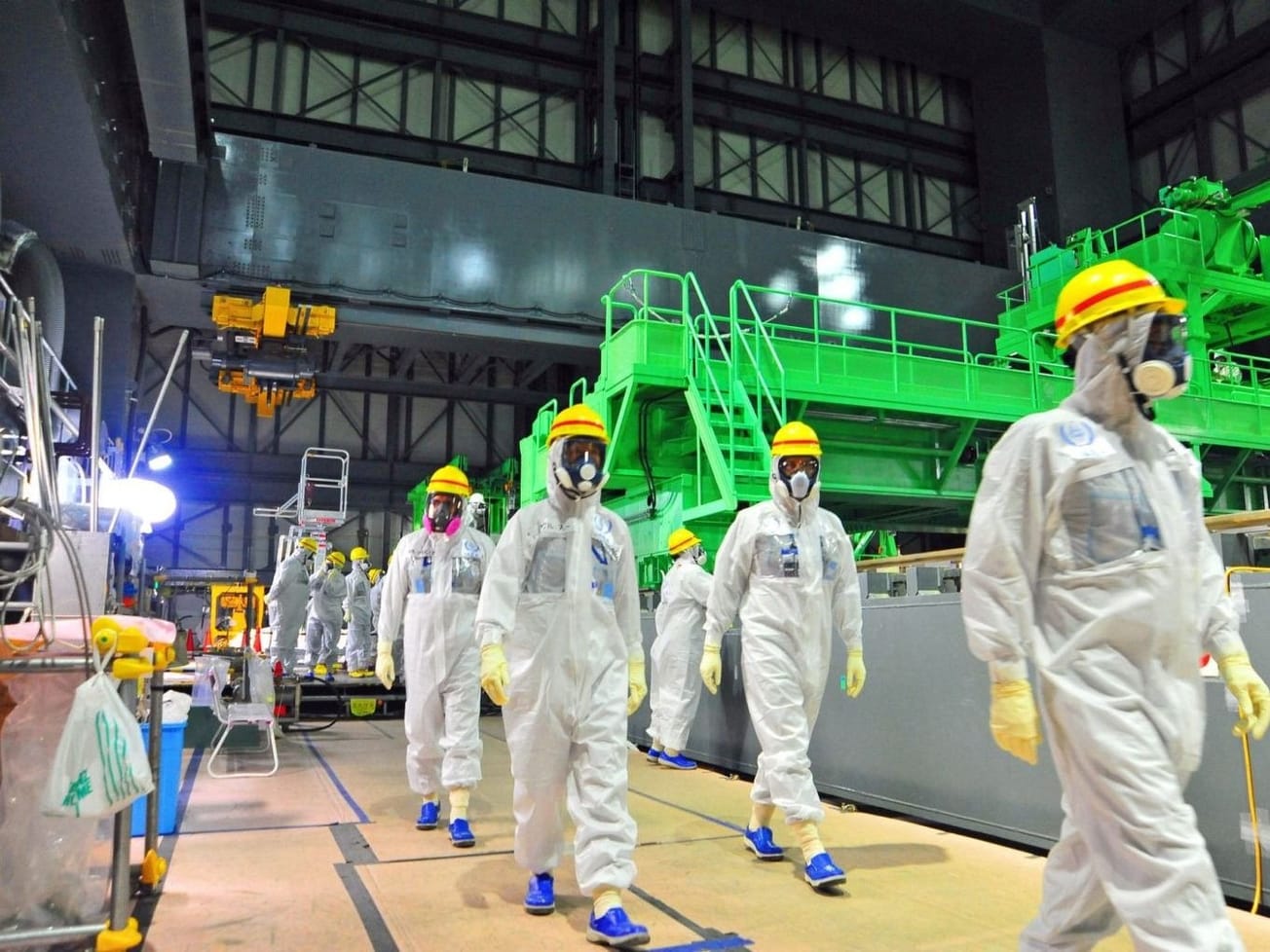
Japan strengthened inspections as part of efforts to improve regulation in the wake of the Fukushima Daichi accident.
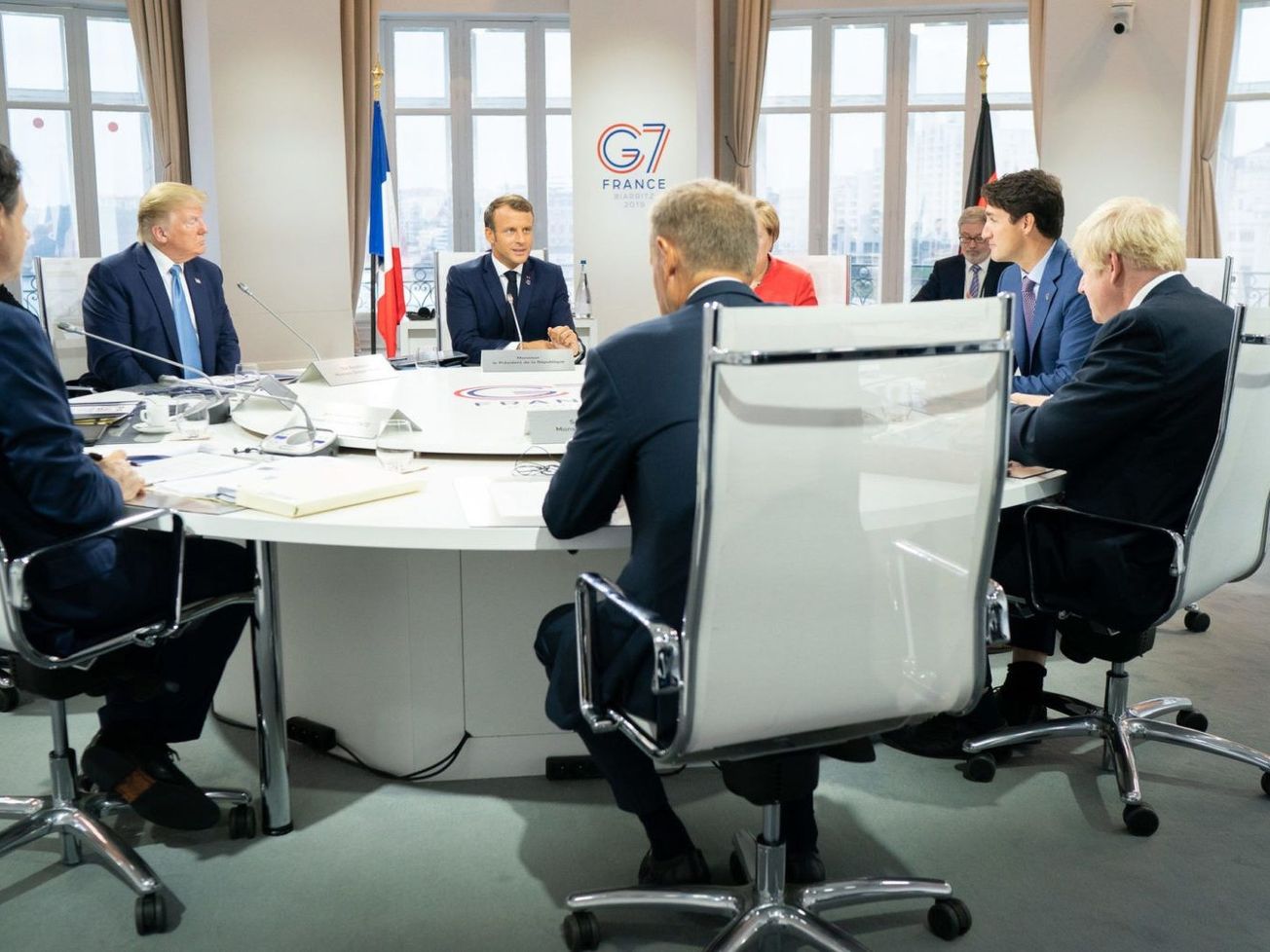
Britain and France recommitted to the Iran nuclear deal despite the U.S. undermining it and Europeans triggering a process that may reimpose sanctions.
WHO At least 700,000 people a year die from drug-resistant diseases but only 50 antibiotics exist in the medical community pipeline of potential new drugs.
The global economy slowed to a 2.3% growth rate last year, its lowest of the decade, from rising trade tensions and slowing investment, UNCTAD said.
More than half of all people reaching adulthood in the early 21st century believe it more likely than not a nuclear attack will occur in the coming decade.
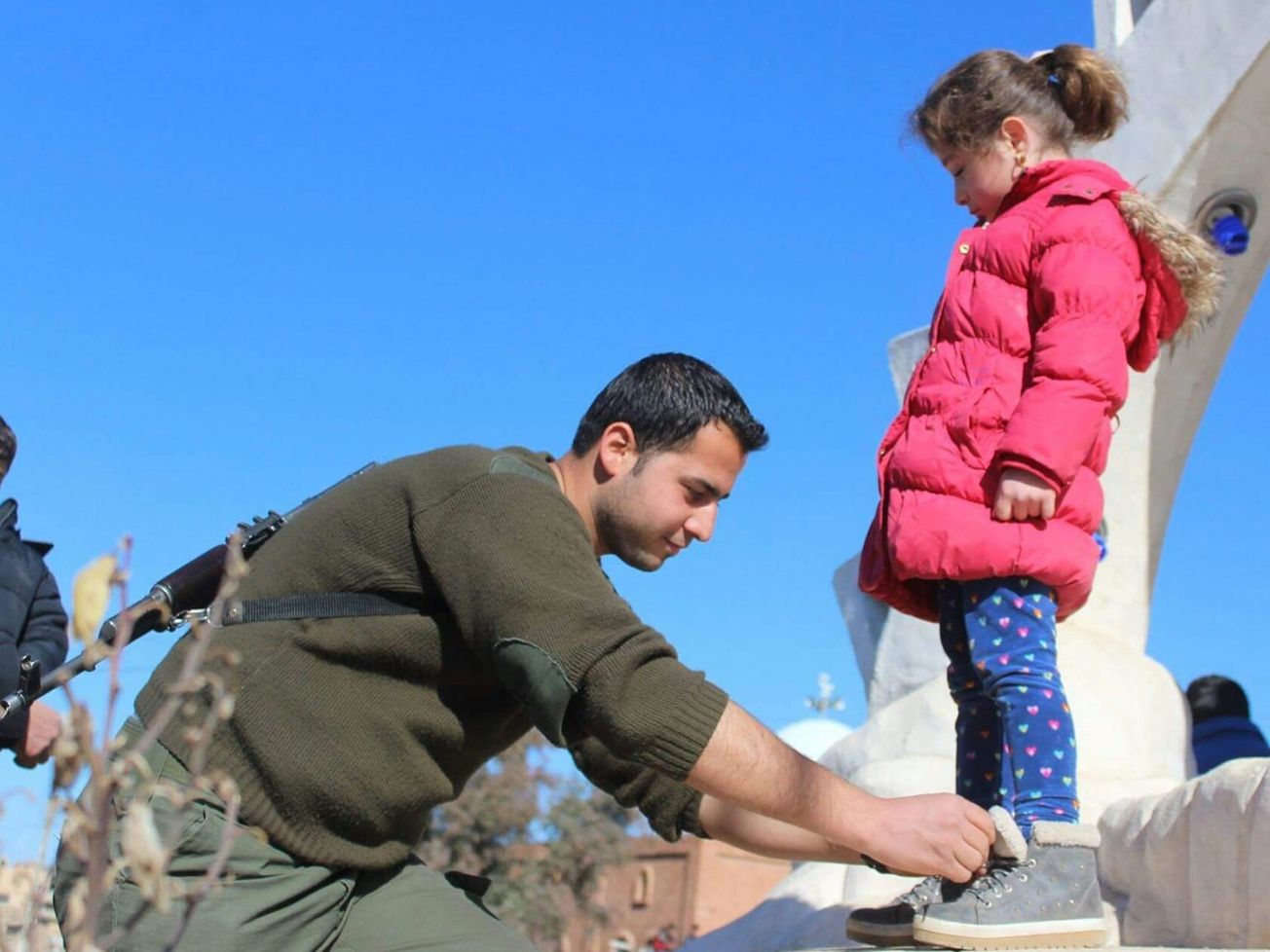
Children have been killed, maimed, tortured, sexually abused and forced into military training in almost nine years of war.
The annual list, released to shape next week's gathering at Davos, overwhelmingly focuses on the climate crisis.
Experts cautioned that China has been using its economic muscle to silence critics at home and increasingly abroad.
Negotiations began last summer in Nairobi to draft a global wildlife treaty on the scale of the Paris climate accord.
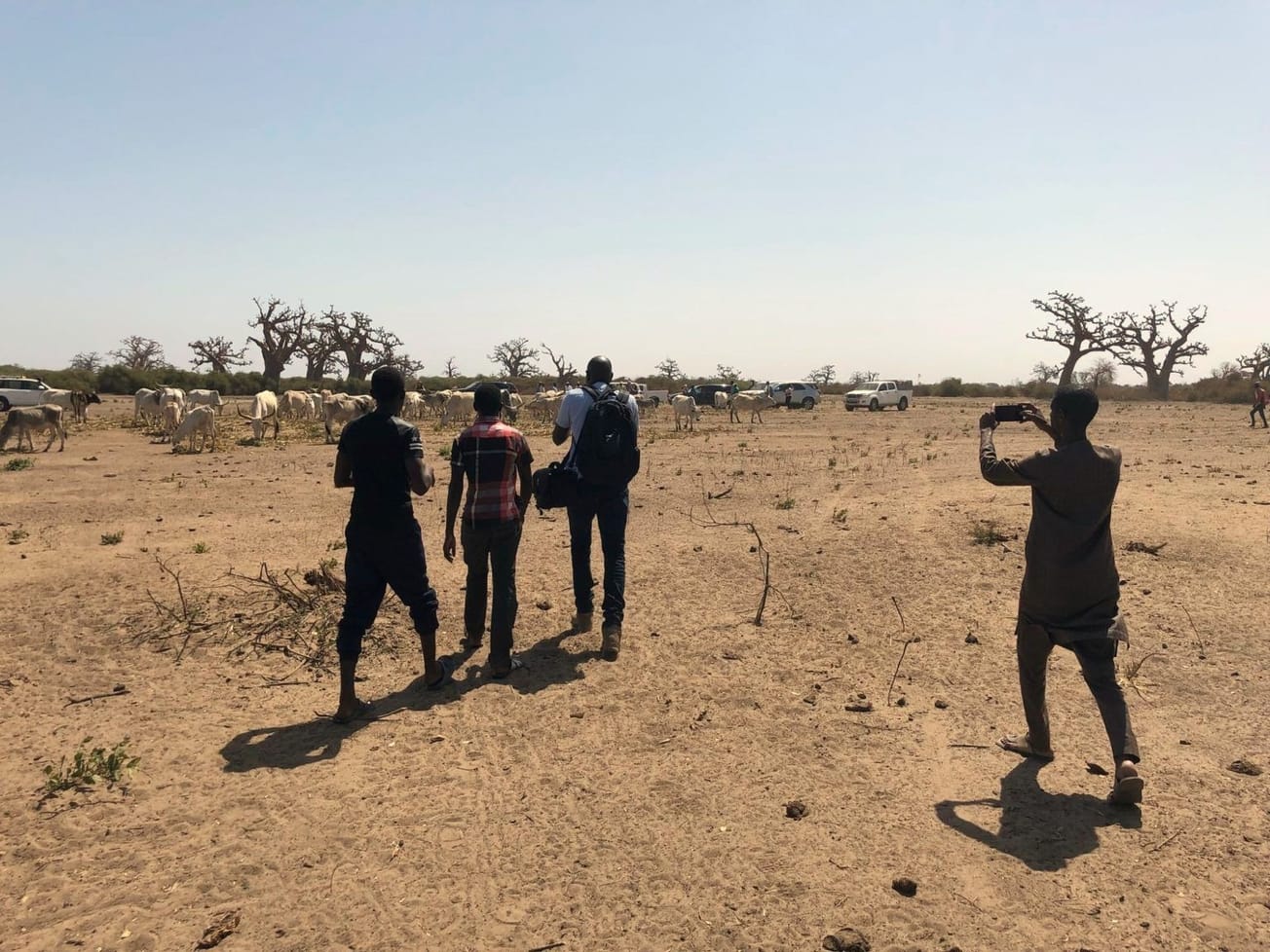
The U.N. relies on crossings to truck supplies through Turkey, Iraq and Jordan into Syrian areas beyond Assad's control.
A nuclear technique developed with U.N. support suppressed the disease-carrying tsetse fly without harming other insects.
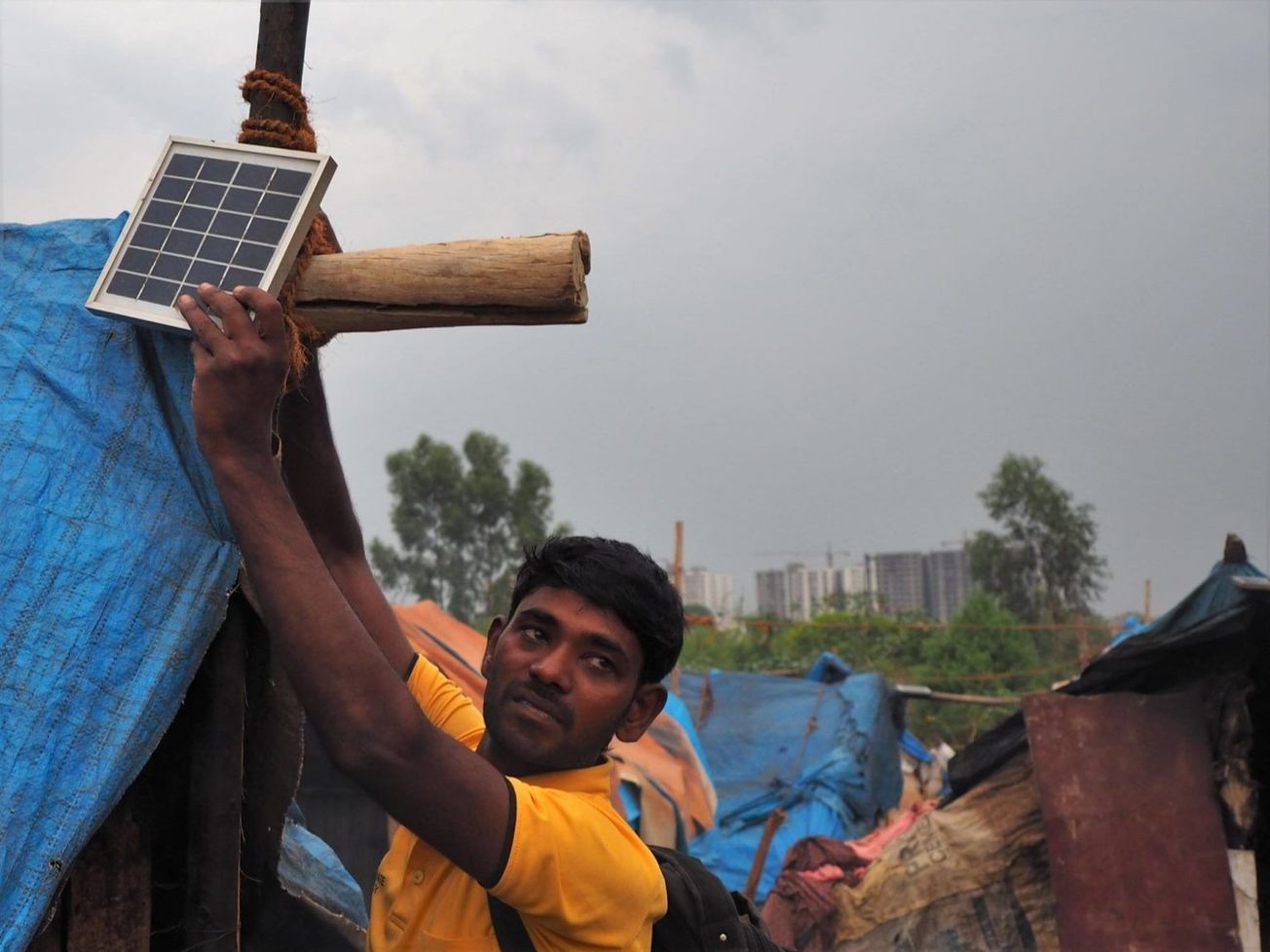
About half of India’s population — 700 million people — only gained access to electricity between 2000 and 2018.
The World Bank's benchmark bond was set at its tightest spread to U.S. treasuries in the organization's history.
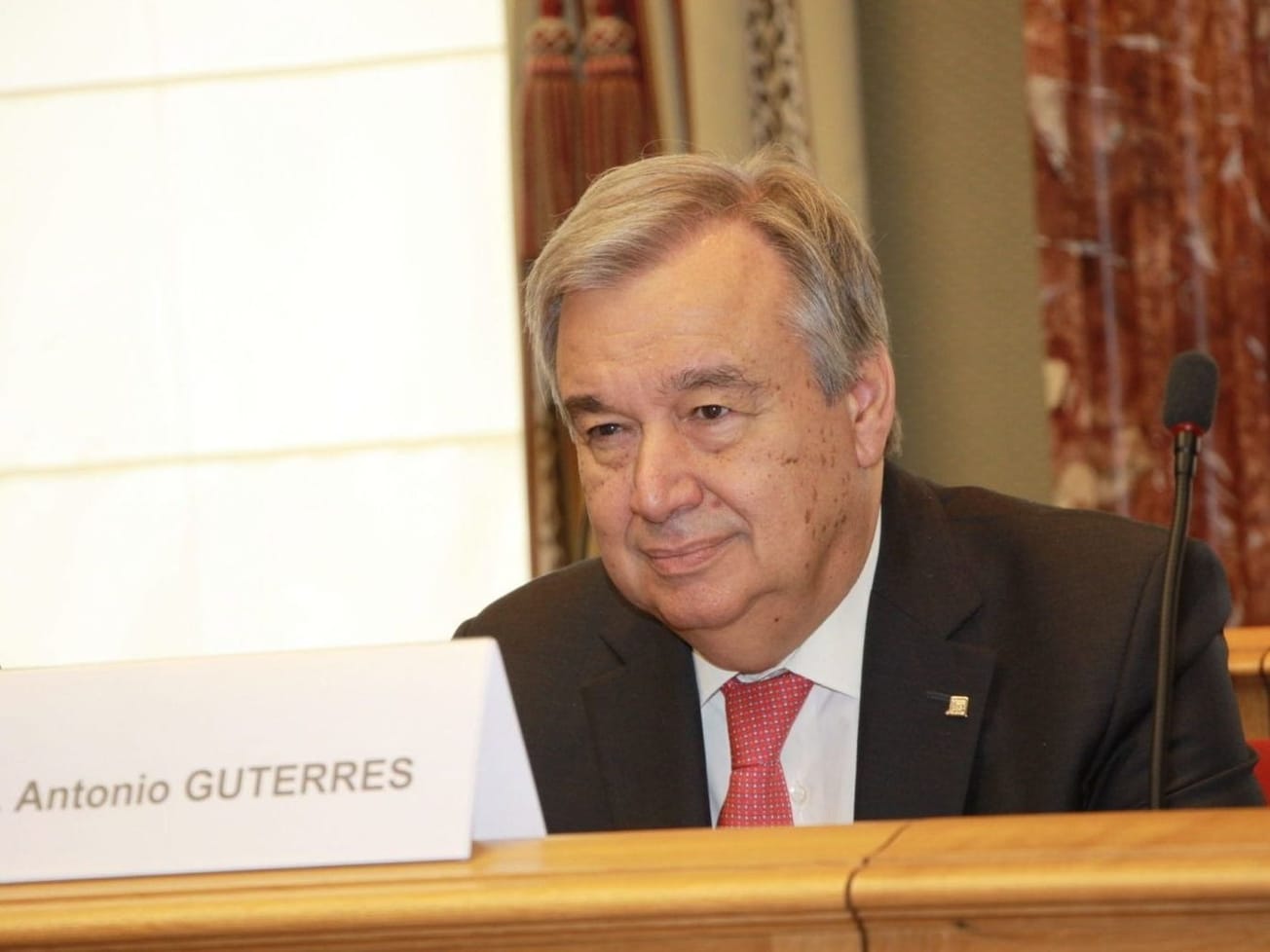
Iran retaliated against the U.S., illustrating the U.N. chief's concerns that geopolitical tensions are at their highest level.
UNESCO's chief reminded Washington and Tehran they must protect cultural sites, after Trump made threats against Iran.