
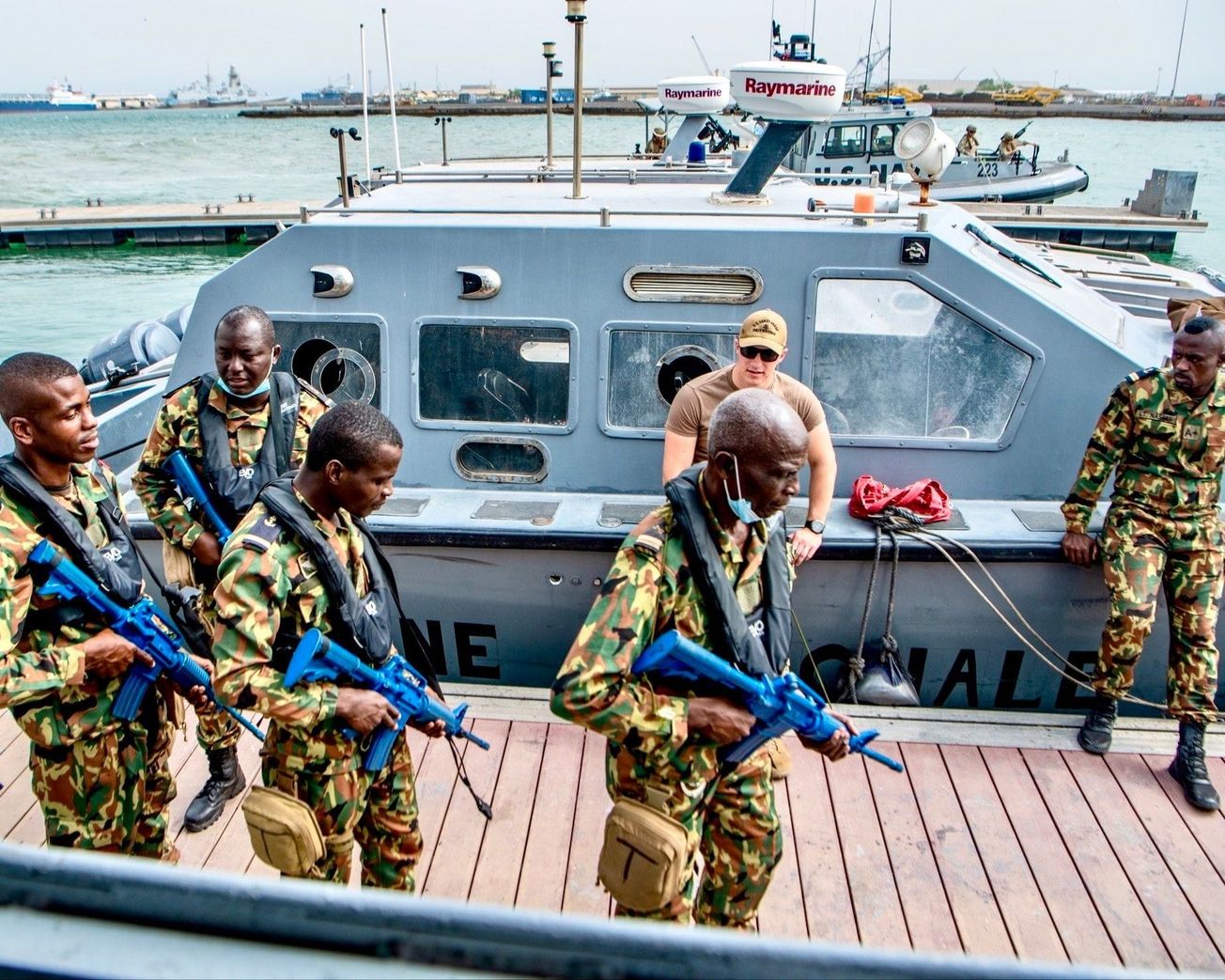
At U.N., leaders link debt, climate to unity in fighting counterterrorism
Mozambique hosted a talk on how the U.N. and regional organizations can curb terrorism and violent extremism.
The Charter of the United Nations is the foundational treaty of the U.N., serving as its constitution. Signed in San Francisco in 1945, it establishes the purposes and principles of the organization and provides the legal framework for the conduct of international relations among member nations.

Already have an account? Log in
Mozambique hosted a talk on how the U.N. and regional organizations can curb terrorism and violent extremism.
The global demands for peace grow as humanitarian aid workers emphasize the war's devastating effect on children.
The 29-8 vote in ECOSOC on Wednesday, with 16 abstentions, immediately expelled Iran from the U.N. Commission on the Status of Women, based on a U.S. resolution.
The U.N. General Assembly voted by a wide margin to adopt a U.S.-sponsored resolution condemning Russia’s announced annex of four Ukrainian regions.
G-7 nations pledged to "stand firmly with Ukraine for as long as it takes" while promising more military aid and demanding Russia's immediate withdrawal.
Russia vetoed a U.N. Security Council resolution to condemn and invalidate its "full-scale unlawful invasion of Ukraine" and illegal move to annex four regions.
Confronting a world in "great peril," world leaders gathering at the U.N. General Assembly this week are being asked to set aside nations' grievances.
Prompted by its own paralysis over Syria and Ukraine, the U.N. moved to prevent abuse of power by Russia and other permanent Security Council members.
Ukraine's president demanded full accountability for Russian forces committing the "most terrible war crimes" since World War II.
By an overwhelming majority, the U.N. General Assembly approved a resolution that blamed Russia for Ukraine's severe humanitarian crisis.
More than a century after the 1919 Treaty of Versailles, E.U. leaders met for talks in the Palace of Versailles focused on ending another war in Europe.
Russia's full-scale invasion of Ukraine set off global alarm over a new Cold War and dire challenges to power structures and international organizations.
U.N. Secretary-General António Guterres described Russia's moves in Ukraine as a flagrant defiance of international law and the norms of peacekeeping.
U.S. President Joe Biden used his first address to the United Nations to reassure other nations his administration is committed to multilateralism.
The U.N. began its process of re-electing or replacing Secretary-General António Guterres with a formal request for nations to propose any challengers.
Advocates of world peace celebrated "EntryIntoForceDay" as the first legally binding treaty to ban nuclear weapons finally became international law.


