U.N. lets Iran arms ban lapse despite U.S. dissent
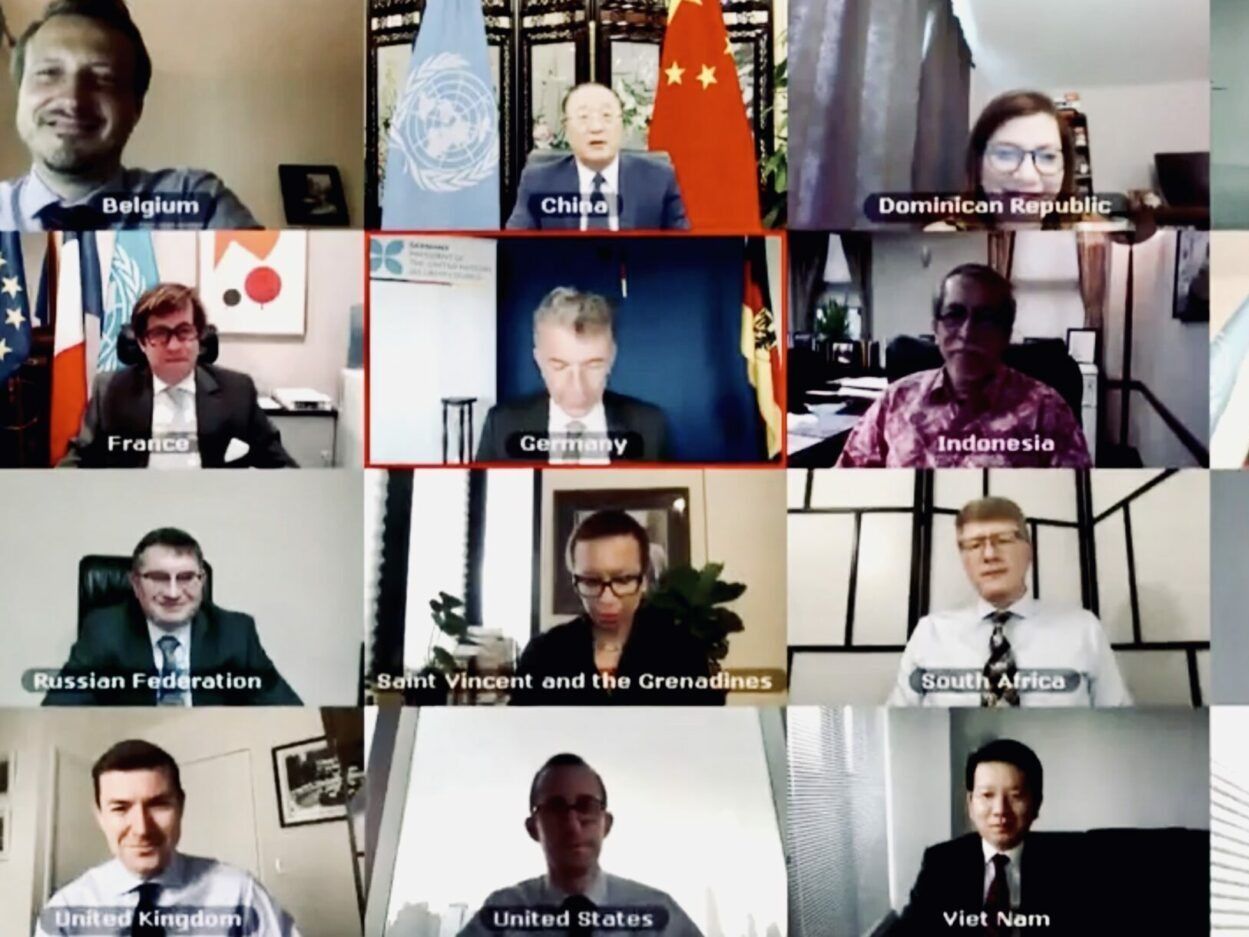
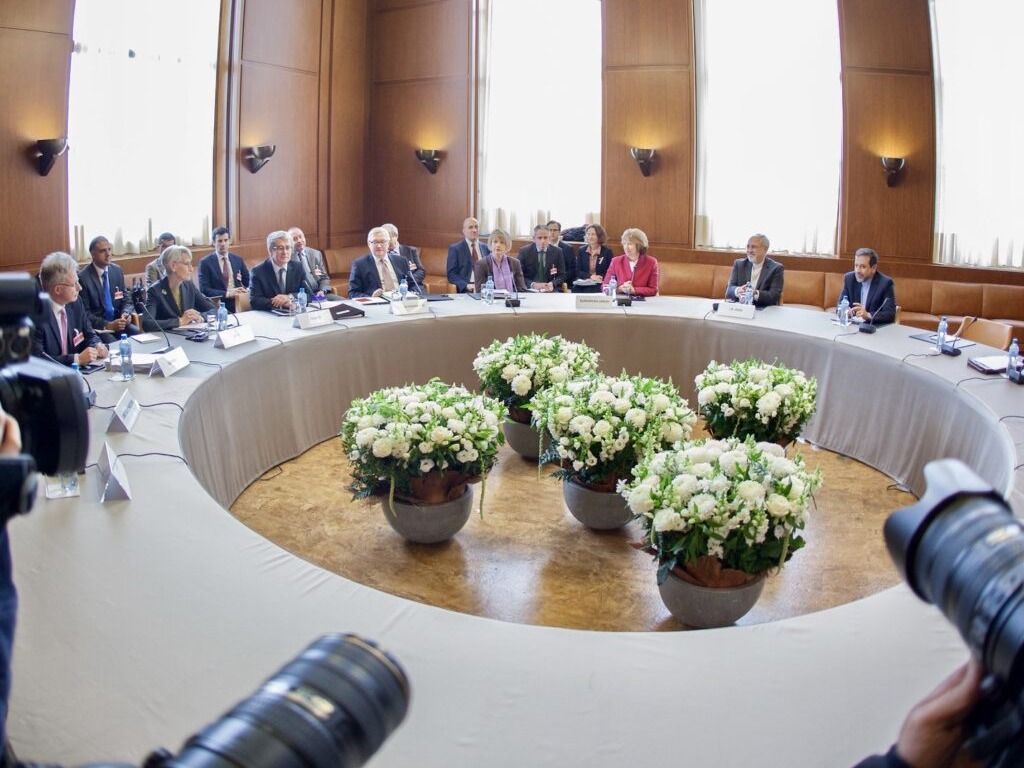
The signatories to the Iran nuclear deal allowed a U.N.-imposed embargo on arms trade with the nation and some travel bans to expire as planned.
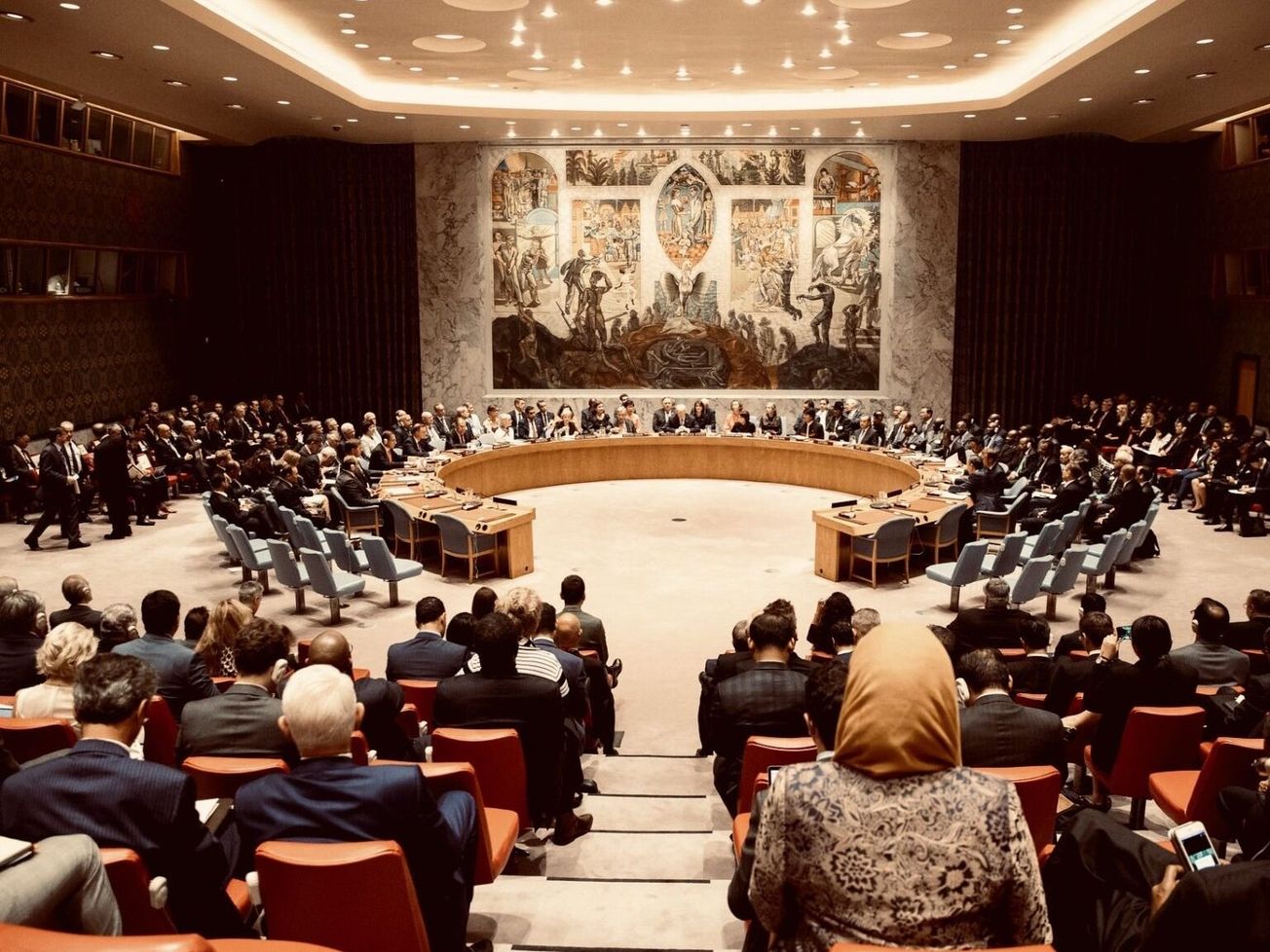
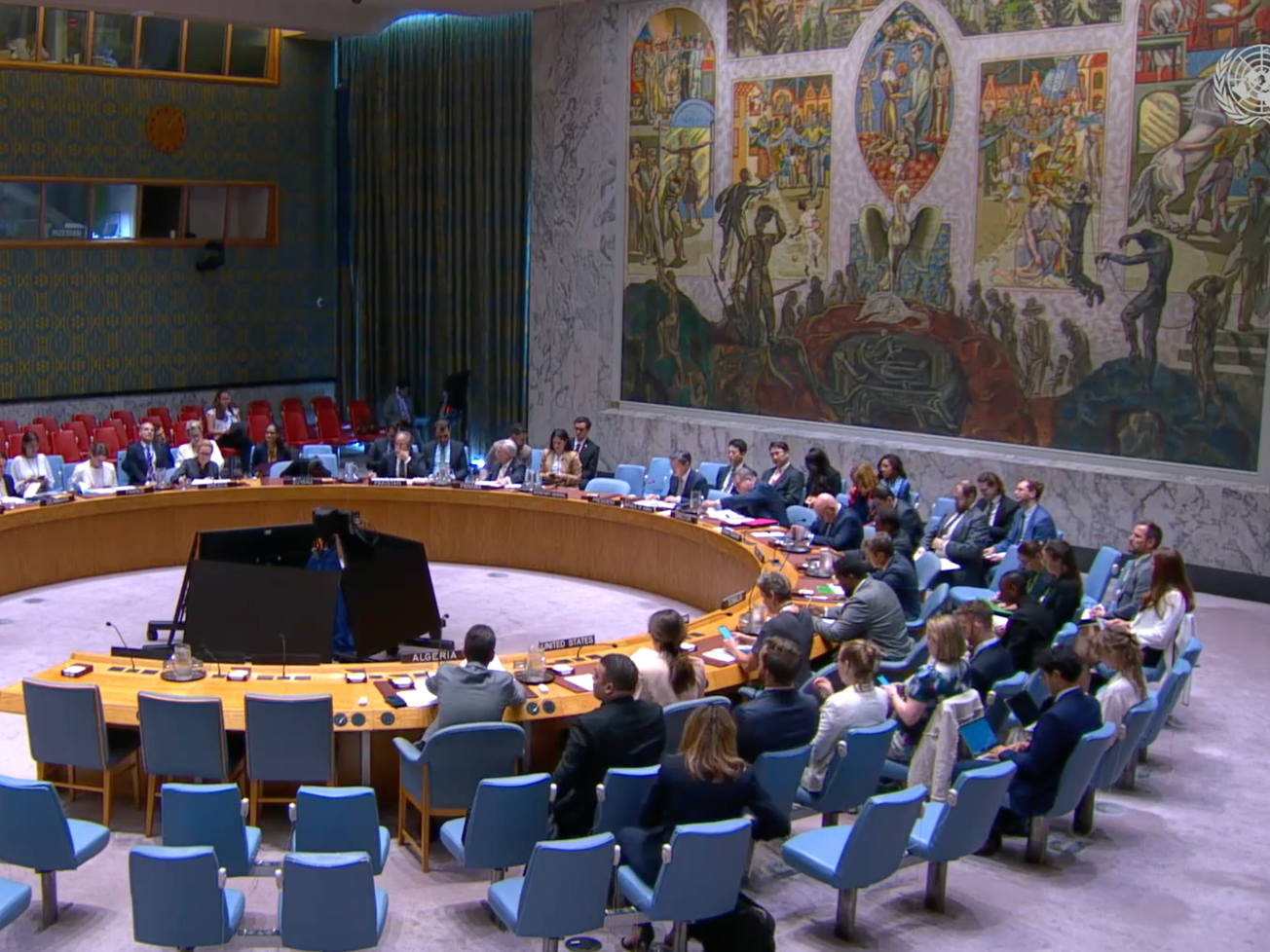
The United Nations Security Council is the premier global body charged with maintaining international peace and security. Comprised of 15 members — including five permanent, veto-wielding powers — it is the only U.N. body with the authority to issue legally binding resolutions. From deploying peacekeeping missions and imposing sanctions to authorizing collective military action, the Council serves as the world’s central forum for crisis management and global diplomatic enforcement.
Already have an account? Log in
The signatories to the Iran nuclear deal allowed a U.N.-imposed embargo on arms trade with the nation and some travel bans to expire as planned.
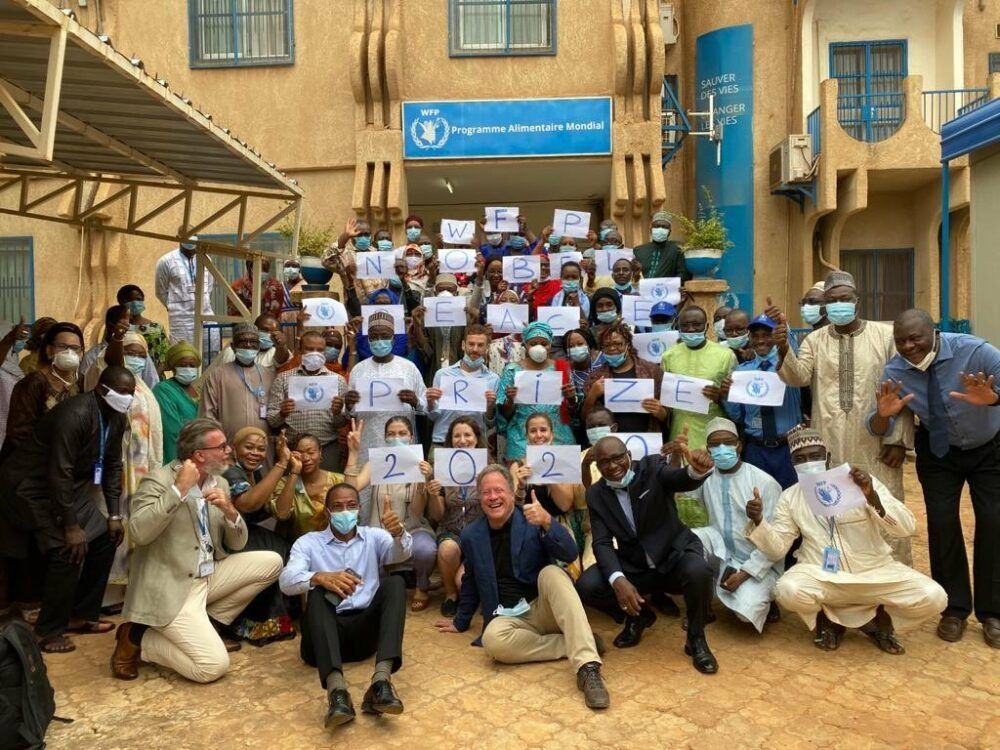
The Nobel Peace Prize went to the World Food Program for its efforts to alleviate hunger amid the pandemic and to urge more international cooperation.
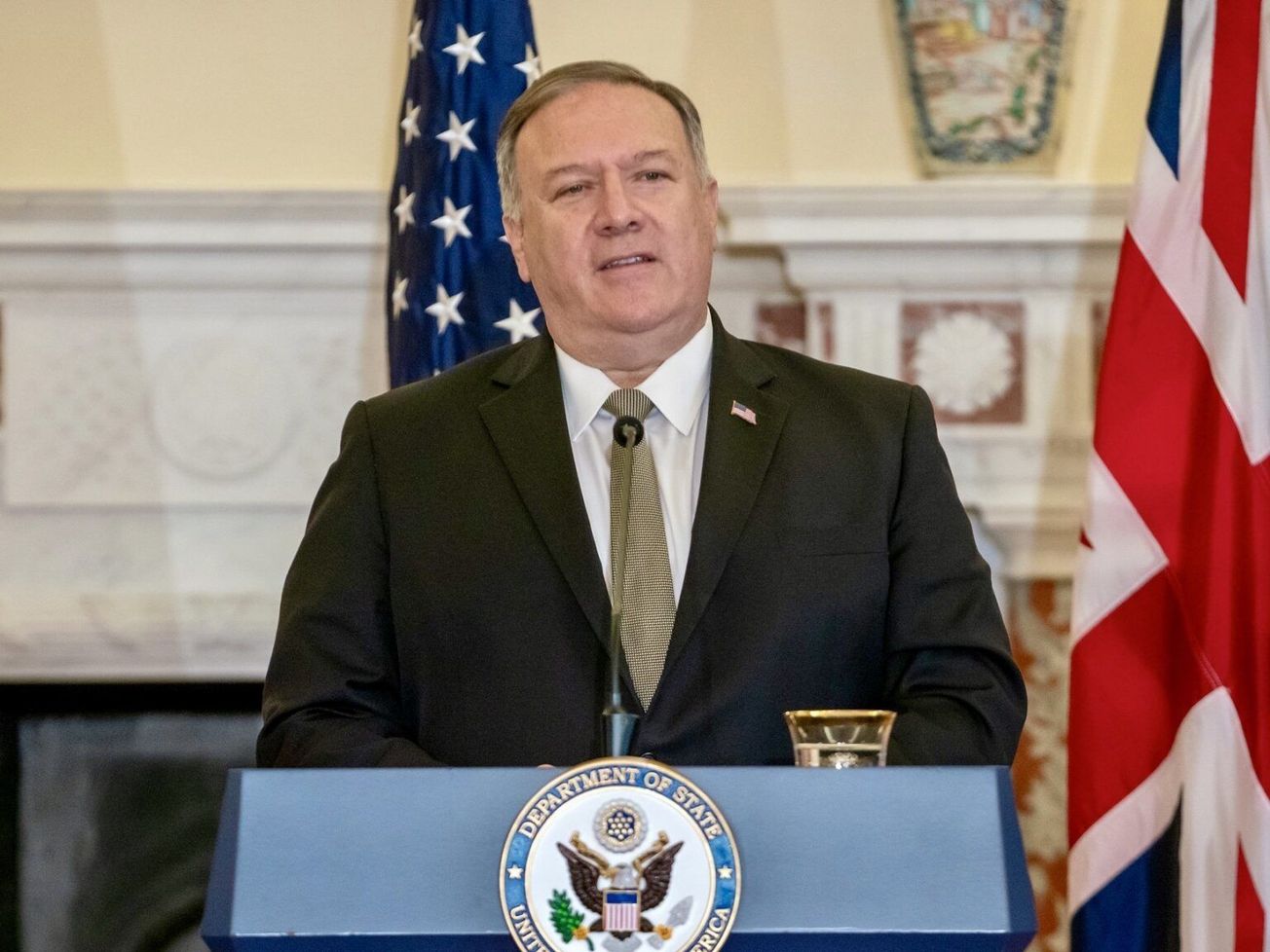
The U.S. followed through on its threat to unilaterally restore sanctions against Iran, defying widespread international criticism.
The U.N. General Assembly approved its third coronavirus-related resolution on Friday, six months after the World Health Organization declared a pandemic.
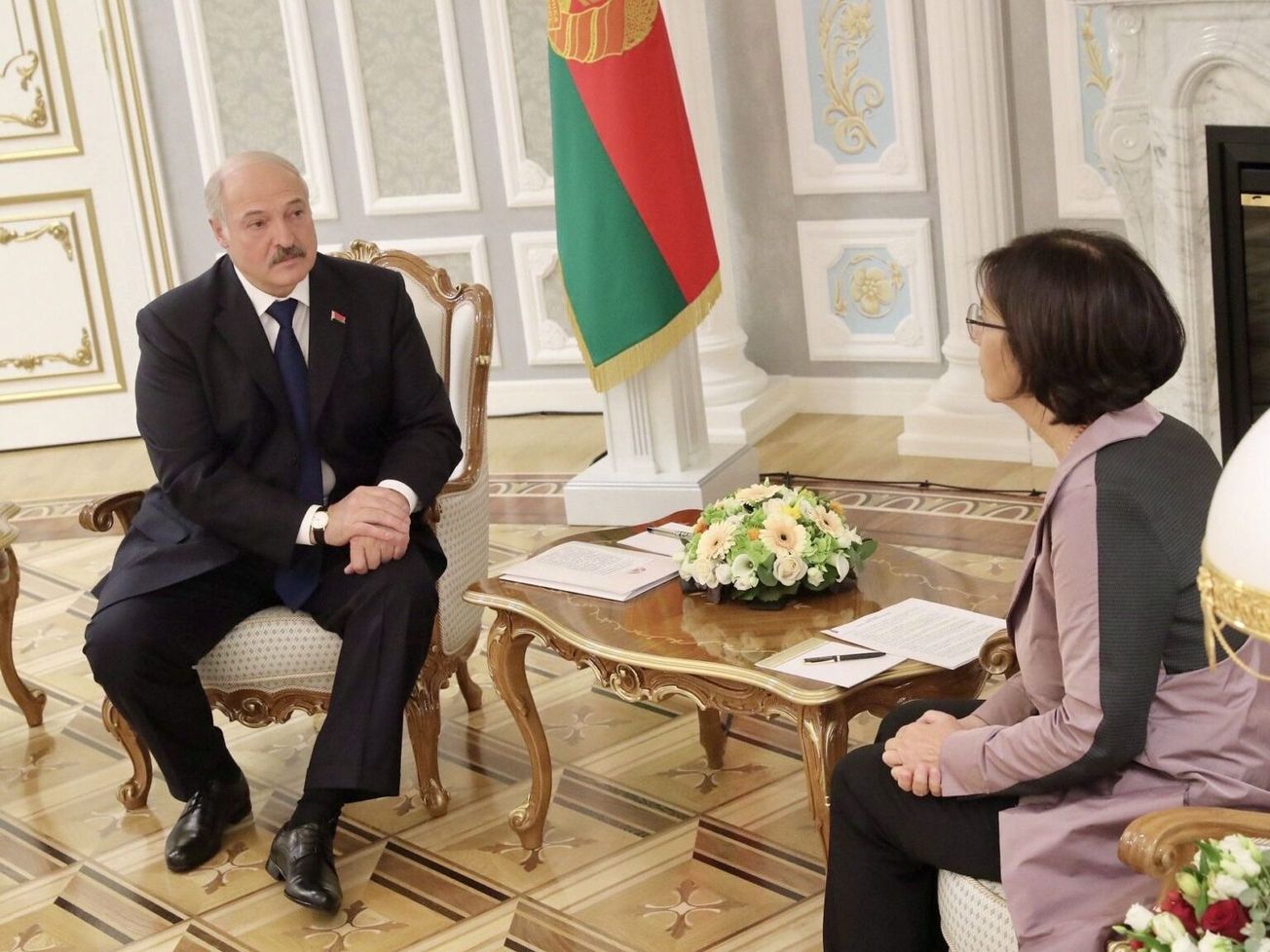
The opposition leader of Belarus asked the United Nations for help challenging longtime authoritarian leader Alexander Lukashenko's crackdown.
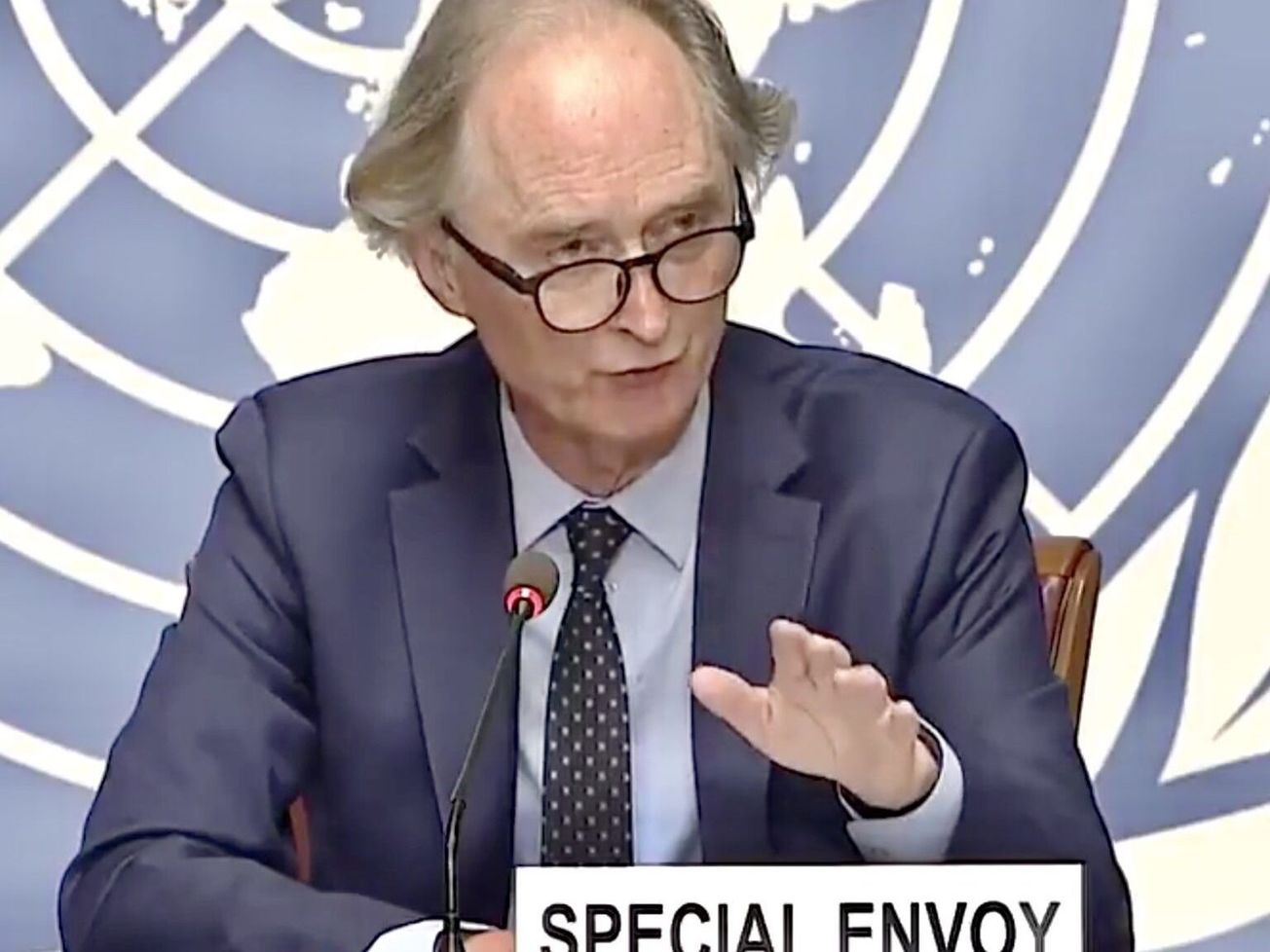
The U.N. special envoy to Syria said peace talks built "a little bit" more confidence and trust among government, opposition and civil society representatives.
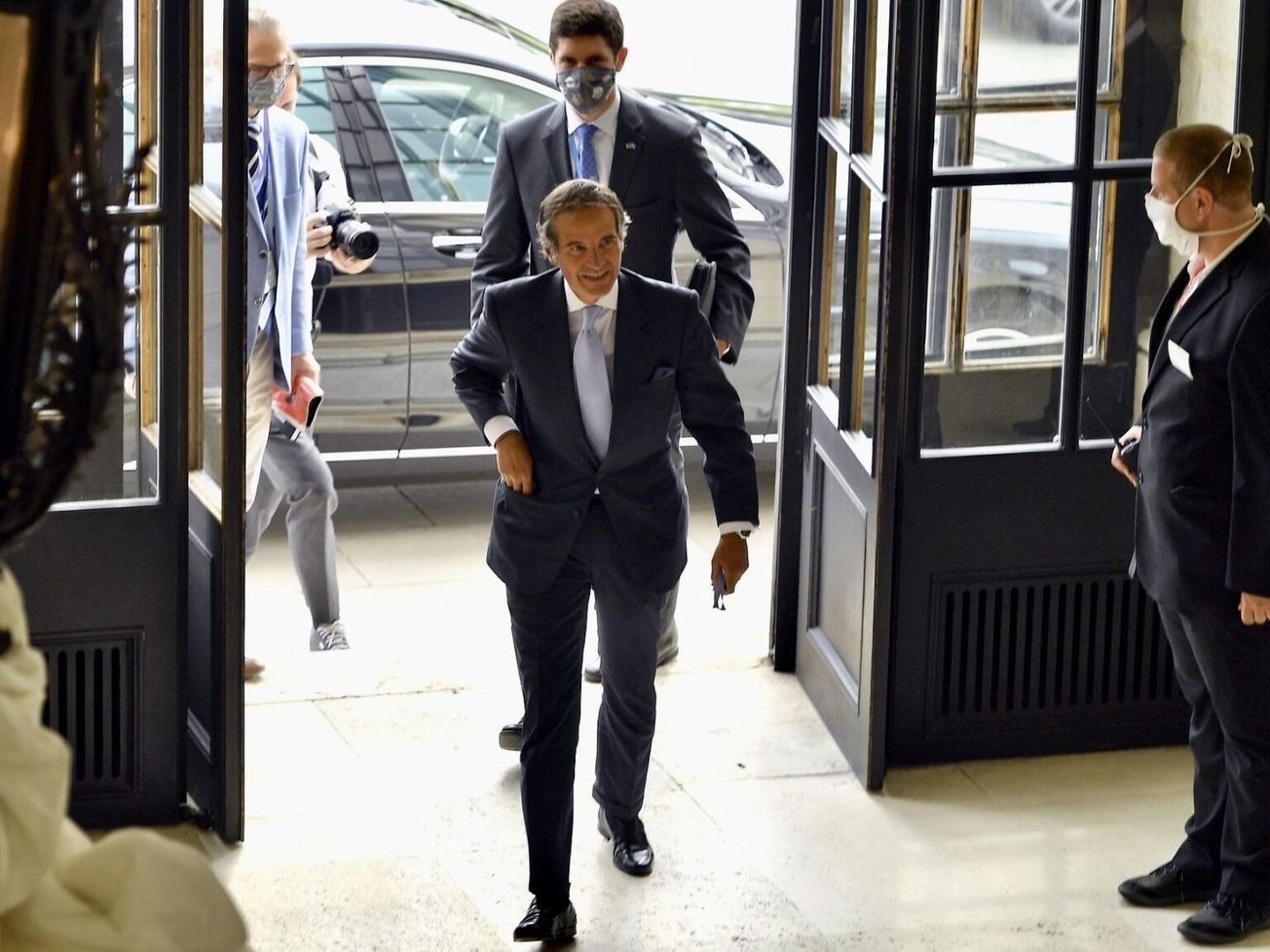
Amid rising tensions on the U.N. Security Council over the 2015 Iran nuclear deal, IAEA and Tehran said Tehran will allow inspectors at two nuclear sites.
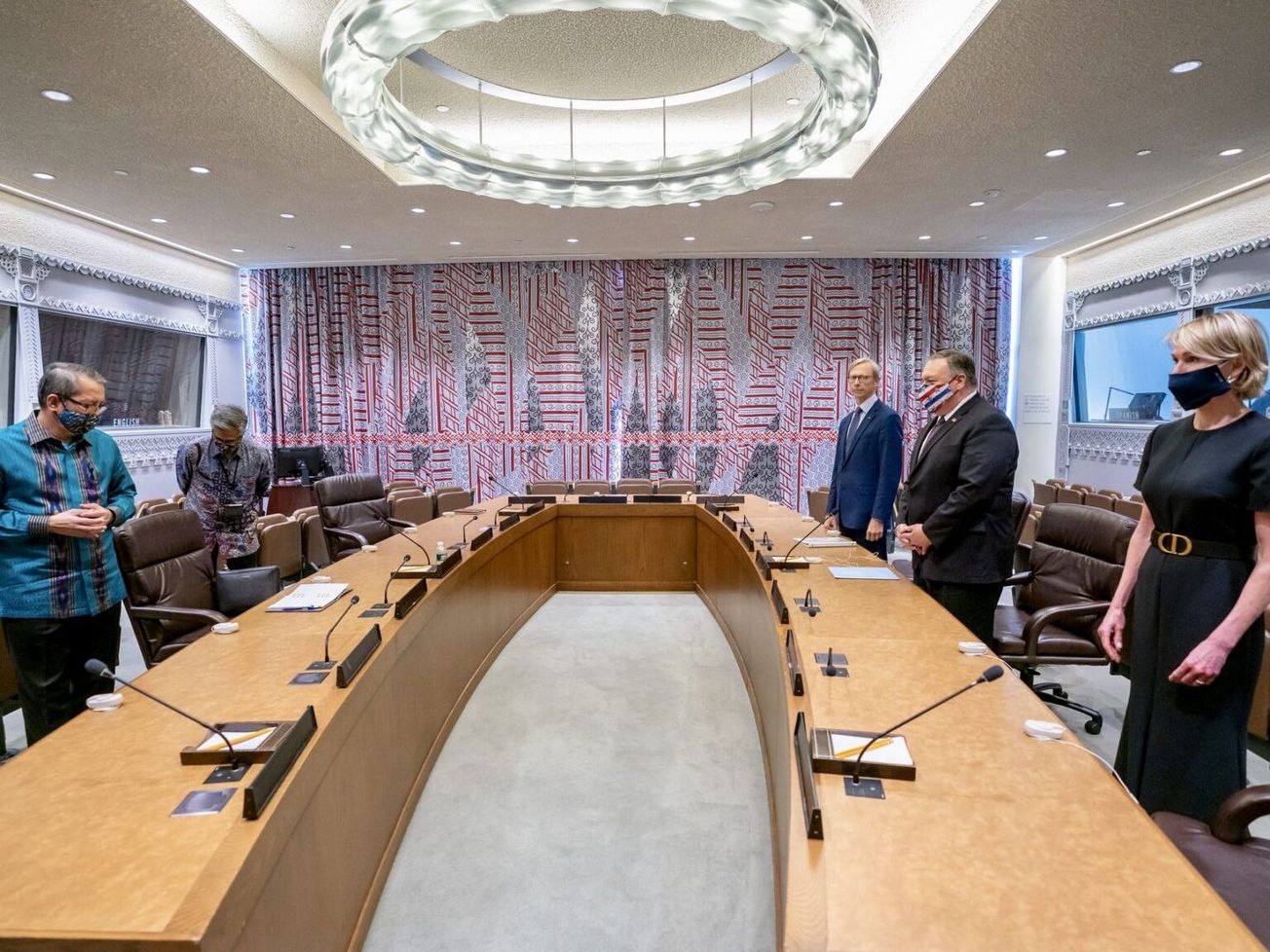
The U.N. Security Council rejected the Trump administration's attempt to use the 2015 Iran nuclear deal to restore international sanctions against Tehran.
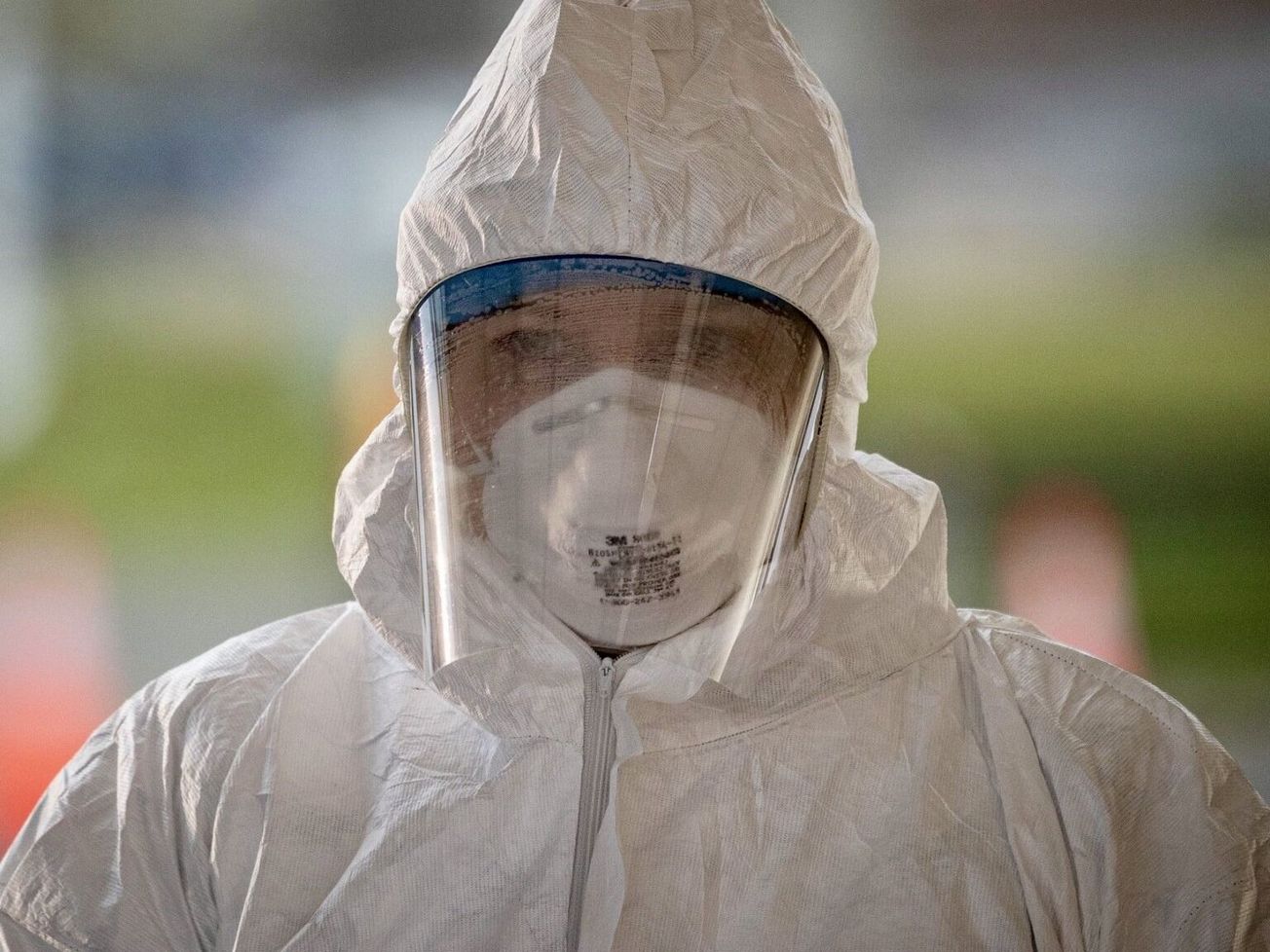
The pandemic is being exploited to radicalize would-be terrorists and target vulnerable health care networks.
The U.N. Security Council, bowing to Russia, constricted aid for Syrians in areas still beyond Syrian government control.
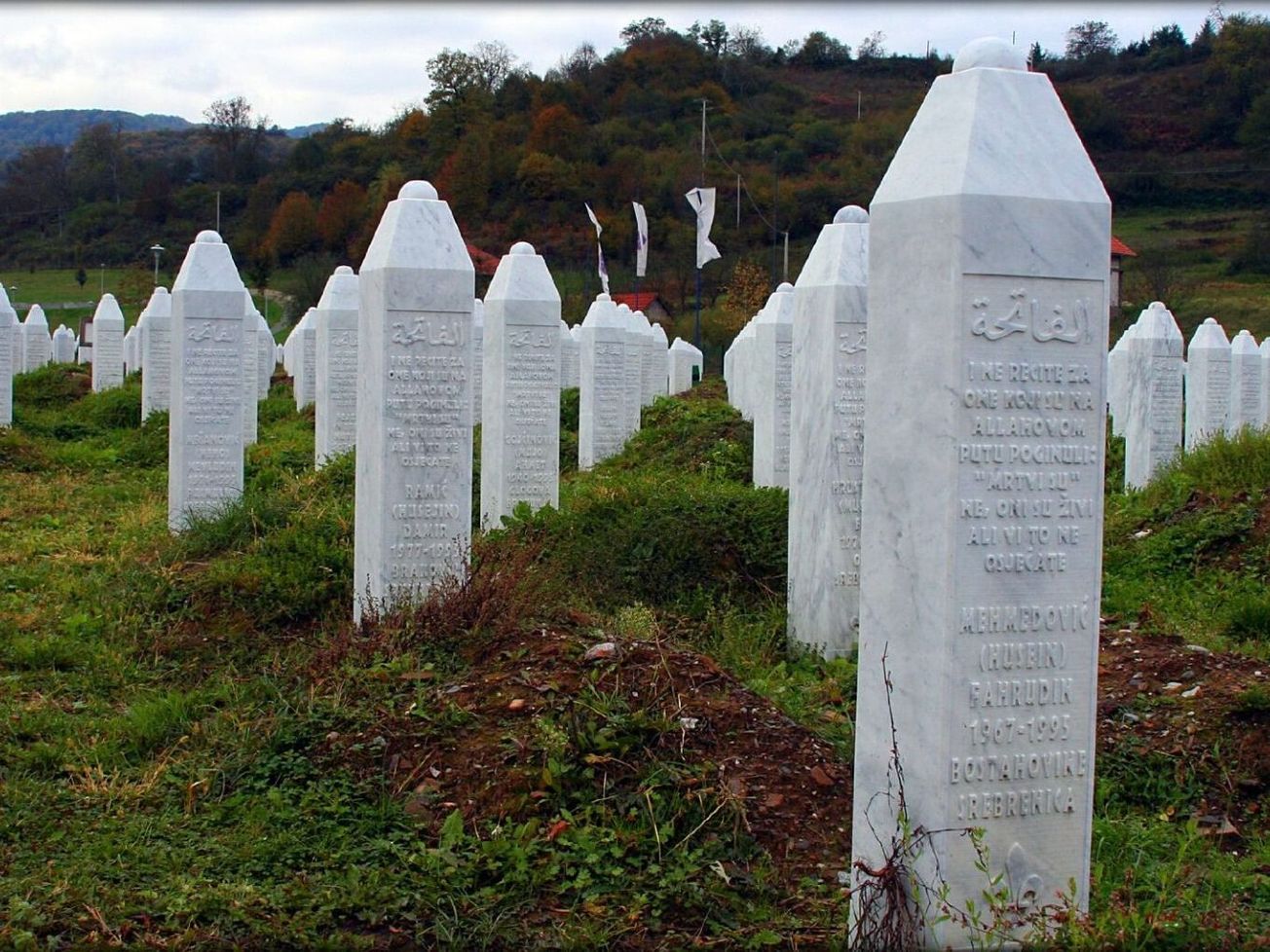
Eight Bosnian men and boys killed 25 years ago were laid to rest outside Srebrenica, a reminder that justice for genocide victims comes slowly, if at all.
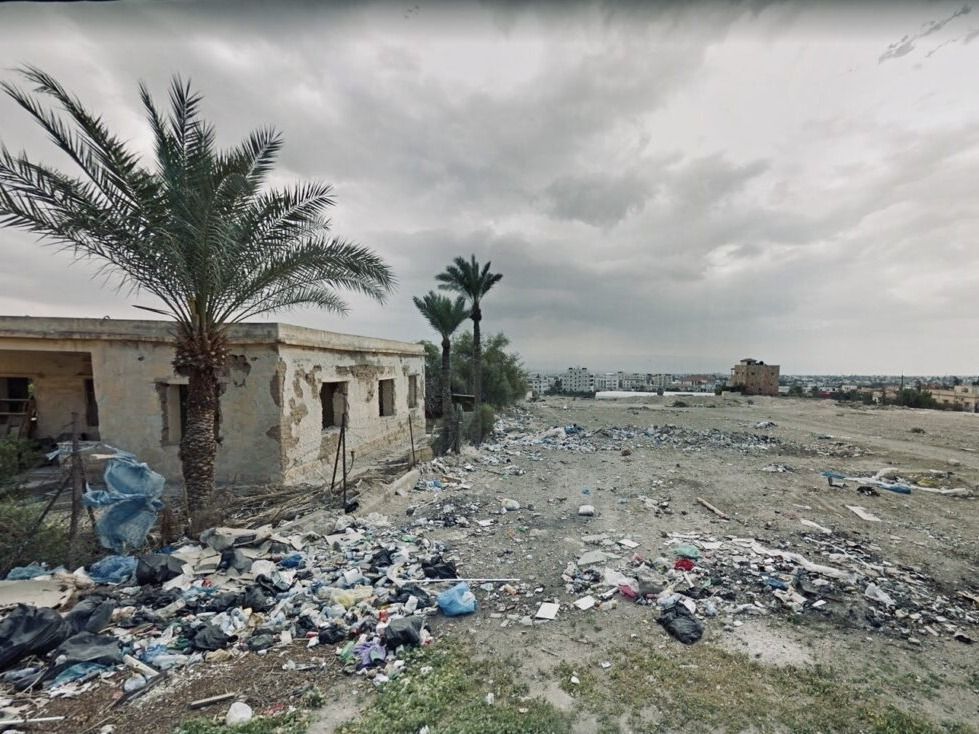
An independent group of global leaders appealed to European leaders to "stand firm" against Israel’s threat to annex parts of the occupied West Bank.
The U.N. Security Council unanimously approved a resolution calling for cease-fires worldwide so that everyone can focus on ending the COVID-19 pandemic.
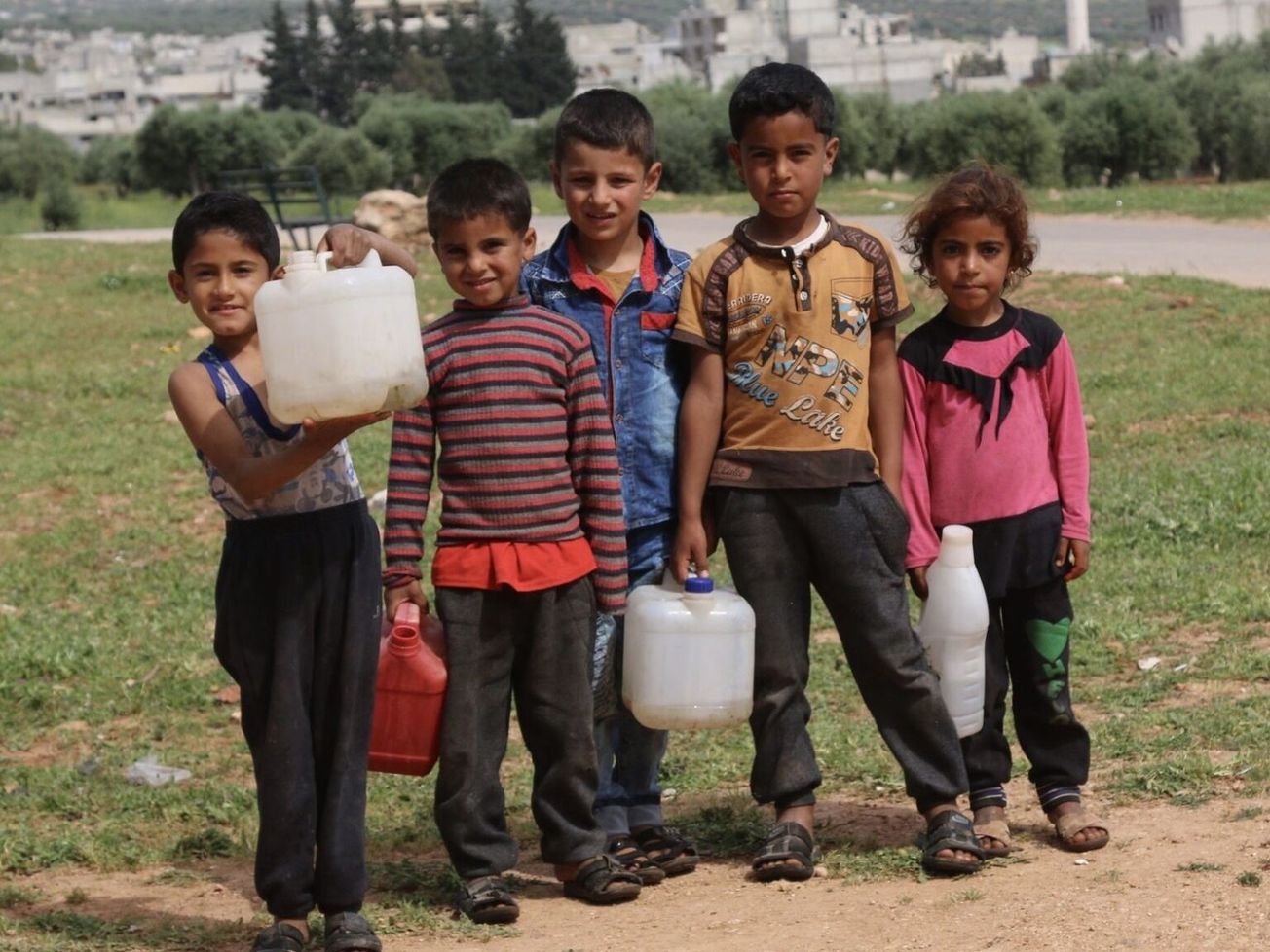
An unprecedented 79.5 million people - two-fifths of them children - were forcibly displaced as of the end of 2019.
Kenya won election to the U.N. Security Council, joining with India, Ireland, Mexico and Norway in gaining a seat on the world body's most powerful arm.
U.S. President Donald Trump signed an executive order authorizing sanctions against ICC officials who investigate alleged U.S. war crimes in Afghanistan.