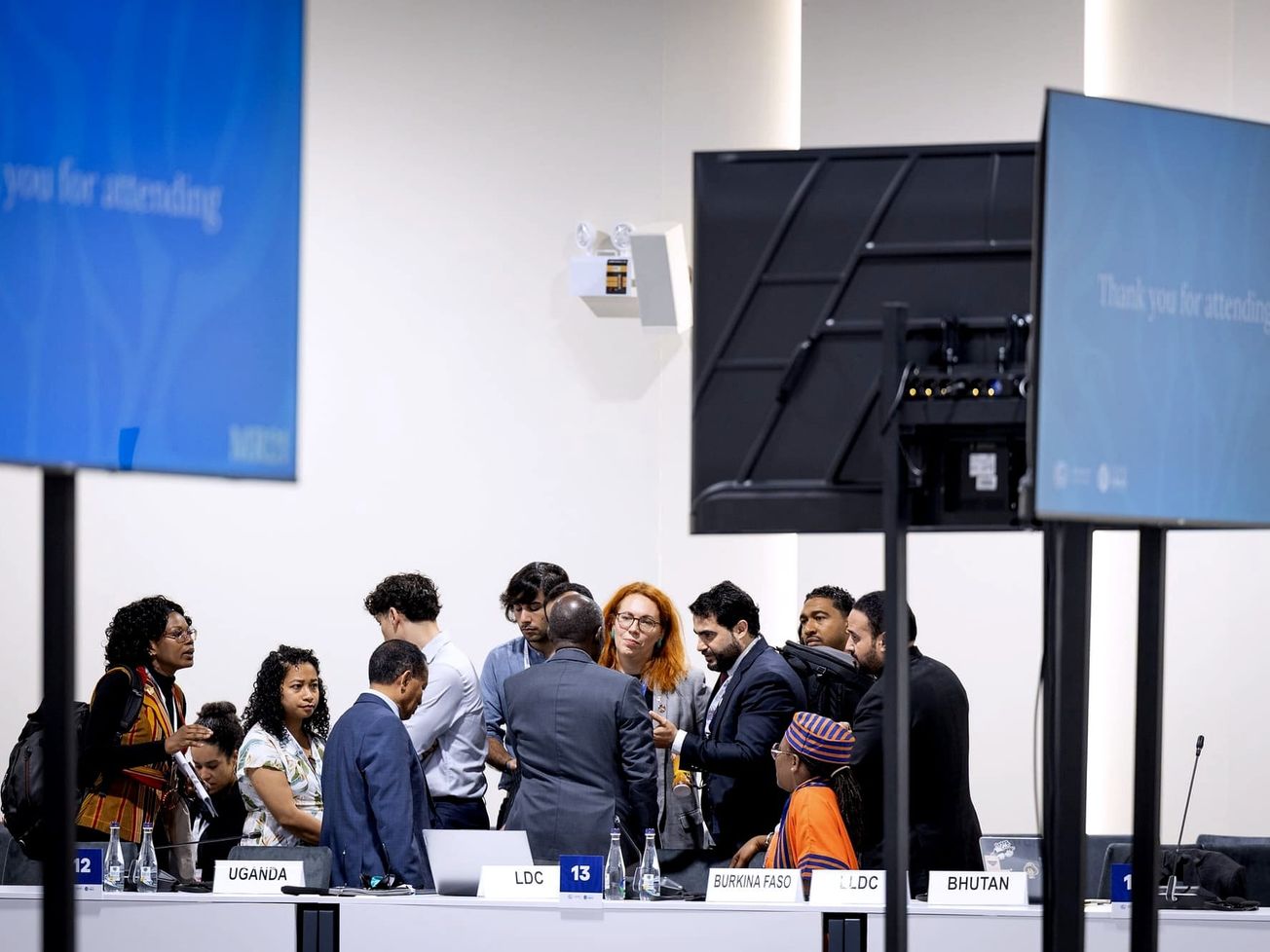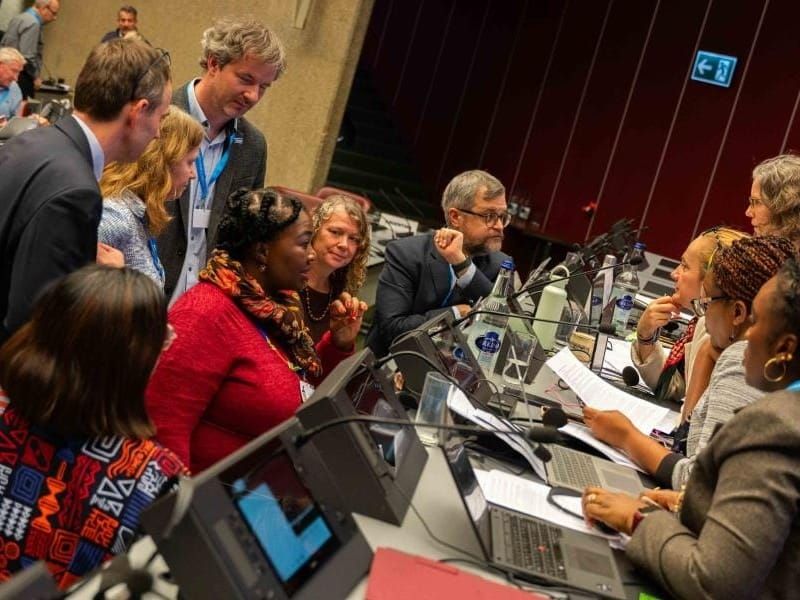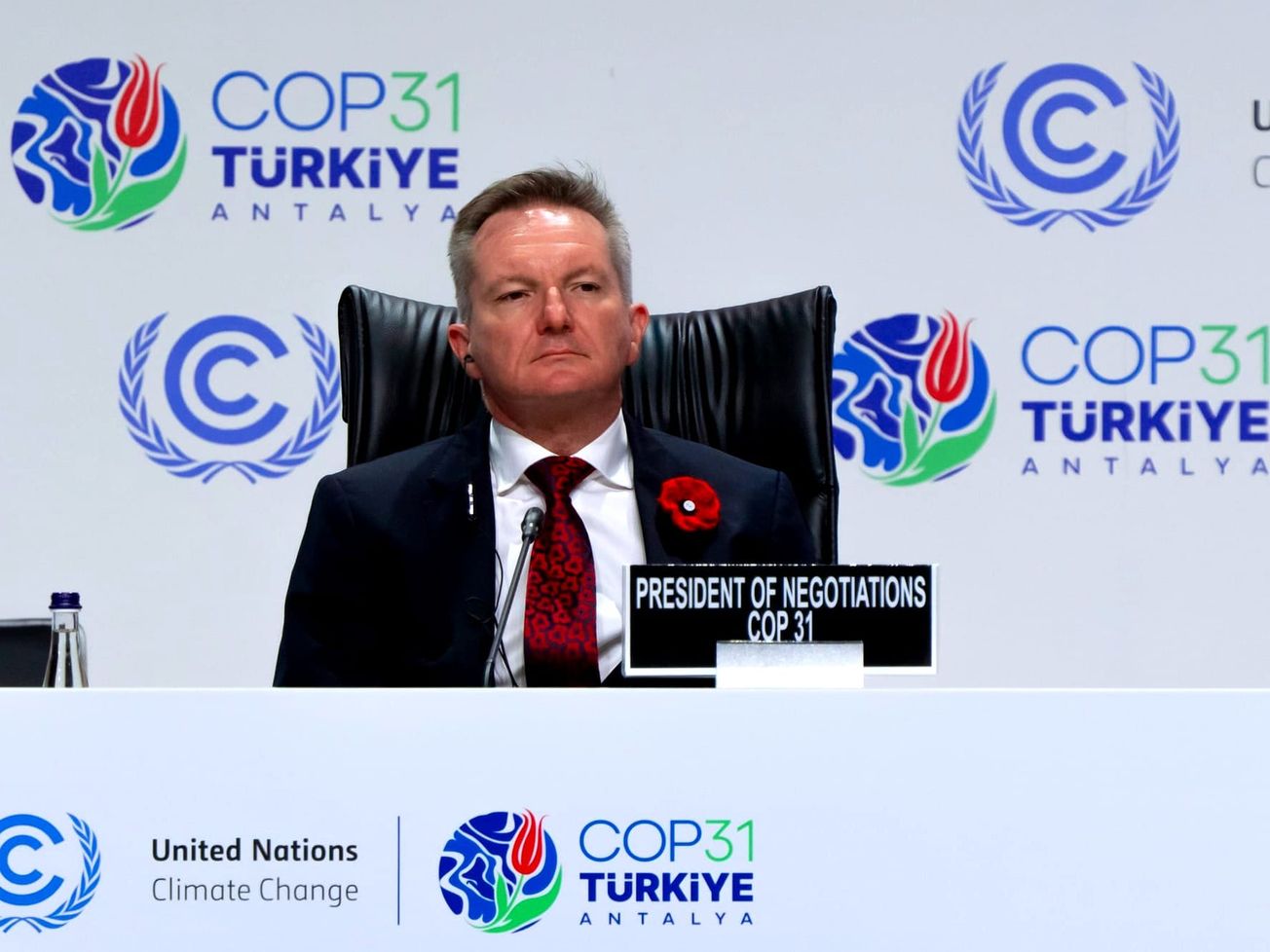
The United Nations climate summit ended without an overarching agreement after European and vulnerable developing countries rejected a proposed deal that omitted explicit references to fossil fuels, exposing deep divisions over the future of international climate cooperation.
The collapse of COP31 on Sunday followed more than two weeks of negotiations and nearly two days of overtime, making it the longest U.N. climate summit on record and the first since Copenhagen in 2009 to fail to adopt an overarching agreement by consensus. At Copenhagen, governments took note of the non-binding Copenhagen Accord after failing to formally adopt it.
Climate & Health — U.N. Framework Convention on Climate Change (UNFCCC) 1994 — U.N. Climate Change — Turkey — Europe — Denmark — Saudi Arabia — European Union — United Kingdom — Norway — Panama — Marshall Islands — United Arab Emirates (U.A.E.) — Ireland — Russia — Australia — Paris Agreement 2015 — United States — Potsdam Institute of Climate Impact Research