
Just as the world appears to be emerging from worst of the COVID-19 pandemic, the United Nations is warning of an impending health crisis that by mid-century could pose an even greater threat and kill as many people a year as cancer.
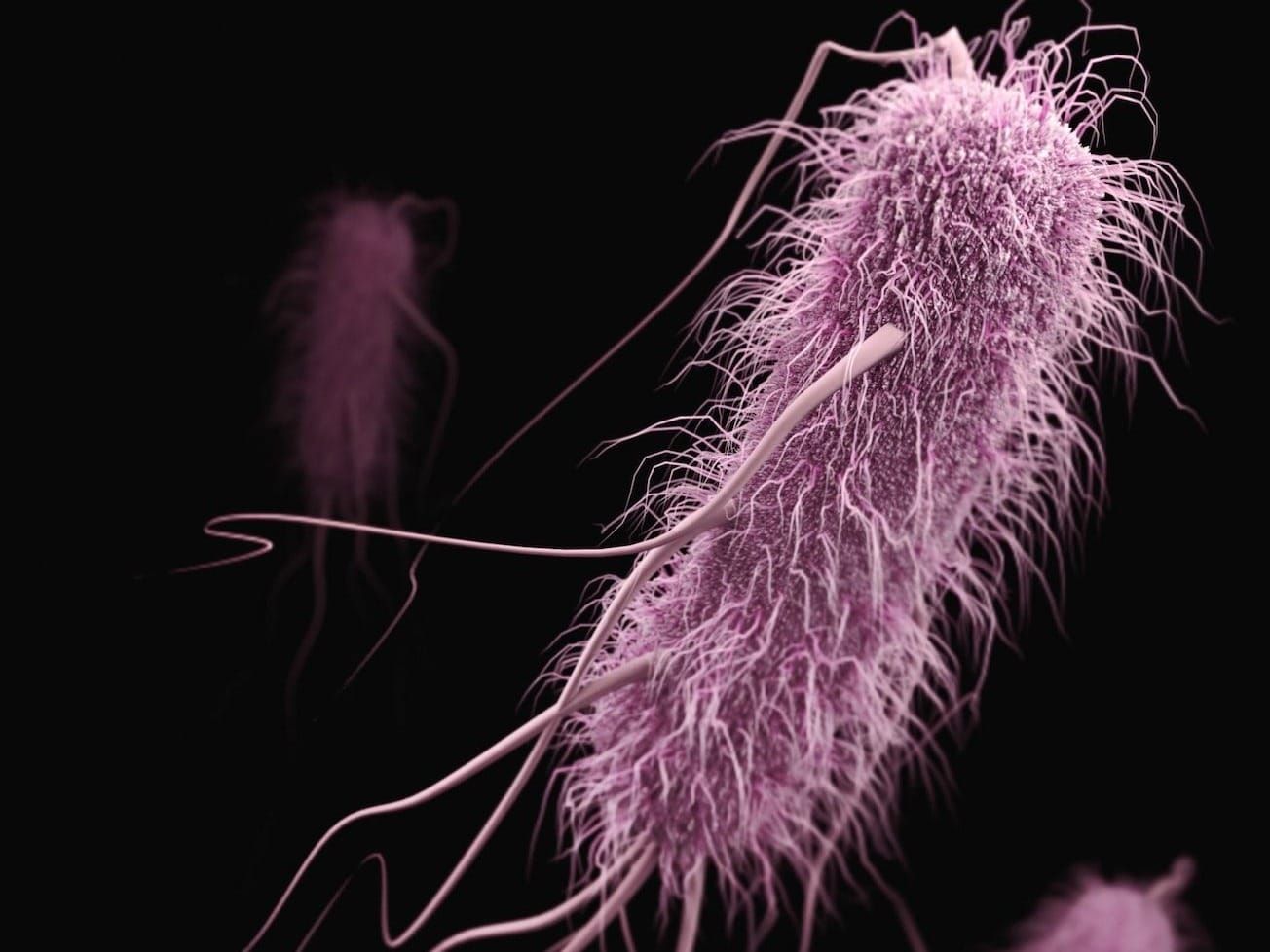
Nourished, developed and spread by pollution from farming, pharma and health care, superbugs – strains of bacteria that have become resistant to all known antibiotics – could cause as many as 10 million deaths each year by 2050.
Pollution and climate change feeding drug-resistant 'superbugs'
Strains of bacteria immune to all known antibiotics may become a major cause of death by mid-century.
Related

U.N. adopts pandemic declaration as global health divisions deepen
The U.S., Israel and Argentina oppose a declaration backed by 153 nations amid disputes over vaccine access and sharing.
WHO leadership contenders urge major reform as fiscal crisis deepens
Four candidates outline plans to reshape the U.N. health agency, reduce duplication and rebuild global cooperation.

China seeks WHO leadership as U.S. retreat recasts global health politics
Beijing nominates public health official Song Li to succeed Tedros, joining a seven-way contest at the U.N. health agency.

WHO maps ‘very high’ health risks as El Niño rapidly strengthens
Global assessment flags malnutrition, cholera and disease risks as climate pattern collides with wars and hunger.
Latest

U.N. considers new treaty to combat environmental crime
Governments meeting in Vienna face calls for stronger action against illegal mining, logging and wildlife trafficking.

Aid cuts erode humanitarian data as U.N. seeks $8B to reach most in need
Monitoring systems, assessments and institutional records are at risk as organizations struggle to identify those most in need.
Veto threats leave U.N. leadership race deadlocked after 6th straw poll
Rebeca Grynspan leads a three-way contest to succeed António Guterres, but all seven candidates face opposition.
World falling behind on biodiversity goals as leaders gather for summit
New U.N. assessment finds fewer than half of national targets on track, pressuring governments to turn pledges into action.