Global COVID-19 infections top 150 million
Two of every five cases were in the United States, India and Brazil alone — with more than 3.1 million deaths and 87 million recoveries worldwide.
Melting glaciers. Rising sea levels. Wildfires. Food shortages. Widespread species extinctions. Global pandemics. Every other issue is secondary. The climate crisis is a health crisis — a reality highlighted by WHO chief Tedros Adhanom Ghebreyesus, who points to the links between extreme weather, disease, and noncommunicable diseases. Science, politics, and economics are all at the heart of this urgent global issue.
Already have an account? Log in
Two of every five cases were in the United States, India and Brazil alone — with more than 3.1 million deaths and 87 million recoveries worldwide.
A two-day global climate summit hosted by U.S. President Joe Biden ended with leaders and companies pledging to decarbonize the world economy.
The World Bank approved US$2 billion in financing for COVID-19 vaccines in 17 developing countries as part of a two-year US$12 billion package.
Swedish climate activist Greta Thunberg joined WHO in calling on rich nations to stop hoarding vaccines and start accelerating the spread of shots worldwide.
The U.N. nuclear watchdog agency offered support for Japan’s decision to release treated radioactive wastewater from Fukushima into the ocean in 2023.
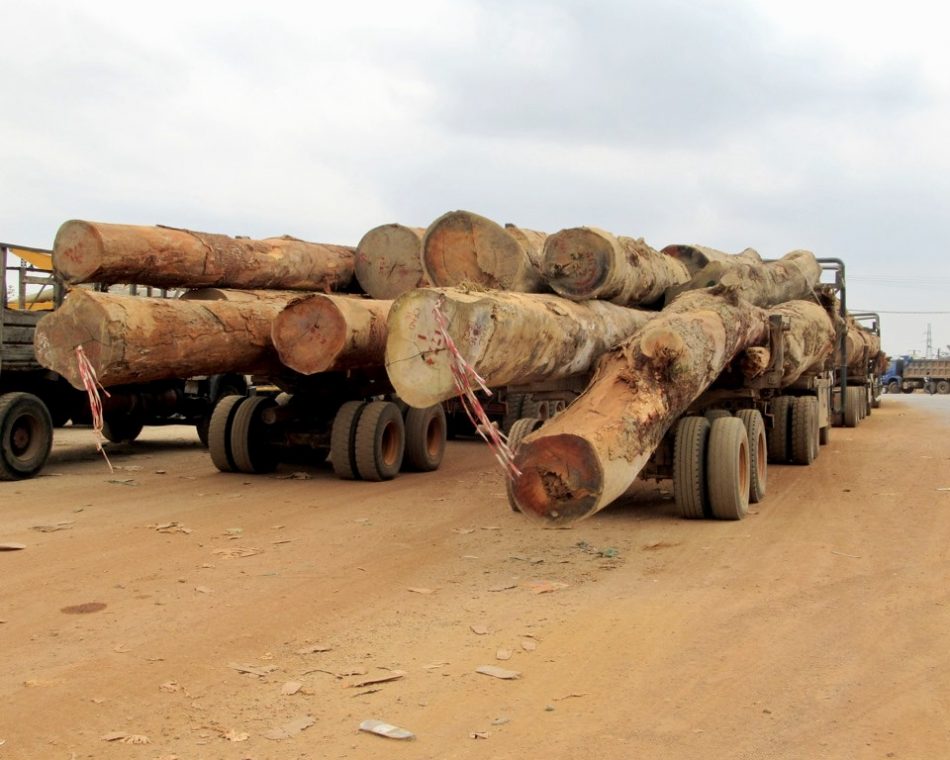
Old-growth tropical forest losses rose 12% in 2020 accelerated by commerce and climate-related factors, according to Global Forest Watch.
The coronavirus was likely transmitted initially from bats to humans through another animal and not from an accident in a Chinese lab, scientists reported.
Twenty five nations joined with the European Council and World Health Organization in making an "urgent call" for creation of an international pandemic treaty.
International organizations acknowledged significant delays in delivering COVID-19 vaccines to poor nations due to pressure from India.
Foreign ministers to NATO agreed to elevate the importance of global warming and other major environmental threats in military planning and strategy.
Government efforts to fight the pandemic include just one woman for every three men on average, according to UNDP, which urged more gender equality.
The U.N. weather agency advised governments against relaxing COVID-19 restrictions based on assumptions the coronavirus will decline with warm weather.
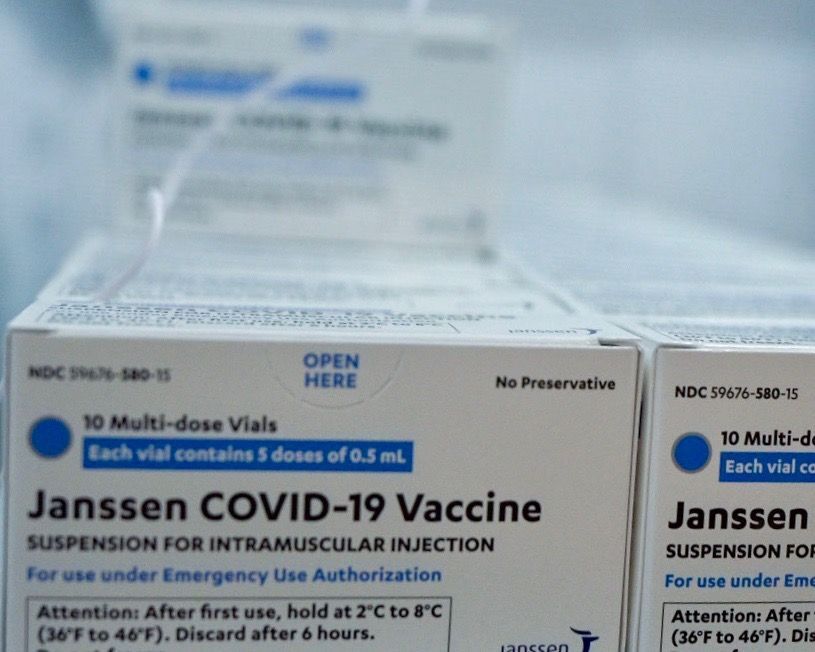
WHO approved Johnson & Johnson’s COVID-19 vaccine for emergency use, adding a fourth shot to the international arsenal of tools against the pandemic.
One year on, the pandemic has prompted one of the most remarkable scientific efforts — and brought into sharper focus many of the world's inequities.
While one-in-10 people on the planet suffers chronic hunger, the world wastes about 17% of all the food that is produced each year, UNEP reported.
The world's promised cuts in greenhouse gases come nowhere close to fulfilling the 2015 Paris Agreement, according to a new U.N. analysis.