
Negligible relief seen for people of Gaza as pause in fighting begins
The United Nations and agencies rushed to provide humanitarian aid as Israel and Hamas began a four-day truce.
The World Health Organization is the United Nations’ specialized agency for international public health. Headquartered in Geneva, it coordinates global responses to health emergencies, sets data-driven standards, and promotes universal health coverage. Guided by the principle that health is a fundamental human right, WHO works with 194 member nations to combat infectious diseases, strengthen resilient health care systems, and ensure well-being for the world’s most vulnerable.
Already have an account? Log in
The United Nations and agencies rushed to provide humanitarian aid as Israel and Hamas began a four-day truce.
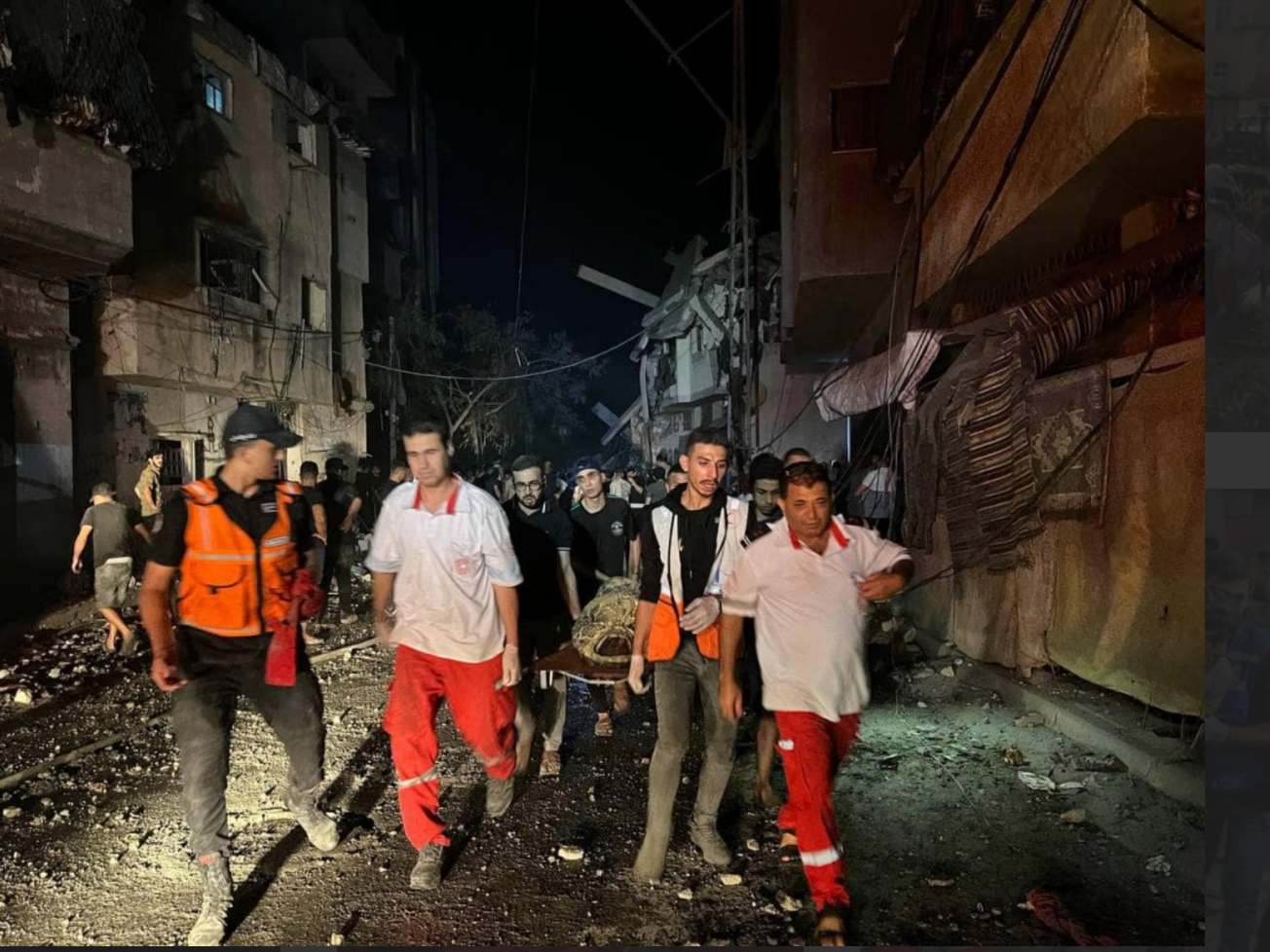
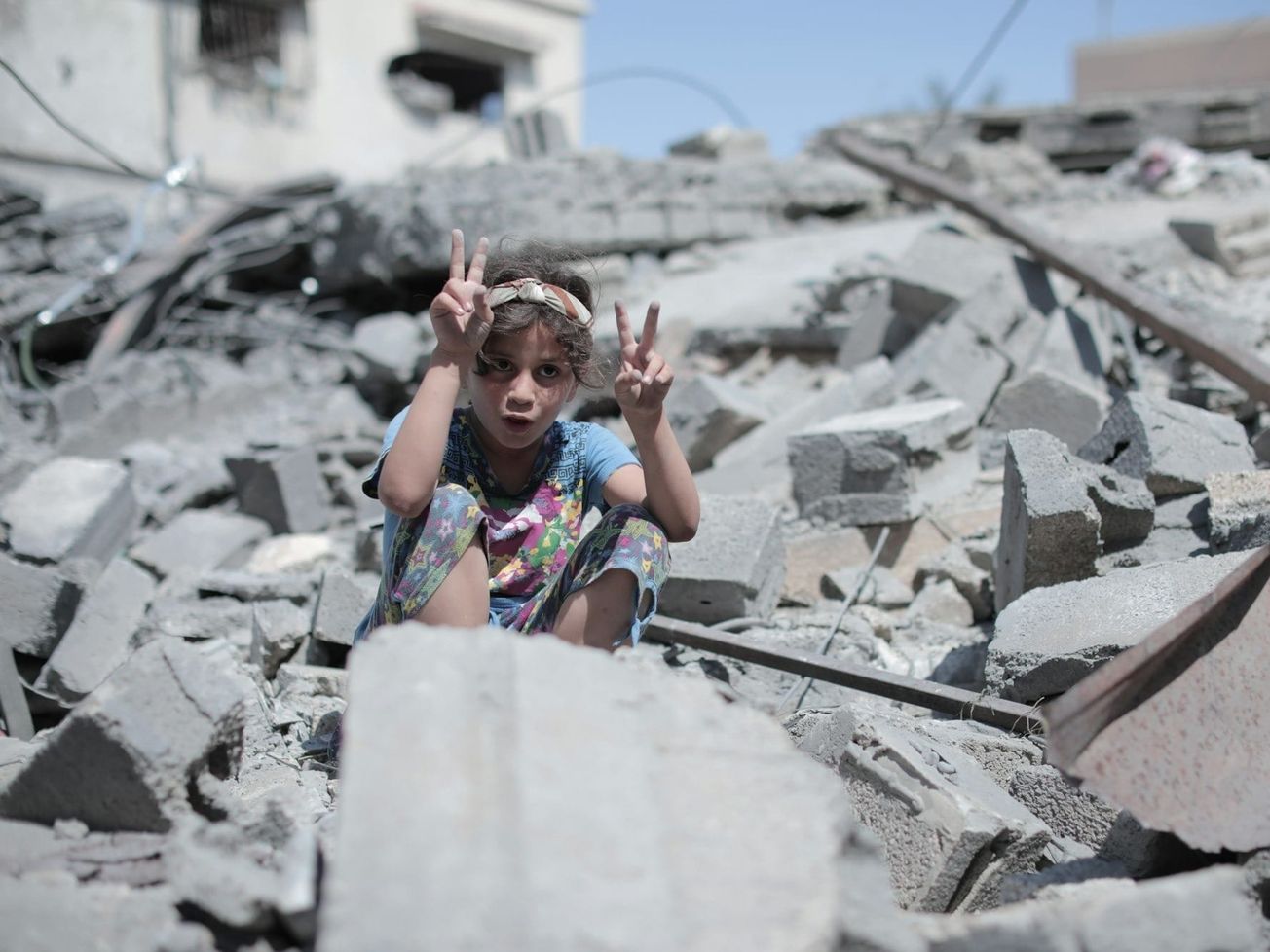
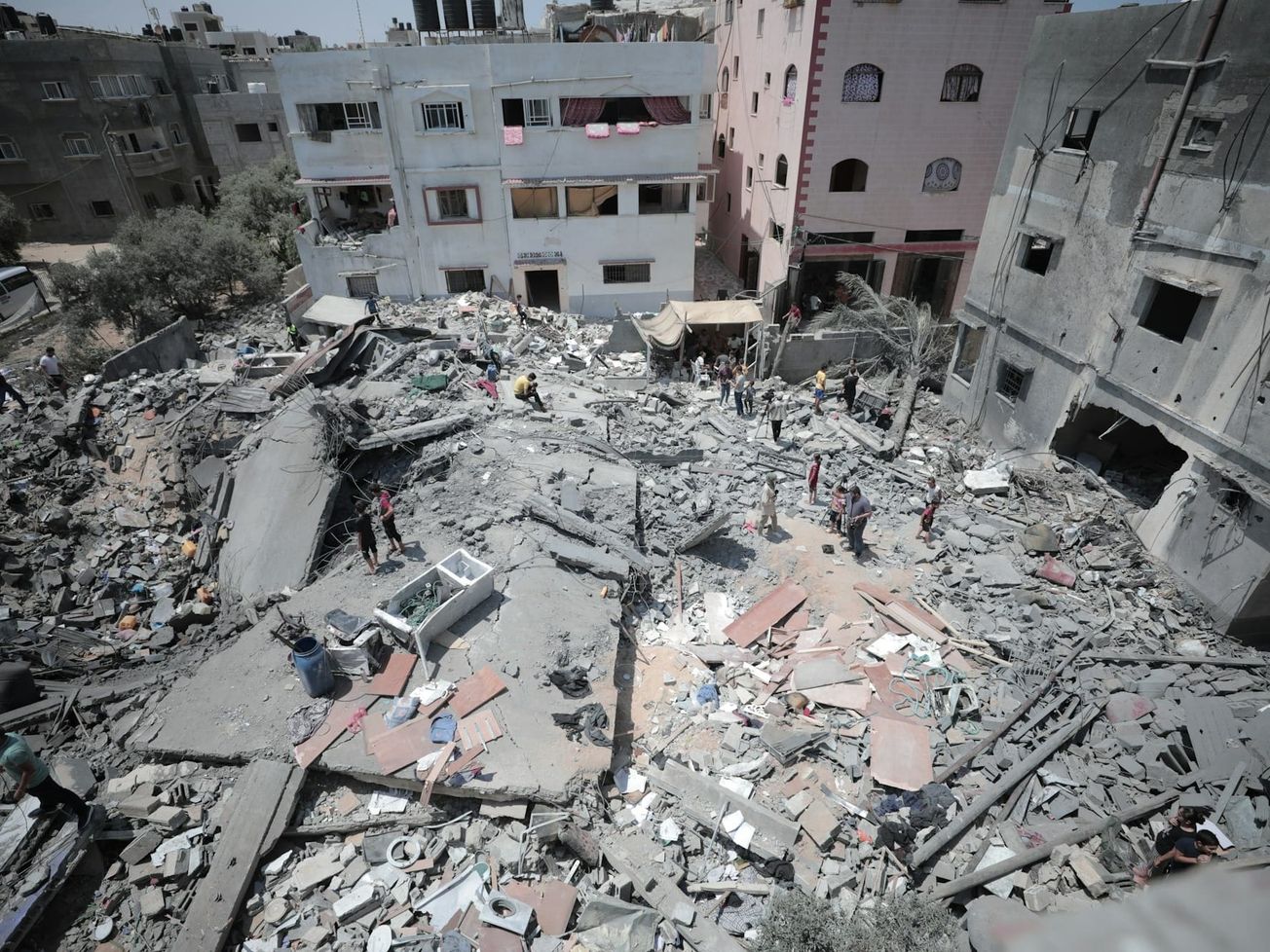
More than 12,250 people have been killed - including 101 U.N. staff - and 32,300 others injured in the Gaza war, officials said.
Medical facilities are running out of supplies and fuel, which Israel hasn't allowed into Gaza for a month now.
Two U.N. reports show more aid for developing nations could reduce the millions of deaths a year from climate shocks.
Hundreds of people were allowed to enter Egypt from Gaza, which one U.N. official called a 'graveyard' for children.
The Global Preparedness Monitoring Board urged more trust-building to boost monitoring, accountability and financing.
Humanitarian agencies were forced to scale back as fuel and other items were depleted and diplomats were at an impasse.
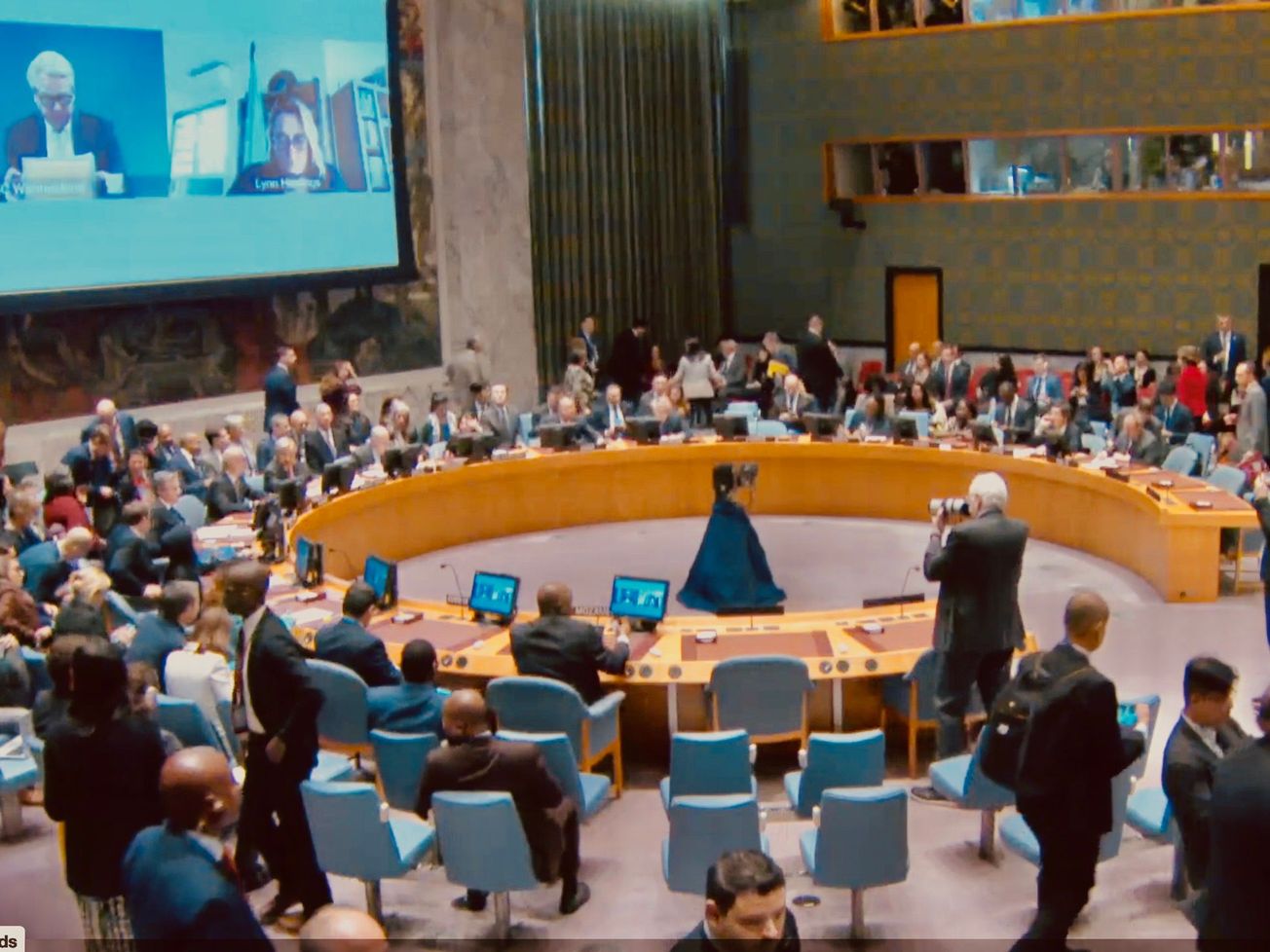
Israel pounded Gaza with increasingly intensifying airstrikes. The U.N. chief emphasized the rules of war must be obeyed.
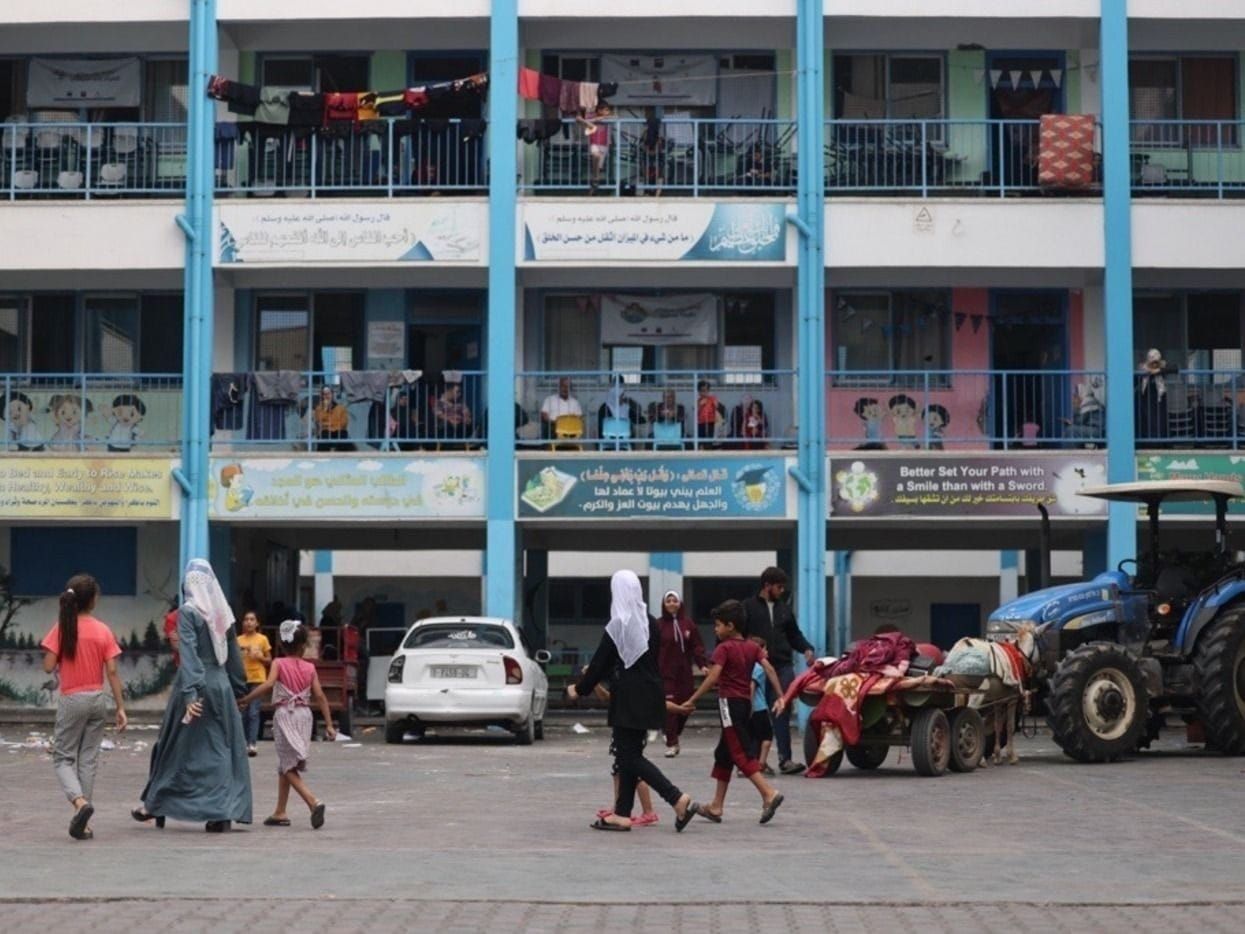
Despite some humanitarian aid trickling into Gaza through Egypt's Rafah crossing, needs are soaring as tensions flare.
Officials say civilians' basic needs and protections must be upheld in accord with international humanitarian law.
The Platform to Protect Whistleblowers in Africa said the health leader was "targeted" by the Ethiopian government.
The U.N. health agency praised world leaders for a 'historic' commitment to working together against future pandemics.
Almost all of the most popular international organizations have more than 10 million followers combined.
The co-chairs of a negotiating panel said there's been a healthy exchange of ideas and concerns among 194 nations.
The 76th World Health Assembly ended after moving to strengthen its budget and broaden access to health care.
The COVID-19 pandemic brought into sharp focus many of the world's glaring inequalities between rich and poorer nations.