Skip to content

U.S.-Saudi nuclear agreement tests decades of nonproliferation policy

The agreement opens the door to a Saudi civilian nuclear program but leaves critical questions unanswered.

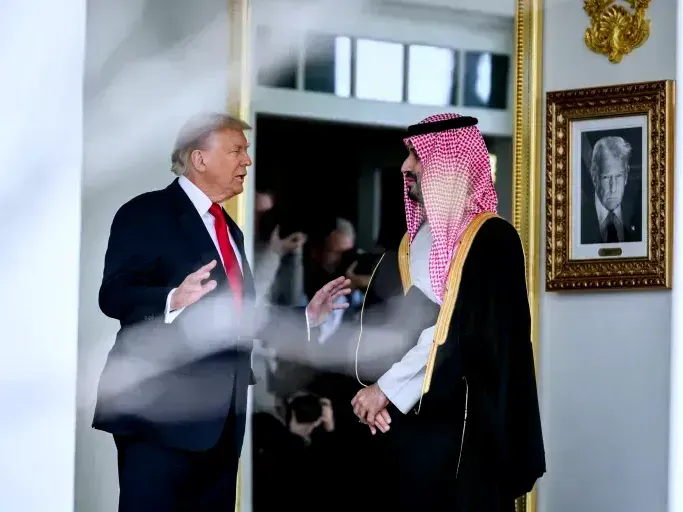
U.S. President Donald Trump speaks with Saudi Crown Prince Mohammed bin Salman Al Saud at the White House in November 2025.
U.S. President Donald Trump speaks with Saudi Crown Prince Mohammed bin Salman Al Saud at the White House in November 2025. (White House)

WASHINGTON (AN) — A new nuclear cooperation agreement between the United States and Saudi Arabia is testing whether strategic competition in the Middle East is beginning to weaken the nonproliferation safeguards Washington has long promoted to prevent civilian nuclear programs from creating pathways to weapons development.

U.S. Energy Secretary Chris Wright and Saudi Energy Minister Prince Abdulaziz bin Salman signed a Section 123 civilian nuclear cooperation agreement on Wednesday along with a bilateral safeguards accord. The Energy Department described the package as the legal foundation for a decades-long, multibillion-dollar partnership that would expand opportunities for American nuclear companies, deepen the U.S.-Saudi strategic relationship and reinforce global nonproliferation standards.

Get full Free+ access with a free subscription

Join now

Already have an account? Log in

Latest