
Widespread racism in focus at U.N. review of U.S. racial justice record
Entrenched racism, white nationalism, aggressive policing and xenophobia stifle the rights of Americans nationwide.
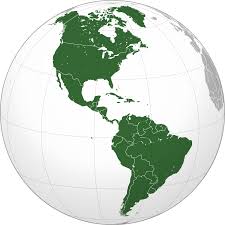
The Americas is the combined landmass of North, Central, and South America and is home to 35 countries. The region has a combined population of more than 1 billion people and a collective GDP of over $32 trillion, making it a major force in the global economy.
Already have an account? Log in
Entrenched racism, white nationalism, aggressive policing and xenophobia stifle the rights of Americans nationwide.
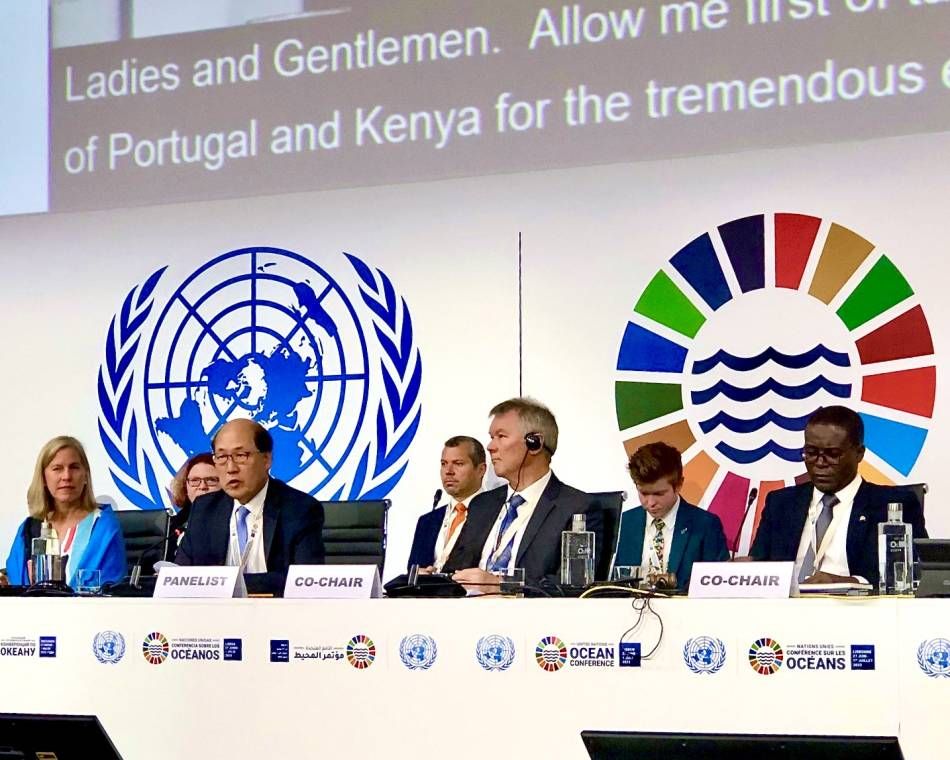
More than 150 nations committed to put science at the heart of renewed efforts to tackle the multiple human-caused crises threatening the ocean.
Global leaders broadly condemned the U.S. Supreme Court's decision to overturn Roe v. Wade and other precedents protecting access to abortion.
Nuclear arsenals among nine nations are expected to grow over the next decade in a reversal of a post-Cold War decline, a Swedish think tank reports.
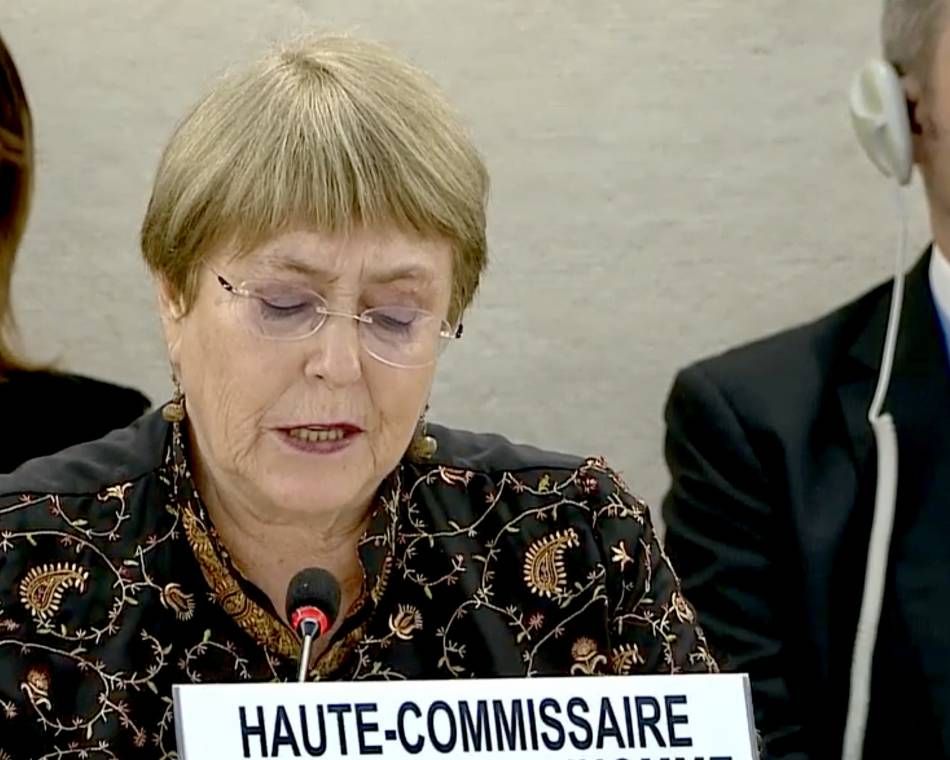
Just weeks after a trip to China that drew widespread criticism, Michelle Bachelet said she will not seek a second four-term as U.N. human rights chief.
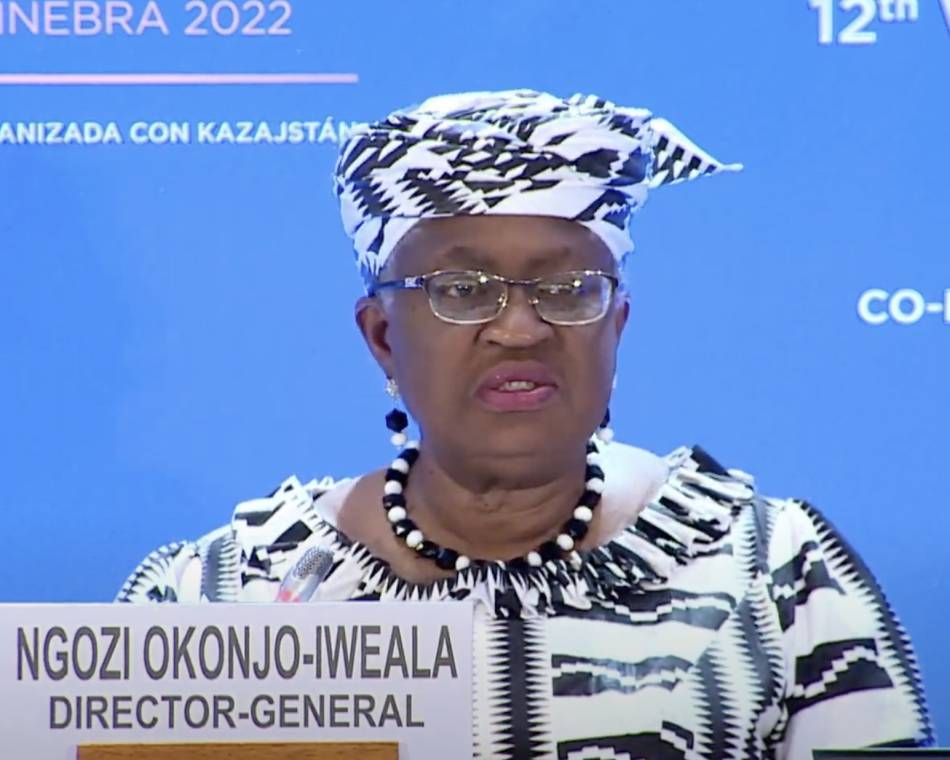
Hunger, vaccine patents and fishing subsidies top the agenda as the global trade body holds its first ministerial conference in four and a half years.
Biden wrapped up the Summit of the Americas unveiling a migration plan that comes at a pivotal moment for cohesion and democracy's future in the region.
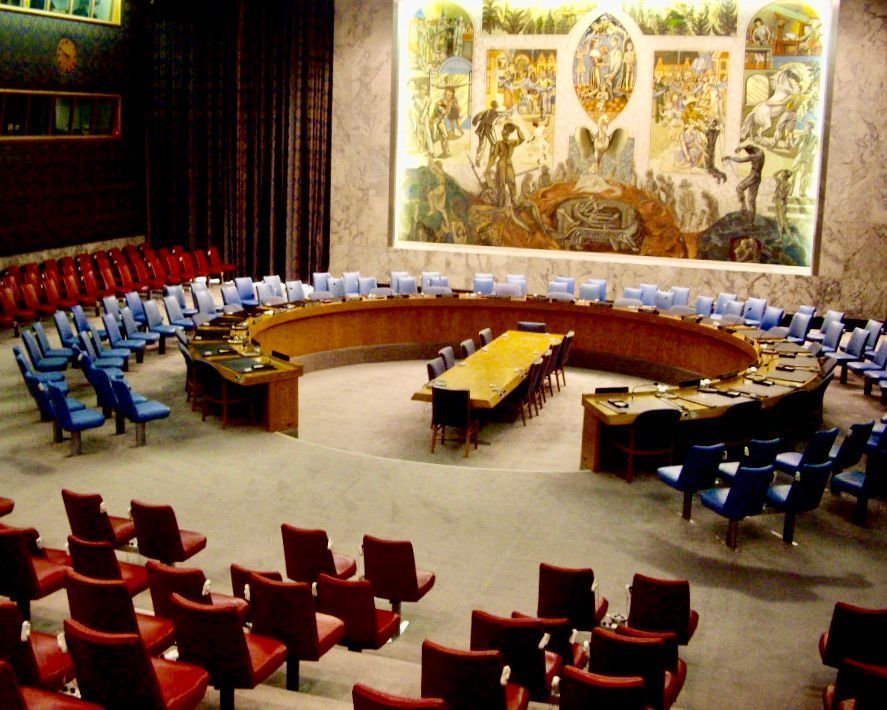
Five nations won seats on the U.N. Security Council for the next two years, putting them in a position to influence global policies on peace and security.
Tens of millions of people in 20 hunger "hotspots" will need emergency aid as they face a sharply increased risk of starvation, two U.N. agencies predicted.
North Korea took over the presidency of the U.N. Conference on Disarmament, drawing stern criticism from a quarter of the world body's 193 members.
Proponents of a U.N. global high seas treaty for protecting biodiversity are set to resume talks in August with the goal of approving it as soon as possible.
Nations appeased conservatives with a new strategy for HIV, viral hepatitis and sexually transmitted infections that omits a glossary of sexual health terms.
With at least 200 cases of monkeypox reported by more than 20 nations, WHO officials warned "it's an unusual situation" with a lot of open questions.
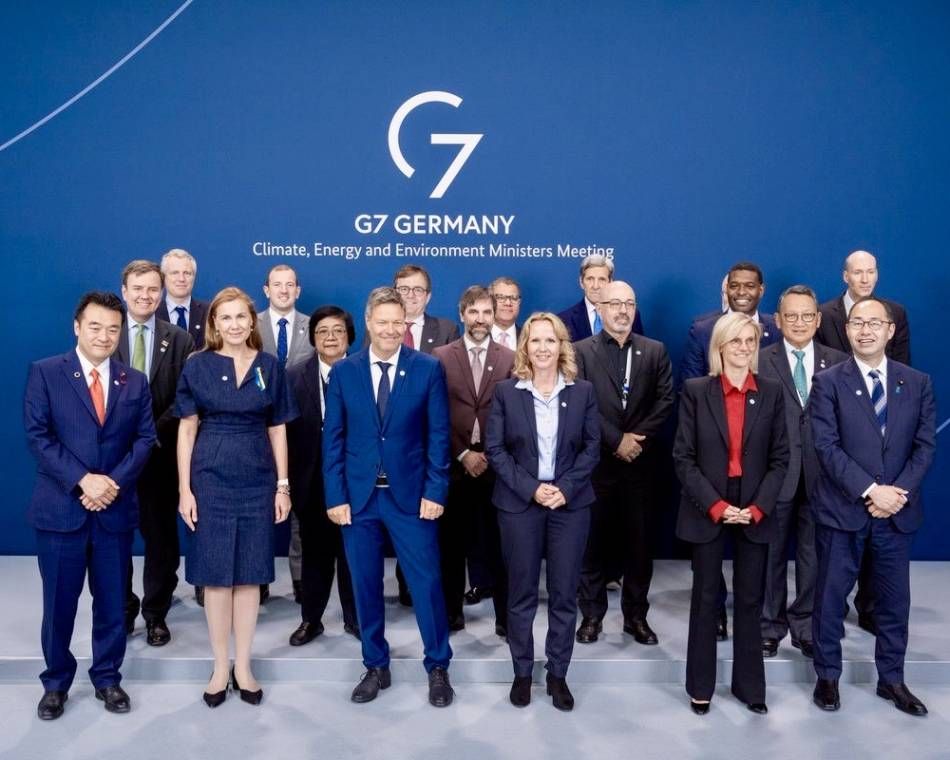
The Group of Seven rich democracies pledged to largely stop relying on coal and other fossil fuels to generate electricity by 2035.
The World Health Assembly voted to condemn and call for an immediate end to Russia's military attacks on Ukraine's hospitals, clinics and ambulances.
In a climate change twist, the U.S. weather agency finds less air pollution can cause more hurricanes.