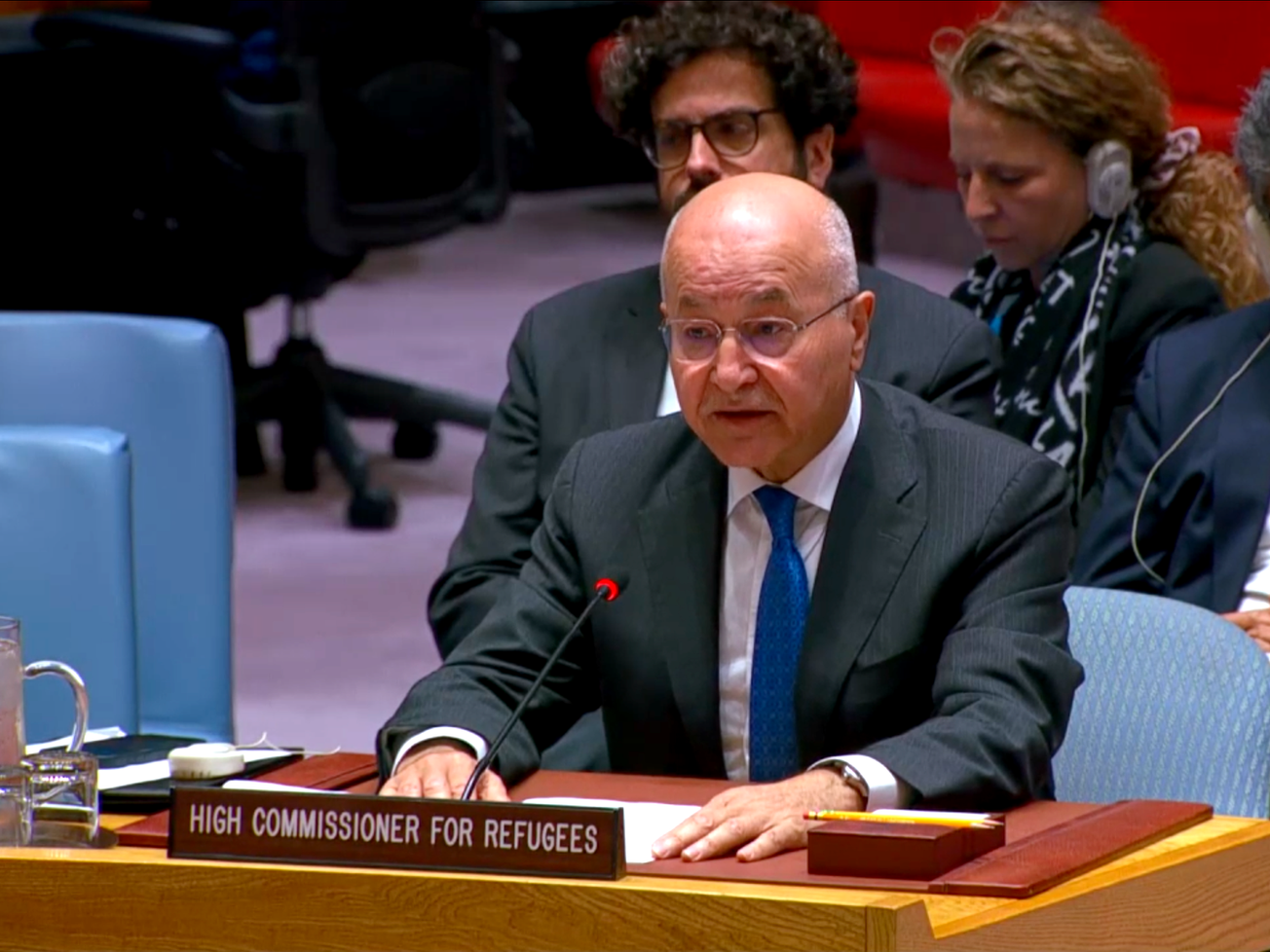
U.N. refugee agency plans sweeping revamp as funding crisis deepens
UNHCR chief outlines changes to operations in 31 locations, reduced management and a shift toward national institutions.
Switzerland is a landlocked nation in Central Europe, known for its mountains, lakes, and highly developed economy. The country has a long-standing policy of armed neutrality, which has allowed it to host the headquarters of many international organizations, including the U.N. office in Geneva.

Already have an account? Log in
UNHCR chief outlines changes to operations in 31 locations, reduced management and a shift toward national institutions.
Four candidates outline plans to reshape the U.N. health agency, reduce duplication and rebuild global cooperation.
The Norwegian Nobel Committee honors the South African jurist for advancing international law and accountability.
Geneva pilot finds strong substantive reporting but source diversity and explanations of institutional processes lag.
Volker Türk calls for independent verification and common safety limits as AI initiatives reach the Human Rights Council.
Consolidation of UNITAR and the U.N. System Staff College is expected to generate savings of up to $7 million.
A new flood alert forced evacuations as rescuers seek nearly 1,000 missing people, underscoring the forecasting challenge.
New assessment finds transparency at its lowest level since the Arms Trade Treaty took effect as conflicts test the rules.
Renewed appeal seeks binding prohibitions as governments approach a decision on whether to launch negotiations.
As much of Western Europe endures record heat blasts, other parts of the continent remain unusually cool and wet.
Plastics treaty chair offers informal roadmap to resume talks, but environmental lawyers say it sidelines global controls.
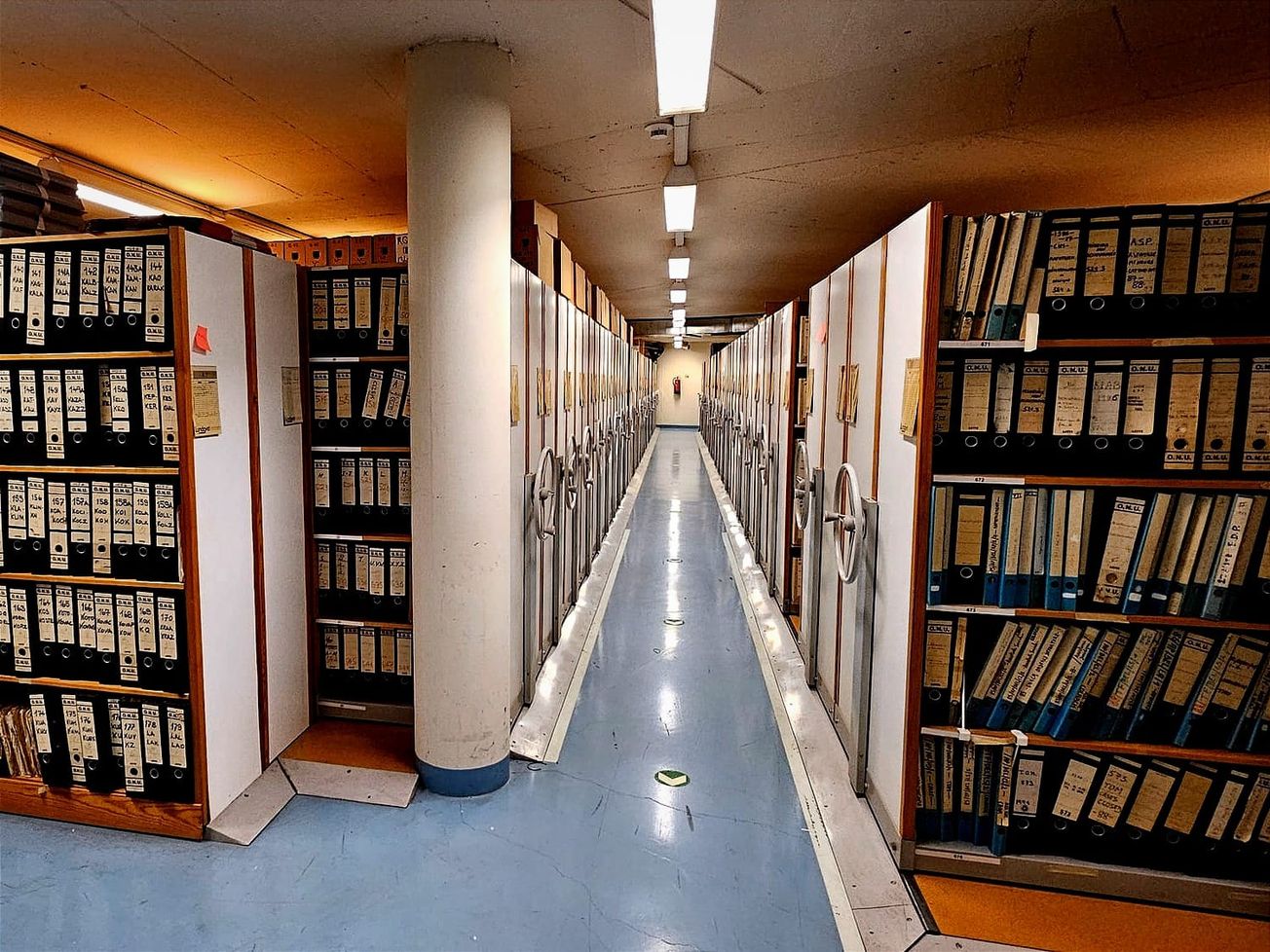
UNHCR's archives are a test case for humanitarians struggling to preserve institutional memory in an era of retrenchment.
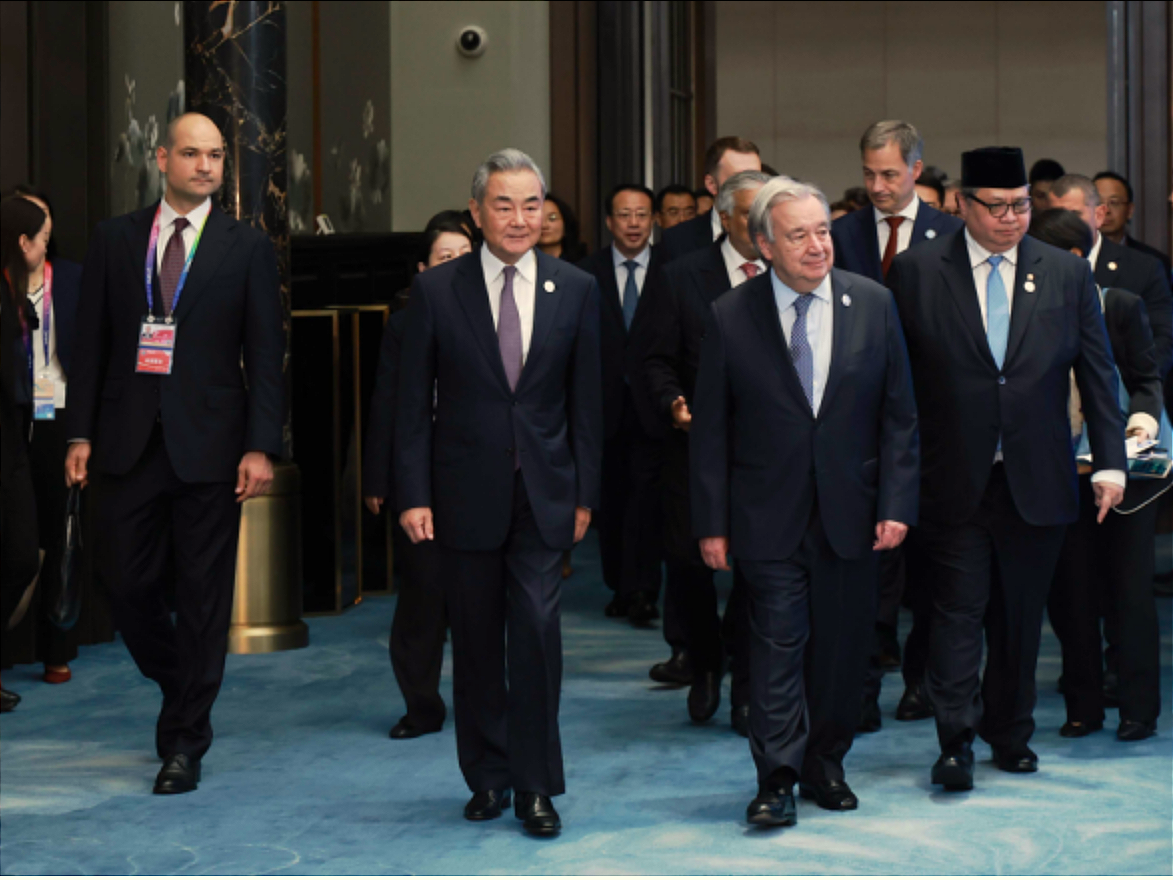
Twenty-nine countries joined the Shanghai-based organization as Beijing offered aid to developing nations.
A rare coalition says policymakers must prepare for changes that could unfold faster than previous industrial revolutions.
An ITU-led effort is trying to strengthen one of the world's least visible but most important forms of infrastructure.
Humanitarians are using AI for crisis assessment and decision support, but still insist humans make operational decisions.