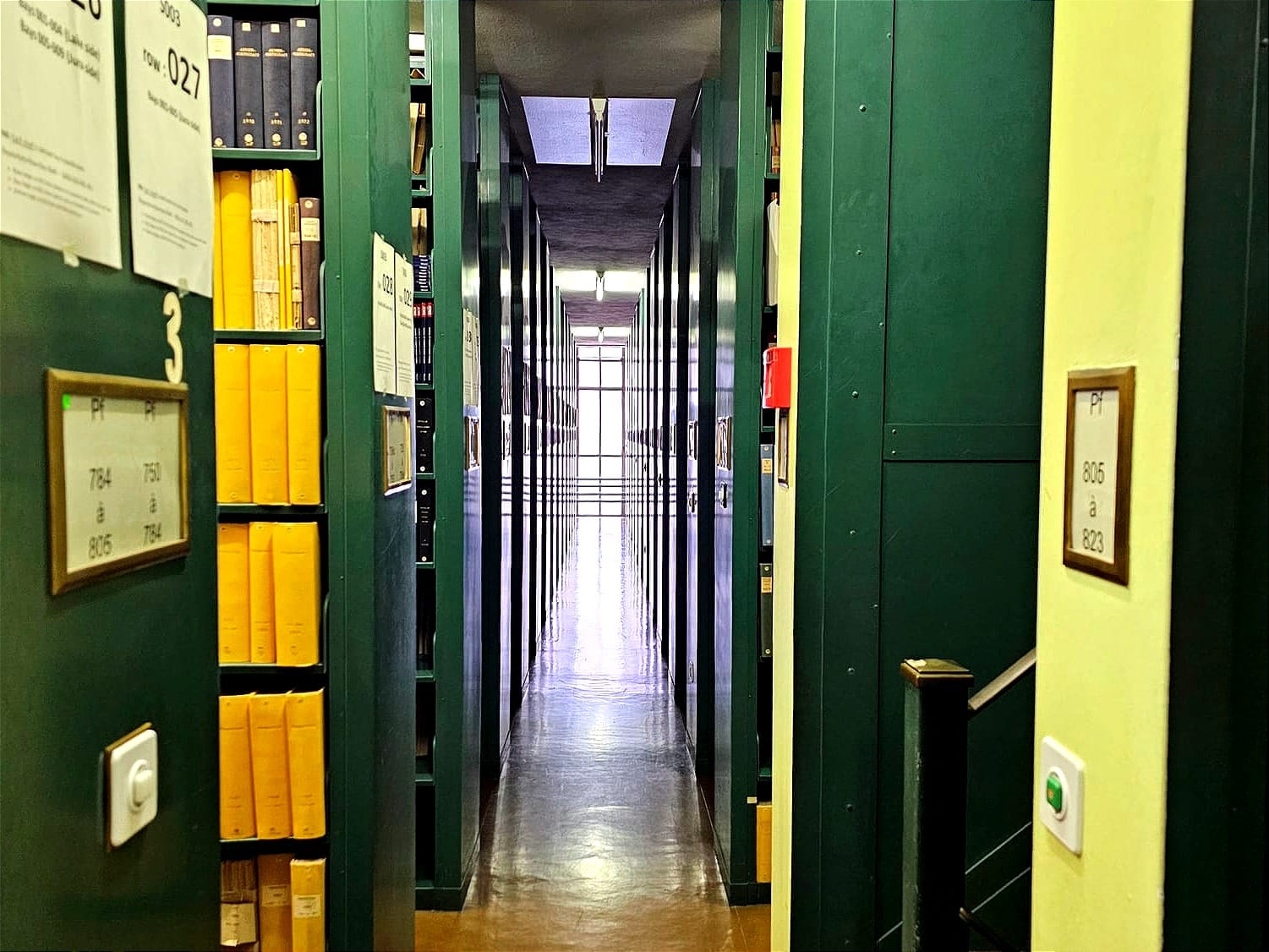
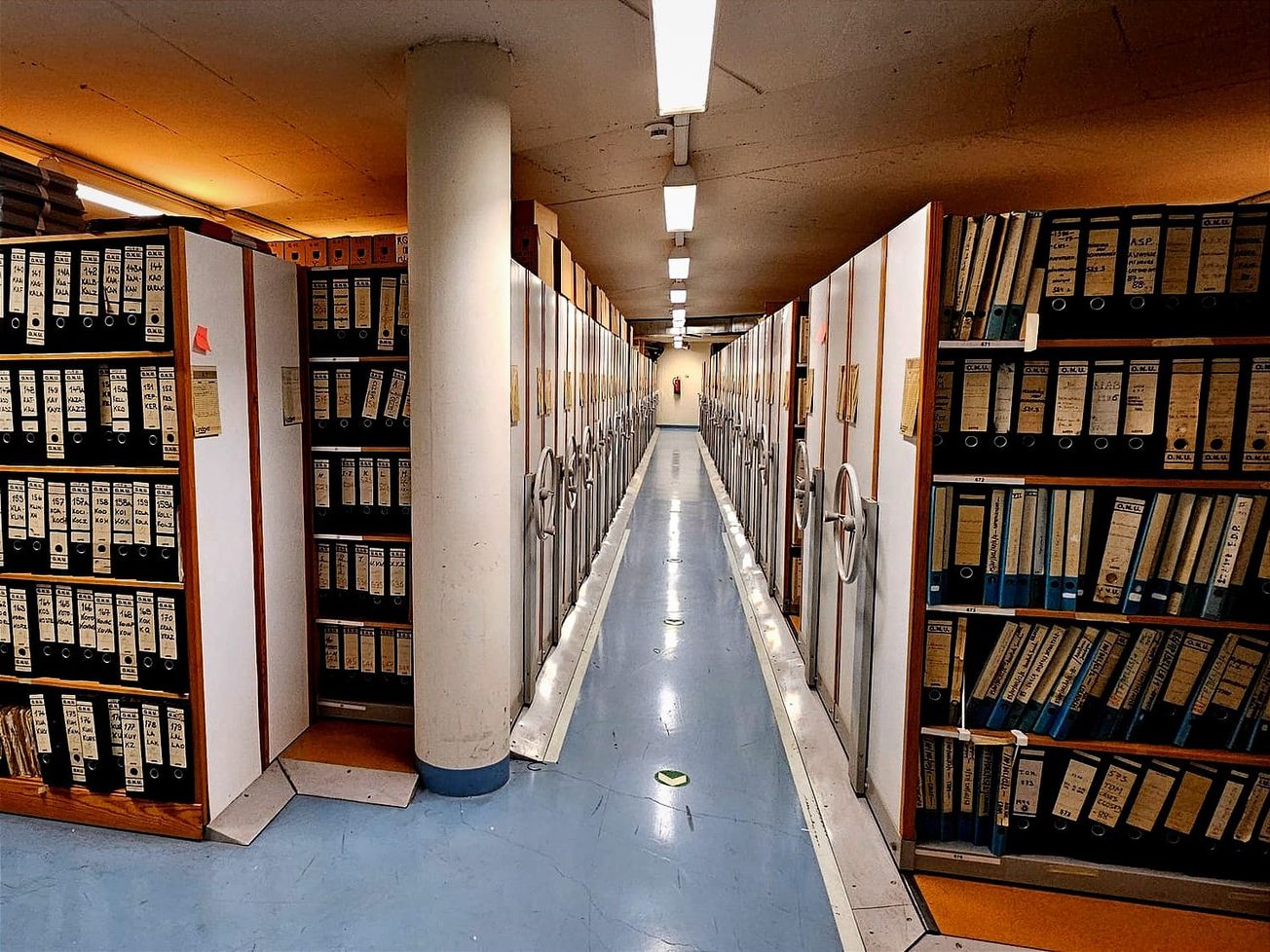
GENEVA (AN) — In the basement of the U.N. refugee agency, handwritten letters, field reports, policy memoranda and other one-of-a-kind records documenting the global history of displacement stretch for 10 kilometers (6.2 miles) of shelving.
But severe funding cuts and restructuring at the Office of the United Nations High Commissioner for Refugees, or UNHCR, are putting pressure on one of the world’s most important humanitarian archives, raising concerns that records documenting more than seven decades of displacement, refugee protection and institutional decision-making could be damaged, rendered inaccessible or become difficult to preserve and access.
UNHCR officials and outside scholars warn that the agency’s archives in Geneva, which preserve records dating to the organization’s creation in 1950, are under growing strain as the agency absorbs budget cuts, closes offices and weighs possible relocation. At the very least, a move associated with a future headquarters renovation could result in years of lost access to research materials used by scholars, lawyers, journalists, policymakers and UNHCR staff.
“The funding cuts put UNHCR’s archives under heavy strain and we had to close the reading room already,” said Volker Schimmel, head of UNHCR's Global Data Services.
The concern forms part of a broader warning from archivists, researchers and humanitarian practitioners that aid organizations are entering what some describe as a humanitarian archive emergency. Reports, datasets, operational files, legal records and digital systems documenting decades of humanitarian action are vulnerable to funding cuts, office closures, technology obsolescence and weak preservation systems.
Similar concerns are emerging elsewhere in the humanitarian sector. In its 2025 State of Humanitarian Data report, the U.N. Office for the Coordination of Humanitarian Affairs, or OCHA, warned that funding shortages threaten to reverse years of progress in humanitarian data collection and could reduce the availability of information on displacement, food security, malnutrition and humanitarian needs. The report warned that organizations may be forced to prioritize only the data considered essential for immediate operations.
Archive use at UNHCR has increased even as staffing declined. Internal and external research requests increased by nearly 50% between 2019 and 2024, indicating that the archive remains an active operational resource rather than simply a historical collection.
Yet the records and archives section now consists of seven staff members and three temporary appointments, down from 19 personnel in 2023, according to Hilde Haaland, a senior archivist and UNHCR's head of archives. Contracts for the temporary positions are due to expire at the end of August, creating additional uncertainty about future staffing levels.
Before access was suspended, the archives typically hosted one to two visiting researchers each week. In 2024, 34 researchers visited the reading room in person, while others requested digitized materials remotely. Haaland estimated that approximately 50 to 60 external researchers use the archives annually, in addition to a larger number of requests from UNHCR personnel seeking historical records and operational information.
If the archives are moved into temporary storage during a headquarters renovation, researchers and staff say they could lose access to portions of the collection for several years while records are packed, relocated and later reinstalled.
UNHCR has itself warned that “vital records in all formats are at risk of disappearing,” including reports, datasets, operational files and historical archives documenting decades of humanitarian action. Once lost, the agency said, “this knowledge cannot be recovered.”
The stakes are unusually high because UNHCR’s archive is not merely an institutional record. Scholars say it is one of the central repositories for the history of the modern refugee system.
It also preserves records needed to understand how refugee protection evolved and how major humanitarian decisions were made, said Ayman Gharaibeh, UNHCR's director of data governance, who has held numerous senior positions during more than three decades with the agency.
The archive contains official records, file notes, testimonies and images dating back to UNHCR’s creation. It also includes websites and social media content. According to UNHCR archivist Patricia Sleeman, head of digital preservation, the system now contains approximately 170 terabytes of curated material, along with another 5 terabytes preserved through web and social-media archiving. Archivists estimate another 160 terabytes of records stored across organizational systems, databases and applications should eventually be captured and preserved.
Haaland said some archival files continue to be used in active protection cases. In some instances, UNHCR has been asked to verify whether refugees were formally resettled decades ago when individuals face detention, extradition or other legal proceedings and no longer possess the original documentation themselves. The greatest immediate risk from a hurried move, she said, would be losing the archival order that allows records to be located, understood and interpreted.
If collections are packed and relocated without sufficient time and expertise, records could become difficult to retrieve for years even if the documents themselves survive. Fragile materials, including aging fax-paper records, could also deteriorate if stored in unsuitable conditions.
The archive helps researchers, lawyers, journalists and policymakers reconstruct how refugee protection has evolved in practice. UNHCR’s own policy work has described the archives as a source of evidence for decisions on policy, funding, legal interpretation and advocacy, noting that reliable records of past refugee situations can make future operations more effective.
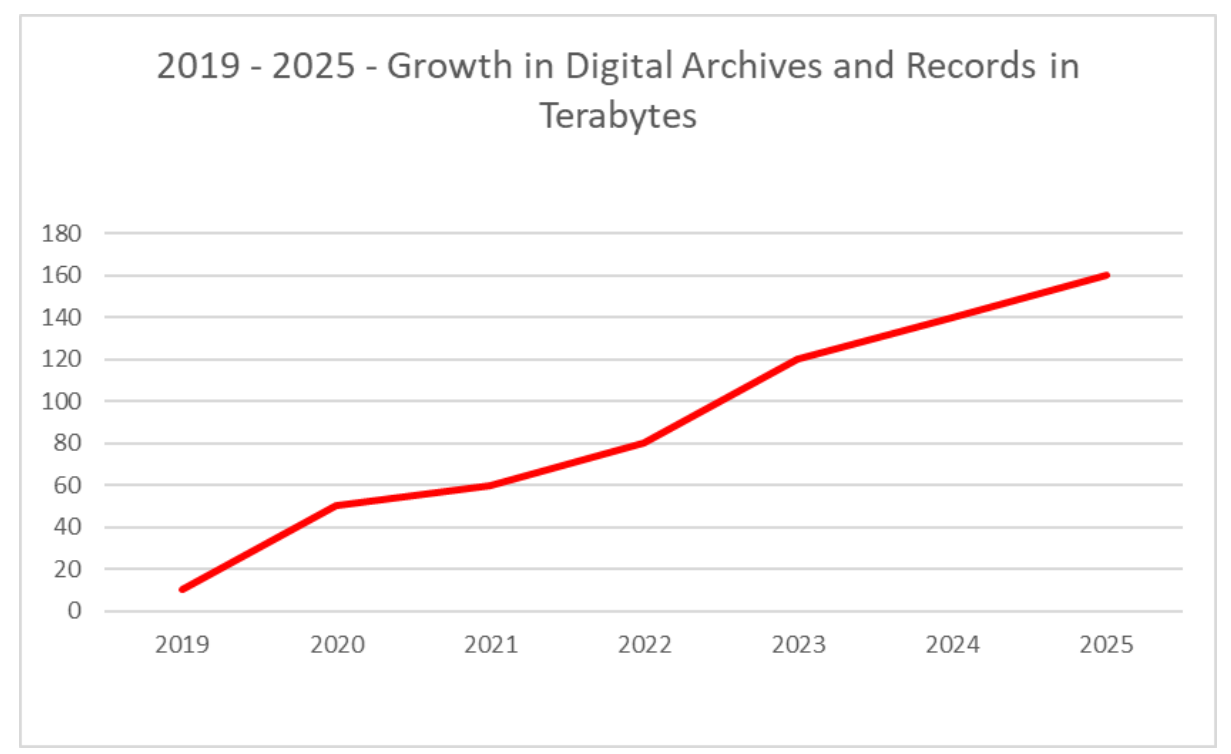
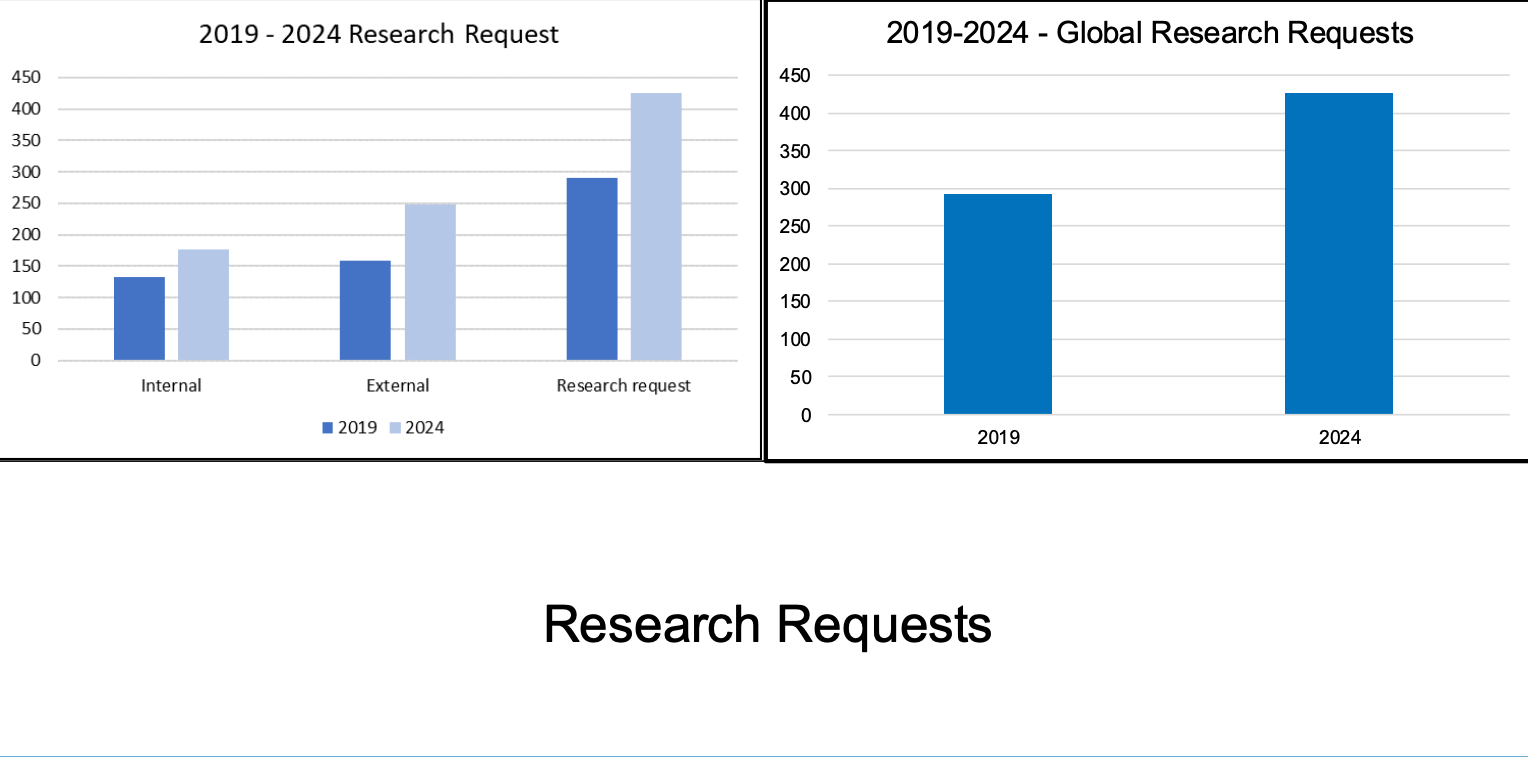
Mapping existing and vulnerable records and losses
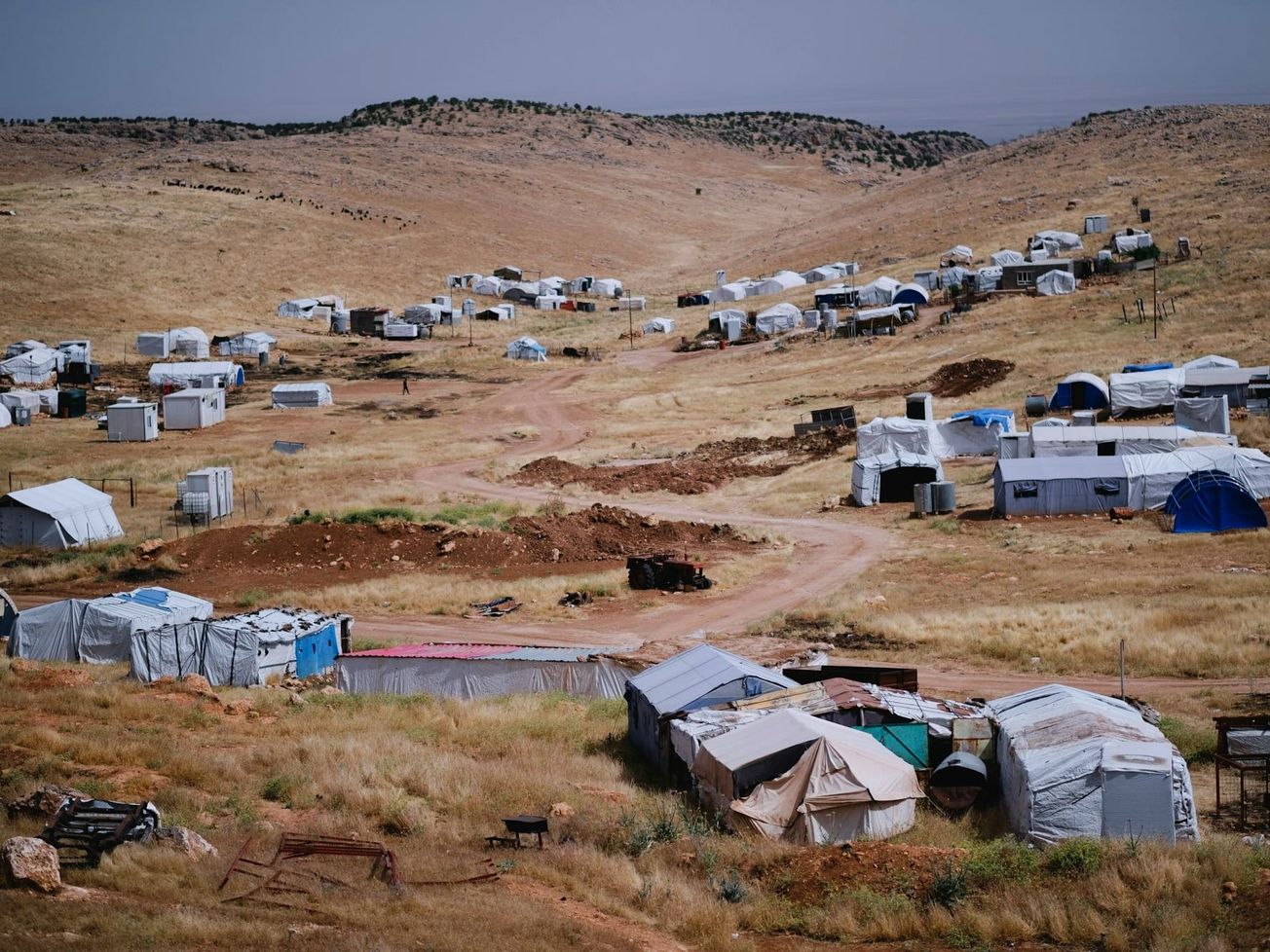
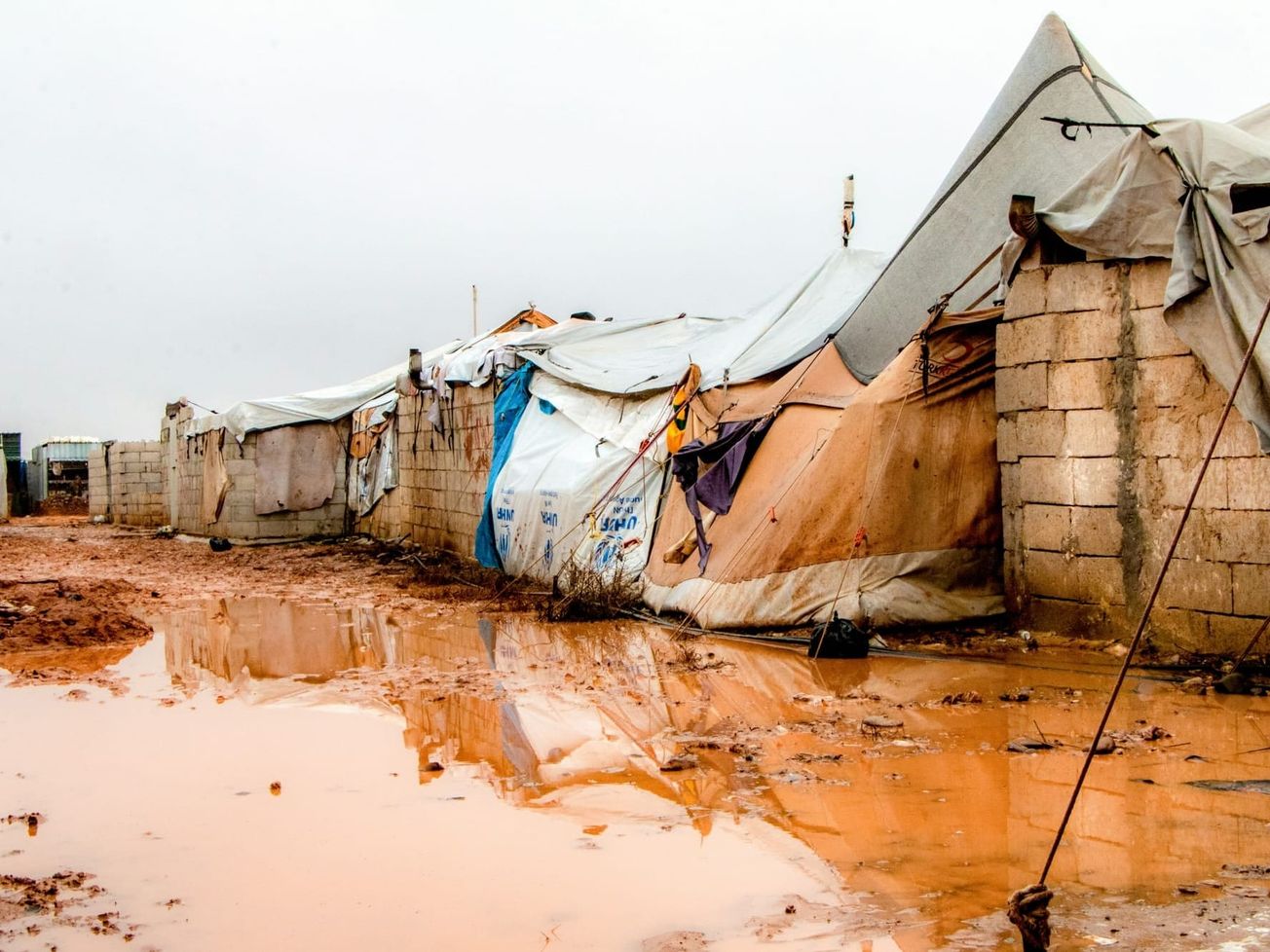
The records also preserve the voices of refugees themselves.
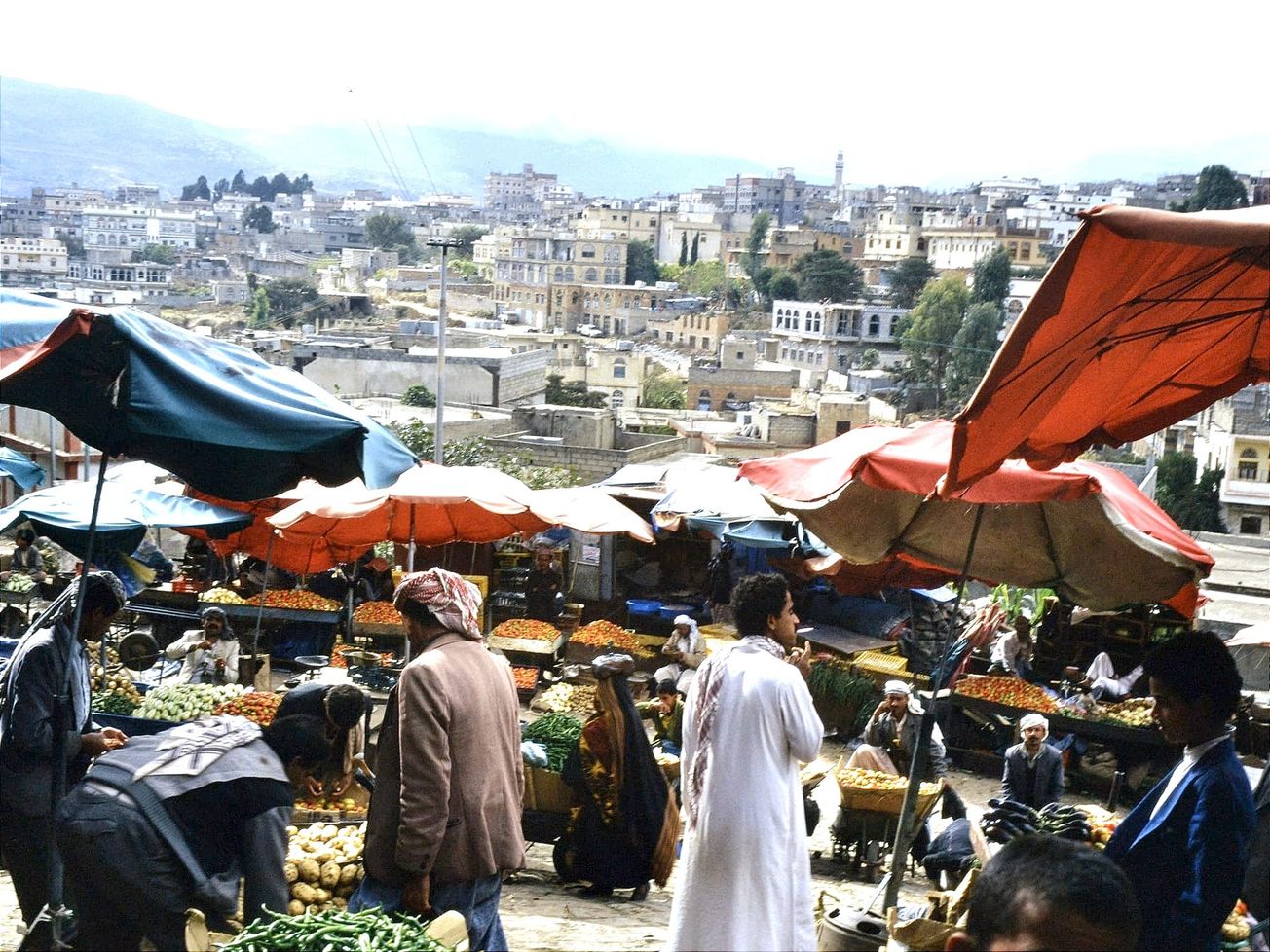
Historian Peter Gatrell, who has made extensive use of UNHCR's archives in his research over the years, said its collections contain “many thousands of stories that amount to a history of the 20th century,” reflecting world wars, civil wars, decolonization, state collapse and other upheavals.
He pointed to individual case files from the 1950s through the 1970s, including letters from refugees who wrote directly to Geneva seeking protection, assistance or recognition.
Those records, said Gatrell, an emeritus professor at The University of Manchester and a leading global scholar in the history of population displacement and forced migration, are significant not because they concern famous figures, but because they preserve traces of ordinary people whose lives intersected with the international refugee system.
UNHCR’s archives have also been used for operational learning. A 2023 policy paper by senior UNHCR archivist Heather Faulkner described how staff working on Mediterranean rescue operations consulted records from the South China Sea refugee crisis of the 1970s and 1980s to assess whether earlier approaches to rescue at sea could inform current responses.
The same paper noted that archives helped UNHCR media staff provide historically accurate comparisons between displacement from Ukraine and the wars in the former Yugoslavia, and helped clarify disputed claims about the repatriation of children evacuated during the Biafra conflict.
Recent events have reinforced concerns about the vulnerability of humanitarian knowledge systems. When the USAID website went offline earlier this year, a large body of publicly funded reports, evaluations and datasets became inaccessible, illustrating how quickly digital information can become difficult to access when institutions are restructured or funding ends.
Yet archivists say the larger challenge may not be the paper archive at all. Increasingly, the historical record of humanitarian action exists in emails, websites, databases, social-media platforms and digital systems that can disappear far more quickly than paper documents.
"The future UNHCR archive is not paper," Sleeman said. "It is email archives, web archives, social media archives and digital records. These materials can disappear far faster than paper records, often without leaving visible traces. Once digital preservation expertise, systems and funding are lost, large portions of institutional memory may become irretrievable."
Archivists argue that digital records may be even more vulnerable; digital preservation requires continuous maintenance and expertise. “Paper can survive for centuries if it is stored properly,” Haaland said. “Digital information can disappear within years.”
Humanitarian information now exists across websites, shared drives, cloud platforms, databases, email systems, messaging applications and proprietary formats that may become obsolete within a few years. When staff leave, offices close, systems are shut down, hosting arrangements lapse or institutional knowledge disappears, records can vanish quickly.
Haaland said the most immediate digital risks involve records associated with departing staff, office closures, system migrations and technology platforms being decommissioned as part of cost-saving measures. She also warned of growing dependence on large technology providers and the difficulty of extracting records from proprietary systems once they are retired or replaced.
That concern extends beyond UNHCR. Other humanitarian organizations are confronting similar challenges. The International Organization for Migration is reorganizing and relocating its historical archives as part of a headquarters redevelopment project in Geneva, while also undergoing budget reductions and institutional restructuring.
The Humanitarian Archive Emergency initiative, convened by the Humanitarian and Conflict Response Institute at the University of Manchester with support from Elrha, the Institute of Development Studies and Key Aid, is attempting to map what records exist, which are vulnerable and where losses have already occurred.
Sleeman said public services such as the Internet Archive preserve portions of websites but generally do not capture the institutional context, metadata and provenance information needed to understand how records were created, used and related to one another. UNHCR selectively archives websites, blogs, social media content and other digital records tied to specific activities and events because much of that material would otherwise disappear as platforms change or accounts are deleted.
Archivists argue that preserving information is not the same as preserving institutional memory. Records require stewardship — the ongoing work of organizing, describing and maintaining them so future users can understand what they document, why they were created and how they relate to one another. Without that context, information may survive but become increasingly difficult to locate, interpret or use.
For UNHCR, the challenge comes during one of the most severe funding crises in its history. The agency faced a $1.3 billion shortfall in 2025, a 25% budget reduction, the loss of approximately 5,000 staff positions and the closure or merger of 185 offices. Further reductions were announced this year.
In that environment, archival preservation can appear secondary to immediate humanitarian needs. Archivists and scholars argue that distinction is misleading. Records underpin accountability, institutional learning, legal protection and future humanitarian response.
“If we allow UNHCR’s archives to be hollowed out, we lose not only an institutional history, but a history of global displacement over the past 75 years,” Jane McAdam and Maja Janmyr, two leading scholars of refugee law, recently wrote in a Refugee Law Initiative blog post. “We risk erasing refugees’ own experiences and voices from the official record.”
UNHCR has contributed to the Humanitarian Archive Emergency initiative and says it is working to support a coordinated response across the sector. But the agency's own archive now faces growing pressure.
Haaland estimated that a comprehensive five-year effort to preserve and secure UNHCR's records and archives — including staffing, preservation systems and technical solutions — would require approximately $8 million to $9 million in sustained funding. The estimate drew in part on archival preservation experience elsewhere in the United Nations system, including a CHF 25 million ($31 million) digitization project completed at the Palais des Nations in Geneva in 2022.
For Schimmel, the remedies are straightforward: preservation funding, digitization, staffing support and maintaining access before relocation, restructuring or further cuts create irreversible losses.
For the humanitarian sector, however, the issue extends beyond a single archive. As organizations close offices, cut staff and migrate information into increasingly complex digital systems, the challenge is no longer simply preserving records. It is preserving institutional memory itself — the evidence needed to understand what humanitarian organizations did, how decisions were made and whose experiences become part of the historical record.